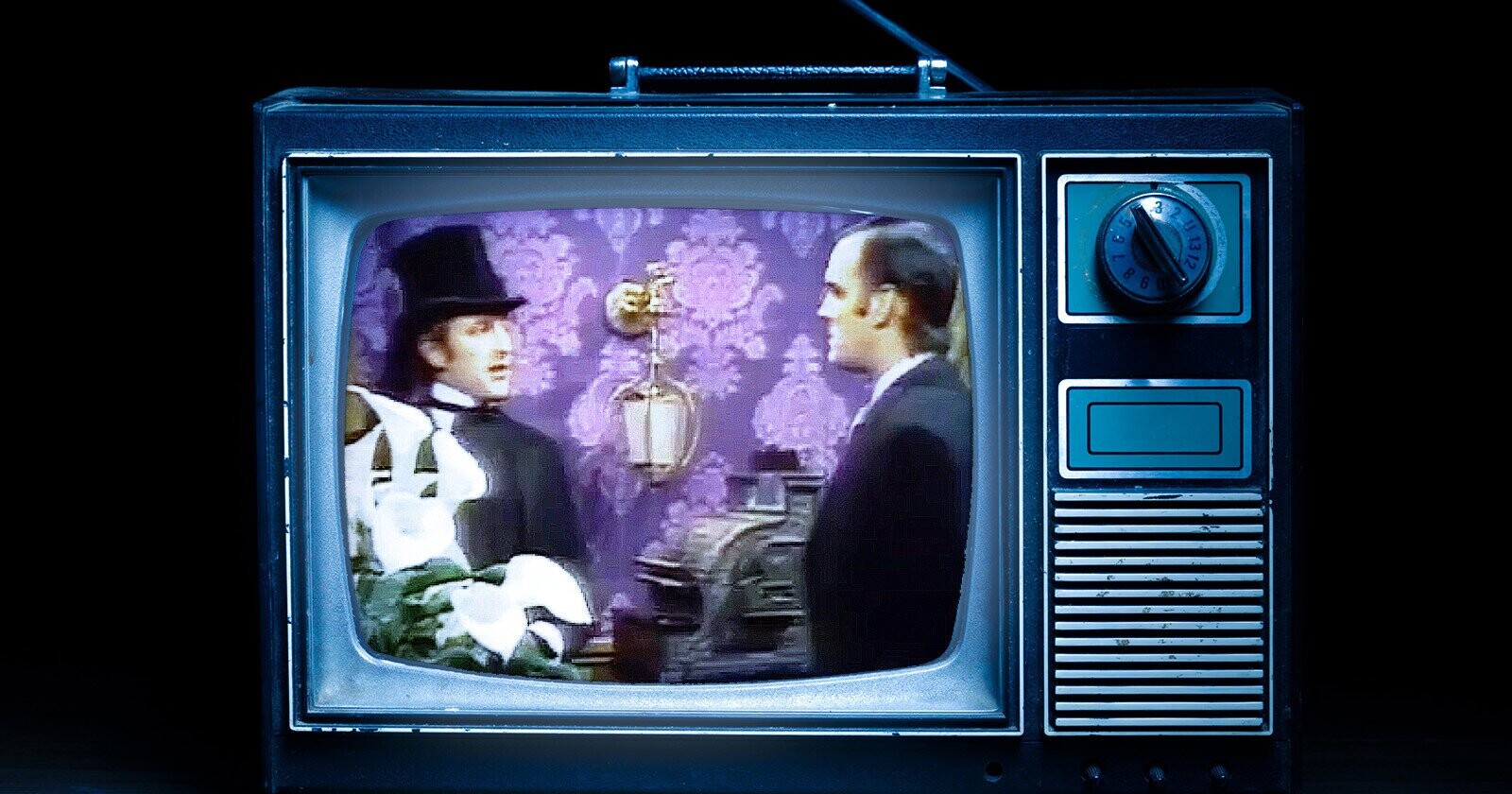
Monty Python is often remembered as the comedy group that weaponized silliness: dead parrots, silly walks, knights who say strange things, and historical epics held together with coconuts and nerve. But behind the absurdity sat a very real cultural impact. The troupe did not merely make audiences laugh; they made broadcasters nervous, religious leaders furious, lawyers busy, censors sweaty, and newspaper columnists suddenly convinced civilization was wobbling like a badly assembled Trojan rabbit.
The surprising part is that many famous Monty Python controversies were not exaggerated myths invented by fans. They actually happened. Monty Python’s Flying Circus was edited by American television. Life of Brian was protested, banned, and debated on television like a national emergency wearing sandals. The Meaning of Life poked at sex, religion, and mortality with a musical number so cheerful it practically arrived carrying a complaint form. Even decades later, reclassifications, content warnings, and arguments about comedy keep Monty Python in the cultural conversation.
This article explores the real Monty Python controversies, why they mattered, and what they reveal about censorship, satire, religion, television, and the strange human habit of taking jokes very seriously.
Why Monty Python Was Built for Controversy
Monty Python was never just random nonsense. The group’s humor was absurd, yes, but it was also educated, theatrical, politically sharp, and suspicious of authority. The Pythons made fun of judges, generals, bureaucrats, priests, academics, television hosts, national myths, social rules, and anyone who looked too comfortable behind a desk. Their sketches often began like ordinary British television and then quietly pushed the furniture out the window.
That style made them beloved by fans and alarming to gatekeepers. In the late 1960s and 1970s, television still operated under stricter ideas of taste, language, religion, and public decency. A sketch about a parrot that had definitely ceased to be was safe enough. But jokes about class, war, church authority, sex, bodily functions, and media hypocrisy were another kettle of suspiciously animated fish.
Monty Python controversies were not accidents. They were the natural result of a comedy team asking, again and again: “Why is this rule sacred?” Then they would answer by dressing someone as a bishop, a Roman centurion, or a man with a chicken.
The ABC Editing Battle: When American TV Took Scissors to Python
One of the most important Monty Python controversies happened not in a church, cinema, or medieval castle, but in American network television. In the 1970s, ABC acquired the rights to air selected episodes of Monty Python’s Flying Circus. The problem was that ABC did not simply broadcast the programs as the Pythons created them. The network edited them heavily, cutting material for time, commercial structure, and standards concerns.
For a normal sketch show, trimming a few minutes might seem routine. For Monty Python, it was comedy surgery performed with garden shears. Their sketches often relied on strange rhythm, delayed punchlines, repeated interruptions, and transitions that made nonsense feel oddly logical. Cut the wrong bit, and the entire joke collapsed like a knight who had misplaced his horse.
The Pythons objected strongly. They argued that the edits damaged the integrity of their work and misrepresented their comedy to American audiences. The dispute became the famous case Gilliam v. American Broadcasting Companies, a significant U.S. legal battle involving copyright, artistic control, and the idea that distorted editing could harm a creator’s reputation.
Why the Case Mattered
The ABC controversy was not simply about hurt feelings. It raised a serious question: if a broadcaster buys the right to show a work, does it also gain the right to reshape that work until it no longer resembles the original? The court recognized that the edited version impaired the integrity of the Pythons’ work. In plain English, the judges understood that if you remove the brain from a sketch, you should not be shocked when it stops walking.
This case became a landmark example in discussions of artistic integrity in American media law. It also helped establish Monty Python as a group willing to defend its work, even if that meant taking a major television network to court. The controversy was real, legal, and culturally important. Also, very Python: a comedy troupe famous for absurd trials ended up in an actual one.
BBC Censorship and the “Too Much for Television” Problem
Before American television got nervous, British television had already experienced Python-induced eyebrow movement. Monty Python’s Flying Circus aired on the BBC from 1969 to 1974, and while the BBC gave the group unusual freedom, that freedom was not unlimited. Some material was questioned, changed, or removed because it pushed against broadcast standards of the time.
The BBC’s concerns were not always about one obvious forbidden word or image. Often, the problem was tone. Monty Python could make respectable institutions look ridiculous without ever raising its voice. Authority figures in Python sketches were pompous, confused, cruel, childish, or entirely useless. That was funny to viewers, but it was also unsettling to broadcasters trained to protect public respectability like it was the last biscuit in the tin.
As the show grew more famous, its risks became more visible. What began as eccentric late-night comedy became a national export. With fame came scrutiny, and with scrutiny came the familiar question: “Can we air this without someone writing a strongly worded letter?” In Python’s world, the answer was often “probably not, but do it anyway.”
Life of Brian: The Controversy That Became Legendary
No Monty Python controversy was bigger than Monty Python’s Life of Brian. Released in 1979, the film tells the story of Brian Cohen, a man born near Jesus who is repeatedly mistaken for a messianic figure. The Pythons insisted that the movie was not mocking Jesus himself, but satirizing religious dogmatism, political factions, mob thinking, and the human tendency to follow slogans instead of ideas.
That distinction did not calm everyone down. Religious groups accused the film of blasphemy. Protesters objected before many people had even seen it. Some local authorities banned it. In the United Kingdom, several councils refused to allow screenings, while other areas raised age restrictions. Ireland and Norway banned the film for a time. Sweden famously turned the controversy into marketing gold by promoting it as so funny it had been banned in Norway.
That line was pure advertising genius. It also proved one of satire’s oldest rules: censorship often gives a joke a louder microphone.
Was Life of Brian Really Blasphemous?
The debate over Life of Brian often came down to whether audiences understood the target. The film does not present Brian as Jesus. Instead, it separates the two figures early and clearly. The joke is not “religion is stupid.” The joke is “people can become very silly when they stop thinking for themselves.” That is a broader and more dangerous idea, because it applies to religion, politics, fandoms, committees, and neighborhood meetings about parking.
The film mocks factionalism through groups with nearly identical names who despise each other more than their actual oppressors. It mocks crowds who turn ordinary statements into doctrine. It mocks leaders who enjoy having followers more than they enjoy truth. These themes made the film sharper than a simple rude parody. It was a comedy about belief, power, and interpretation.
That is why the controversy lasted. Life of Brian was not merely offensive to some viewers; it was intellectually annoying. It asked people to examine how sacred ideas can be handled by very unsacred humans. For anyone invested in certainty, that kind of joke lands like a wet fish to the face.
The EMI Funding Withdrawal and George Harrison’s Rescue
The Life of Brian controversy started before the film was even made. EMI Films was originally involved in financing the project but withdrew support shortly before production. The subject matter was considered too risky. A biblical-era satire from the people who had already made British television deeply weird was not exactly the safest boardroom bet.
Then George Harrison, former Beatle and Monty Python fan, helped save the movie. Harrison and Denis O’Brien formed HandMade Films to finance the production. Harrison’s involvement has become one of the great behind-the-scenes stories in film history: a major rock star helping fund a religious satire because he wanted to see the movie.
That decision mattered beyond Python. HandMade Films later became an important force in British cinema. In other words, one controversy did not merely produce a comedy classic; it helped create a film company. Somewhere, a cautious executive probably sighed into a very expensive sandwich.
The 1979 Television Debate: Comedy Goes to Court Without a Judge
The most famous public confrontation over Life of Brian occurred on the BBC discussion program Friday Night, Saturday Morning. John Cleese and Michael Palin defended the film against Malcolm Muggeridge and Mervyn Stockwood, the Bishop of Southwark. The exchange became legendary because it captured the cultural clash perfectly: comedians attempting a serious defense of satire while establishment critics treated the film as a moral offense.
What made the debate fascinating was not just disagreement. It was tone. Cleese and Palin argued that critics misunderstood the film’s target. They emphasized that Brian was not Jesus and that the film attacked unthinking followers and institutional hypocrisy rather than faith itself. Their opponents saw the movie as disrespectful and spiritually harmful.
The debate became part of the movie’s mythology. For many viewers, it made the Pythons look more thoughtful than their critics expected. The comedians, usually associated with chaos, came across as precise and serious. The moral guardians, usually associated with seriousness, sometimes looked oddly theatrical. It was almost too perfectly Python to be real, but real it was.
The Crucifixion Ending and “Always Look on the Bright Side of Life”
Another real controversy involved the ending of Life of Brian. The film concludes with condemned prisoners singing a cheerful song while facing execution. To fans, the scene is a masterpiece of bleak comic optimism. To critics, it was deeply offensive because it placed a comic musical number alongside imagery associated with sacred suffering.
The scene remains one of the most discussed endings in comedy history. It works because it is uncomfortable. The song is not funny because the situation is light; it is funny because the situation is terrible and the characters respond with absurd cheerfulness. Monty Python often found comedy in the gap between what humans suffer and the ridiculous ways they try to remain composed.
Still, it is easy to understand why some audiences objected. Religious symbols carry emotional weight. Satire that touches them can feel like criticism of the people who hold them dear. The Pythons were not gently tapping polite society with a feather. They were striking the dinner gong during a funeral and asking why everyone looked upset.
The Meaning of Life and the “Every Sperm Is Sacred” Backlash
In 1983, Monty Python’s The Meaning of Life brought another wave of discomfort. The film is a series of sketches about birth, death, sex, war, medicine, class, and cosmic confusion. Among its most famous sequences is “Every Sperm Is Sacred,” a musical satire aimed at religious teachings against contraception.
The number is staged like a grand musical production, which is exactly why it works. Python often made outrageous ideas more powerful by presenting them with absurdly high production values. A small joke became a parade. A theological argument became choreography. A sensitive subject arrived wearing tap shoes.
For some viewers, the sequence was a witty critique of religious control over family life. For others, it was disrespectful toward Catholic teaching. The controversy was real because the subject was real: debates over contraception, reproductive ethics, and religious authority were already part of public life. Python simply added melody, children, and a suspiciously catchy refrain.
The Holy Grail: Low Budget, Real Cuts, and Later Content Warnings
Monty Python and the Holy Grail is often remembered as the most harmless of the Python films because it contains killer rabbits, coconut horses, and a Black Knight with heroic denial skills. But even this beloved medieval parody had real classification issues. Its original theatrical release in the United Kingdom involved cuts, and later classifications have continued to note language, comic violence, sex references, rude humor, and discriminatory terms.
The movie’s controversy is different from Life of Brian. It did not provoke the same religious panic. Instead, it shows how comedy ages through changing standards. Jokes that once passed as silly background noise may later be described more carefully for modern audiences. A ratings board does not have to ban a film to change how the public talks about it; sometimes a content note is enough to restart the argument.
Modern warnings attached to older comedies often produce two reactions. Some people appreciate clearer information. Others see the warnings as overcautious or humorless. With Monty Python, that debate becomes especially funny because the films themselves already mocked rule-making, official labels, and bureaucratic seriousness. A content advisory for Python can feel like a Ministry of Silly Warnings doing paperwork in triplicate.
The 2014 Reunion Broadcast and Swearing Complaints
Monty Python’s 2014 reunion shows, known as Monty Python Live (Mostly), proved that the troupe could still generate complaint-worthy attention decades after its television debut. Broadcast versions prompted discussion over language, edits, and audience expectations. Some viewers complained about swearing; others complained that offensive language had been removed or softened. It was the perfect Python outcome: one group upset because there was too much, another upset because there was not enough.
This controversy revealed how tricky comedy broadcasting had become. A live performance can be messy, adult, nostalgic, and deliberately rude. A television broadcast must fit rules about time slots, audience suitability, and regulatory standards. Python’s old enemy returned in modern form: editing. The troupe that once fought ABC over cuts was again part of a conversation about what audiences should be allowed to hear.
Rights Disputes and the Business Side of Silly Walks
Not every Monty Python controversy involved morality. Some were about ownership, distribution, and money. The rights history around Python projects, including Life of Brian, included legal disputes over how the work could be sold, shown, and controlled. These disputes remind us that comedy may look spontaneous on screen, but behind the scenes it is contracts, rights, territories, royalties, and lawyers with very serious briefcases.
This business side matters because Monty Python became a global brand. Sketches, films, albums, books, stage shows, and streaming releases all carried value. The more valuable the work became, the more important control became. A joke about a dead parrot can become an intellectual property asset. That may be the least romantic sentence ever written about comedy, but it is true.
Why the Controversies Helped Monty Python Last
Controversy can destroy weak comedy, but it can also preserve strong comedy. Monty Python survived because its best work was not merely shocking. It had structure, intelligence, rhythm, and targets bigger than easy offense. The jokes were silly, but the ideas underneath them were serious. That combination gave the work a long shelf life.
The ABC lawsuit made Python look principled about artistic control. The Life of Brian bans made the film more famous. The television debate made Cleese and Palin look thoughtful. The Meaning of Life backlash confirmed that the group could still poke sensitive subjects. Modern content warnings prove that even old jokes can start new arguments.
In a strange way, the controversies became part of the art. Monty Python did not just satirize institutions; institutions responded by behaving exactly like Monty Python sketches. Councils debated films they had not necessarily seen. Broadcasters trimmed absurd comedy until it became more absurd by accident. Critics tried to defeat silliness with solemn outrage and occasionally looked sillier than the silliness. The whole thing became a giant foot descending from the sky.
Experiences and Lessons from Real Monty Python Controversies
Looking back at Monty Python controversies today is like opening a time capsule packed by a mischievous librarian. You find old anxieties about television standards, religion, youth culture, public decency, artistic freedom, and the terrifying possibility that someone might laugh at a bishop. Yet the experience of revisiting these debates also feels surprisingly modern. People are still arguing about comedy, context, offense, censorship, and whether a joke can be both funny and irresponsible.
One useful experience from the Python story is that context matters enormously. Life of Brian was often attacked as though it were a direct parody of Jesus, while the film itself carefully makes Brian a separate character. That does not mean everyone had to enjoy the film, but it does show how controversy can grow when people react to the idea of a work rather than the work itself. This happens constantly today. A headline, clip, rumor, or out-of-context quote can travel faster than the full piece of art. Python learned that lesson before social media existed, which is impressive considering Twitter was still several decades away from giving everyone a tiny outrage trumpet.
Another lesson is that censorship can be bad marketing in disguise. Attempts to ban or suppress Life of Brian made the film more interesting to curious audiences. Being told “you must not watch this” has a magical effect on human beings, especially ones with money for a movie ticket. The bans transformed the film from a comedy release into a cultural event. The same pattern appears again and again in entertainment history: restriction creates mystery, mystery creates demand, and demand buys popcorn.
The ABC editing dispute offers a different lesson: artists care about form, not just content. To outsiders, a cut sketch may look like a shorter sketch. To comedians, it can be a broken machine. Timing is not decoration in comedy; it is the engine. Remove a pause, a transition, or a strange callback, and the joke may die quietly in the corner. The Pythons’ legal fight was therefore not preciousness. It was a defense of how comedy actually works.
There is also a lesson for audiences. Offense is not always proof that a joke has failed. Sometimes offense means the joke has hit a real pressure point. But offense is also not automatic proof that a joke is brilliant. Monty Python’s strongest controversies endure because the comedy had ideas behind it. The group was not simply pointing and sneering. At its best, Python exposed how people turn institutions, beliefs, procedures, and identities into ridiculous performances.
For writers, creators, and publishers, Monty Python’s history is a reminder to be brave but not lazy. Satire needs a target. The sharper the target, the better the joke survives. Random rudeness ages quickly. A well-aimed attack on hypocrisy, conformity, censorship, or mob thinking can remain fresh for decades. That is why people still discuss these controversies long after many safer comedies have disappeared into the cultural cupboard next to fondue sets and instructional VHS tapes.
Finally, the Monty Python controversies show that comedy is a stress test for society. What people are allowed to laugh at reveals what a culture fears, protects, misunderstands, and over-polices. Python’s greatest trick was not making nonsense out of nothing. It was revealing the nonsense already present in respectable places. The Pythons simply gave it a wig, a gavel, a Latin name, and occasionally a coconut.
Conclusion: The Real Trouble Was the Point
Monty Python controversies were actually real, and that reality is part of why the troupe remains important. The bans, lawsuits, debates, complaints, edits, ratings decisions, and public arguments were not side notes. They were proof that Python had touched something alive.
The group’s comedy challenged authority without sounding like a lecture. It turned censorship into farce, religious panic into public debate, television editing into a legal issue, and historical parody into cultural commentary. Monty Python understood that silliness could be serious business. Sometimes the best way to expose an absurd system is to behave slightly more absurdly than the system itself.
That is why Monty Python still matters. The controversies were not merely storms around the jokes. They were evidence that the jokes had found their targets.