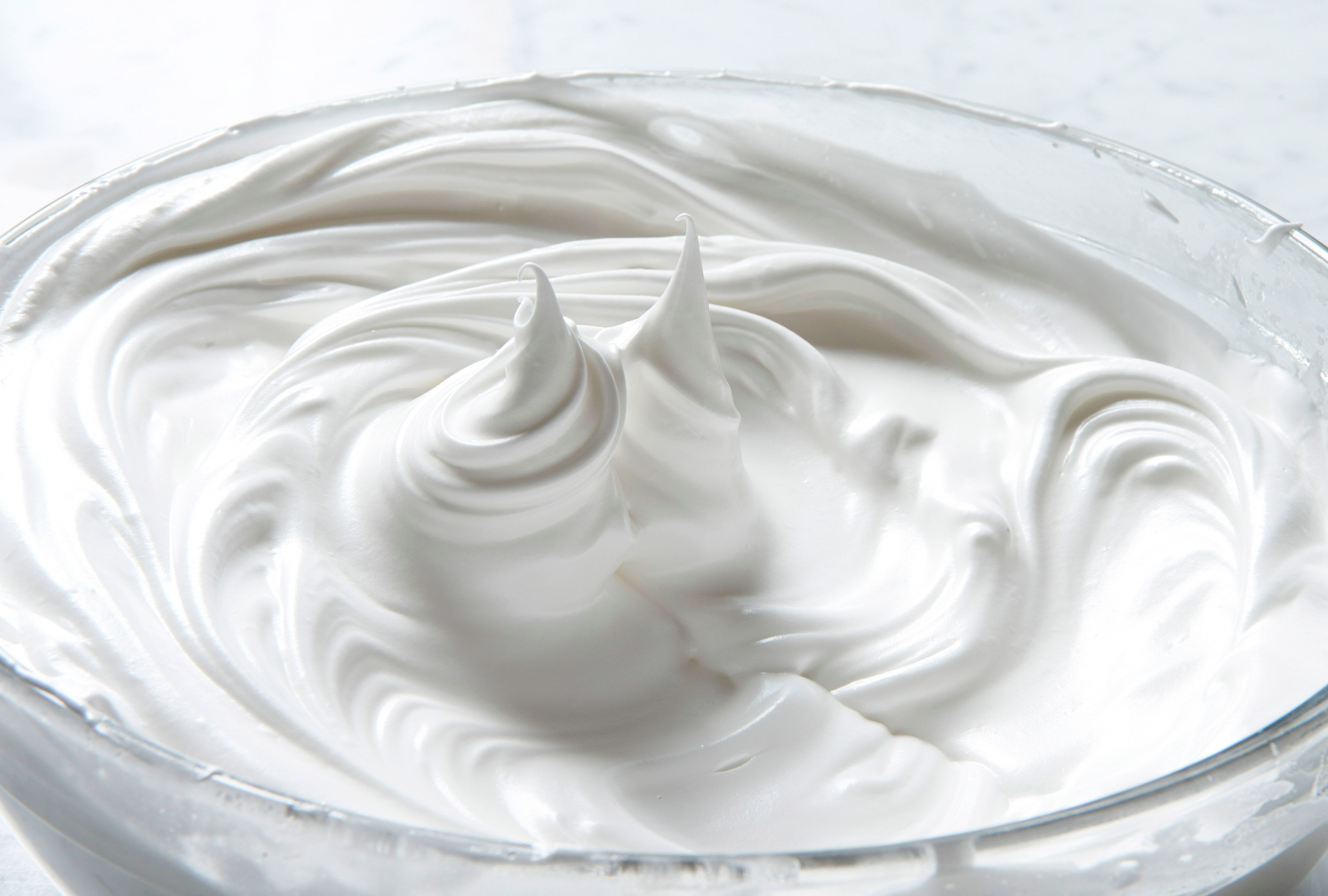
Meringue frosting is what happens when egg whites, sugar, and a little kitchen courage decide to become a cloud. It is glossy, fluffy, sweet without feeling heavy, and dramatic enough to make a humble cupcake look like it has a reservation at a fancy dessert bar. Unlike dense American buttercream, which leans rich and sugary, meringue frosting brings lightness, shine, and that dreamy marshmallow-like texture bakers love.
Whether you call it meringue icing, seven-minute frosting, boiled frosting, Swiss meringue buttercream, or the fluffy white topping Grandma somehow made without measuring anything, the idea is similar: whip egg whites into a stable foam, sweeten them, and use heat or technique to create a frosting that holds its shape. It can be swooped over layer cakes, piped onto cupcakes, torched like a tiny dessert bonfire, or folded with butter for a silky finish.
In this guide, we will explore what meringue frosting is, how it differs from other frostings, the main types, food-safety tips, troubleshooting advice, flavor ideas, and real-world baking experience that can save your mixer, your cake, and possibly your mood.
What Is Meringue Frosting?
Meringue frosting is a whipped frosting made primarily from egg whites and sugar. As the egg whites are beaten, air gets trapped inside the protein structure, creating a foam. Sugar strengthens that foam, adds sweetness, and gives the frosting its glossy, smooth appearance. Depending on the recipe, ingredients such as cream of tartar, vanilla extract, salt, water, corn syrup, or butter may also be added.
The final texture depends on the method. A classic seven-minute frosting is light, airy, sticky, and marshmallow-like. Swiss meringue buttercream is smoother, richer, and more stable because softened butter is beaten into cooked meringue. Italian meringue frosting uses hot sugar syrup for structure. Meringue powder frosting skips fresh egg whites and uses a shelf-stable powdered egg-white product, which is especially useful for decorators.
Why Bakers Love Meringue Frosting
Meringue frosting has a personality. It is not the quiet frosting sitting politely in the corner. It shines, swoops, and makes cakes look taller than their actual emotional maturity. More importantly, it offers several practical advantages.
It Tastes Light and Not Too Sweet
Many butter-based frostings can feel heavy, especially on rich chocolate cake or dense cupcakes. Meringue frosting gives sweetness without the same buttery weight. That makes it a wonderful match for coconut cake, lemon cake, angel food cake, gingerbread, chocolate cupcakes, banana cake, and anything that benefits from a fluffy topping.
It Creates Beautiful Texture
A spatula can create soft waves, dramatic peaks, or rustic swirls in seconds. Pipe it with a star tip and it becomes elegant. Toast it with a kitchen torch and suddenly your dessert looks like it graduated from pastry school, even if you were wearing slippers during the entire process.
It Works With Many Flavors
Vanilla is classic, but meringue frosting also welcomes almond extract, lemon zest, orange extract, espresso powder, cocoa, coconut extract, peppermint, berry puree, or a hint of maple. Because the base is mild, flavorings can stand out clearly.
The Main Types of Meringue Frosting
Not all meringue frostings are identical. Some are simple and nostalgic, while others are more technical and bakery-style. Knowing the difference helps you choose the right frosting for your cake, climate, and patience level.
Classic Seven-Minute Meringue Frosting
Seven-minute frosting is an old-fashioned favorite made by beating egg whites, sugar, water, and cream of tartar over simmering water. As the mixture heats and whips, it becomes thick, glossy, and fluffy. The result is similar to marshmallow creme but lighter and fresher.
This frosting is best used soon after making it. It spreads beautifully over cakes and cupcakes, but it does not have the same long-term stability as buttercream. It can become sticky or slightly weepy in humid conditions, so it is happiest when served the same day.
Swiss Meringue Frosting
Swiss meringue begins by gently heating egg whites and sugar over a water bath until the sugar dissolves and the mixture reaches a safe temperature. Then it is whipped into a stiff, glossy meringue. For Swiss meringue buttercream, softened butter is added gradually, creating a silky frosting that is smooth, stable, and less sweet than traditional buttercream.
Swiss meringue buttercream is excellent for layer cakes, wedding cakes, cupcakes, and piping. It can look curdled while mixing, which is terrifying the first time you see it, but it often comes back together with continued beating. Baking is partly science, partly faith, and partly standing beside the mixer whispering, “Please behave.”
Italian Meringue Frosting
Italian meringue is made by pouring hot sugar syrup into whipped egg whites while the mixer runs. The hot syrup helps stabilize the foam and creates a glossy, strong meringue. Italian meringue buttercream, made by adding butter to this base, is prized for its smooth texture and stability.
This method requires a candy thermometer and careful pouring, so it is not usually the first meringue frosting a beginner should try. However, once mastered, it is dependable and professional-looking.
Meringue Powder Frosting
Meringue powder is a dry mixture commonly made with dried egg whites and stabilizers. It is often used in royal icing and decorating frostings because it is convenient, shelf-stable, and does not require separating fresh eggs. For cookie decorators, meringue powder is practically a passport to neat borders, firm details, and icing that dries well.
For fluffy cake frosting, meringue powder can be useful, but the flavor and texture may differ from fresh egg-white meringue. It is a practical option when food safety, convenience, or consistency matters most.
Basic Ingredients in Meringue Frosting
Egg Whites
Egg whites are the structure builders. They whip into foam because their proteins unfold and trap air. For best results, use cleanly separated whites with no yolk. Even a small amount of fat can interfere with whipping.
Sugar
Sugar sweetens the frosting and stabilizes the foam. Granulated sugar is common, but superfine sugar dissolves more easily. In cooked meringue frostings, heat helps dissolve the sugar, preventing a gritty texture.
Cream of Tartar
Cream of tartar is an acidic stabilizer that helps egg whites whip taller and hold their shape. It is especially helpful in seven-minute frosting and classic meringues.
Vanilla and Salt
Vanilla adds warmth, while a pinch of salt balances sweetness. Without salt, frosting can taste flat, like a sweet cloud that forgot its purpose.
Butter
Butter is used in Swiss and Italian meringue buttercream. It transforms the meringue from fluffy foam into a creamy, pipeable frosting with a luxurious mouthfeel.
How to Make Meringue Frosting Successfully
The exact method depends on the type of meringue frosting, but the core principles are the same: use clean tools, dissolve the sugar, whip patiently, and control temperature.
Start With a Spotless Bowl
Use a metal or glass bowl rather than plastic, which can hold traces of grease. Wash and dry your bowl and whisk thoroughly. If you want to be extra careful, wipe them with a little vinegar or lemon juice, then dry them before adding egg whites.
Separate Eggs Carefully
Cold eggs are easier to separate, but room-temperature egg whites whip better. Separate the eggs while cold, then let the whites sit briefly before whipping. If yolk breaks into the whites, save that egg for breakfast and start again. Scrambled eggs are delicious; failed meringue is less charming.
Dissolve the Sugar Completely
Gritty frosting usually means undissolved sugar. For Swiss or seven-minute frosting, rub a little mixture between your fingers after heating. If it feels smooth, you are ready to whip. If it feels sandy, keep heating gently and whisking.
Watch the Peaks
Soft peaks bend over gently. Firm peaks stand but have a little curl. Stiff peaks stand straight and glossy. For frosting, you usually want firm to stiff peaks, depending on the recipe. Overbeaten meringue can become dry or clumpy, so stop when the texture is glossy and structured.
Food Safety and Meringue Frosting
Because many meringue frostings involve egg whites, food safety matters. Recipes that heat egg whites and sugar, such as Swiss meringue or seven-minute frosting, are generally safer than frostings made with uncooked egg whites. Use a thermometer when possible, especially if serving children, pregnant people, older adults, or anyone with a weakened immune system.
For uncooked frostings, consider pasteurized egg whites or meringue powder. Also remember that cakes topped with meringue frosting should not sit out indefinitely. Store leftovers properly, follow recipe guidance, and when in doubt, refrigerate. Frosting should bring joy, not a dramatic subplot involving foodborne illness.
Best Cakes and Desserts for Meringue Frosting
Chocolate Cake
The contrast between deep chocolate and fluffy white meringue frosting is classic. Add a toasted finish and it tastes a little like a s’more cake, minus the campfire smoke in your hair.
Lemon Cake
Lemon and meringue are already famous thanks to lemon meringue pie. A lemon layer cake with meringue frosting feels bright, fresh, and sunny.
Coconut Cake
Seven-minute frosting is a traditional partner for coconut cake. The frosting’s light texture pairs beautifully with shredded coconut pressed into the outside.
Cupcakes
Meringue frosting pipes into tall swirls that look impressive without being heavy. Chocolate, vanilla, red velvet, banana, and strawberry cupcakes all work well.
Pies and Tarts
Meringue topping can crown citrus pies, chocolate pies, and small tartlets. For pies, spread the meringue to the crust edge to help prevent shrinking.
Flavor Ideas for Meringue Frosting
Plain vanilla meringue frosting is always welcome, but flavoring it can make a dessert feel custom-made.
- Almond meringue frosting: Add a small amount of almond extract for wedding-cake flavor.
- Lemon meringue frosting: Add lemon zest or a touch of lemon extract.
- Coconut meringue frosting: Use coconut extract and finish with toasted coconut.
- Chocolate meringue frosting: Fold in cooled melted chocolate or sifted cocoa, depending on the recipe.
- Espresso meringue frosting: Add dissolved espresso powder for coffeehouse energy.
- Peppermint meringue frosting: Use peppermint extract for holiday cupcakes.
Common Meringue Frosting Problems and Fixes
Problem: The Frosting Is Gritty
The sugar did not dissolve fully. Next time, heat the egg whites and sugar longer over the water bath, whisking constantly, until the mixture feels smooth between your fingers.
Problem: The Meringue Will Not Whip
There may be fat, yolk, or grease in the bowl. Clean tools are essential. Also make sure the egg whites are not too cold and that you are using the whisk attachment.
Problem: The Frosting Is Weeping
Humidity, undercooking, or unstable foam can cause moisture to separate. Use cream of tartar, dissolve sugar properly, avoid making meringue frosting on very humid days, and serve delicate versions soon after making.
Problem: Swiss Meringue Buttercream Looks Curdled
Keep mixing. This is common when butter is being incorporated. If the mixture is too cold, gently warm the bowl for a few seconds. If it is soupy, chill it briefly and whip again.
Problem: The Frosting Tastes Too Buttery
Add vanilla, salt, citrus zest, melted cooled chocolate, fruit powder, or another flavoring. Swiss and Italian meringue buttercreams often taste better once flavor is added and the cake is fully assembled.
How to Store Meringue Frosting
Classic meringue frosting is best used the day it is made. It can lose volume or become sticky over time, especially in humid weather. Cakes frosted with seven-minute frosting should be served fresh when possible.
Swiss and Italian meringue buttercream are more flexible. They can usually be refrigerated and rewhipped after returning to room temperature. If frozen, thaw in the refrigerator, bring to room temperature, and beat until smooth. The texture may look strange before it becomes silky again, so do not panic too early. Many frostings go through an awkward phase, just like middle school.
Practical Experience With Meringue Frosting
The first lesson meringue frosting teaches is humility. You can read every recipe twice, set out perfect ingredients, and still find yourself staring into the mixing bowl as if it contains a weather system. The good news is that most meringue problems are fixable once you understand what is happening.
In real baking situations, temperature is the biggest troublemaker. When making Swiss meringue buttercream, the meringue must cool before butter is added. If the bowl is still warm, the butter melts and the frosting turns loose. It may look like sweet soup, which is upsetting but not hopeless. A short rest in the refrigerator followed by more whipping usually brings it back. On the other hand, if the butter is too cold, the frosting can look chunky or curdled. Gentle warmth and patience can rescue it.
Humidity is another practical issue. Seven-minute frosting is gorgeous on a dry day, but in sticky summer weather it can become tacky faster than expected. If you are frosting cupcakes for an outdoor birthday party in July, Swiss meringue buttercream may be a safer choice than classic fluffy meringue. If you still want that marshmallow look, frost close to serving time and keep the desserts cool.
Another experience worth sharing: do not rush the sugar-dissolving step. Gritty frosting is not dramatic, but it is disappointing. The frosting may look beautiful and still feel sandy when eaten. Before whipping, rub the heated mixture between your fingers. Smooth means go. Grainy means keep whisking. This tiny test can save an entire batch.
Flavor also matters more than beginners expect. Plain meringue frosting can taste sweet and simple, which is lovely on bold cakes but a little shy on vanilla cupcakes. A pinch of salt, real vanilla extract, citrus zest, almond extract, or espresso can make the frosting taste intentional instead of merely sugary. For chocolate cupcakes, a toasted meringue topping is especially effective because the browned peaks add a subtle caramel flavor.
Piping meringue frosting is a joy, but it behaves differently from buttercream. Classic seven-minute frosting is softer and stickier, so tall decorations may slump if they sit too long. Use it for swirls, swoops, rustic peaks, and cloud-like finishes. For sharper borders, roses, or detailed piping, Swiss meringue buttercream is usually better.
Finally, meringue frosting rewards confidence. Spread it generously. Make big swoops. Use the back of a spoon to create peaks. Toast it if the dessert suits it. The charm of meringue frosting is not perfect symmetry; it is volume, shine, and personality. It should look like something delicious just floated down and landed on your cake.
Conclusion
Meringue frosting is one of the most beautiful ways to finish a dessert. It can be light and marshmallowy, silky and buttery, simple and nostalgic, or polished and professional. The secret is understanding the method: clean tools, properly dissolved sugar, stable egg whites, controlled heat, and the right frosting style for the dessert.
Choose seven-minute frosting when you want an old-fashioned cloud. Choose Swiss meringue buttercream when you need smooth, elegant stability. Choose Italian meringue when you want strength and shine. Choose meringue powder when convenience and decorating control are priorities. Once you master the basics, meringue frosting becomes less intimidating and much more fun.
And honestly, few things make a cake look more joyful than a mountain of glossy frosting peaks. It is sweet, soft, dramatic, and just a little theatricalin other words, everything dessert should be.