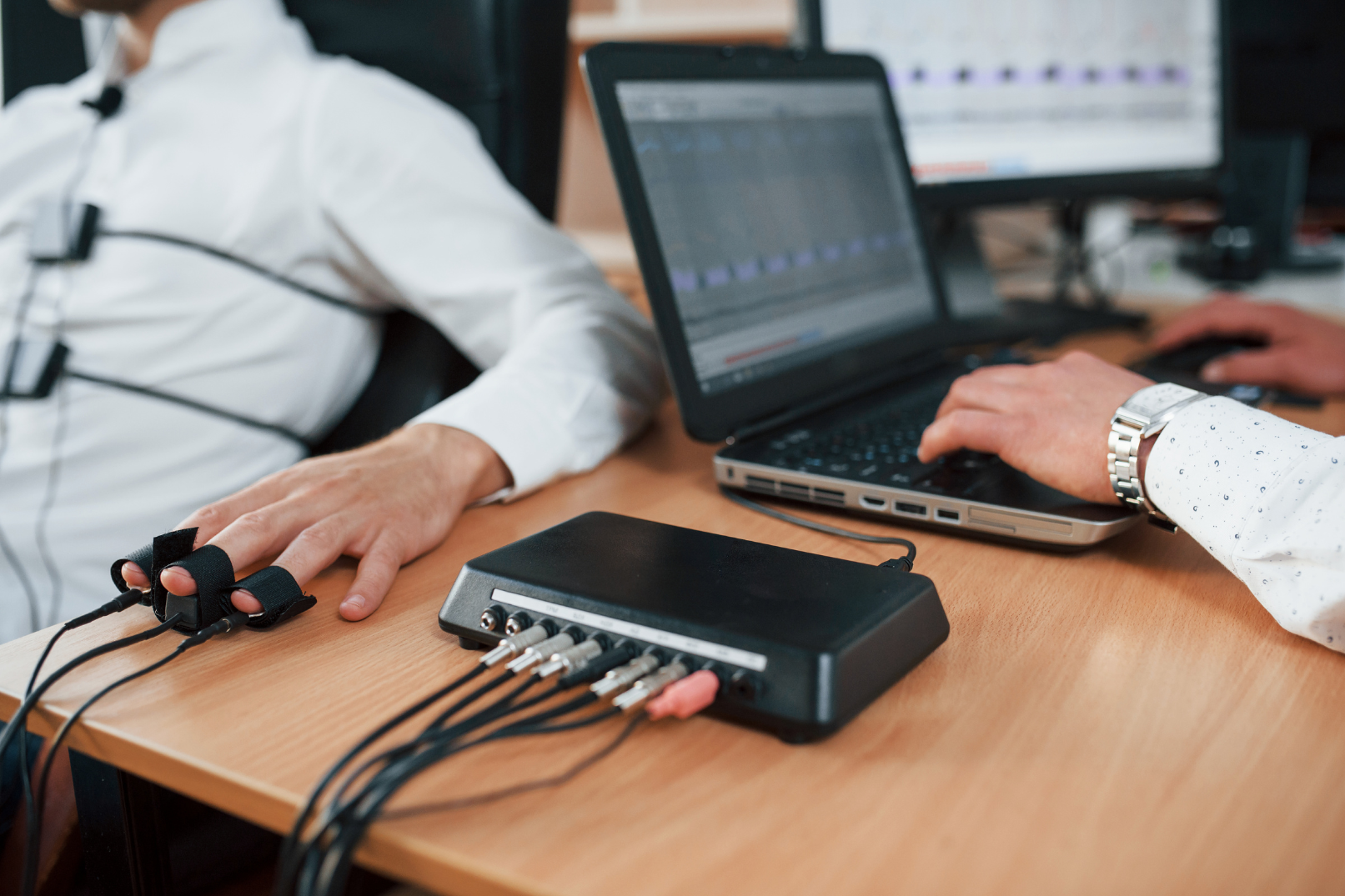
A lie detector test sounds like something borrowed from a crime show: a chair, a few sensors, a serious-looking examiner, and one very nervous person trying not to blink like a cartoon villain. In real life, however, the process is far less magical and far more complicated. A polygraph test does not read minds, scan secret thoughts, or flash a giant red “LIAR” sign over someone’s head. It measures physical responses that may be connected to stress, fear, surprise, or deception.
That difference matters. The phrase “lie detector test” is catchy, but the machine itself does not directly detect lies. It records physiological activitysuch as breathing patterns, heart rate, blood pressure, and skin conductivitywhile a trained examiner asks structured questions. The examiner then interprets whether certain responses appear stronger during relevant questions than during comparison questions. In other words, the machine collects data, but the human examiner still plays a major role in the final interpretation.
This article explains what a lie detector test is, how a polygraph works, where it is commonly used, why its accuracy is debated, and what people should realistically expect from the experience. No Hollywood fog machine required.
What Is a Lie Detector Test?
A lie detector test is commonly known as a polygraph examination. The word “polygraph” means “many writings,” which makes sense because the instrument records several physical signals at the same time. During a typical test, sensors are attached to the person being examined. These sensors may track respiration, cardiovascular activity, and electrodermal activity, which is related to sweating and skin conductivity.
The basic idea is simple: when a person is under psychological pressure, the body may react. Breathing may change. The heart may beat faster. The skin may become more conductive because of tiny changes in perspiration. The challenge is that these reactions are not exclusive to lying. A truthful person can become anxious, and a deceptive person can sometimes stay calm. That is why polygraph testing remains one of the most debated tools in investigations, employment screening exceptions, and public imagination.
How Does a Polygraph Test Work?
A professional polygraph examination usually follows a structured process. While details vary depending on the examiner, purpose, and jurisdiction, most tests include three major stages: the pre-test interview, the chart collection phase, and the analysis phase.
1. The Pre-Test Interview
The pre-test interview is not small talk about the weather, although a little weather talk might help everyone remember they are still human. This stage is where the examiner explains the process, reviews the issue being tested, discusses the person’s rights and consent, and carefully goes over the questions that may be asked during the exam.
This part matters because unclear questions can create unreliable results. A good polygraph question should be specific, understandable, and directly connected to the matter being examined. If someone does not understand the question, the test can quickly become less useful than a map drawn by a squirrel.
2. The Chart Collection Phase
During the actual testing portion, the person sits still while sensors record physiological responses. The examiner asks a series of questions, usually including neutral questions, comparison questions, and relevant questions. Neutral questions may confirm basic facts. Relevant questions focus on the issue under investigation. Comparison questions are designed to provide a baseline for evaluating reactions.
The person usually answers “yes” or “no.” The examiner may repeat question sets several times to collect enough data. The goal is not to surprise the person with random questions. In a proper examination, the person should generally know the reviewed question areas before the chart collection begins.
3. Test Data Analysis
After the data is collected, the examiner analyzes the charts. Some systems use numerical scoring methods, while others may include computerized assistance. Still, the interpretation depends on training, technique, test quality, and the examiner’s adherence to accepted standards.
Results are often reported as something like “no deception indicated,” “deception indicated,” or “inconclusive.” That last result may frustrate people, but it is important. An inconclusive result means the data did not support a clear decision. In science and life, “I don’t know” is sometimes the most honest answer in the room.
What Does a Lie Detector Test Measure?
A polygraph test measures bodily responses, not truth itself. The main signals usually include:
- Respiration: Changes in breathing rate or depth.
- Cardiovascular activity: Changes in pulse, blood pressure, or heart-related patterns.
- Electrodermal activity: Changes in skin conductivity, often linked to sweat gland activity.
These signals may change when a person feels stress, concern, fear, or emotional pressure. The central question is whether those changes are stronger when the person answers questions about a specific issue. That is why many experts describe polygraph testing as a psychophysiological tool rather than a literal “truth machine.”
Are Lie Detector Tests Accurate?
This is the million-dollar question, although hopefully nobody is billing you a million dollars for one appointment. The accuracy of lie detector tests is controversial because the answer depends on the testing method, examiner skill, type of case, quality of questions, and the population being tested.
Research reviews have generally found that polygraph tests can perform better than random guessing in some specific-incident investigations. However, major scientific organizations have also warned that the evidence is imperfect, especially for broad screening programs. A specific-incident test asks about a defined event, such as whether someone took missing property on a particular date. A screening test may ask broader questions, such as whether someone has ever engaged in certain risky behavior. The broader the question, the harder the interpretation becomes.
The biggest accuracy problem is that physiological arousal has many possible causes. A person might react strongly because they are lying. They might also react because they are scared, embarrassed, angry, confused, or simply uncomfortable being strapped to sensors while someone asks serious questions. The body is dramatic. Sometimes it acts like every stressful moment is the final scene of a courtroom movie.
Common Uses of Lie Detector Tests
Polygraph tests are used in several settings, though rules vary widely by state, agency, employer type, and legal context.
Criminal Investigations
Law enforcement agencies may use polygraphs as an investigative tool. A test may help investigators evaluate statements, generate leads, or encourage further discussion. However, a polygraph result is usually not treated as a stand-alone answer to a criminal case. Investigators still need evidence, witness statements, records, timelines, and other facts that can be independently verified.
Government and Security Screening
Some government agencies use polygraph testing in security-related contexts. These tests may be part of background investigations or ongoing clearance procedures. This use is especially controversial because screening tests may involve broader questions and higher stakes for the person being examined.
Employment Situations
In the United States, most private employers are restricted by the Employee Polygraph Protection Act. In general, private employers cannot require or request lie detector tests for pre-employment screening or during employment. There are exceptions, such as certain security service roles, pharmaceutical-related positions, and specific workplace investigations involving economic loss where legal requirements are met.
For employees and job applicants, this is a major point: a boss cannot usually say, “Take this polygraph or pack your stapler.” Workplace polygraph rules are serious, and employers that ignore them can face consequences.
Personal or Private Disputes
Some people seek private lie detector tests for personal disputes, family conflicts, or trust-related concerns. These situations can be emotionally charged, and a polygraph result rarely fixes the deeper problem by itself. A test may provide one piece of information, but it cannot replace communication, counseling, documentation, or common sense.
Are Lie Detector Tests Admissible in Court?
Polygraph evidence has a complicated legal history in the United States. Courts have often been skeptical of lie detector results because of concerns about reliability, jury influence, and scientific disagreement. There is no simple nationwide rule that says all polygraph results are always accepted or always rejected in every situation.
In many courts, polygraph results are excluded or admitted only under limited conditions. Some jurisdictions may allow them if both parties agree in advance. Others reject them because the results may be seen as too unreliable or too likely to influence a jury unfairly. In federal and state courts, admissibility often depends on evidence rules, case law, judicial discretion, and the specific purpose for which the result is offered.
The key takeaway is simple: a lie detector test is not a courtroom magic wand. It may be used during an investigation, but that does not mean it will automatically appear in court or decide the outcome of a case.
Why People Still Use Polygraphs
If polygraphs are debated, why are they still used? Because investigations are rarely built on one tool. A polygraph may help narrow questions, compare statements, encourage disclosures, or support decision-making when combined with other information. Some agencies and examiners argue that validated techniques, careful question design, and proper training can make results useful in specific contexts.
There is also a psychological factor. The seriousness of the process can make people think carefully about their answers. The setting itself may lead someone to clarify a story, correct a detail, or disclose information. That does not mean the machine is reading minds. It means the process can influence behavior, for better or worse.
Limitations of a Lie Detector Test
A polygraph test has several important limitations:
- It measures stress-related responses, not lies directly.
- Truthful people can show strong reactions.
- Some deceptive people may not react as expected.
- Poorly worded questions can reduce reliability.
- Examiner training and ethics matter.
- Medical, psychological, or situational factors may affect results.
These limitations do not mean every polygraph is useless. They mean the result should be interpreted carefully and never treated as perfect proof. A polygraph is a tool, not a crystal ball with wires.
What to Expect Before Taking a Polygraph Test
Anyone asked to take a lie detector test should understand the purpose of the exam, who requested it, how results may be used, and whether participation is voluntary. In employment situations, people should pay special attention to their rights under federal and state law. In legal matters, speaking with a qualified attorney is often wise before agreeing to any test.
Before the test, the examiner should explain the procedure and review the questions. The person taking the test should ask for clarification if anything is confusing. Clear questions lead to better data. Confusing questions lead to confusion, which is not exactly a scientific breakthrough.
Myths About Lie Detector Tests
Myth 1: The Machine Detects Lies Automatically
No. The machine records physical responses. A trained examiner interprets those responses using a testing method.
Myth 2: Nervous People Always Fail
Not necessarily. Examiners expect some nervousness. The issue is how responses compare across different types of questions, not whether someone feels nervous at all.
Myth 3: Passing a Test Proves Innocence Forever
A favorable result may support a statement, but it does not erase all other evidence or answer every possible question.
Myth 4: Failing a Test Proves Guilt
A concerning result may raise questions, but it is not the same as independent proof. Other facts still matter.
Real-World Experiences Related to a Lie Detector Test
People who take a lie detector test often describe the experience as more intense than expected. Even when the setting is professional and respectful, the moment sensors are attached can make the situation feel serious. The room may be quiet. The examiner may speak in a calm, deliberate way. The questions may be simple, but the pressure behind them can feel heavy. For many people, the hardest part is not the machine. It is the awareness that their answers are being measured, recorded, and interpreted.
One common experience is surprise at how much time the pre-test interview takes. People sometimes imagine the examiner immediately starts firing questions like a detective in a television drama. In reality, a careful examiner may spend a significant amount of time explaining the process, reviewing background information, and making sure each question is understood. This can feel repetitive, but it is important. A question that sounds obvious to one person may feel vague to another. For example, “Did you take the money?” is clearer than “Were you involved in something improper?” The second question is so broad it could include everything from theft to eating the last office donut.
Another common experience is physical self-awareness. During a test, people may suddenly notice every breath, heartbeat, swallow, and tiny movement. Someone who has never thought about their breathing may start thinking, “Am I breathing normally? What is normal breathing? Have I ever breathed correctly in my life?” This self-monitoring can make the test feel strange. A professional examiner usually instructs the person to sit still, answer clearly, and avoid unnecessary movement. Still, the person may feel unusually aware of their body.
Some people also report emotional discomfort when questions touch sensitive areas. Even truthful answers can feel uncomfortable if the topic involves accusations, trust, employment, or personal reputation. That is one reason polygraph results should be handled with care. A strong reaction may reflect the seriousness of the question, not necessarily deception. Context matters. So do documentation, witness accounts, timelines, and other evidence.
In workplace-related situations, people may feel especially anxious because their job or reputation may seem at risk. This is where understanding legal protections becomes essential. Most private employers in the United States cannot freely demand polygraph tests. When exceptions apply, procedures and notices matter. A person should know why the test is requested, what rights apply, and how the results may be used.
In private disputes, experiences can be even more complicated. A person may take a test hoping one result will repair trust. But relationships, families, and personal conflicts rarely become simple because a chart says one thing. A polygraph may provide a talking point, but it cannot replace honesty, accountability, or professional support when emotions run high.
The most practical lesson from real-world polygraph experiences is this: treat the test seriously, but do not treat it as supernatural. Ask questions. Understand the purpose. Know your rights. Remember that a polygraph result is one piece of information, not the entire puzzle.
Conclusion
A lie detector test is one of the most famous and misunderstood tools in modern investigations. It can collect useful physiological data, and in some specific situations, it may support decision-making. But it does not directly detect lies, guarantee truth, or replace evidence. Its accuracy depends on the method, examiner, questions, setting, and purpose of the exam.
For readers, the smartest approach is balanced skepticism. Do not dismiss every polygraph as worthless, but do not worship it as a truth robot either. A polygraph is best understood as a structured investigative tool with strengths, limits, and legal complications. Like a smoke alarm, it may signal a problembut you still need to check whether there is actually a fire or someone just burned toast.
Note: This article is for general informational purposes only and should not be treated as legal, employment, medical, or professional advice. Anyone facing a legal or workplace polygraph issue should consult a qualified professional in their jurisdiction.