Note: This article is based on synthesized research from reputable film databases, critic archives, entertainment publications, and cinema reference sources, including Rotten Tomatoes, Metacritic, IMDb, RogerEbert.com, The Criterion Collection, Britannica, The Guardian, Vanity Fair, Time, The New Yorker, and other established film-history references.
Why Last Tango in Paris Still Refuses to Sit Quietly in the Corner
Some movies age like wine. Some age like milk. Last Tango in Paris has somehow aged like a very expensive, very controversial cheese: admired, argued over, occasionally banned from polite conversation, and still impossible to ignore. Directed by Bernardo Bertolucci and released in 1972, the film remains one of the most debated works in international cinema. It stars Marlon Brando as Paul, an American widower in Paris, and Maria Schneider as Jeanne, a young French woman drawn into a mysterious and emotionally destructive relationship.
The title “Last Tango in Paris Rankings And Opinions” may sound like a neat little ranking article, but the movie itself laughs at neatness. Critics have praised its raw acting, painterly cinematography, and daring emotional intensity. Viewers have also condemned its troubling production history, especially the now-famous controversy surrounding Schneider’s experience on set. That means any serious ranking of Last Tango in Paris must do two things at once: judge the movie as art and confront the ethics behind it.
In other words, this is not a “popcorn and pajamas” ranking. This is a “make coffee, clear your schedule, and maybe text your film-school friend” kind of discussion.
Quick Film Overview: What Is Last Tango in Paris About?
Last Tango in Paris follows Paul, a grieving middle-aged American living in Paris after the death of his wife. He meets Jeanne, a younger woman engaged to a filmmaker named Tom. Paul and Jeanne begin meeting in an empty apartment, where they attempt to create a relationship without names, biographies, or ordinary social rules. Naturally, because humans are not furniture, this plan goes terribly.
The film is less about romance than emotional collapse. Paul is not a conventional tragic hero. Jeanne is not simply a symbol of youth. Their relationship becomes a closed room where grief, power, desire, loneliness, and identity bang into the walls. Bertolucci frames Paris not as a postcard city but as a cold, bruised space where people drift through beautiful rooms while making deeply questionable choices.
The result is a movie that many critics still rank as a major work of 1970s European art cinema, while many modern viewers approach it with discomfort. That tension is exactly why opinions about Last Tango in Paris remain so intense.
How Critics Rank Last Tango in Paris
1. Critical Reputation: High, But Complicated
In critical rankings, Last Tango in Paris usually sits in the “important but difficult” category. Rotten Tomatoes lists the movie with a generally positive critic score, while Metacritic shows strong admiration from several major reviewers. Roger Ebert gave the film serious attention both at the time of release and in later reassessment, noting its power while also recognizing how differently it plays with distance and age.
The film’s reputation was huge from the beginning. It premiered at the New York Film Festival in 1972 and quickly became a cultural event. For some critics, it represented adult cinema at its boldest: emotionally raw, formally elegant, and unafraid of taboo subjects. For others, it was self-indulgent, exploitative, or too dependent on shock. Basically, the movie walked into the room and started an argument before anyone had even found their seat.
2. Performance Rankings: Marlon Brando Near the Top
Among Marlon Brando performances, Last Tango in Paris is often ranked very high, though usually behind the unavoidable giants: On the Waterfront, The Godfather, and A Streetcar Named Desire. Still, his role as Paul is one of his most exposed and emotionally unfiltered performances.
Brando brings a sense of exhaustion that feels almost documentary. His famous monologues blur the line between character and actor, especially because Bertolucci encouraged him to draw from personal pain. Some viewers find the result astonishing. Others find it invasive, as if the film is poking around in a wound and calling it lighting design.
3. Maria Schneider’s Performance: Underrated and Reconsidered
Modern opinions have increasingly recognized Maria Schneider’s performance as essential to the film’s impact. For years, discussion often centered on Brando, Bertolucci, and controversy. But Schneider gives Jeanne a restless mix of curiosity, resistance, confusion, and sudden emotional clarity. She is not merely reacting to Brando; she is shaping the film’s unstable atmosphere.
Today, many critics and viewers argue that Schneider was underappreciated. Her performance carries the vulnerability and unpredictability of a person trying to play a dangerous game without being told all the rules. That last phrase matters because it connects the fiction of the film to the troubling reality of its production.
4. Direction and Visual Style: Bertolucci at Full Power
As a director, Bernardo Bertolucci ranks among the most influential European filmmakers of the late twentieth century. In Last Tango in Paris, his visual control is undeniable. The interiors feel heavy with mood. The apartment becomes almost another character: empty, echoing, and emotionally suspicious. If walls could file a police report, these walls might have considered it.
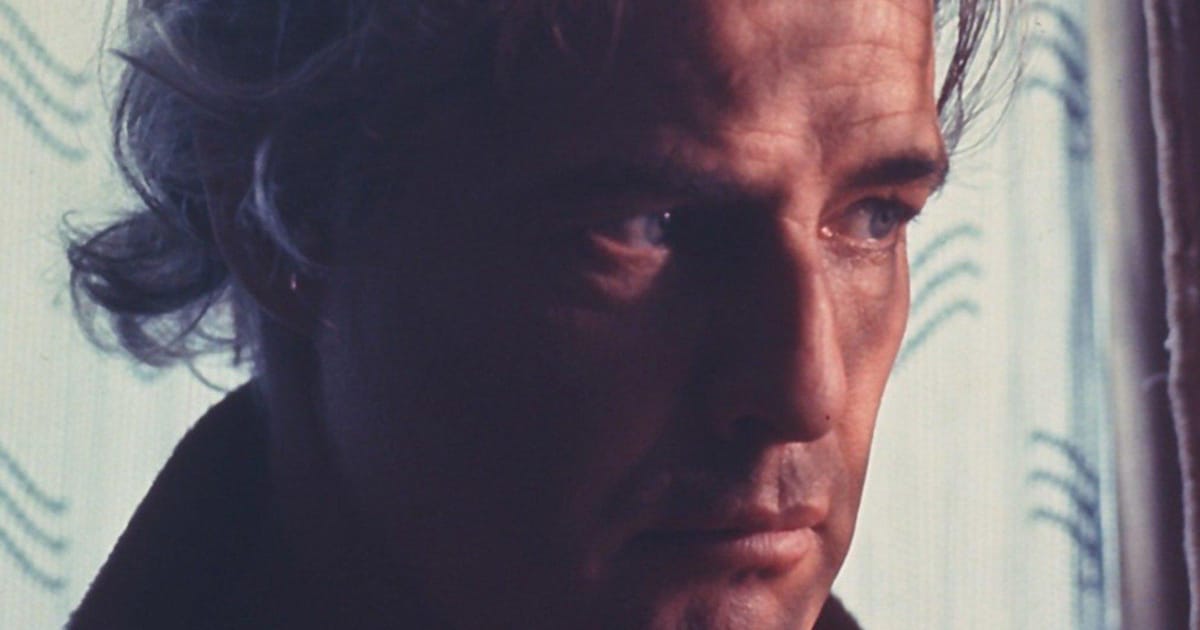
Vittorio Storaro’s cinematography gives the film its famous autumnal, shadowed look. The colors are warm but not comforting. The camera makes Paris feel beautiful and wounded at the same time. This is one major reason the movie still appears in discussions of 1970s art-house style.
Audience Opinions: Why Viewers Are So Divided
The Admirers
Admirers of Last Tango in Paris often describe it as brave, psychologically intense, and visually unforgettable. They praise its refusal to make grief tidy. Paul is not “sad in a handsome movie-star way.” He is angry, broken, manipulative, and sometimes pathetic. Jeanne is not a simple innocent; she is curious, conflicted, and eventually decisive. The movie’s power comes from watching two people try to erase identity, only to discover that identity has excellent Wi-Fi and keeps reconnecting.
Fans also point to the film’s historical role. In the early 1970s, mainstream cinema was shifting. Directors were challenging censorship rules, exploring adult themes, and creating films that looked nothing like polished studio products. Last Tango in Paris became a symbol of that moment.
The Critics
Viewers who dislike the film often criticize its imbalance of power, its bleakness, and its treatment of Jeanne. Some see the movie as more fascinated by Paul’s suffering than Jeanne’s inner life. Others argue that the film confuses emotional brutality with depth. This is a common issue with “serious” cinema: sometimes a movie puts on a long coat, stares out a window, and expects us to call it profound.
The biggest objection, however, is ethical. The production controversy has reshaped the way many people watch the film. It is no longer possible to discuss Last Tango in Paris responsibly without acknowledging Maria Schneider’s later comments about feeling humiliated and mistreated during the making of the film, as well as Bertolucci’s later admission that a key detail in the controversial scene was withheld from her to capture a more spontaneous reaction.
The Controversy and Its Impact on Rankings
The controversy surrounding Last Tango in Paris is central to its modern reputation. The film includes a scene depicting sexual violence, and decades later, discussion intensified after Bertolucci spoke publicly about how part of the scene was planned without fully informing Schneider beforehand. Schneider had already spoken about the emotional distress she felt during filming.
This has forced critics and audiences to reconsider the relationship between artistic achievement and ethical responsibility. Can a film be ranked highly if its creation involved mistreatment? Should rankings separate screen result from production history? Or is that separation too convenient, like pretending calories do not count if you eat cake while standing?
Modern opinion increasingly leans toward a more layered answer. Many critics still recognize the film’s formal importance, but fewer are willing to discuss it as a pure masterpiece without qualification. The movie may rank highly in film history, but its ethical shadow is permanent.
Ranking the Main Elements of Last Tango in Paris
Best Element: Acting
The performances remain the strongest part of the film. Brando’s work is raw and unpredictable, while Schneider’s performance deserves far more credit than it historically received. Together, they create an atmosphere that feels unstable from the first meeting.
Second Best Element: Cinematography
Storaro’s cinematography gives the film its haunted beauty. The orange-brown palette, shadowed rooms, and melancholy Paris streets create a visual language of emotional decay. It is gorgeous, but not cozy. Think “museum painting with a nervous breakdown.”
Third Best Element: Historical Importance
Last Tango in Paris helped define the conversation around adult art cinema in the 1970s. It challenged censorship, shocked audiences, and became a reference point for debates about film, sexuality, power, and artistic freedom.
Most Problematic Element: Ethics
The film’s production history remains its most serious problem. Modern rankings must place this issue near the center, not hide it in the footnotes like an embarrassing family recipe.
Most Overrated Element: The Myth of Shock
The movie’s scandal sometimes overshadows its quieter qualities. Ironically, the “shocking film” label can flatten a movie that is also about grief, performance, fantasy, and emotional emptiness. The controversy matters, but the movie is not only controversial because of what appears on screen; it is controversial because of how the screen result was achieved.
Where Does Last Tango in Paris Rank in Bernardo Bertolucci’s Career?
In Bertolucci’s filmography, Last Tango in Paris is usually ranked among his most famous works, alongside The Conformist, 1900, and The Last Emperor. Many critics place The Conformist above it because of its political sharpness, visual elegance, and tighter structure. The Last Emperor often ranks higher for accessibility and awards recognition.
Still, Last Tango in Paris may be Bertolucci’s most discussed film. It is the one that refuses to become merely historical. It keeps returning in debates about consent, authorship, actor safety, and whether cinema’s old “genius director” mythology needs to be packed into a box and left on the curb.
Where Does It Rank Among 1970s Art Films?
Among 1970s art films, Last Tango in Paris remains significant, but its ranking depends on the criteria. For performance intensity, it ranks very high. For visual style, it also earns a strong position. For ethical production, it falls sharply. For cultural impact, it is undeniably near the top.
Compared with films such as Taxi Driver, Cries and Whispers, McCabe & Mrs. Miller, The Discreet Charm of the Bourgeoisie, or A Woman Under the Influence, Bertolucci’s film feels less balanced but more explosive. It is not the cleanest masterpiece of the era. It is more like a cracked mirror: valuable, dangerous, and not something you want to handle carelessly.
Modern Opinion: Should You Watch Last Tango in Paris Today?
Whether someone should watch Last Tango in Paris depends on what they are looking for. If the goal is casual entertainment, there are friendlier ways to spend an evening. A documentary about paint drying might offer fewer emotional hazards. But if the goal is to understand film history, 1970s cinema, Marlon Brando’s late-career transformation, or the changing ethics of filmmaking, the movie remains important.
A responsible modern viewing should include context. Viewers should know about Schneider’s experience, Bertolucci’s later comments, and the broader discussion around consent on film sets. Watching the film without that context risks treating it as only an aesthetic object, when it is also a case study in power.
The best modern opinion may be this: Last Tango in Paris is a major film, but not an innocent one. It deserves study, not worship. It deserves criticism, not erasure. It deserves to be seen clearly, without the fog machine of old-fashioned auteur mythology.
Final Ranking Verdict
As a work of cinema, Last Tango in Paris ranks high for acting, atmosphere, visual design, and historical influence. As a cultural artifact, it ranks even higher because it reveals so much about the 1970s: artistic ambition, sexual politics, censorship battles, and the dangerous power given to celebrated male directors. As an ethical model, it ranks poorly, and that matters.
Overall, the fairest ranking is: an essential but deeply troubled classic. It is not a movie to recommend lightly, praise lazily, or dismiss without thought. It sits in film history like a grand old building with magnificent architecture and a room nobody wants to enter without talking about what happened there.
Personal Viewing Experiences and Reflections on Last Tango in Paris Rankings And Opinions
Watching Last Tango in Paris today feels very different from reading about its original reception. On paper, it sounds like a legendary art film: Marlon Brando, Bernardo Bertolucci, Paris, scandal, jazz, melancholy rooms, serious faces, and enough cigarette smoke to make the wallpaper file a complaint. But the actual viewing experience is more complicated than its reputation.
The first experience many viewers have is surprise at how quiet the film can be. For a movie famous for controversy, much of it is slow, interior, and emotionally heavy. The empty apartment scenes do not feel glamorous. They feel sealed off from ordinary life. That makes the film uncomfortable even before its most debated moments arrive. It is not a romance in the usual sense. It is a study of two people trying to escape themselves and discovering that the self is annoyingly persistent.
A second experience is noticing how powerful Brando is while also questioning the machinery built around that power. He dominates the screen, sometimes brilliantly. Yet modern viewers may feel the imbalance between him and Schneider more sharply than earlier audiences did. Brando was already a legend. Schneider was young and far less protected by fame, age, or industry power. That knowledge changes the emotional temperature of the film.
A third experience is realizing that rankings are not neutral. When someone ranks Last Tango in Paris as a masterpiece, what exactly are they ranking? The performance? The cinematography? The courage of the themes? The historical shock? Or are they ranking a myth that has been repeated for decades? Likewise, when someone rejects the film entirely, are they rejecting the artistry, the production ethics, or the old habit of excusing harm when the camera movement is elegant?
This is why the best opinion about Last Tango in Paris may be an uncomfortable one. The film can be artistically impressive and ethically damaged at the same time. These truths do not cancel each other out. They sit side by side, glaring like relatives at a holiday dinner.
For writers, critics, and movie lovers, the film is useful because it teaches caution. It reminds us not to confuse difficulty with greatness automatically. It also reminds us not to pretend that beauty makes harm irrelevant. A glowing shot, a legendary actor, and a famous director do not erase the responsibility owed to performers.
In that sense, the experience of watching Last Tango in Paris becomes less about deciding whether it is “good” or “bad” and more about learning how to think about movies honestly. The film asks viewers to hold conflicting ideas: admiration and anger, fascination and discomfort, history and accountability. That is not easy, but serious film criticism was never supposed to be a beanbag chair.
My overall experience-based opinion is that Last Tango in Paris should be approached as a major cultural document rather than simple entertainment. It is worth discussing in classrooms, essays, film clubs, and critical retrospectives. It is also worth challenging. The movie’s highest ranking is not as a perfect masterpiece, but as a film that forces better questions about art, power, consent, performance, and memory.
Conclusion
Last Tango in Paris remains one of the most controversial and heavily debated films of the 1970s. Its rankings are never simple because its strengths and flaws are both enormous. The acting is unforgettable. The cinematography is haunting. The direction is bold. The historical impact is massive. But the ethical concerns surrounding the production are impossible to separate from the way modern audiences understand the film.
The most honest opinion is not that Last Tango in Paris is merely a masterpiece or merely a scandal. It is both an important film and a troubling one. It belongs in cinema history, but not on a pedestal without context. Its real value today may be its ability to make viewers think harder about how movies are made, who gets protected, who gets exposed, and why rankings should include responsibility as well as artistry.