Kwashiorkor is one of those medical words that sounds like it should be the name of a storm, a superhero, or maybe a prog-rock band. Instead, it describes a serious form of malnutrition that can become life-threatening if it is missed. The condition is most often linked to severe protein deficiency, especially in young children, but the story is bigger than “not enough protein” alone. Kwashiorkor is tied to poverty, food insecurity, illness, infection, poor weaning diets, and sometimes even medical conditions or surgeries that interfere with nutrition.
What makes kwashiorkor especially tricky is that it can hide in plain sight. A child may look puffy rather than thin because fluid builds up in the tissues. That means the body can be profoundly undernourished while appearing oddly swollen at the same time. It is a medical illusion no one wants to fall for.
In this guide, we will break down what kwashiorkor is, what causes it, the symptoms that raise red flags, and how clinicians diagnose it. We will also look at what real-life cases can feel like for patients, parents, and healthcare teams, because this condition is not just a list of textbook bullet points. It is a diagnosis with very human consequences.
What Is Kwashiorkor?
Kwashiorkor is a severe form of protein-energy malnutrition, often described as edematous malnutrition. In simple English, that means the body is not getting the protein it needs to maintain normal growth, repair tissue, support immunity, and keep fluid in the right places. When the protein shortage becomes severe, fluid can leak into tissues and cause swelling, also called edema.
Historically, kwashiorkor has been associated with children who are weaned off breast milk and shifted to a diet that provides calories but very little high-quality protein. Think starch-heavy meals that fill the stomach but do not supply enough building blocks for the body. Rice, cassava, sweet potatoes, maize porridges, and other staples can keep calories coming while protein stays dangerously low.
That said, kwashiorkor is not limited to one country, one age group, or one stereotype. It is rare in the United States, but it can still occur, particularly in cases of severe neglect, extreme restrictive diets, chronic illness, malabsorption, alcohol misuse, advanced disease, or after certain bariatric procedures that interfere with nutrient absorption. In other words, kwashiorkor is uncommon in high-income settings, not impossible.
What Causes Kwashiorkor?
1. Severe protein deficiency
The headline cause is a diet that is too low in protein. Protein is not a trendy wellness buzzword here; it is essential. The body uses it to build muscles, enzymes, hormones, immune cells, blood proteins, and skin. Without enough protein, the system starts making ugly compromises.
2. Enough calories, but the wrong kind
One of the classic patterns behind kwashiorkor is getting calories mostly from carbohydrates while missing enough protein. That is why a child with kwashiorkor may not look dramatically starved at first glance. The body has fuel, but not the right raw materials.
3. Weaning and poor-quality replacement diets
Kwashiorkor often develops after a child is weaned from breast milk and switched to a diluted or low-protein diet. This is one reason the condition has historically been linked with the birth of a younger sibling: the older child is displaced from breastfeeding and moved onto foods that fill the belly but do not nourish growth.
4. Infection and inflammatory stress
Illness can act like gasoline on an already dangerous fire. Infections such as gastroenteritis, measles, or other inflammatory conditions can worsen nutritional stress, reduce appetite, increase metabolic demand, and accelerate the slide into kwashiorkor. A child who was barely hanging on nutritionally may tip into obvious disease after an infection.
5. Malabsorption and chronic disease
Sometimes the issue is not just what goes into the mouth, but what the body can actually absorb. Gastrointestinal disease, pancreatic insufficiency, chronic diarrhea, inflammatory bowel disease, severe liver disease, and other medical problems can contribute to protein-energy undernutrition. Adults with cancer, alcoholism, eating disorders, or advanced chronic illness can also develop severe protein deficiency.
6. Social and structural factors
Kwashiorkor does not appear out of thin air. It is strongly linked to food insecurity, poverty, limited access to healthcare, poor sanitation, repeated infections, low nutrition education, and unstable living conditions. Biology matters, but biology often rides in on the back of social hardship.
Who Is Most at Risk?
The highest-risk group is young children, especially those between infancy and early childhood, when protein needs are high and growth is rapid. Children living in areas affected by famine, drought, displacement, political instability, or poor dietary variety are particularly vulnerable.
Other at-risk groups include:
- Children recently weaned from breast milk
- Children with chronic diarrhea or repeated infections
- People with malabsorption disorders
- Older adults with poor dietary intake
- People with severe neglect or food restriction
- Adults after malabsorptive bariatric surgery
- Patients with chronic alcoholism or advanced illness
Basically, kwashiorkor shows up where protein needs are high, intake is poor, absorption is impaired, or all three decide to form a very bad alliance.
Kwashiorkor Symptoms: What Does It Look Like?
The symptom list matters because kwashiorkor can fool the eye. Swelling can hide muscle wasting. A large belly can distract from the fact that the rest of the body is running on empty.
Edema: the hallmark sign
The classic clue is bilateral pitting edema, usually beginning in the feet and lower legs. When you press the swollen area, it leaves a dent for a moment. This swelling can spread to the hands, face, and body. It is the feature that most strongly separates kwashiorkor from marasmus, which causes severe wasting without the same edema pattern.
Swollen belly
A distended abdomen is one of the most widely recognized signs. This can happen because of edema, weakened abdominal muscles, intestinal changes, and liver enlargement from fatty infiltration. In short, the “big belly” is not a sign of thriving. It is a warning light.
Muscle wasting and poor growth
Even if swelling makes a child look bigger, muscle mass often drops sharply. Children may fail to gain weight appropriately, stop growing as expected, or fall behind developmentally. Arms and legs may look thin under the puffiness.
Skin changes
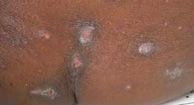
Kwashiorkor can cause flaky, peeling, darkened, lightened, cracked, or irritated skin. In severe cases, the skin may look fragile, shiny, or patchy, almost as though it has forgotten what its job is. Dermatologic changes are common enough that they are part of the classic clinical picture.
Hair changes
Hair may become thin, brittle, sparse, dry, or easier to pull out. It can lose pigment or turn lighter in streaks. Hair changes are one of those symptoms that look cosmetic at first but are actually waving a metabolic white flag.
Lethargy, irritability, and apathy
Children with kwashiorkor may seem unusually tired, irritable, withdrawn, or uninterested in eating or playing. Low energy, reduced interaction, and a flat affect can be important warning signs.
Frequent infections
Protein deficiency weakens immune function. As a result, infections may occur more often, hit harder, and last longer. A child who is constantly sick may not just be “unlucky.” Nutrition may be part of the picture.
Digestive symptoms
Diarrhea, poor appetite, vomiting, or trouble tolerating food may also appear. Unfortunately, these symptoms can both result from malnutrition and make the malnutrition worse, creating a miserable cycle.
Other possible signs
- Enlarged liver
- Anemia
- Weakness
- Low body temperature in severe cases
- Micronutrient deficiencies alongside protein deficiency
- Shock in late, critical illness
Kwashiorkor vs. Marasmus: Not the Same Thing
These two conditions are related but not identical. Marasmus is a severe deficiency of calories and protein, leading to obvious wasting, loss of fat, and a shrunken appearance. Kwashiorkor is more strongly associated with protein deficiency and edema. Some patients have features of both, a mixed pattern sometimes called marasmic kwashiorkor.
This difference matters because edema can make kwashiorkor easier to overlook. A severely undernourished child with swelling may not fit the image people expect when they hear the word “malnutrition.” The body does not always read the script.
How Is Kwashiorkor Diagnosed?
Diagnosis is mainly clinical, which means it starts with a careful history and physical exam. There is no magical single lab value that pops up and shouts, “Aha! Kwashiorkor!” Doctors piece the diagnosis together from what the child eats, how the child looks, how growth has changed, and what physical signs are present.
1. Medical and dietary history
Clinicians ask what foods are available, what the child has actually been eating, whether breastfeeding recently stopped, whether infections or diarrhea have occurred, and whether there are social or medical reasons for poor nutrition. The timeline matters. A recent shift from breast milk to mostly starchy foods can be a major clue.
2. Physical exam
The most important bedside finding is bilateral pitting edema. The clinician also checks for muscle wasting, skin lesions, hair changes, irritability, lethargy, abdominal distension, liver enlargement, dehydration, and signs of infection. Anthropometric measures, such as weight-for-height or mid-upper arm circumference, are also used to assess severe acute malnutrition.
3. Growth and nutrition assessment
Diagnosis is not just about how a patient looks on one day. Growth charts, weight trends, feeding patterns, developmental history, and a full nutrition assessment help show whether the body has been undernourished over time.
4. Laboratory tests
Labs are supportive, not the whole story. They may include:
- Serum albumin and total protein
- Complete blood count for anemia or infection clues
- Electrolytes
- Kidney and liver function tests
- Blood glucose
- Urinalysis
- Micronutrient evaluation when appropriate
Low albumin is common and helps explain the edema, but it is not perfectly specific. Albumin can also fall in inflammation, liver disease, kidney disease, and other serious conditions. That is why clinicians use labs as part of the puzzle, not as the entire puzzle box.
5. Ruling out other causes of edema
This is a big one. Not every swollen child has kwashiorkor. Doctors may need to consider nephrotic syndrome, liver disease, heart failure, severe anemia, kidney problems, or other causes of low protein and swelling. Good diagnosis means not only recognizing kwashiorkor, but also making sure it is not an imitator wearing the same puffy costume.
Why Early Diagnosis Matters
Kwashiorkor is not just “a little low on protein.” Left untreated, it can lead to severe infection, shock, impaired growth, developmental problems, organ dysfunction, and death. The longer it goes on, the harder full recovery can be.
Early recognition improves the odds dramatically. Treatment usually involves carefully managed nutritional rehabilitation, treatment of dehydration and infection, correction of electrolyte and micronutrient problems, and close monitoring. Refeeding must be done thoughtfully because the body in severe malnutrition is fragile. It is not a “just give a giant steak and hope for the best” situation.
What Real-Life Experiences With Kwashiorkor Often Look Like
Textbooks like to organize diseases into neat boxes. Real life does not. In practice, kwashiorkor is often first noticed not by a specialist with a clipboard, but by a parent, grandparent, community health worker, or teacher who senses that something is off. Maybe a child’s feet look swollen. Maybe the belly seems too round while the arms look thin. Maybe the child has stopped playing, stopped growing, or started getting sick over and over again. The early experience is often confusion rather than certainty.
For caregivers, one of the most frustrating parts is that the condition can look contradictory. A child may seem puffy, which can be mistaken for “well-fed,” while other signs point in the opposite direction. Some families describe feeling dismissed at first because the child does not match the usual image of starvation. Others report that they only realized the seriousness when swelling spread, skin changed, or the child became deeply tired and apathetic.
In low-resource settings, the experience can be even more complicated. Food may be available, but it is repetitive and low in protein. A caregiver may be doing everything possible with what is on hand and still be unable to meet a child’s nutritional needs. That is an important truth: kwashiorkor is not always the result of ignorance or neglect. Sometimes it is the visible face of poverty, displacement, drought, or illness in a household already under tremendous strain.
Clinicians who see kwashiorkor often talk about how striking the exam can be. The edema gets attention first, but then the rest of the story starts to appear: sparse hair, flaky skin, a child who barely resists examination because energy is gone, a history of recent diarrhea, or a diet built almost entirely around starches. In some cases, the diagnosis becomes clearer only after carefully ruling out kidney or liver disease. The challenge is not just identifying malnutrition, but identifying the type of malnutrition and its drivers.
There are also adult experiences with kwashiorkor-like severe protein deficiency, although they are much rarer. Adults may develop it after bariatric surgery, advanced gastrointestinal disease, alcoholism, cancer, or extreme dietary restriction. Their stories are different, but the pattern is familiar: swelling, weakness, low protein levels, poor healing, and a body that cannot keep up with normal demands. These cases can be especially surprising because severe protein malnutrition is not what most people expect in a modern hospital or suburban clinic.
Recovery experiences vary. Some children improve dramatically once the condition is recognized and treated properly. Edema can decrease, energy can return, and appetite can slowly come back. But recovery is not always instant or complete. If the malnutrition was prolonged, growth and developmental gaps may remain. Families often need ongoing support, not just emergency feeding. That may include follow-up visits, nutrition education, infection prevention, food access support, and monitoring for relapse.
Perhaps the most important lived lesson is this: kwashiorkor is not simply about food quantity. It is about food quality, disease burden, timing, vulnerability, and context. The human experience of the condition is often a mix of fear, misunderstanding, delayed recognition, and relief when someone finally names what is happening. A diagnosis does not solve everything, but it turns chaos into a plan, and that is no small thing.
Conclusion
Kwashiorkor is a severe, often overlooked form of malnutrition marked by protein deficiency, edema, growth failure, and a long list of body systems begging for help. It usually appears in children after poor-quality weaning diets, food insecurity, or infection, but it can also develop in adults under certain medical conditions. The symptoms can be dramatic, yet misleading, because swelling may hide how undernourished the body really is.
The key to diagnosis is not one lab test or one dramatic photograph. It is clinical judgment: a careful dietary history, recognition of bilateral pitting edema, assessment of growth and body composition, and evaluation for other causes of swelling. Early diagnosis matters because delayed treatment raises the risk of infection, organ problems, developmental harm, and death. In short, kwashiorkor is serious, but it is also diagnosable, treatable, and absolutely worth catching early.