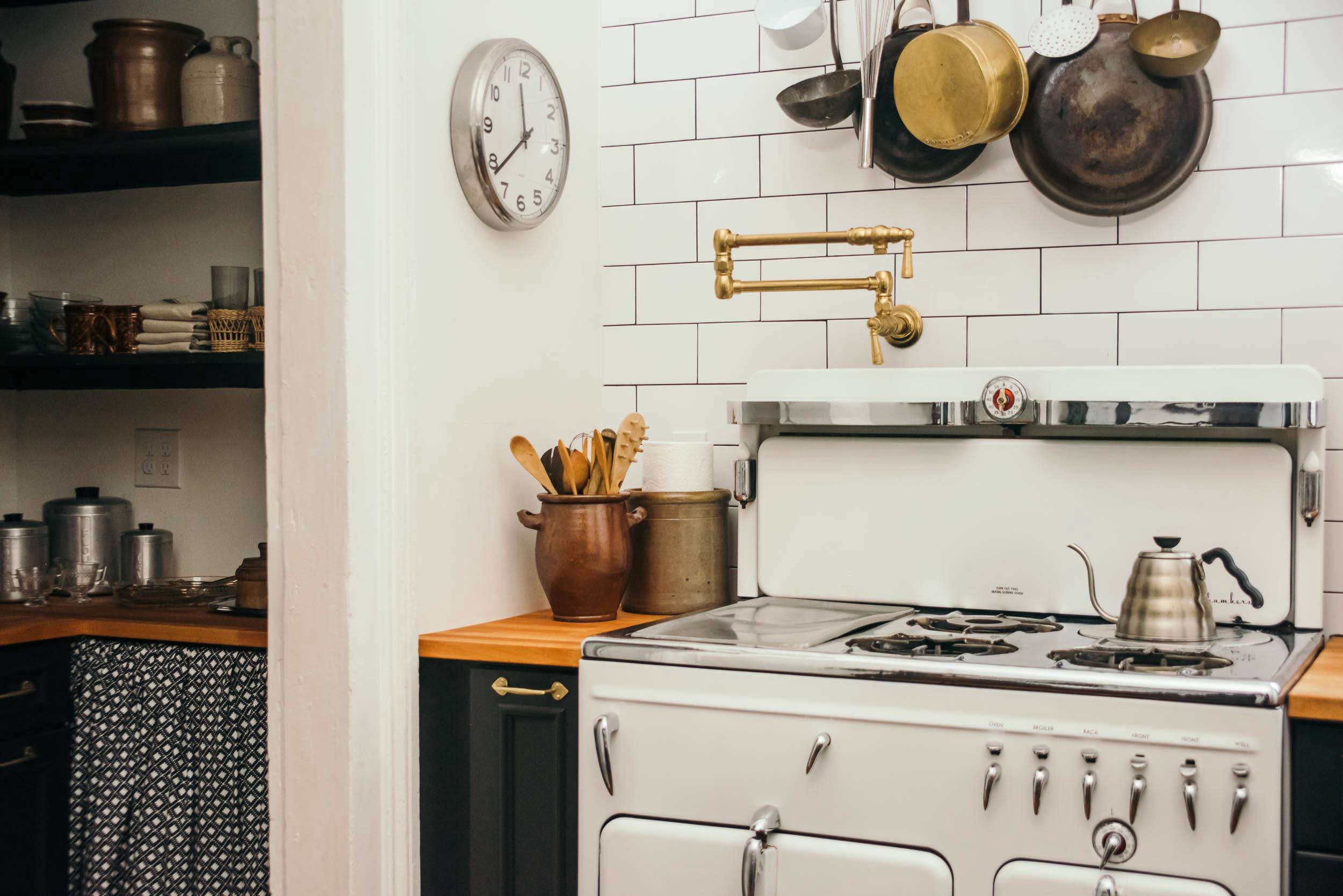
A Jacobean Wall Mount Pot Filler is one of those kitchen upgrades that makes guests say, “Oh, fancy,” while secretly wondering why their spaghetti night still involves carrying a sloshing pot from the sink like a medieval water carrier. Mounted above the range or cooktop, this traditional-style pot filler brings water directly to the cooking zone, saving steps, reducing strain, and giving the backsplash a handsome, custom-built focal point.
But a pot filler is not just a shiny kitchen necklace. It is a real plumbing fixture with practical advantages, design considerations, installation requirements, and a few “please think this through before drilling into tile” warnings. The Jacobean style, especially as seen in premium brass fixtures, leans into old-world elegance: sweeping lines, tapered lever handles, detailed banding, and a graceful profile that feels equally at home in a classic white kitchen, a moody English-inspired cooking space, or a transitional remodel with modern appliances and traditional soul.
What Is a Jacobean Wall Mount Pot Filler?
A wall mount pot filler is a secondary faucet installed on the wall above a stove, range, or cooktop. Instead of filling a large stockpot at the sink and hauling it across the kitchen, you place the pot on the burner, swing the faucet arm into position, and fill it right there. The Jacobean version adds a traditional design language: refined curves, lever handles, decorative detailing, and a substantial presence that looks intentional rather than trendy.
Most wall-mounted pot fillers use an articulated or double-jointed arm. That means the spout can extend outward to reach different burners, then fold flat against the backsplash when not in use. In a busy kitchen, that folding motion matters. Nobody wants a faucet arm sticking out over a hot skillet like it is auditioning for a slapstick comedy.
Why Home Cooks Love Pot Fillers
The first benefit is obvious: convenience. Water is heavy. One gallon weighs a little over eight pounds, and a large stockpot can quickly become a bicep workout you did not sign up for. A pot filler reduces the need to carry heavy water-filled cookware from sink to stove, which is especially helpful when making pasta, soup, seafood boils, broth, canning recipes, or big family meals.
The second benefit is workflow. If someone is washing vegetables or rinsing dishes at the main sink, the cook can still fill a pot at the range. That extra water source can make a kitchen feel smoother and less crowded, particularly during holidays when everyone is suddenly “helping” and the sink becomes a traffic jam with parsley.
The third benefit is design impact. A Jacobean wall mount pot filler adds a custom, high-end feel. It visually anchors the range area and can coordinate beautifully with bridge faucets, cabinet hardware, range knobs, lighting, and other metal finishes. In kitchens where the range wall is the star, a pot filler is often the small detail that makes the whole composition look finished.
Key Features of a Jacobean Wall Mount Pot Filler
Traditional Lever Handles
Jacobean-inspired fixtures typically feature long, tapered lever handles. These are attractive, but they are also practical because they are easy to turn. Many premium pot fillers include two handles: one near the wall inlet and another near the spout. This dual-control design provides an added layer of shutoff protection, which is important because a pot filler sits above a stove rather than above a sink drain.
Double-Pivot Spout
The double-pivot arm is what gives a pot filler its reach. A quality wall mount pot filler should be able to swing over the front and back burners, then tuck neatly away. Before choosing one, measure the range width and compare it with the faucet’s reach. A pot filler that cannot reach your favorite burner is like a ladder that stops one rung too soon: technically useful, emotionally annoying.
Solid Brass Construction
Premium pot fillers are often made with solid brass construction. Brass is valued in plumbing fixtures because it is durable, substantial, and suitable for long-term use when properly manufactured and finished. A brass pot filler also gives the fixture a satisfying weight and helps it feel like a permanent architectural detail rather than a decorative afterthought.
Ceramic Disc Valves
Many higher-quality pot fillers use quarter-turn ceramic disc valve cartridges. Ceramic disc valves are popular because they provide smooth operation and help reduce dripping when compared with older compression-style designs. In plain English: fewer annoying drips, fewer midnight “is that the faucet?” moments.
Aerated Flow
An aerated stream mixes air with water to create a smoother, more controlled flow. For filling pots, this helps reduce splashing. That matters because the fixture is installed near burners, backsplashes, and sometimes expensive ranges that do not appreciate surprise showers.
Best Kitchen Styles for a Jacobean Pot Filler
The Jacobean style is especially strong in traditional, transitional, vintage-inspired, and European farmhouse kitchens. It pairs well with marble backsplashes, handmade tile, plaster range hoods, wood cabinetry, unlacquered brass hardware, polished nickel accents, and classic gas ranges. It can also soften a modern kitchen by introducing a warm historical detail.
In a white kitchen, a Jacobean pot filler in polished nickel or chrome feels crisp and timeless. In a dark green, navy, walnut, or charcoal kitchen, aged brass or antique brass can add warmth and depth. In a black-and-white kitchen, flat black creates a graphic, tailored look. For an old-world kitchen, bronze or living brass finishes can develop character over time, much like a cast iron skillet or a favorite cookbook with sauce on page 47.
Choosing the Right Finish
Finish selection is more than picking the prettiest metal sample under showroom lighting. A pot filler sits above the stove, which means it faces steam, grease, heat, splatter, and frequent wiping. Polished chrome is bright, durable, and easy to coordinate. Polished nickel feels warmer and more traditional. Satin nickel is softer and practical for everyday kitchens. Brass finishes add richness, while bronze finishes create a darker heritage look.
PVD finishes are often chosen for durability because they are engineered to resist wear better than some traditional plated finishes. Living finishes, such as uncoated brass, are different: they are meant to patina naturally. That can be beautiful if you like authentic aging, but it is not ideal if you expect every inch to remain showroom-perfect forever. A living finish is charming; it is also honest. It will not pretend your kitchen is a museum where nobody makes tomato sauce.
Installation Planning: Measure Before You Fall in Love
Before installing a Jacobean Wall Mount Pot Filler, measure the space carefully. The most important dimensions are the distance from the cooktop to the mounting point, the height of your tallest pot, the width of the range, the reach of the faucet arm, and the clearance below the range hood or upper cabinetry.
A common approach is to place the spout high enough to clear your tallest stockpot by at least a few inches while keeping the handles easy to reach. Many designers recommend testing placement with the actual cookware you use most often. Put your tallest pot on the burner, hold a tape measure above it, and imagine filling it without splashing. This simple step can prevent very expensive backsplash regret.
Horizontal placement also matters. Centering the pot filler over the range creates visual symmetry, but practical placement may depend on which burners you use most often. Some cooks prefer it slightly offset so the arm reaches the largest burner comfortably. The goal is simple: the faucet should serve the way you cook, not merely pose for photos.
Plumbing Considerations
A wall mount pot filler typically requires a dedicated cold water line behind the range wall. If you are already remodeling and the walls are open, adding the line may be relatively straightforward. If your backsplash, drywall, tile, or stone is already finished, installation can become more complicated and expensive.
Because a pot filler is installed above a range without a sink basin below it, leak prevention is crucial. Choose a well-made fixture, use a licensed plumber, and make sure shutoff access is planned properly. Dual shutoff valves are helpful because both the wall-side handle and the spout-side handle can be turned off after use. The habit should be simple: fill the pot, shut off the spout, shut off the wall valve, and then proceed with dinner like a responsible adult who owns nice things.
Pros and Cons of a Jacobean Wall Mount Pot Filler
Pros
A Jacobean Wall Mount Pot Filler saves effort, especially when filling heavy stockpots. It reduces spills between the sink and stove. It adds a second water source for busy cooking sessions. It improves the range wall visually and can make the kitchen feel more custom. It is particularly useful for people who cook pasta, soups, stews, stocks, canning recipes, and large family meals.
Cons
A pot filler adds cost because it requires both the fixture and plumbing work. It does not help you drain the pot; you still need to carry hot water back to the sink unless you are ladling, simmering, or reducing the liquid. It also requires cleaning because anything installed near a stove will meet grease eventually. Finally, because there is no drain below it, any leak must be taken seriously.
Who Should Buy One?
A Jacobean Wall Mount Pot Filler makes the most sense for homeowners who cook often, use large pots, have a sink that is not immediately next to the range, or want a traditional luxury detail as part of a larger kitchen design. It is also a smart fit when renovating down to the studs because the plumbing can be planned before the backsplash goes in.
It may not be worth the cost in a very small kitchen where the sink is only one step away from the stove. It may also be unnecessary for people who rarely cook with large quantities of water. A pot filler is not a personality requirement. You can be an excellent cook without one. But if your kitchen routine includes big pots and frequent cooking, it can feel like a tiny daily luxury that quietly earns its keep.
Maintenance Tips
Keep the pot filler clean with mild soap, warm water, and a soft cloth. Avoid abrasive pads, harsh cleaners, bleach, ammonia, and anything that sounds like it belongs in a garage rather than on a premium faucet. Grease can collect around joints and handles, so wipe the fixture regularly rather than waiting until it looks like it survived a fried chicken festival.
After each use, fold the arm back gently and turn off both handles if the model includes dual controls. Check occasionally for drips at the spout, joints, and wall connection. If you notice moisture, address it quickly. Small plumbing problems rarely become smaller because everyone ignored them politely.
Design Example: Classic Range Wall
Imagine a 48-inch range centered below a custom plaster hood. The backsplash is creamy handmade tile with slight texture. Cabinetry is warm white, the island is stained walnut, and the hardware is aged brass. A Jacobean pot filler in a warm brass finish sits above the center burners. Its traditional lever handles echo the cabinet pulls, while the arched form adds movement to the backsplash. The result feels collected, not copied.
Now picture the same fixture in polished nickel against marble slab. The look becomes cleaner, brighter, and slightly more formal. Swap it for flat black over white subway tile, and the design turns crisp and architectural. That flexibility is one reason traditional pot fillers remain popular: they can whisper, sparkle, or make a statement depending on the finish.
Real-Life Experience: What It Is Like to Use a Jacobean Wall Mount Pot Filler
The first thing people notice after installing a wall mount pot filler is not usually the design. It is the missing chore. Filling a large pot at the stove feels almost suspiciously easy, like discovering your laundry machine also folds towels. For pasta night, you place the pot on the burner, swing the arm out, turn the handle, and let the water run. No awkward lift. No wet trail across the floor. No pretending that carrying five gallons of water is “functional fitness.”
In daily use, the Jacobean style adds a certain pleasure because the handles feel deliberate and old-world. Lever handles are easy to operate even when hands are lightly damp, and the double-jointed arm makes the movement feel graceful. A well-made pot filler does not wobble dramatically or feel flimsy. It should swing smoothly, stop where you place it, and fold back against the wall like it belongs there.
One practical habit develops quickly: you start using the pot filler for more than pasta. It becomes useful for filling a tea kettle, adding water to a simmering stew, topping off a stockpot, soaking beans, preparing oatmeal, filling a Dutch oven, or adding liquid to a braise without walking away from the stove. If the sink is across the island or around a corner, the convenience becomes even more obvious.
There are also small lessons. You learn not to turn the water on full blast into a shallow pan unless you enjoy backsplash confetti. You learn to position the spout fully over the pot before opening the valve. You learn to shut off both handles because peace of mind is cheaper than appliance repair. And you learn that the fixture needs a quick wipe more often than the main sink faucet because the stove area is a hardworking neighborhood.
Cleaning depends heavily on finish. Chrome and many nickel finishes are straightforward with a soft cloth. Brass and bronze finishes can show personality over time, especially if they are living finishes. Some homeowners love that evolving patina; others prefer finishes designed to stay more consistent. The best choice depends on whether you want your faucet to age like a leather journal or stay polished like a hotel lobby.
The biggest emotional benefit is that a pot filler makes the cooking zone feel complete. When guests see it, they often ask about it. When you use it, you may wonder why such a simple idea feels so satisfying. It does not cook the pasta, season the soup, or rescue overbaked chicken. Sadly, it is not magic. But it removes one annoying step from the process, and good kitchen design is often about removing small annoyances before they gang up on dinner.
The Jacobean Wall Mount Pot Filler is best appreciated by people who value both function and character. It is practical, yes, but it also brings charm. It looks like something chosen with care, not something grabbed at the last minute because the contractor needed an answer by Friday. In the right kitchen, it becomes part tool, part jewelry, and part quiet daily luxury.
Conclusion
A Jacobean Wall Mount Pot Filler is a beautiful and functional upgrade for kitchens where cooking is more than reheating leftovers in heroic silence. It offers convenient stove-side filling, reduces the strain of carrying heavy pots, and adds a refined traditional detail to the range wall. The best results come from careful planning: choose the right finish, confirm the reach, measure the height with real cookware, hire qualified plumbing help, and build good shutoff habits.
It is not essential for every kitchen, and it is not the cheapest upgrade on the wish list. However, for frequent home cooks and design lovers, it can be one of those features that feels indulgent at first and completely normal after a week. Once you stop carrying heavy water across the kitchen, going back feels a little like canceling indoor plumbing for “simplicity.”
Note: This article is written as original, publish-ready content based on current product specifications, kitchen design guidance, and common plumbing best practices.