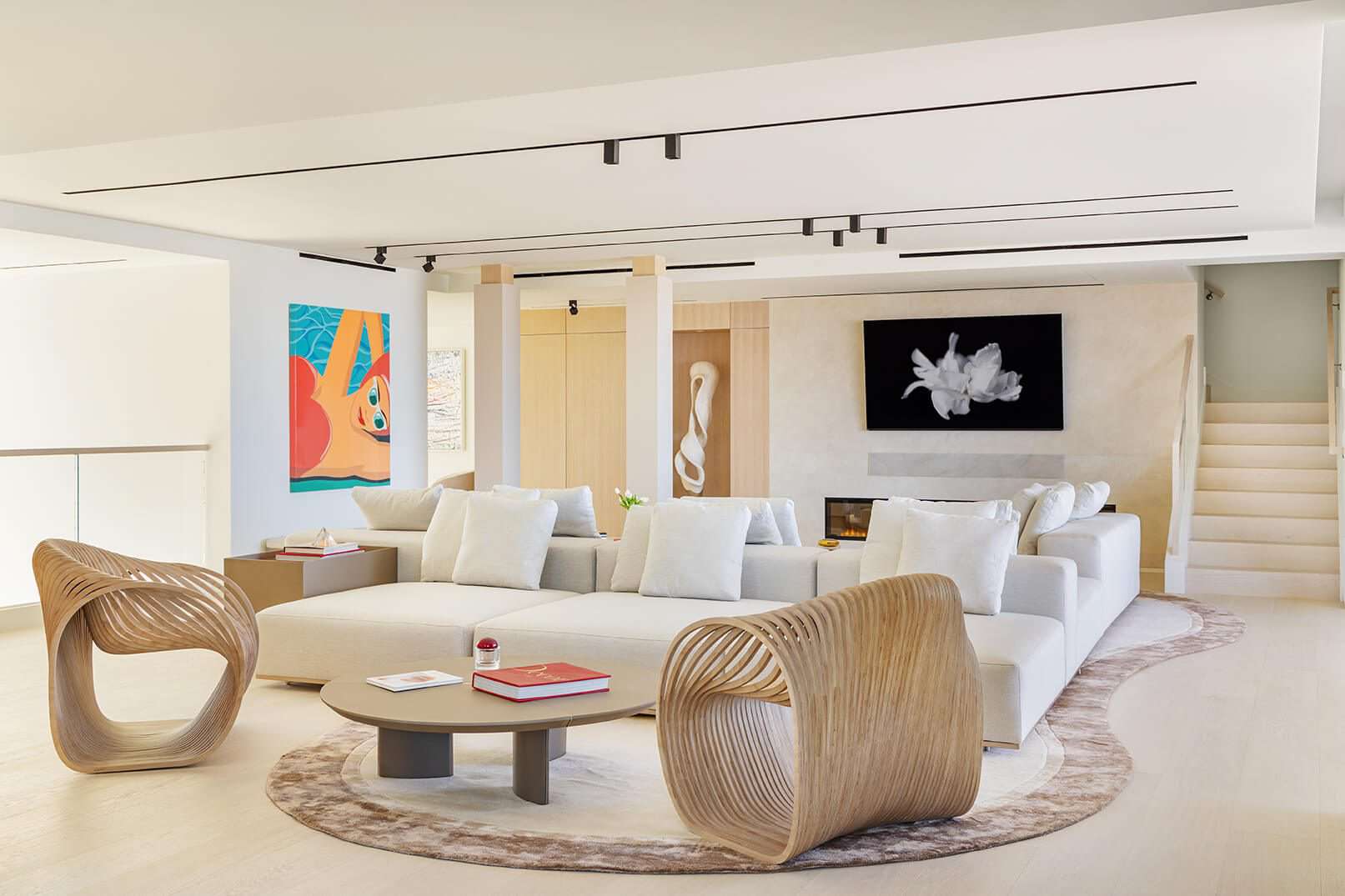
For years, minimalism ruled the design world with a very firm, very beige fist. White walls, hidden storage, invisible personality, one lonely ceramic vase on a table large enough to host Thanksgiving dinnerthat was the look. It promised calm, order, and the sweet fantasy that no one in the house owned charging cables, mail, dog toys, or emotional baggage.
But in 2025, the conversation around minimalist interior design has changed. Minimalism is not exactly “out,” but the cold, empty, showroom-style version is definitely being shown the door. Designers, homeowners, and trend forecasters are moving toward warmer, richer, more personal spaces. The new direction keeps the best parts of minimalismclarity, intention, breathing room, and quality over clutterbut adds texture, color, curves, vintage pieces, natural materials, and objects that actually mean something.
So, is minimalism finally out in 2025? Not quite. It has been upgraded. Think of it less as a breakup and more as a dramatic haircut, a better wardrobe, and a sudden interest in handmade pottery.
Minimalism in 2025: Not Dead, Just Less Sterile
The biggest shift in 2025 is away from stark minimalism. The old formula often looked impressive in photos but difficult to live in: too much white, too many sharp lines, too little softness, and a suspicious lack of books. Today’s homeowners want spaces that feel calm without feeling empty. They still want order, but they also want warmth. They want less visual noise, but not less humanity.
This is why terms like warm minimalism, soft minimalism, quiet luxury, organic modern design, and even minimalist maximalism are popping up everywhere. These styles share a common idea: a home can be simple without being soulless. A room can feel edited and still have color. A shelf can hold more than one object and somehow society will survive.
In practical terms, minimalism in 2025 is less about removing everything and more about choosing better things. Instead of a bare white living room, imagine a warm neutral sofa, a walnut coffee table, a textured wool rug, sculptural lighting, linen curtains, and one large piece of art that tells a story. The space is still uncluttered, but it no longer feels like someone is about to whisper, “Please don’t touch anything.”
Why the Old Minimalist Look Is Losing Power
Design trends rarely disappear for no reason. The move away from cold minimalism reflects how people actually live now. Homes are no longer just places to sleep after work. They are offices, gyms, entertainment zones, creative studios, family hubs, and emotional recovery centers after reading the news for five minutes.
The ultra-minimalist look, with its empty surfaces and museum-like restraint, often struggles to support that kind of real life. It can feel too rigid, especially for families, renters, collectors, pet owners, and anyone who has ever purchased a throw blanket because it “felt like a hug.” In 2025, design is becoming more forgiving. The focus is shifting from perfection to comfort, from blankness to personality, and from trend-chasing to longevity.
Another reason minimalism is evolving is sustainability. Instead of buying disposable decor to match a seasonal aesthetic, people are choosing vintage furniture, inherited objects, artisan pieces, and natural materials with patina. A scratched wood table, a faded rug, or a slightly imperfect handmade bowl can bring more character than a cart full of identical “minimalist” accessories.
The Rise of Warm Minimalism
Warm minimalism is the easiest way to understand the 2025 upgrade. It keeps rooms open, organized, and breathable, but replaces the coldness with natural textures, earthy colors, and softer shapes. The result is calm, but not clinical.
Color Gets Creamier, Deeper, and More Delicious
One of the clearest signs of the minimalist upgrade is the 2025 color story. Instead of icy white and flat gray, designers are leaning into shades that feel grounded and comforting: mocha brown, cinnamon, clay, olive, mushroom, deep burgundy, muted blue, soft sage, warm cream, and terracotta. These colors still work beautifully in minimalist rooms because they are not chaotic. They create depth without screaming for attention.
Warm browns are especially important. Pantone’s 2025 Color of the Year, Mocha Mousse, reflects the broader appetite for cozy, earthy sophistication. Benjamin Moore’s Cinnamon Slate also fits this mood with its mix of plum and brown. Sherwin-Williams introduced a 2025 Color Capsule rather than a single shade, signaling that people want flexible palettes instead of one-size-fits-all minimalism. Translation: beige grew up, got interesting, and started ordering espresso.
Texture Replaces Clutter
The new minimalism does not need fifty objects to feel interesting. Instead, it relies on texture. A room with linen, plaster, travertine, oak, boucle, wool, leather, ceramic, rattan, and brushed metal can feel layered even if the layout remains simple.
This is a major difference between old minimalism and upgraded minimalism. The old version often reduced both clutter and sensory richness. The new version reduces clutter but increases tactile detail. You can keep a clean coffee table, but make the rug thick, the curtains soft, the chair curved, and the lamp sculptural. Suddenly, the room has personality without becoming a yard sale with a mortgage.
Maximalism Is Back, But It Is Not Replacing Minimalism
At the same time, maximalism is enjoying a strong comeback in 2025. Bold wallpaper, patterned upholstery, skirted furniture, animal prints, vintage finds, gallery walls, dramatic colors, and statement lighting are all having a moment. But that does not mean everyone is abandoning minimalism and moving into a jewel-toned Victorian fever dream.
The more accurate trend is balance. Many homeowners are borrowing maximalist toolscolor, pattern, story, and contrastwhile keeping minimalist discipline. This is where minimalist maximalism comes in. It might mean one dramatic marble table in an otherwise quiet dining room. Or a bold striped rug paired with clean-lined furniture. Or a powder room wrapped in wallpaper while the rest of the home stays calm and neutral.
The goal is not more stuff. The goal is more feeling. In 2025, a home should not look like it was assembled by an algorithm called “Neutral Room 7.” It should look like someone lives there, loves there, burns toast there, and has at least one opinion about lamps.
Curves, Soft Edges, and Human-Friendly Furniture
Another reason minimalist design feels different in 2025 is the move toward softer shapes. Angular minimalismwith its hard edges, squared-off sofas, and furniture that looked slightly offended by comfortis giving way to curves. Rounded sofas, arched doorways, oval tables, curved chairs, circular mirrors, and organic silhouettes make minimalist spaces feel more welcoming.
This trend works especially well because curves add visual interest without adding clutter. A curved sofa can be the statement. An arched cabinet can be the decoration. A round dining table can soften a boxy room. The design remains clean, but the mood becomes warmer and more human.
Curves also pair beautifully with natural materials. A rounded oak coffee table, a stone lamp base, or a soft-edge upholstered chair can make a minimalist room feel intentional rather than empty. It is the design equivalent of speaking in a calm voice instead of shouting “I own three objects!”
Natural Materials Are Doing the Heavy Lifting
Wood, stone, clay, limewash, plaster, wool, linen, and leather are central to the 2025 minimalist upgrade. These materials bring depth, durability, and a sense of place. They also age better than glossy, disposable finishes.
In kitchens, this might look like warm wood cabinetry, stone countertops with visible movement, handmade tile, and unlacquered brass hardware that develops patina. In living rooms, it might mean a solid wood media console, a jute or wool rug, linen slipcovers, and ceramic lighting. In bedrooms, it could be layered bedding, a textured wall finish, and a vintage nightstand that has clearly lived a little.
The important thing is that natural materials make minimalism feel less flat. They create quiet complexity. A plain white room can feel unfinished, but a warm white room with oak floors, woven shades, a plaster wall, and a linen headboard feels restful and complete.
Personal Objects Are No Longer the Enemy
Perhaps the most refreshing part of 2025 design is the return of personal meaning. Minimalism used to make many people feel guilty for owning sentimental objects. Family photos? Hide them. Travel souvenirs? Too busy. Books? Only if the covers match. That kind of thinking created pretty rooms but emotionally thin ones.
Now, designers are encouraging homeowners to display fewer but better personal pieces. A handmade bowl from a trip, your grandmother’s chair, a framed concert poster, a stack of favorite books, or a small collection of ceramics can add soul without overwhelming the space. The key is editing, not erasing.
This is where the upgraded version of minimalism feels most livable. It gives you permission to keep what matters. Instead of asking, “How little can I own?” the better question is, “What deserves space in my home?” That shift changes everything.
How to Upgrade a Minimalist Home in 2025
If your home currently leans minimalist and you are worried it feels a bit too cold, you do not need a full renovation. You need strategic warmth. Start with the areas that affect comfort first: lighting, textiles, color, and materials.
1. Swap Cool Whites for Warm Neutrals
Try cream, oatmeal, mushroom, sand, clay, soft taupe, or warm gray instead of stark white. These tones still feel clean, but they are kinder to skin tones, wood furniture, and evening light.
2. Layer Lighting Like a Designer
One ceiling light is not a lighting plan; it is an interrogation room with rent. Use floor lamps, table lamps, sconces, picture lights, and dimmers to create atmosphere. Warm bulbs can instantly make a minimalist space feel more inviting.
3. Add One Vintage or Handmade Piece
A vintage chair, handmade ceramic vase, antique mirror, or reclaimed wood bench can interrupt the “straight from the catalog” feeling. The goal is not clutter. The goal is character.
4. Use Pattern in Controlled Doses
Minimalists can use pattern without panic. Try a striped pillow, a patterned rug, a textured wallpaper in a small powder room, or patterned curtains in an otherwise calm bedroom. Let one pattern lead, then keep the surrounding pieces quieter.
5. Let Storage Stay Beautiful and Practical
Good storage is still essential. Closed cabinets, built-ins, baskets, benches with hidden compartments, and well-designed shelving keep daily life from taking over. The difference in 2025 is that storage can be warm, tactile, and beautiful, not just invisible.
Room-by-Room Examples of the New Minimalism
The Living Room
A 2025 minimalist living room might include a curved cream sofa, a walnut coffee table, a textured rug, a single oversized artwork, linen curtains, and two sculptural lamps. The palette stays calm, but the room feels layered. Add a few books and one meaningful object, and suddenly the space looks designed by a human instead of a very stylish robot.
The Kitchen
Minimalist kitchens are getting warmer through wood cabinets, stone counters, handmade tile, mixed metals, and softer color palettes. Flat-front cabinetry still works, but it feels more current when paired with natural grain, warm hardware, and lighting that flatters the space. A minimalist kitchen in 2025 can be clean without looking like a laboratory for expensive lemons.
The Bedroom
The upgraded minimalist bedroom is all about rest. Think layered bedding, a soft headboard, warm wall color, wood nightstands, dimmable lighting, and maybe one piece of quiet art. Keep surfaces mostly clear, but do not make the room so bare that it echoes when you blink.
The Bathroom
Bathrooms are moving toward spa-like warmth: stone sinks, zellige-style tile, plaster finishes, wood vanities, soft lighting, and muted colors. Minimalism still works beautifully here because bathrooms benefit from order. The upgrade is making them feel soothing rather than surgical.
What This Means for Homeowners, Renters, and Decor Lovers
The best news is that the 2025 minimalist upgrade is flexible. Homeowners can invest in permanent materials like wood, stone, tile, and architectural lighting. Renters can use warmer textiles, plug-in sconces, peel-and-stick wallpaper, vintage furniture, large art, and better curtains. Decor lovers can experiment with color and pattern while keeping the overall room edited.
You do not need to choose between minimalism and maximalism like they are rival sports teams. You can have a calm room with one bold chair. You can have open space and family photos. You can love clean lines and still own a floral pillow. Design in 2025 is less about obeying a label and more about building a home that supports your actual life.
Experience-Based Reflections: Living With the New Minimalism
The easiest way to understand the upgraded minimalism of 2025 is to imagine walking into two rooms. The first is old-school minimalism: white sofa, white walls, glass table, no visible cords, no art that might accidentally reveal a personality. It looks expensive, but you immediately wonder where to sit, where to put your coffee, and whether breathing too enthusiastically will violate the design concept.
The second room is still minimalist, but warmer. There is space to move. The furniture is simple. Nothing feels crowded. But the sofa is soft and slightly curved. The rug has texture under your feet. The side table is wood, not something that looks assembled by a spaceship. A lamp glows in the corner. There is a painting on the wall, a stack of books on the table, and a ceramic bowl that looks handmade because it is. This room does not shout. It exhales.
That is the real-world difference. Upgraded minimalism feels livable. It works on a Monday morning when backpacks, keys, and coffee mugs appear out of nowhere. It works on a Friday night when friends come over and someone inevitably sets a drink where no drink should go. It works in homes with children, pets, hobbies, and imperfect humans who sometimes buy too many candles because “this one smells like a cabin with emotional intelligence.”
One practical experience many people have when warming up a minimalist home is that the smallest changes make the biggest emotional difference. Replacing a cool bulb with a warm one can transform a room faster than a new sofa. Adding curtains can soften echoes and make windows feel finished. Swapping a thin rug for a thicker wool or jute rug changes how the room feels underfoot. Bringing in one old piecea vintage stool, a family mirror, a secondhand tablecan make a new room feel rooted.
Another lesson is that editing still matters. The upgraded minimalist home is not an excuse to keep every object that ever made eye contact with you at a flea market. The magic comes from contrast: open space plus meaningful detail, clean lines plus rich texture, calm colors plus one surprise. A room can hold memories without becoming a storage unit with throw pillows.
For anyone nervous about moving away from strict minimalism, start with warmth rather than stuff. Add a warmer wall color, a natural fiber rug, softer lighting, or wood tones. Then add one personal layer at a time. Live with it. See how the room feels in morning light, afternoon chaos, and evening calm. Good design is not just how a room photographs; it is how it behaves when life walks in wearing shoes.
So, is minimalism out in 2025? No. But the version that treated comfort like clutter is fading fast. The new minimalism is softer, smarter, richer, and more forgiving. It understands that a beautiful home should have breathing room, but also a heartbeat.
Conclusion
Minimalism is not disappearing in 2025. It is growing up. The cold, empty, hyper-controlled version is being replaced by warm minimalism, organic modern design, quiet luxury, curated maximalist accents, and homes that feel personal without feeling crowded. Designers are not rejecting simplicity; they are rejecting lifeless simplicity.
The future of minimalist interior design is about intention. Choose fewer things, but make them better. Leave space, but not emptiness. Use color, but thoughtfully. Add texture, but avoid chaos. Display personal objects, but edit with care. In other words, minimalism in 2025 is less about proving how little you can live with and more about making room for what truly makes life feel good.
Note: This article is an original synthesis of current 2025 interior design trend reporting, color forecasts, and professional design commentary, rewritten for publication in a natural editorial style.