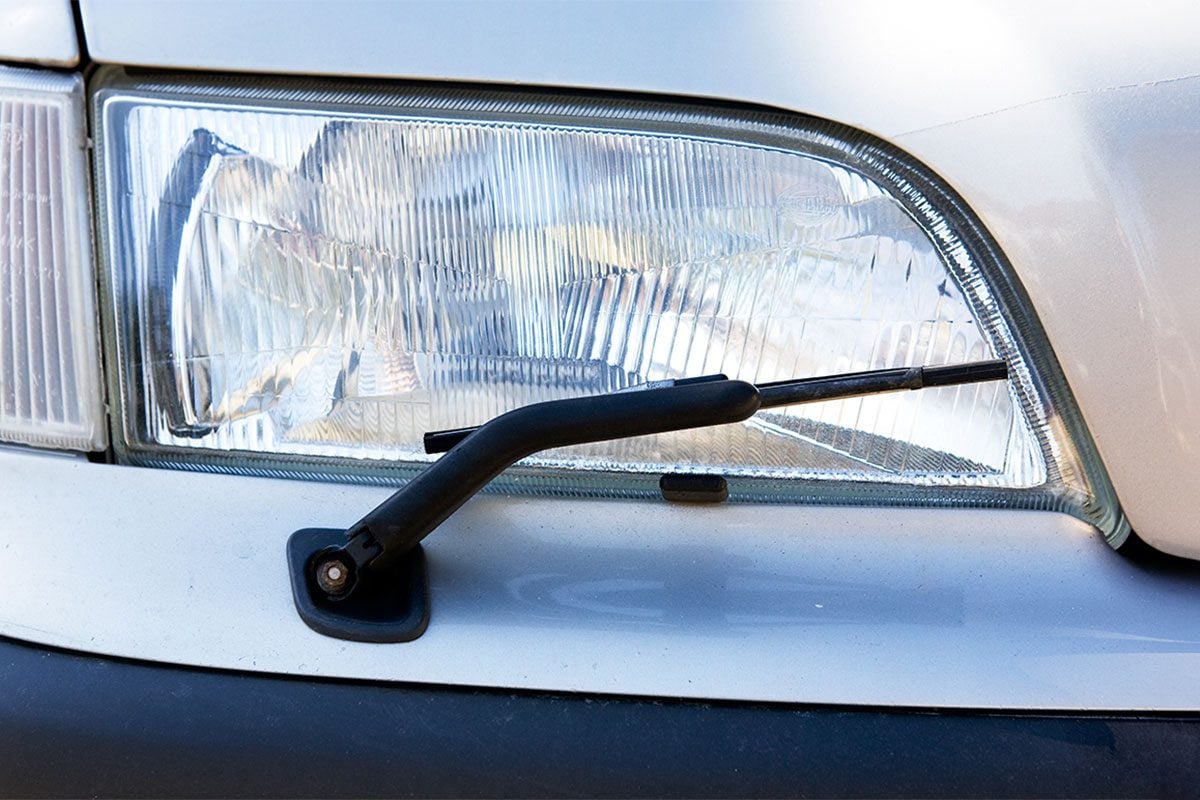
At some point, every driver spots a car feature that makes them do a double take. Maybe it is a tiny spoiler on a hatchback. Maybe it is a button labeled with a symbol that looks like it came from a spaceship. And maybe, just maybe, it is a pair of little wipers sitting on the headlights like the car is wearing tiny windshield blades as an accessory. If that sight has ever made you think, “What in the world am I looking at?” welcome to the club.
If you see car headlights with wipers, it usually means the vehicle has a headlight cleaning system. On older vehicles, that system may include actual miniature headlight wipers. On newer ones, it is usually a headlamp washer system that uses high-pressure fluid jets instead of little blades. Either way, the goal is simple: keep the headlight lens clean enough to maintain visibility and reduce glare. In other words, the car is not trying to groom itself. It is trying to see and be seen.
This odd-but-smart feature was much more common on certain older European and luxury cars, but it still pops up today in washer-based form on some modern vehicles. And once you know why it exists, it stops looking weird and starts looking pretty clever.
What It Means When a Car Has Headlights With Wipers
The short answer is this: those little wipers are there to clean the headlights. Just as windshield wipers clear rain, grime, slush, and snow from the glass in front of you, headlight wipers were designed to clear the lenses in front of the bulbs. If the headlight lens gets covered in road salt, muddy spray, bug splatter, or wet snow, the beam becomes less effective. That means the driver sees less of the road, and other drivers may see more glare and less clean, focused light.
That is why this feature exists. Headlights work best when the lens is clean, properly aimed, and in good condition. A dirty or deteriorated lens can scatter light instead of focusing it where it needs to go. So if you see a car with wipers on the headlights, you are looking at an older-school solution to a very real visibility problem.
Why Automakers Added Headlight Wipers in the First Place
Headlights live a rough life. They sit at the front of the vehicle, right where road spray, slush, bugs, dust, and winter grime love to collect. In bad weather, lenses can get dirty fast. That matters because even high-quality headlights are only useful when their light actually reaches the road instead of bouncing around inside a film of crud.
Automakers added headlight wipers because clean lenses improve performance. If the lights stay cleaner, the beam stays more usable. That is especially helpful at night, in winter weather, or on messy roads where visibility is already limited. Tiny wipers were one practical answer, especially when many cars had flatter, glass-covered headlamps that were easier to wipe mechanically.
There was another reason too: glare control. Dirty headlights do not just hurt the driver who owns the car. They can also create more scattered light that annoys or dazzles oncoming traffic. So keeping headlights clean is not just about seeing better. It is also about being less obnoxious to everyone else on the road, which, frankly, should be a more widely celebrated automotive achievement.
How Headlight Wipers and Headlamp Washers Work
Old-School Headlight Wipers
Traditional headlight wipers are exactly what they sound like: mini wiper arms powered by a small motor, mounted near the headlight assembly. When activated, they sweep across the headlight lens to remove moisture, snow, dirt, and road film. Some systems worked alone, while others also sprayed washer fluid at the same time for a better clean.
On many older models, the movement looked delightfully dramatic. Instead of the big swish-swish of a windshield wiper, you got a fast, determined little swipe that made the car look strangely serious about personal hygiene.
Modern Headlamp Washer Systems
Today, actual headlight wipers are much less common. Modern vehicles that still clean the headlights usually do it with washer jets or pop-up nozzles. These systems spray washer fluid directly onto the headlamp lens, often under high pressure. In many vehicles, the headlamp washers activate only when the headlights are on and the windshield washer is used. Some systems also do not activate every single time, mainly to keep the washer fluid reservoir from draining faster than your patience during rush hour.
That is an important detail. If you own a car with headlamp washers and they do not spray every time you clean the windshield, that may be normal. Many systems are programmed to operate at intervals or only under certain conditions.
Which Cars Were Famous for Headlight Wipers?
If you are picturing some big, boxy older cars, you are on the right track. Saab is often credited with bringing real attention to headlight wipers, with the Saab 99 becoming an early example of the feature. Later, a variety of European vehicles used them, especially brands that leaned into cold-weather practicality or premium gadgetry.
Older Volvo, BMW, Mercedes-Benz, and some off-road-oriented vehicles also helped make headlight wipers memorable. These were the kinds of features that felt very advanced at the time: part safety tool, part engineering flex, part “look what my car can do.”
In many cases, these systems were more common on vehicles sold in regions with harsh winters, frequent snow, and long stretches of dark-weather driving. That context matters. A feature that looks quirky in a sunny parking lot starts making a lot more sense when a car is blasting through slush at 6 p.m. in January.
Why You Rarely See Headlight Wipers Today
If headlight wipers were so useful, why did they mostly disappear? The answer is a mix of technology, styling, cost, and maintenance.
First, automakers increasingly shifted from mechanical wipers to washer-based cleaning systems. High-pressure fluid jets do the job with fewer moving parts on the outside of the car. That means a cleaner look, less visual clutter, and fewer little parts to age badly in public.
Second, modern headlight designs changed. Curvier lamp shapes, different lens materials, and integrated front-end styling made it less practical and less attractive to bolt miniature wipers onto the front of the vehicle. A sleek modern crossover with tiny eyebrow wipers on its lamps would look less “futuristic elegance” and more “nervous robot.”
Third, headlight wipers added complexity. More motors, arms, nozzles, covers, seals, and plumbing meant more things that could stick, leak, fail to retract, or consume washer fluid. Washer-only systems reduced some of that hassle, even if they did not have the same charmingly mechanical flair.
Do Headlight Wipers Actually Help?
Yes, but with a little nuance. Headlight cleaning systems can help maintain light output and reduce the effects of dirt, snow, and grime on the lens. That is genuinely useful, especially in winter conditions or on roads where slush and spray coat the front of the car in minutes. Clean lenses also help preserve the intended beam pattern, which matters for both visibility and glare control.
Still, they are not magic. If the lens itself is badly oxidized, cracked, or misaligned, no tiny wiper is going to turn it into a nighttime superhero. And if the washer reservoir is empty or the fluid is frozen, the system becomes decorative very quickly.
So yes, headlight wipers and washers help, but they work best as part of overall headlight maintenance. Think of them as a useful assistant, not a miracle worker.
Do U.S. Cars Need Headlight Washers?
Not generally. In the United States, headlamp washers are allowed, but they are not broadly required under federal vehicle lighting rules. That is one reason you will see them on some models and not others. They are a feature choice, not a universal mandate.
That said, headlight cleanliness still matters a lot. Safety organizations and insurers regularly remind drivers that dirty, yellowed, foggy, or misaligned headlights reduce useful light and increase glare. So even if your car does not come with a built-in cleaning system, keeping your headlights clean is still a smart maintenance habit.
Do Not Confuse This With “Wipers On, Lights On” Laws
Here is where things get slightly confusing. The phrase “headlights with wipers” can also make people think of a different rule entirely: the idea that when your windshield wipers are on in rain or snow, your headlights should also be on.
That is a separate issue, but an important one. In many states, drivers are required to turn on their headlights when conditions are bad enough that windshield wipers are in continuous use. The reason is visibility. Your headlights are not just for helping you see the road. They also help other people see your vehicle in rain, fog, mist, or snow.
So if you are talking about a car that literally has little wipers on its headlights, that means a headlight cleaning system. If you are talking about turning on your headlights when your windshield wipers are running, that is a weather-safety rule. Same words, very different situation, equal opportunity for confusion.
How to Take Care of a Car With Headlight Washers or Wipers
If your car has a headlight cleaning system, it is worth treating it like the useful feature it is.
Use the Right Washer Fluid
Do not cheap out here. Use the proper washer fluid for your climate, especially in cold weather. If the fluid freezes, your headlamp washer system may stop working just when you need it most.
Keep the Reservoir Filled
Many headlamp washers share the same washer fluid reservoir as the windshield system. If that reservoir runs low, the vehicle may limit or stop headlamp washing to prioritize the windshield. That is not your car being rude. That is your car choosing survival.
Check for Leaks or Sticky Nozzles
Because these systems use pumps, nozzles, covers, and lines, problems can happen. Some vehicles have known issues involving leaking washer jets or nozzles that fail to retract smoothly. If you notice fluid loss, stuck covers, weak spray, or one side not working, it is worth getting it inspected.
Still Clean the Lenses by Hand
Even if your car has a built-in cleaning system, hand-cleaning the lenses is still a good idea. A headlight washer can remove fresh grime, but it will not reverse oxidation or remove every layer of stubborn road film. A quick wipe when you clean the windshield goes a long way.
Common Problems Drivers Run Into
Like many clever car features, headlight wipers and washers are great when they work and mildly dramatic when they do not.
One common problem is a washer nozzle that sticks or does not retract properly. Another is washer fluid leaking from the system because of buildup, worn components, or damaged jets. On older vehicles, the tiny wiper blades themselves may crack, harden, or stop moving smoothly. And, of course, there is the classic winter problem: frozen fluid or packed snow turning the whole setup into an expensive sculpture.
None of these issues mean the concept was bad. They just remind us that every extra piece of hardware on a car is another opportunity for maintenance. Engineering is wonderful. Engineering plus age plus winter salt is a more complicated relationship.
Real-World Experiences: What Drivers Usually Notice
One of the funniest things about headlight wipers is that people who have never seen them tend to react the same way: first confusion, then delight, then a rapid-fire series of questions. Drivers often describe spotting them in a parking lot and wondering whether the car has some kind of custom modification, a weird luxury option, or a very committed sense of drama. Then they learn what the feature actually does, and suddenly it feels a lot less strange.
In real driving conditions, the people who appreciate headlight wipers most are usually the ones dealing with winter mess. Imagine driving down a highway in wet snow while dirty spray from trucks coats the front of your vehicle every few minutes. The windshield can be cleaned easily enough, but the headlights take a beating too. In those moments, a cleaning system on the lamps makes a lot of sense. Drivers in snowy climates often notice that their lights stay clearer longer, especially when slush and salt are constantly kicked up from the road.
Another common experience is that drivers assume the system will be dramatic every time, but modern washer-based systems tend to be subtle. You may pull the windshield washer stalk and barely notice that the headlights were cleaned at all. Some systems only activate at certain intervals, while others require the headlights to be switched on first. That leads many owners to think the feature is broken when it is actually just doing exactly what the manual says. Cars, as it turns out, are very committed to making normal people feel temporarily underqualified.
Owners of older vehicles with true headlight wipers often talk about them with a mix of affection and mild exasperation. They love the vintage charm, the mechanical personality, and the fact that the feature makes the car stand out. But they also know those tiny wipers can become one more thing to fix. A cracked blade, a slow motor, or a sticky arm can turn a clever feature into a weekend project. That is part of the old-car ownership experience: today you are admiring the design, tomorrow you are searching for a tiny rubber part that has not been mass-produced in decades.
Then there is the everyday experience most drivers can relate to, even without headlight wipers: realizing how much dirt builds up on headlights in bad weather. People often clean the windshield at a gas station and forget the lamps completely. But once you have dealt with dim-looking headlights, cloudy lenses, or a front end covered in grime after a storm, the logic behind headlight wipers becomes very easy to understand. They are a visible reminder that headlights are not just decorations on the front of the car. They are safety equipment.
So while headlight wipers may look unusual today, the experience behind them is completely practical. They came from a real need, solved a real problem, and still make perfect sense once weather, darkness, and dirty roads enter the chat.
Final Thoughts
If you see car headlights with wipers, it means the vehicle has a system designed to keep the headlight lenses clean. On older cars, that may be a true mechanical headlight wiper. On newer ones, it is more likely a washer-based headlamp cleaning system. Either version exists for the same reason: better visibility, cleaner light output, and less glare in ugly driving conditions.
It may look quirky today, but it was built around a simple safety idea that still holds up. Clean headlights matter. They help you see farther, help other drivers see you more clearly, and keep the beam doing what it is supposed to do. So the next time you spot a car with tiny wipers on its headlights, do not laugh too hard. That little gadget may actually be one of the smartest oddball features ever put on a car.