There are two kinds of people in this world: people who love ice cream, and people who are currently pretending they do not want a spoonful. Ice cream and frozen dessert recipes are the cheerful problem-solvers of the dessert world. They cool down summer afternoons, rescue boring birthdays, turn leftover fruit into something magical, and make adults stand in front of the freezer at midnight whispering, “Just one more bite.”
The best part? You do not need to be a pastry chef with a marble countertop and a dramatic apron. Homemade ice cream, sorbet, granita, frozen yogurt, ice cream sandwiches, popsicles, semifreddo, and no-churn frozen desserts can all be made with simple ingredients and a little freezer patience. Whether you own an ice cream maker or only have a loaf pan, a blender, and ambition, there is a frozen dessert recipe with your name on it.
This guide walks through the most delicious types of frozen desserts, essential techniques, flavor ideas, storage tips, and real-life kitchen lessons that help your homemade treats turn out creamy, scoopable, refreshing, and not like a brick with vanilla aspirations.
Why Homemade Ice Cream and Frozen Desserts Are Worth It
Store-bought ice cream is convenient, but homemade frozen desserts let you control the flavor, sweetness, ingredients, texture, and mix-ins. Want blueberry cheesecake ice cream with lemon zest and graham cracker crumbs? Done. Want dairy-free coconut mango sorbet? Easy. Want chocolate ice cream so rich it makes your spoon feel underqualified? Absolutely.
Homemade recipes also make it easier to use seasonal fruit. Strawberries in spring, peaches in summer, apples in fall, and citrus in winter can all become beautiful frozen desserts. Instead of letting berries slowly surrender in the refrigerator, you can blend them into sorbet, ripple them into no-churn ice cream, or freeze them into yogurt pops.
Frozen desserts are also flexible for different diets and occasions. You can make classic custard-based ice cream, egg-free Philadelphia-style ice cream, dairy-free frozen treats, low-sugar fruit pops, vegan sorbets, or party-ready ice cream cakes. The freezer, humble and quiet as it may be, is basically your dessert assistant.
The Main Types of Ice Cream and Frozen Dessert Recipes
Before jumping into recipes, it helps to know the difference between popular frozen treats. They may all live in the freezer, but each has its own personality.
Classic Custard Ice Cream
Custard ice cream is rich, smooth, and luxurious because it usually includes egg yolks, cream, milk, sugar, and flavorings. The base is gently cooked until it thickens, chilled thoroughly, and then churned. This style is ideal for vanilla bean, chocolate, coffee, pistachio, maple, and caramel flavors.
The secret is gentle heat. Cook the custard slowly and stir often. If you rush it, the eggs may scramble, and nobody invited breakfast to the ice cream party. A finished custard should coat the back of a spoon before chilling.
Philadelphia-Style Ice Cream
Philadelphia-style ice cream skips the eggs and relies on cream, milk, sugar, and flavorings. It tastes clean and fresh, making it excellent for fruit flavors like strawberry, peach, raspberry, and blueberry. Because there are no eggs, it is quicker to prepare and less intimidating for beginners.
This style can be slightly less rich than custard ice cream, but that can be a good thing. A bright strawberry ice cream often tastes more like real berries when it is not competing with a heavy egg base.
No-Churn Ice Cream
No-churn ice cream is the hero of small kitchens and busy schedules. Most versions use whipped heavy cream and sweetened condensed milk. The whipped cream adds air, while the condensed milk adds sweetness and helps keep the texture soft. Pour the mixture into a chilled loaf pan, freeze it, and let time do the hard work.
Popular no-churn flavors include cookies and cream, salted caramel, mint chocolate chip, peanut butter cup, birthday cake, and espresso fudge. It is also a great base for mix-ins because the mixture is thick enough to hold cookie pieces, fruit swirls, and chocolate chunks without sinking.
Frozen Yogurt
Frozen yogurt has a tangy flavor and a lighter feel than traditional ice cream. It works especially well with honey, berries, lemon, vanilla, chocolate, and tropical fruit. Greek yogurt creates a thicker texture, while regular yogurt gives a softer finish.
For best results, use full-fat yogurt or add a little cream. Very low-fat yogurt can freeze icy, which is fine if you enjoy dessert with the texture of a snowbank, but less ideal if you want smooth scoops.
Sorbet
Sorbet is dairy-free and usually made with fruit, sugar, water, and sometimes citrus juice. It is bright, refreshing, and perfect after a heavy meal. Mango sorbet, raspberry sorbet, lemon sorbet, strawberry sorbet, and watermelon sorbet are classics for good reason.
The trick with sorbet is balance. Too little sugar and it freezes rock-hard. Too much sugar and it may never firm up properly. Citrus juice can sharpen the flavor, while a small pinch of salt makes fruit taste more vivid.
Granita
Granita is one of the easiest frozen desserts on earth. You pour a sweetened liquid into a shallow pan, freeze it, and scrape it with a fork every so often until fluffy ice crystals form. It requires no machine, no special mold, and no emotional negotiation with an appliance manual.
Try coffee granita with whipped cream, lemon granita with mint, watermelon granita with lime, or orange granita with a splash of vanilla. The texture is icy and refreshing, more like elegant shaved ice than creamy ice cream.
Semifreddo
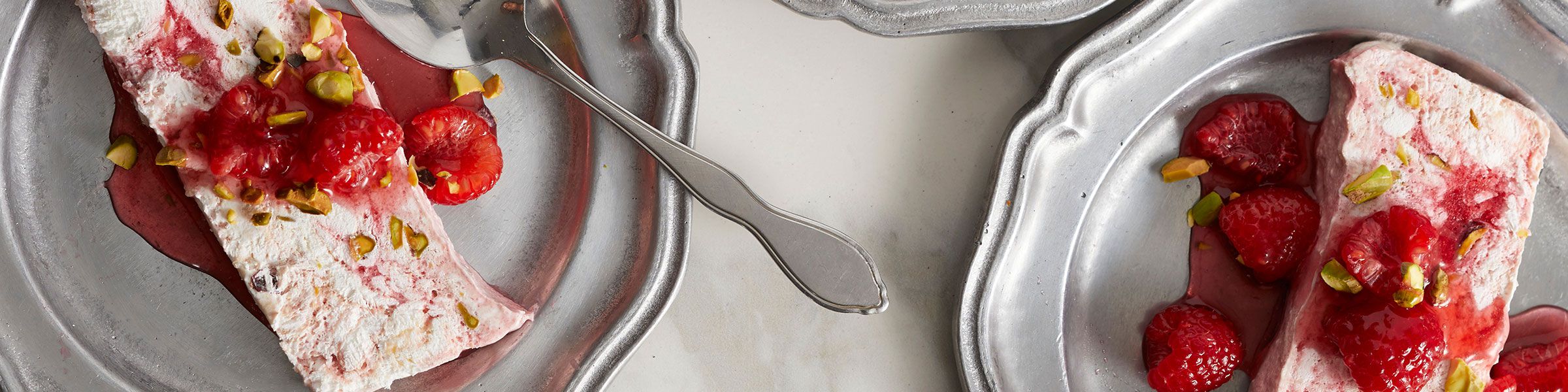
Semifreddo means “half-cold” in Italian, and it sits somewhere between frozen mousse and ice cream. It is usually made by folding whipped cream into a fluffy egg or meringue base, then freezing it in a loaf pan. Unlike ice cream, it does not need churning.
Semifreddo slices beautifully, which makes it a smart dessert for dinner parties. Add chocolate ribbons, toasted nuts, berry sauce, espresso, lemon curd, or crushed cookies for drama. It looks fancy but behaves politely in the kitchen.
Essential Ingredients for Creamy Homemade Ice Cream
Great frozen dessert recipes depend on more than flavor. Texture matters. Creaminess, scoopability, and smoothness come from the way fat, sugar, air, water, and temperature work together.
Fat Adds Creaminess
Heavy cream, whole milk, egg yolks, coconut milk, mascarpone, cream cheese, and nut butters all help create a creamy texture. Fat slows the formation of large ice crystals, which is why full-fat bases usually taste smoother than low-fat ones.
If you are making dairy-free ice cream, use rich alternatives like full-fat coconut milk, cashew cream, oat creamer, or blended avocado. Thin plant milks can work, but they often need help from stabilizers, nut butter, or banana to avoid becoming icy.
Sugar Controls Texture
Sugar does more than make dessert sweet. It lowers the freezing point, helping ice cream stay softer and easier to scoop. This is why cutting too much sugar from an ice cream recipe can lead to a hard, icy result.
Different sweeteners affect texture in different ways. Granulated sugar is classic. Honey, maple syrup, corn syrup, and agave can create softer frozen desserts, though they also bring their own flavors. In sorbet, liquid sweeteners can help reduce iciness when used carefully.
Salt Makes Flavors Pop
A tiny amount of salt can make vanilla taste warmer, chocolate taste deeper, and fruit taste brighter. You do not want salty ice cream unless you are making salted caramel, but a small pinch is often the difference between “nice” and “why is everyone suddenly quiet?”
Air Makes Frozen Desserts Lighter
Churning adds air while freezing the mixture. No-churn recipes add air by whipping cream. Semifreddo gets its light texture from whipped cream, whipped eggs, or meringue. Without air, frozen desserts can become dense and heavy.
Easy Ice Cream & Frozen Dessert Recipes to Try
These ideas are designed to be approachable, flavorful, and flexible. Use them as starting points, then customize with your favorite fruit, cookies, nuts, sauces, and spices.
1. Classic Vanilla Bean Ice Cream
Combine heavy cream, whole milk, sugar, egg yolks, vanilla bean or vanilla extract, and a pinch of salt. Cook the custard gently, chill it until very cold, churn it, and freeze until firm. This is the little black dress of ice cream recipes: simple, elegant, and always ready for toppings.
Serve it with warm brownies, peach cobbler, apple pie, espresso, caramel sauce, or fresh berries. If you master one homemade ice cream recipe first, make it vanilla.
2. No-Churn Cookies and Cream Ice Cream
Whip two cups of heavy cream until stiff peaks form. Fold in one can of sweetened condensed milk, vanilla extract, a pinch of salt, and crushed chocolate sandwich cookies. Freeze in a loaf pan for at least six hours.
This recipe is nearly impossible to mess up. The hardest part is not eating half the cookies before they reach the bowl. For extra texture, add a fudge swirl or chopped chocolate.
3. Strawberry Frozen Yogurt
Blend fresh strawberries with Greek yogurt, honey, lemon juice, and a little vanilla. Churn in an ice cream maker or freeze in a shallow pan, stirring every 30 minutes until thick and creamy.
For a brighter flavor, roast the strawberries first. Roasting concentrates their sweetness and reduces excess water, which helps prevent an icy texture.
4. Mango Lime Sorbet
Blend ripe mango with sugar syrup, lime juice, and a pinch of salt. Chill the mixture, then churn or freeze and stir occasionally. The result is sunny, tropical, and dangerously easy to eat straight from the container.
If your mangoes are very sweet, use less sugar. If they are tart, add a little more. Sorbet is a taste-as-you-go dessert, which is another way of saying the cook gets samples.
5. Chocolate Peanut Butter Ice Cream
Make a chocolate custard base with cocoa powder, melted chocolate, cream, milk, sugar, egg yolks, and salt. After churning, swirl in peanut butter sauce and chopped peanut butter cups.
This is not a shy dessert. It is rich, bold, and best served in small bowls unless you enjoy staring into the middle distance after dessert.
6. Lemon Granita
Mix water, sugar, lemon juice, lemon zest, and a pinch of salt. Pour into a shallow metal pan and freeze. Scrape with a fork every 30 to 45 minutes until icy and fluffy.
Lemon granita is perfect after grilled foods, pasta, or any meal that needs a clean, refreshing finish. Add fresh mint for a garden-fresh twist.
7. Ice Cream Sandwich Bars
Bake two thin cookie slabs or use soft-baked cookies. Spread softened ice cream between the layers, wrap tightly, and freeze until firm. Slice into bars and roll the edges in sprinkles, mini chocolate chips, toasted coconut, or chopped nuts.
The best cookies for ice cream sandwiches stay soft when frozen. Brownie cookies, chocolate chip cookie bars, oatmeal cookies, and thin cake-like chocolate cookies all work beautifully.
8. Berry Cheesecake Ice Cream
Start with a no-churn vanilla base, then fold in softened cream cheese, crushed graham crackers, and a berry sauce made from simmered blueberries, raspberries, or strawberries. Freeze until scoopable.
The cream cheese adds tang, the graham crackers bring crunch, and the berries make the whole thing taste like summer took a victory lap.
9. Coconut Pineapple Popsicles
Blend pineapple, coconut milk, lime juice, and a little honey or maple syrup. Pour into molds and freeze. For a layered look, alternate coconut mixture with pineapple puree.
These pops are dairy-free, kid-friendly, and pool-party approved. They also make a great dessert for anyone who wants tropical flavor without turning on the oven.
10. Coffee Semifreddo
Fold whipped cream into a sweet coffee-flavored egg or meringue base, then freeze in a lined loaf pan. Slice and serve with shaved chocolate, cocoa powder, or caramel drizzle.
Coffee semifreddo has the elegance of tiramisu but requires less assembly. It is a wonderful make-ahead dessert because it actually wants to sit in the freezer until you need it.
Tips for Better Homemade Frozen Desserts
Chill the Base Thoroughly
A cold base freezes faster, which helps create smaller ice crystals and a smoother texture. For custard ice cream, chill the mixture for at least four hours or overnight before churning.
Use a Shallow Metal Pan for Faster Freezing
Metal conducts cold quickly. If you are making no-churn ice cream, granita, or semifreddo, a chilled metal loaf pan or shallow baking pan can help the mixture freeze more evenly.
Do Not Overload Mix-Ins
Mix-ins are fun, but too many can make ice cream hard to scoop or oddly chewy. Chop cookies, brownies, candy, nuts, and chocolate into small pieces. Swirls should be thick, not watery, so they do not freeze into icy streaks.
Control Water in Fruit
Fresh fruit contains water, and water freezes hard. To prevent icy chunks, cook fruit into a sauce, roast it, macerate it with sugar, or puree it before adding it to ice cream. For fruit chunks, keep pieces small.
Store Ice Cream Properly
Press parchment paper, wax paper, or plastic wrap directly onto the surface of homemade ice cream before adding the lid. Store it toward the back of the freezer, where the temperature is more stable. Avoid repeated thawing and refreezing, which can cause large ice crystals and sad spoonfuls.
Flavor Combinations That Always Work
Once you understand the basics, flavor-building becomes the fun part. Here are reliable combinations for homemade ice cream and frozen dessert recipes:
- Vanilla + caramel + toasted pecans: Sweet, nutty, and classic.
- Chocolate + espresso: Deep, rich, and slightly grown-up.
- Strawberry + lemon + basil: Bright and garden-fresh.
- Mango + lime + coconut: Tropical and refreshing.
- Peach + brown sugar + cinnamon: Like cobbler in frozen form.
- Raspberry + dark chocolate: Tart, bold, and elegant.
- Banana + peanut butter + honey: Creamy, comforting, and kid-friendly.
- Blueberry + cheesecake + graham cracker: Dessert inside dessert, which is legal and encouraged.
Common Mistakes to Avoid
Using Low-Fat Ingredients Without Adjusting the Recipe
Low-fat milk, watery yogurt, and thin plant-based milks can make frozen desserts icy. If you reduce fat, add texture helpers such as banana, nut butter, cream cheese, coconut cream, or a small amount of syrup.
Adding Warm Mix-Ins
Hot fudge, warm fruit sauce, or freshly baked brownies can melt your base and create icy pockets. Cool all mix-ins before adding them.
Skipping the Salt
Salt may seem tiny, but it wakes up flavor. Without it, chocolate can taste flat, vanilla can taste dull, and fruit can taste less vibrant.
Freezing in a Deep Container
A deep container freezes slowly and unevenly. Use a shallow container for faster freezing and smoother texture, especially for no-churn recipes.
Serving Ideas for Ice Cream and Frozen Desserts
Presentation does not have to be complicated. A scoop of homemade ice cream becomes restaurant-worthy with one warm sauce, one crunchy topping, and one fresh accent.
Try vanilla ice cream with hot fudge, toasted almonds, and fresh raspberries. Serve mango sorbet with lime zest and coconut flakes. Top coffee granita with whipped cream and chocolate shavings. Layer frozen yogurt with granola and berries for a breakfast-inspired dessert. Or make a sundae bar with sauces, sprinkles, crushed cookies, cherries, and whipped cream so guests can build their own masterpieces.
For parties, frozen desserts are especially useful because many can be made ahead. Ice cream cakes, semifreddo, popsicles, ice cream sandwiches, and sorbet all wait patiently in the freezer while you handle the rest of the meal. Honestly, we could all learn from their chill attitude.
Experience-Based Tips for Making Ice Cream & Frozen Dessert Recipes
After making frozen desserts at home, one lesson becomes clear very quickly: the freezer is powerful, but it is not a magician. It rewards planning. The best homemade ice cream usually starts the day before you want to serve it. That does not sound exciting, but neither does chipping vanilla concrete out of a container while your guests politely pretend not to notice.
My favorite experience-based rule is to treat temperature like an ingredient. A chilled custard base churns better. A frozen ice cream maker bowl works better. A cold storage container prevents freshly churned ice cream from melting on contact. Even mix-ins behave better when chilled. Cookie pieces, brownie chunks, caramel ribbons, and fruit sauces should all be cool before they meet the base. Warm add-ins might smell amazing, but they can create icy streaks and uneven texture.
Another real kitchen lesson is that simple flavors reveal everything. Vanilla ice cream is not boring; it is honest. If the dairy tastes fresh, the sugar is balanced, the salt is right, and the vanilla is fragrant, the finished ice cream tastes clean and beautiful. But if the base is too sweet or under-seasoned, vanilla will not hide it. That is why testing a classic vanilla recipe is a smart first step before attempting dramatic flavors like toasted marshmallow bourbon brownie swirl. Walk before you sprint into the sundae bar.
Fruit desserts also teach humility. Fresh berries may look perfect, but they can freeze into hard little pebbles if tossed into ice cream whole. The better move is to cook them briefly into a jammy ripple, roast them to reduce water, or chop them small and macerate them with sugar. Peaches, cherries, strawberries, and blueberries all taste more intense when their juices are concentrated. The freezer dulls flavor slightly, so your mixture should taste a little bold before freezing.
No-churn ice cream is the recipe I recommend to beginners because it builds confidence. Whip cream, fold in condensed milk, add flavor, freeze, and celebrate. It is forgiving, fast, and does not demand special equipment. However, it can become very sweet, so balance matters. Add salt, citrus zest, coffee, cocoa, cream cheese, or tangy fruit to keep the flavor lively.
Granita is the opposite of fussy. It is perfect for hot days when turning on the stove feels like a personal betrayal. Coffee granita with whipped cream is elegant enough for guests, while watermelon-lime granita tastes like summer vacation in a bowl. The only skill required is remembering to scrape it with a fork. If you forget, just let it soften slightly and scrape again. Granita forgives. We love that in a dessert.
Storage is the final lesson. Homemade frozen desserts taste best when protected from air and temperature swings. Use airtight containers, press a protective layer directly on the surface, and keep the container away from the freezer door. Labeling the flavor and date is also useful, unless you enjoy mystery dessert roulette. Sometimes that works out. Sometimes you discover frozen soup stock when you expected salted caramel.
In the end, making ice cream and frozen desserts at home is less about perfection and more about pleasure. A slightly messy scoop still tastes wonderful. A soft semifreddo slice can still impress. A homemade popsicle dripping down your hand is not a failure; it is part of the contract. The goal is joy, flavor, and the small victory of opening the freezer to find something you made yourself.
Conclusion
Ice cream and frozen dessert recipes prove that a freezer can be one of the most creative tools in the kitchen. From classic vanilla bean ice cream to mango sorbet, lemon granita, frozen yogurt, semifreddo, popsicles, and no-churn cookies and cream, there is a recipe for every skill level and craving.
The keys are simple: use good ingredients, balance sweetness, control water, chill your base, add mix-ins wisely, and store everything properly. Once you understand those basics, you can create endless flavors with fruit, chocolate, coffee, nuts, spices, cookies, sauces, and imagination.
Whether you are making dessert for a backyard barbecue, a birthday party, a quiet family night, or a “because Tuesday was rude” treat, homemade frozen desserts bring instant happiness. Grab a spoon, clear some freezer space, and start with one recipe. Your future self will thank you, probably with sprinkles.
Note: This article is written for general cooking and recipe inspiration. When using eggs in homemade frozen desserts, choose pasteurized eggs or cook egg-based mixtures safely before freezing.