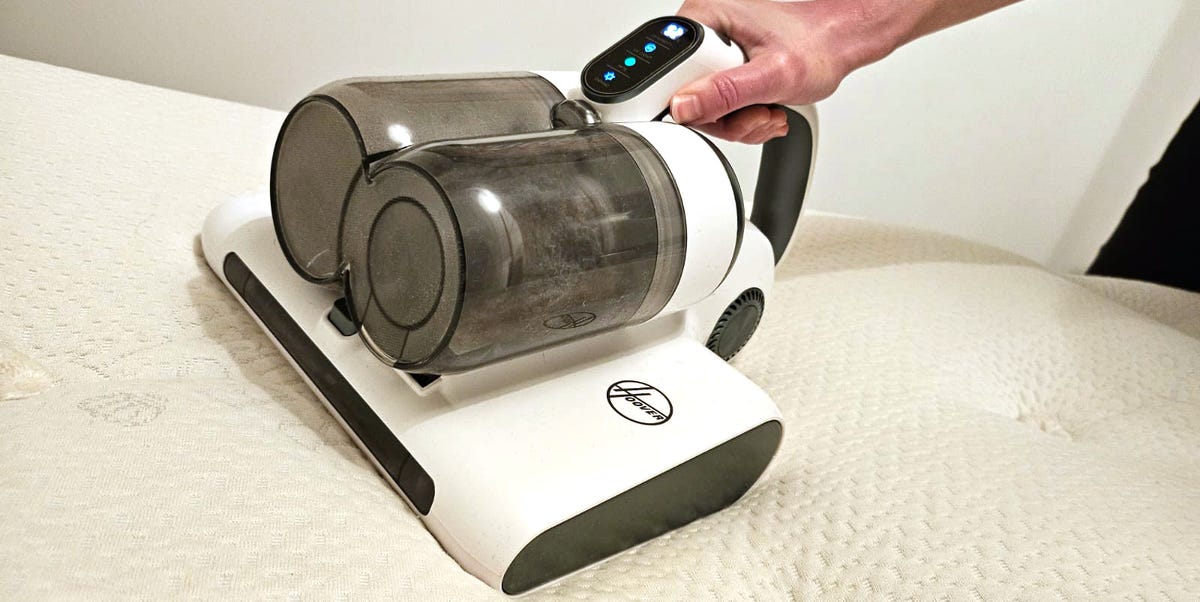
I thought my bed was clean. I really did. The sheets were washed, the pillows were fluffed, and the duvet looked innocent enough to star in a detergent commercial. Then I tried a mattress vacuum, and my confidence left the room faster than a sock disappearing in the dryer.
Within minutes, the dust cup looked like it had collected evidence from an archaeological dig. Fine gray powder, hair, lint, mysterious crumbs, and a few things I decided not to identify were sitting there in plain view. It was the kind of moment that makes you whisper, “I sleep on this?” while standing in your own bedroom like a betrayed detective.
A mattress vacuum is designed to do what a regular surface clean often misses: pull dust, dead skin cells, pet dander, hair, and allergens from fabric surfaces where we spend a shocking amount of time. Considering the average person spends roughly a third of life in bed, mattress hygiene is not exactly a tiny footnote. It is more like the hidden chapter nobody reads until the dust cup tells the truth.
What Is a Mattress Vacuum?
A mattress vacuum is a handheld or compact cleaning device made specifically for fabric surfaces such as mattresses, pillows, sofas, upholstery, and sometimes curtains. Many models combine strong suction with a vibrating or beating pad that helps loosen particles trapped in the fabric. Some also include HEPA-style filtration, heating features, or UV-C lights marketed for sanitizing surfaces.
The main difference between a mattress vacuum and a standard vacuum is contact. A normal upright vacuum is built for floors. A mattress vacuum is usually smaller, flatter, and easier to press directly against the mattress surface. That close contact matters because a mattress is not a hard floor; it is a quilted, textured, absorbent island of sleep, sweat, skin cells, and late-night snack decisions.
Does that mean every mattress vacuum is a miracle machine? No. Some are better built than others, and marketing claims can sound like the product was engineered by superheroes. Still, after testing one, I understand why these gadgets are popular. They make the invisible visible, and sometimes that is deeply unfortunate.
Why Mattresses Get So Dirty
Your mattress may look clean because it is hidden under sheets, blankets, and the illusion of adulthood. But every night, it collects tiny particles from daily life. Dead skin cells, body oils, sweat, dust, pet hair, textile fibers, and airborne allergens can settle into bedding and mattress surfaces.
Dust mites are one of the biggest reasons people talk about mattress cleaning. These microscopic creatures do not bite like bed bugs, but their waste and body fragments can trigger allergy and asthma symptoms in sensitive people. They tend to thrive in warm, humid environments and are commonly associated with bedding, mattresses, upholstered furniture, and carpets.
This is where the disgust begins to make sense. A mattress is soft, warm, and frequently exposed to moisture from sweat and humidity. Add fabric layers, pillows, comforters, pets, and an occasional breakfast-in-bed situation, and you have created a luxury resort for dust and allergens. Sadly, it does not include checkout time.
My First Pass With the Mattress Vacuum
I started with what I thought was the cleanest part of the mattress: the center. I stripped the bed, opened a window, and slowly moved the vacuum in overlapping rows. At first, nothing dramatic happened. The machine buzzed, the fabric vibrated, and I felt slightly ridiculous vacuuming a mattress like I was mowing a very small lawn.
Then I checked the dust cup.
Reader, I was not emotionally prepared.
The debris was not the chunky dirt you see after vacuuming a rug. It was worse because it was finer. A soft, powdery, gray-beige layer clung to the inside of the container. There were also hairs, fibers, and tiny particles that looked like they had been personally invited by the mattress. The whole thing felt less like cleaning and more like receiving a performance review from my bed.
The most disturbing part was that the mattress did not look dirty before I started. That is the trick with soft surfaces. Dust does not always sit politely on top where you can shame it. It hides in seams, stitching, quilting, and fabric layers. The mattress vacuum did not transform the bed into a sparkling science lab, but it definitely removed material that had no business being there.
What the Vacuum Actually Removed
Based on what I saw in the dust container, the vacuum collected a mixture of fine dust, fabric lint, hair, and debris from the mattress surface. If you have pets, you can expect pet hair and dander to join the party. If you have allergies, this is where mattress cleaning becomes more than a “satisfying cleaning video” moment.
Regular vacuuming can help reduce dust buildup, especially when combined with a good filtration system. A HEPA filter is useful because it is designed to trap very small particles instead of simply blowing them back into the air. That matters when cleaning mattresses, upholstery, and carpets because allergens are often microscopic.
However, a mattress vacuum does not remove every allergen, kill every dust mite, or replace washing bedding. It is a tool, not a magic wand. Think of it as one part of a bigger mattress hygiene routine that also includes washing sheets, using mattress protectors, controlling humidity, and cleaning the bedroom regularly.
Is a Mattress Vacuum Better Than a Regular Vacuum?
For mattresses, yes, a dedicated mattress vacuum can be more convenient. The smaller body and flat cleaning head make it easier to move across the surface without wrestling with a bulky upright vacuum. The vibration feature on many mattress vacuums also helps shake loose particles before suction pulls them away.
That said, a good regular vacuum with an upholstery attachment can still do a solid job. If your current vacuum has strong suction, sealed filtration, and a clean upholstery tool, you do not necessarily need to buy a separate mattress vacuum immediately. Use what you have first. Your mattress will not care whether the vacuum is trendy; it only cares whether the dust leaves.
The main advantage of a mattress-specific vacuum is motivation. Because it is easy to grab and use, you may clean the mattress more often. And honestly, after seeing what came out of mine, motivation was no longer the problem. The dust cup had spoken.
The Truth About UV-C Lights on Mattress Vacuums
Many mattress vacuums come with UV-C lights, and the marketing can make them sound like tiny sun-powered crime fighters. UV-C light can be used for disinfection in specific controlled settings, but effectiveness depends on exposure time, distance, intensity, and direct contact with the target surface.
That means a quick pass over a quilted mattress may not deliver the same result as a controlled disinfection chamber. Shadows, fabric texture, dust layers, and movement can reduce exposure. So while a UV-C feature may be a nice bonus on some models, I would not buy a mattress vacuum based only on UV claims.
The features that matter most are strong suction, a practical cleaning head, easy-to-clean filters, a sealed dust container, and comfortable handling. If the vacuum is annoying to empty or heavy enough to qualify as a gym workout, you will use it once and then banish it to the closet of abandoned gadgets.
How Often Should You Vacuum a Mattress?
For most homes, vacuuming a mattress every one to three months is a reasonable routine. If someone in the home has allergies, asthma, pets in the bed, heavy sweating, or a dusty bedroom environment, monthly cleaning may be more helpful. At minimum, consider vacuuming the mattress during seasonal bedding changes or whenever you rotate the mattress.
Bedding should be washed much more often. Sheets and pillowcases are usually best washed weekly, especially if you sweat at night, sleep with pets, have allergies, or snack in bed. Comforters, blankets, mattress pads, and pillow protectors should be cleaned according to their care labels.
The mattress itself should never be soaked. Too much moisture can lead to odors, slow drying, and possible mold issues. If you spot clean stains, use the smallest amount of liquid possible, blot instead of scrub aggressively, and let the mattress dry completely before putting sheets back on.
My Mattress Cleaning Routine After the Test
After the first vacuum session, I changed my entire bed-cleaning routine. Not in a dramatic “I now live in a sterile bubble” way, but in a practical, adult-with-a-dust-cup way.
Step 1: Strip the Bed Completely
I remove sheets, pillowcases, blankets, and the mattress protector. Everything washable goes into the laundry. Starting with a bare mattress makes it easier to see seams, stains, and areas that need more attention.
Step 2: Vacuum Slowly
Speed is the enemy. I move the mattress vacuum in slow, overlapping rows, paying extra attention to seams, edges, and the area where my shoulders and hips usually rest. These zones collect more body oils, skin cells, and fabric wear.
Step 3: Spot Clean Carefully
If I see a small stain, I treat it lightly with an appropriate fabric cleaner or mild solution, depending on the stain type and mattress care instructions. I never pour cleaner directly onto the mattress. Mattresses are not pancakes; they should not be soaked.
Step 4: Let It Air Out
After cleaning, I let the mattress breathe before remaking the bed. A little airflow helps reduce trapped moisture and keeps the bed fresher.
Step 5: Use a Mattress Protector
A washable mattress protector is the unsung hero of bed hygiene. It helps block sweat, oils, spills, and allergens from reaching the mattress. It is much easier to wash a protector than to negotiate with a stained mattress at midnight.
What Disgusted Me the Most
The most disgusting thing was not the dust itself. Dust happens. Life is dusty. The real shock was how clean the mattress looked before I cleaned it. The surface gave no warning. There was no dramatic stain, no visible layer of debris, no horror-movie soundtrack. Just a normal-looking mattress hiding a tiny gray confession.
That changed how I think about “clean.” A made bed is not necessarily a clean bed. Fresh sheets help, but they do not erase what has built up below them. Mattress cleaning is easy to ignore because the mattress is covered most of the time. Out of sight, out of mind, under the fitted sheet.
The dust cup made the issue visible. It gave me the same feeling as cleaning a dryer lint trap after too many loads: embarrassed, impressed, and slightly proud. There is something satisfying about removing debris you did not know was there, even if the discovery briefly makes you question your entire personality.
Who Should Consider a Mattress Vacuum?
A mattress vacuum may be worth considering if you have allergies, pets, children, upholstered furniture, or a habit of postponing deep cleaning until “next weekend,” which is a mythical date that never arrives. It can also be useful for people who live in dusty areas, humid climates, or apartments where opening windows and sunning out bedding is not always practical.
It may not be necessary if you already use a powerful vacuum with a clean upholstery attachment and you are disciplined about using it. But if the convenience of a separate tool makes you clean more often, that convenience has value.
When choosing a mattress vacuum, look for strong suction, a washable or replaceable filter, easy emptying, a comfortable handle, and a cleaning head that makes good contact with fabric. A transparent dust cup is oddly motivating because you can see the results. Is it gross? Absolutely. Is it effective at shaming you into cleaning more? Also yes.
Common Mistakes to Avoid
The first mistake is vacuuming too quickly. A mattress vacuum needs time and contact to pull up debris. Gliding over the surface like you are late for a meeting will not do much.
The second mistake is forgetting the sides. Mattress edges collect dust, hair, and lint, especially near the headboard and foot of the bed. Do not ignore the seams. Seams are where dust goes to retire.
The third mistake is using too much baking soda. Baking soda is often recommended for deodorizing, but fine powders can be hard on some vacuums and filters. If you use it, check your vacuum manual first, use a light layer, and remove as much as possible carefully.
The fourth mistake is putting bedding back on too soon after spot cleaning. A damp mattress trapped under sheets can develop odors. Always let the surface dry completely.
The fifth mistake is relying only on the vacuum. For allergy control, the bigger routine matters: wash bedding, reduce dust collectors, maintain moderate indoor humidity, clean floors, and use protective covers where needed.
Was It Worth It?
Yes, but with realistic expectations. A mattress vacuum did not turn my bed into a laboratory-grade clean room. It did, however, remove a surprising amount of debris from a mattress that looked perfectly fine. That alone made it worth using again.
The experience also made me more aware of bedroom hygiene in general. I started washing bedding more consistently, cleaning under the bed, vacuuming upholstery, and using the mattress protector like it was a tiny fabric bodyguard. My bedroom felt fresher, and the routine became easier after the first slightly traumatic cleaning session.
The best part is that mattress vacuuming is simple. It does not require advanced cleaning skills, special choreography, or a motivational playlist, although the playlist helps. Strip the bed, vacuum slowly, clean the dust cup, wash the bedding, and remake the bed. That is it.
Extra Experience: What Happened After I Used It for a Month
After the first mattress vacuum test, I decided to keep using it for a full month to see whether it was just a one-time gross-out machine or something genuinely useful. I vacuumed the mattress once a week for four weeks, partly for cleanliness and partly because I had become emotionally invested in the dust cup’s storyline.
The second cleaning was still disturbing, but less dramatic. There was fine dust and lint, but not the same shocking pile from the first session. This made sense. The first cleaning was pulling up whatever had been sitting there for months. The second pass felt more like maintenance. It was still satisfying, but less like uncovering a mattress secret society.
By the third week, I noticed that the routine had changed how I handled the entire bed. I stopped tossing clean sheets onto the mattress immediately. Instead, I let the mattress air for a while. I also started cleaning the headboard and the floor near the bed because once you see dust in one place, you start seeing it everywhere. This is both useful and mildly annoying.
I also tested the vacuum on pillows, a fabric chair, and the sofa. The sofa was the real villain. It produced enough lint and pet hair to suggest that my living room had been quietly knitting a sweater. The mattress was gross, but the sofa was dramatic. If you buy a mattress vacuum, do not limit it to the bed. Upholstery has stories to tell, and most of them are dusty.
The biggest practical benefit was consistency. A large vacuum feels like a chore. A smaller mattress vacuum felt easier to grab, use, empty, and put away. That matters because the best cleaning tool is the one you actually use. A powerful machine sitting untouched in a closet is just an expensive sculpture.
There were a few downsides. The dust cup needed emptying often, and cleaning the filter was not glamorous. If you skip filter maintenance, suction can drop quickly. The noise was also noticeable, though not worse than a standard handheld vacuum. And while the UV feature looked impressive, I treated it as a bonus rather than the main reason to use the machine.
After a month, my opinion was clear: a mattress vacuum is not essential for everyone, but it is useful for people who want a cleaner sleep surface and need a little visual proof to stay motivated. The first cleaning may disgust you. The later cleanings may reassure you. Either way, the dust cup will keep you honest.
Conclusion
I tried a mattress vacuum, and yes, I was disgusted. But I was also converted. The experience showed me that mattress cleaning is one of those household tasks that seems unnecessary until you actually do it. Then you look at the dust cup and immediately become a different person.
A mattress vacuum will not replace clean sheets, mattress protectors, good ventilation, or smart allergy-control habits. But it can be a practical part of a healthier bedroom routine. If your mattress has not been vacuumed in months, prepare yourself. The first pass may be humbling. Possibly horrifying. Definitely educational.
The good news is that once you start cleaning your mattress regularly, the results become less alarming. Your bed feels fresher, your routine feels smarter, and you get the quiet satisfaction of knowing you are no longer sleeping on a hidden layer of dust, lint, and regret.