Note: This article is written for informational and editorial purposes. It discusses relationship red flags, public humiliation, emotional safety, and communication patterns. It is not a substitute for professional counseling, legal advice, or emergency support.
When a Sandwich Becomes the Final Straw
At first glance, the phrase “I think that I have to break up with my fiancé after he embarrassed me in public over a sandwich” sounds like the setup to a sitcom episode. You can almost hear the laugh track: a long line, a missing topping, a dramatic exit, and one very stressed partner holding the emotional equivalent of a soggy receipt.
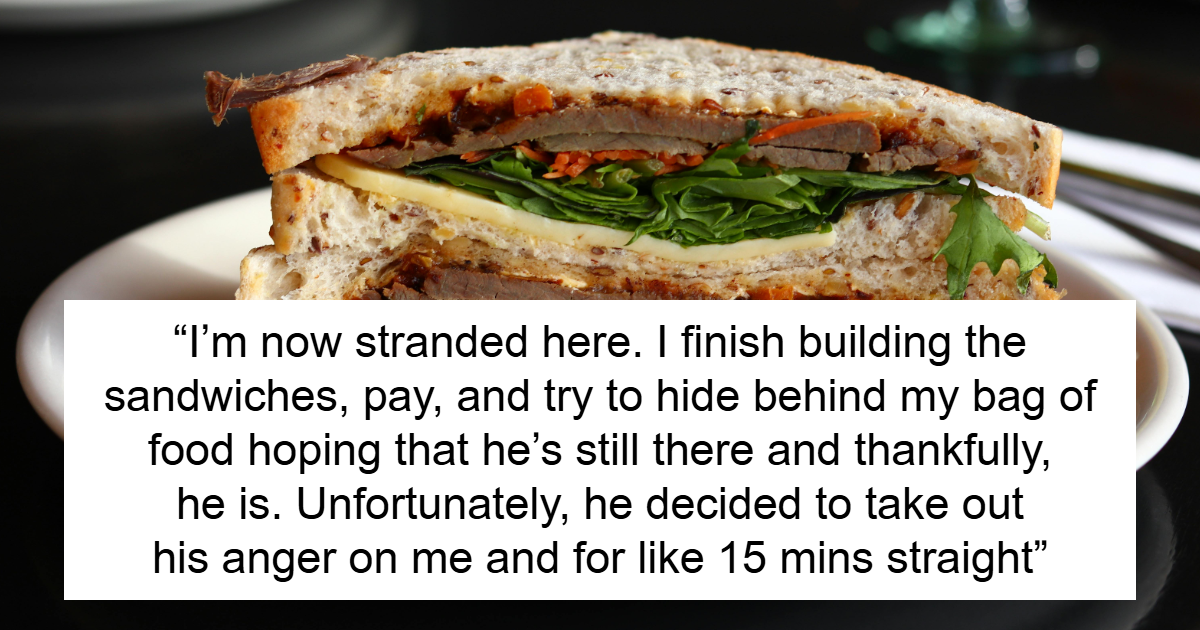
But the deeper story is not really about bread, spinach, or whether a sandwich shop should be allowed to run out of ingredients during lunch rush. Spoiler: it happens. The real issue is what the public meltdown revealed. A woman described reaching a breaking point after her fiancé exploded at staff, stormed out, left her to handle the awkward aftermath, sent rude messages, threatened the relationship, and later screamed during the drive home. That is not a sandwich problem. That is a relationship red flag wearing lettuce as a disguise.
Many readers were drawn to the drama because the situation was so oddly specific. Yet the emotional pattern behind it is painfully common: one partner behaves badly in public, the other feels responsible for cleaning up the mess, and afterward the harmed partner wonders, “Am I overreacting?” That question is often the alarm bell. Healthy love does not require you to become someone else’s crisis manager every time life mildly inconveniences them.
The Sandwich Was Small. The Behavior Was Not.
People have bad days. Everyone has snapped, sighed too loudly, or muttered something dramatic in a parking lot like a Victorian ghost. But there is a difference between frustration and humiliation. There is a difference between being disappointed that a restaurant is out of spinach and making your partner feel abandoned, embarrassed, unsafe, or emotionally cornered.
In a healthy relationship, inconvenience is handled as a team. Maybe one person says, “No spinach? Tragic. We shall survive.” Maybe the couple picks a different topping. Maybe they leave politely and get tacos. The point is not perfection; the point is respect.
In this story, the fiancé’s reaction created several problems at once. He directed anger toward service workers, left his partner alone in an uncomfortable public situation, used threatening messages instead of calm communication, and then escalated the conflict in private. For someone who already struggles with social anxiety, being stranded in the middle of a public scene can feel overwhelming. The body does not always know the difference between “minor embarrassment” and “everyone is watching, I am trapped, and I need to disappear into the floor tiles immediately.”
Why Public Embarrassment Hurts So Much
Public humiliation in relationships can cut deeper than a normal argument because it adds an audience. The hurt is not limited to what was said or done; it includes the panic of being seen, judged, or associated with behavior you did not choose. When your partner embarrasses you in public, the emotional injury often has two layers: the behavior itself and the loneliness of realizing they did not protect your dignity.
That is especially important when a person has social anxiety. Social anxiety is not simply being shy, quiet, or “not a people person.” It can involve intense fear of being judged, humiliated, or scrutinized. A partner who knows this should be extra careful not to weaponize public pressure. Love should feel like having someone in your corner, not like standing in a checkout line beside a human tornado.
Relationship Red Flags Hidden in Everyday Moments
Big relationship problems rarely introduce themselves with dramatic violins. They often show up in ordinary places: the car, the grocery store, the restaurant, the family dinner, the group chat, or yes, the sandwich shop. Everyday stress reveals character because it removes the Instagram filter from the relationship. Anyone can be charming during a vacation sunset. The real test is how they behave when the deli is out of spinach.
1. Explosive Reactions to Small Problems
It is normal to feel irritated when plans go wrong. It is not healthy to explode, threaten, belittle, or make everyone around you responsible for your disappointment. If a missing ingredient causes a full emotional power outage, the issue is not the ingredient. It is emotional regulation.
2. Leaving a Partner to Handle the Fallout
A major red flag is when one partner creates chaos and then walks away while the other partner cleans up the social, financial, or emotional consequences. In this case, the woman was left to deal with staff and the embarrassment of the scene. That dynamic can become exhausting over time: one person detonates the situation, the other becomes the cleanup crew.
3. Threatening the Relationship During Conflict
Threats like “I’ll leave you” or “we’re done” can become a form of control when used repeatedly. They shift the focus away from the behavior and onto fear. Instead of discussing what happened, the harmed partner starts trying to save the relationship, calm the other person down, or prove loyalty. That is not conflict resolution; that is emotional hostage-taking with worse lighting.
4. Apologizing Without Repair
A text apology after a serious blowup may be a start, but it is not enough by itself. A real apology names the harm, accepts responsibility, shows understanding, and includes a plan for change. “Sorry” is not a magic eraser. If the same behavior repeats, the apology becomes a subscription service nobody asked for.
Is It Emotional Abuse or Just a Bad Fight?
Not every ugly argument is emotional abuse. Couples can have terrible moments and still repair them with honesty, accountability, and changed behavior. However, certain patterns deserve serious attention: humiliation, intimidation, dismissiveness, insults, threats, control, isolation, and repeated blame-shifting.
The key word is pattern. A single bad day may call for a hard conversation. A long-term pattern of disrespect may call for distance, support, and a serious reassessment of the relationship. In the sandwich story, the woman reportedly described a longer decline in the relationship, including poor communication, lack of help at home, resentment around her family time, and apologies that arrived late or felt insufficient. That context matters. The sandwich was not the first chapter; it was the page where she finally stopped pretending the plot made sense.
What Healthy Conflict Should Look Like
Healthy couples still argue. They disagree about money, chores, families, schedules, dinner plans, and whether the thermostat should be set to “normal human” or “Arctic research station.” The difference is that healthy conflict does not require humiliation.
Healthy conflict usually includes:
- Specific complaints instead of character attacks: “I felt embarrassed when you yelled at the staff” is different from “You are a horrible person.”
- Emotional ownership: “I was frustrated, but I should not have spoken that way.”
- Repair attempts: checking in, apologizing sincerely, and asking what would help.
- Respectful boundaries: no screaming, threats, insults, or public shaming.
- Behavior change: the person who caused harm makes visible effort not to repeat it.
That last point matters most. Words can open the door, but actions walk through it. A partner who says, “I’m sorry,” and then keeps humiliating you is not repairing the relationship. They are decorating the damage.
Should She Break Up With Her Fiancé?
No article can decide a real person’s future from the outside. But based on the described behavior, breaking up would be understandable if she feels emotionally unsafe, chronically disrespected, or exhausted by repeated incidents. Engagement is not a contract to tolerate humiliation. In fact, engagement is exactly the time to ask the hard questions before marriage turns small red flags into shared bills, legal paperwork, and Thanksgiving negotiations.
A helpful question is not “Was the sandwich incident bad enough to end everything?” A better question is, “What did this incident reveal about how my partner handles stress, treats strangers, treats me, and repairs harm?”
If the answer is “He loses control, leaves me exposed, blames me, and only apologizes after I am devastated,” then the sandwich is no longer a sandwich. It is evidence.
What to Do If Your Partner Embarrasses You in Public
Step 1: Get Safe and Calm First
If your partner is yelling, threatening, driving recklessly, or making you feel unsafe, the priority is not winning the argument. The priority is safety. Leave the situation if you can, call someone you trust, or get help from a local support resource if you are in danger.
Step 2: Name the Behavior Clearly
When things are calm, describe what happened without softening it into a foggy little cloud. Try: “When you yelled in the sandwich shop and left me there to deal with it, I felt humiliated and abandoned. I need to know that this will not happen again.”
Step 3: Watch the Response
A healthy partner may feel embarrassed, but they will care about your experience. An unhealthy partner may mock you, call you dramatic, deny the facts, blame the staff, blame you, or focus only on how uncomfortable it is for them to be confronted. The response often tells you more than the original incident.
Step 4: Set a Boundary With Consequences
A boundary is not “You are never allowed to be angry.” A boundary is “I will not stay in a conversation where I am being screamed at.” Or: “If you threaten the relationship during conflict again, I will step away and reconsider whether this engagement is healthy for me.”
Step 5: Look for Consistent Change
One calm conversation is nice. Consistent change is better. Does your partner take responsibility without being forced? Do they seek therapy, anger management, or communication tools if needed? Do they stop repeating the behavior? Do you feel more peaceful over time, or are you constantly bracing for the next scene?
Why the Internet Reacted So Strongly
Stories like this spread online because they are oddly relatable. Most people have witnessed a public meltdown over something tiny: the wrong coffee order, a slow checkout line, a sold-out item, a parking spot, a restaurant wait time. The secondhand embarrassment is strong enough to season a whole soup.
But readers also react strongly because public behavior toward service workers is a character test. How someone treats employees, strangers, and their own partner during inconvenience reveals their relationship with entitlement. A person who believes disappointment gives them permission to mistreat others may eventually aim that same entitlement at home.
That is why so many people saw the sandwich incident as more than a bad mood. It was a snapshot of a bigger dynamic: anger, entitlement, abandonment, and emotional pressure. The sandwich was simply the stage prop.
Experience-Based Reflections: What This Story Teaches About Love, Boundaries, and Public Meltdowns
Many people who have lived through similar moments say the hardest part is not the public embarrassment itself. It is the confusion afterward. You replay the scene in your head. You wonder if everyone noticed. You wonder whether you should have defended the staff, chased your partner, left the line, paid faster, spoken up sooner, stayed quieter, or somehow performed emotional gymnastics while holding a sandwich wrapper. That mental replay can be brutal.
One common experience is the feeling of becoming responsible for another adult’s reputation. When a partner behaves badly in public, you may instinctively smile at the cashier, over-apologize, tip extra, clean up the mess, or explain, “He’s just stressed.” At first, that can feel like kindness. Over time, it becomes a job. You are no longer simply dating someone; you are managing their impact on the world. That is exhausting, and it can slowly shrink your sense of self.
Another experience is the private crash after the public scene. In the moment, adrenaline may help you function. You pay, leave, get in the car, or make it home. Then the shaking starts. You may cry, go numb, feel embarrassed, or feel strangely guilty even though you did not cause the situation. This is why dismissing public humiliation as “not a big deal” can be so damaging. The body remembers what the ego tries to minimize.
People also describe the embarrassment of explaining the incident to friends or family. Saying “we fought over a sandwich” sounds absurd, so they often avoid the details. But the details matter. It was not about a sandwich. It was about being left alone. It was about being screamed at. It was about threats. It was about realizing that marriage might mean a lifetime of scanning every room for the next possible trigger.
The practical lesson is simple: pay attention to how you feel around your partner after conflict. Do you feel heard, respected, and safe to be honest? Or do you feel like you must make yourself smaller to keep the peace? Do you bring up concerns knowing they will be discussed, or do you rehearse every sentence like you are defusing a tiny emotional bomb? Healthy love does not mean never feeling upset. It means you can be upset without being punished for it.
For anyone who recognizes themselves in this story, start by documenting patterns privately and safely. Write down what happened, how your partner responded, and whether repair followed. Talk to someone trustworthy who will not minimize your experience. Consider professional support if you feel stuck, anxious, or unsure. And remember: ending an engagement is painful, but marrying a pattern of humiliation can be far more painful. A canceled wedding is not a failure if it protects your future peace.
Conclusion: The Real Question Is Not About the Sandwich
The viral title “I think that I have to break up with my fiancé after he embarrassed me in public over a sandwich” is memorable because it sounds ridiculous until you look closer. Then it becomes painfully clear. The sandwich was not the reason. It was the reveal.
Relationships are built in ordinary moments. Anyone can promise devotion during romantic milestones, but long-term love depends on how partners handle inconvenience, embarrassment, conflict, disappointment, and repair. A missing topping should not turn into public humiliation. A bad mood should not become a threat. An apology should not arrive without accountability.
If a partner repeatedly makes you feel small, unsafe, ashamed, or responsible for their outbursts, it is reasonable to step back and ask whether the relationship is healthy. Love should not require you to swallow disrespect just because the argument started somewhere silly. Sometimes the smallest moments tell the biggest truth. Sometimes a sandwich is just lunch. And sometimes it is the universe handing you a toasted, wrapped, extra-clear sign.