Travel has a way of turning simple ideas into oddly dramatic events. Bringing home a beautiful bottle of olive oil, a fancy syrup from a weekend market, a glass bottle of perfume, or a carefully wrapped souvenir sounds easyright up until you imagine opening your suitcase and discovering that everything now smells like a luxury salad dressing. That is the moment when “I’ll just toss it in my bag” becomes “Why are my shoes marinating?”
The good news is that you do not need a degree in engineering or a suitcase lined with bubble wrap stolen from a shipping warehouse. You just need a smart plan, a realistic understanding of airline liquid rules, and a willingness to respect the laws and policies that govern what can go in a carry-on or checked bag. The goal is not to pack recklessly and hope for the best. The goal is to travel like someone who has learned that glass bottles and turbulence are not best friends.
This guide breaks the process into three practical strategies. None of them rely on gimmicks, and none of them assume that every airport, airline, or destination follows the exact same rules. Instead, these methods focus on protecting your belongings, reducing mess, and helping you travel more confidently with fragile bottles and restricted liquids.
Why Packing Liquids for Travel Requires a Little Strategy
Not all liquids are treated the same way when you fly. Some are perfectly fine in checked baggage. Some may be allowed only in small containers in carry-on bags. Some are restricted based on quantity, container size, destination, or local customs rules. On top of that, airlines may have their own baggage policies, and international travel adds another layer of complexity.
That means the real challenge is not just “How do I keep this bottle from breaking?” It is also “Am I allowed to bring this at all?” and “Will this create problems at security or customs?” A careful traveler thinks about all three questions before the suitcase even hits the floor.
Common Mistakes Travelers Make
The most common mistake is assuming a bottle is safe because it looks secure. A glass bottle may survive sitting on a kitchen shelf for years, but airport baggage handling is not exactly a spa day. A second mistake is forgetting that pressure changes, rough handling, and poor sealing can lead to leaks even when the bottle does not actually break. A third mistake is focusing only on the bottle while ignoring the rest of the suitcase. One loose liquid item can ruin clothing, papers, electronics, and gifts in a single unfortunate splash.
In other words, good packing is not about wrapping one object. It is about creating layers of protection.
Way 1: Use a Layered Protection System
The safest travelers do not rely on one barrier. They use layers. Think of it like weatherproofing a house: one line of defense is helpful, but several lines of defense are much smarter.
Start With the Original Seal
If a bottle is unopened and still in its original retail packaging, leave it that way whenever possible. Factory seals and original boxes offer a useful first level of protection. They also help demonstrate that the product has not been tampered with, which may matter depending on what the item is and where you are traveling.
Add a Leak Barrier
Before the bottle goes anywhere near clothing, place it inside a sealable plastic bag or other waterproof pouch. For extra security, many travelers use two bags. This step is boring, unglamorous, and absolutely heroic when something leaks. One bag helps contain drips. Two bags say, “Nice try, chaos.”
Add Cushioning Around the Bottle
Once the bottle is sealed against leaks, cushion it with soft material. Clean socks, sweaters, scarves, or packing cubes can all help create shock absorption. If you are using bubble wrap, do not stop at one lazy loop like you are decorating a tiny glass Christmas tree. Wrap the bottle thoroughly, paying attention to the base and neck, which are often more vulnerable.
The point is to reduce movement. A bottle that shifts inside the suitcase is a bottle participating in a very small and terrible demolition derby.
Keep It Centered in the Bag
The safest place for a fragile bottle is usually the middle of a checked suitcase, surrounded by soft items on all sides. Avoid placing it near hard edges, wheels, corners, or the outer shell where it can absorb direct impact. Center placement helps distribute force more evenly and reduces the chance of a break.
This method works well for fragile souvenirs, gourmet oils, specialty sauces, syrups, and similar store-bought liquids that are legal to transport and properly sealed.
Way 2: Separate Fragile Liquids From Valuables and Electronics
Many travelers think only about protecting the bottle. Smarter travelers also protect everything else from the bottle. Even if the container survives, condensation, sticky residue, and slow leaks can create a mess. So the second strategy is isolation.
Create a “Damage Zone” in Your Suitcase
Designate one section of your bag for fragile or potentially messy items. Keep that area away from laptops, tablets, chargers, books, travel documents, or delicate fabrics. A leak that lands on a T-shirt is annoying. A leak that soaks your passport sleeve and charging cable at the same time is a vacation villain origin story.
Use Packing Cubes With a Purpose
Packing cubes are not just for people who enjoy alphabetizing socks. They can help create compartments that separate liquids from everything else. Put the fragile bottle in one protected zone and keep the rest of the suitcase organized around it. This makes cleanup easier if something goes wrong and also prevents other items from knocking into the bottle during transit.
Protect Papers and Gifts
Travelers often forget how vulnerable paper goods are. Books, postcards, receipts, gift bags, and printed keepsakes can be ruined by even a minor leak. If you are carrying gifts, store them on the opposite side of the bag or in a separate compartment. The same goes for leather goods and shoes, which can absorb odors or stains more easily than people expect.
This approach is especially helpful for longer trips, when suitcases are more crowded and shifting is more likely.
Way 3: Check the Rules Before You Pack, Not at the Security Line
The third strategy is less about wrapping and more about avoiding preventable trouble. Too many travelers spend time protecting an item only to discover later that the item is not permitted in the bag they chose, exceeds a quantity limit, or must be declared when crossing a border.
Carry-On vs. Checked Bag Matters
Security checkpoint rules can be stricter than checked-baggage rules because liquids in carry-on bags are often subject to size restrictions. That means a bottle that would be fine in checked baggage might not be allowed through a checkpoint if it is too large or if it does not meet current screening rules.
Before you pack, verify whether the item belongs in a checked bag, whether it is allowed in a carry-on, and whether your airline has any extra restrictions. This is the travel equivalent of reading the instructions before assembling furniture. It feels unnecessary until you are holding three screws, a mysterious bracket, and regret.
International Travel Adds Another Layer
Crossing borders introduces customs rules, declaration requirements, and age-related regulations. Even when an item is legal to carry on a flight, it may still need to be declared when entering a country. Duty-free purchases can also involve special handling rules on connecting itineraries, particularly when travelers must reclaim and re-check bags after customs.
The best approach is simple: check official government guidance for your departure country, destination country, and airline before the trip. Do not rely on a random travel forum post from five years ago written by someone whose profile picture is a lizard wearing sunglasses.
When Shipping Is the Better Option
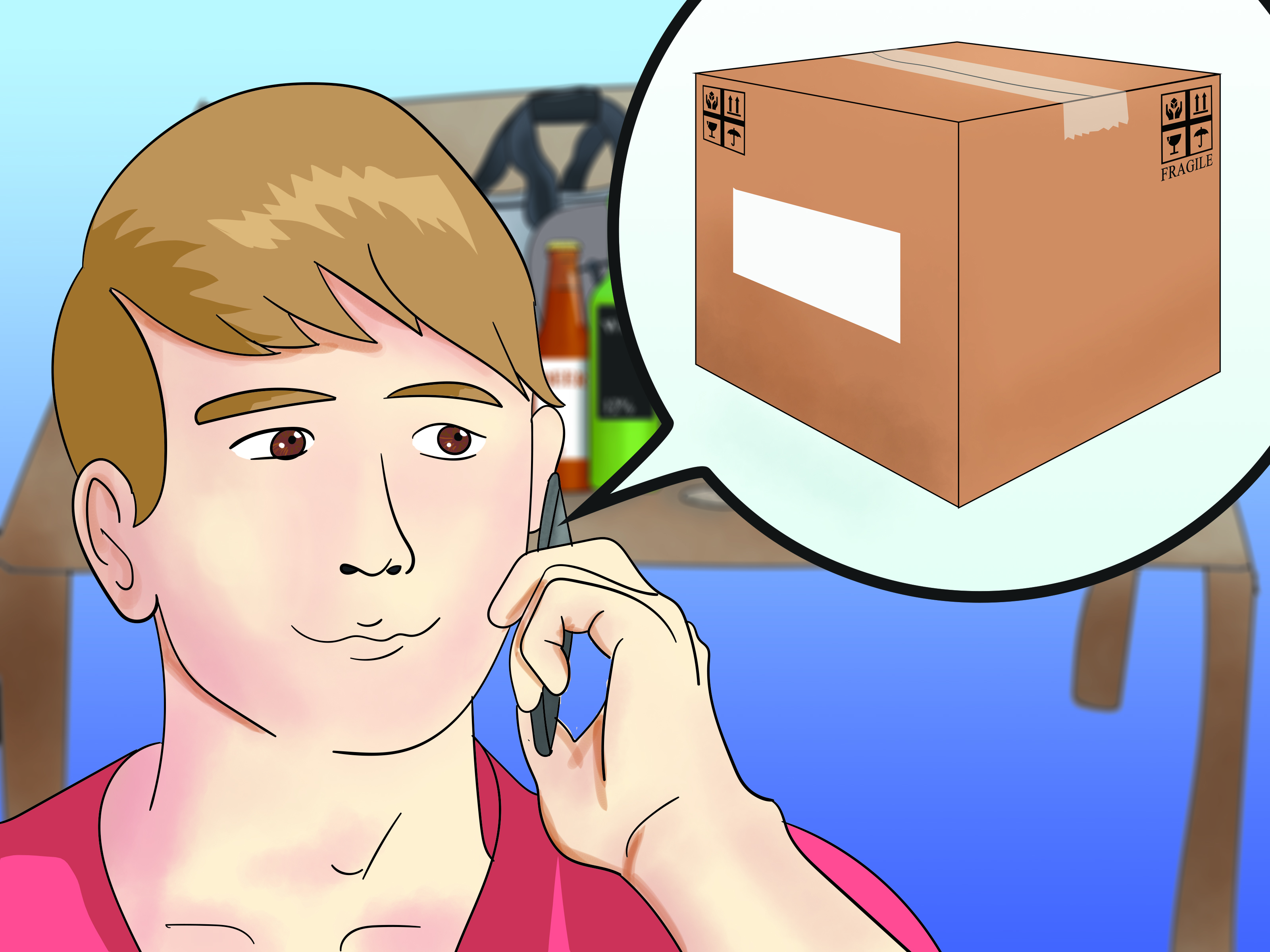
Sometimes the smartest packing strategy is not packing at all. If the item is unusually fragile, expensive, oversized, or heavily restricted, shipping may be the safer option. It can cost more, but it may also save you from a ruined suitcase, a confiscated item, or a stressful airport conversation that begins with “Well, technically…” and ends with disappointment.
What Not to Do
There are a few habits that sound clever but are usually bad ideas. Do not transfer restricted liquids into unlabeled bottles to “make them easier to pack.” Do not hide fragile containers inside shoes without any leak protection. Do not assume duty-free packaging will solve every problem on every itinerary. Do not pack liquids next to medications, batteries, or electronics. And absolutely do not wait until the night before an international flight to look up customs rules while half-zipped into your suitcase and bargaining with the universe.
Good travel packing is calm, deliberate, and legal. Desperation packing is where legends of sticky luggage begin.
Best Use Cases for These Three Methods
For Gourmet Food Souvenirs
Use the layered protection system, then isolate the item from clothes and paperwork. This works well for olive oil, maple syrup, hot sauce, and similar products purchased in sealed packaging.
For Perfume or Cosmetic Bottles
Use smaller containers when legal and practical, keep them in clear bags if traveling in carry-on luggage, and separate them from electronics and leather goods. Fragrance leaks have a special talent for making everything smell expensive and inconvenient.
For Gifts in Glass Containers
Focus on padding, center placement, and isolation from the rest of the suitcase. Gift items often come in attractive but flimsy packaging, so do not assume the pretty box is protective. It may be elegant, but elegance is not a shock absorber.
Final Thoughts
Traveling with fragile bottles and restricted liquids is not impossible. It just requires a little planning, a little restraint, and a healthy respect for the fact that airports are not gentle places. The three smartest ways to handle these items are simple: protect them with layers, isolate them from the rest of your belongings, and check the rules before you travel.
That combination helps you avoid the two biggest travel disasters in this category: losing the item itself and ruining everything around it. Nobody remembers a smooth packing job because smooth packing is wonderfully boring. But that is exactly the point. The best suitcase story is the one that never has to be told.
Travel Experiences: Lessons From People Who Learned the Hard Way
Ask frequent travelers about packing fragile bottles, and you will hear two kinds of stories. The first kind begins with confidence: “I thought it would be fine.” The second kind ends with cleanup: “So then I had to wash everything in the hotel sink.” Somewhere in between lives the real lesson.
One traveler brought home a beautiful glass bottle of regional syrup from a small mountain town. It was wrapped in a gift bag from the shop, which looked charming and felt surprisingly sturdy. Into the suitcase it went, nestled between a jacket and a pair of jeans. Unfortunately, the bottle was placed near the outer edge of the suitcase, where rough handling turned a sweet souvenir into a sticky disaster. Nothing shattered completely, but the cap loosened just enough to let syrup seep into clothes, postcards, and the seams of the suitcase lining. The traveler did save the bottle. The suitcase, however, smelled like breakfast for weeks.
Another traveler packed a luxury perfume bottle in a carry-on without thinking much about security screening. The bottle itself was lovely, heavy, and expensive-lookingthe kind of item that seems indestructible until rules enter the chat. At the checkpoint, the issue was not cushioning or glass. It was container size and carry-on liquid policy. The traveler was left making that uniquely painful airport decision: surrender the item, leave the line, or attempt a last-minute repack. That experience taught a simple truth: packing skill does not solve a rules problem.
A family returning from vacation once divided their souvenirs carelessly. One glass bottle went into the same suitcase as a tablet, charging cables, printed tickets, and a child’s travel journal. The bottle survived, but condensation and a minor leak created a mess big enough to stain paper pages and leave electronics feeling one step away from disaster. After that trip, the family changed its system completely. Liquids went in one part of the suitcase. Electronics went in another. Important papers traveled separately. It was not glamorous, but it worked.
Then there is the traveler who did everything right except one thing: they forgot to check the connection details. A duty-free purchase seemed secure and properly packaged, and it probably would have been fine on a nonstop itinerary. But the trip included a connection that required reclaiming checked baggage, passing through customs, and re-entering security. Suddenly, the packaging plan had to become a compliance plan. The traveler made it through, but only after a stressful sprint across the terminal and several minutes of that very specific airport panic where your heartbeat is louder than the announcements.
The best stories are often from people who became cautious after one bad experience. They stop relying on luck. They pack bottles in sealed bags, pad them thoroughly, center them in the suitcase, and keep them away from valuables. They read the airline rules. They check customs requirements. They take the extra five minutes at home so they do not lose fifty minutes at the airport.
That is really what experienced packing looks like. Not perfection. Not paranoia. Just a calm understanding that glass breaks, caps loosen, security rules exist, and baggage systems are not designed around your souvenir shopping dreams. Once you accept that reality, your trips get easier. Your belongings stay cleaner. And your odds of arriving without a mystery spill improve dramatically.
In travel, small preparation prevents large annoyance. That may not sound romantic, but it is the kind of wisdom that saves wardrobes, gifts, and vacation memories. And honestly, anything that keeps your suitcase from smelling like a failed chemistry project deserves a little respect.