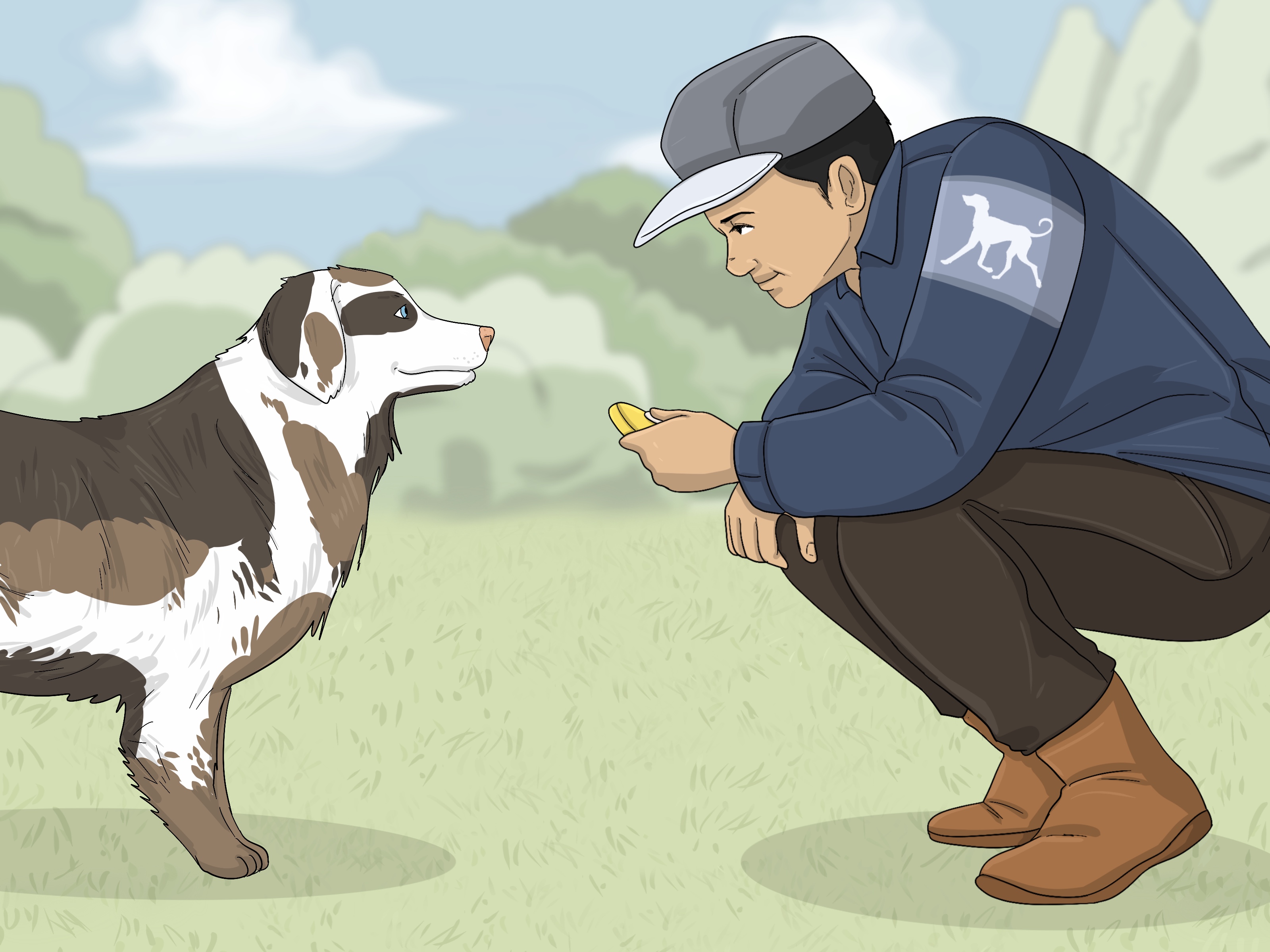
Training an Australian Shepherd is a little like hiring a brilliant intern who has already read the manual, reorganized your sock drawer, and is now staring at you because the meeting started three seconds late. Aussies are smart, energetic, loyal, and famously eager to work. That combination can make them a dream dog for active ownersand a tiny furry tornado for people who hoped “walk around the block” would count as a full-time hobby.
The good news? Australian Shepherd training does not require magic, military shouting, or pretending to be a sheep. It requires structure, positive reinforcement, consistency, exercise, mental enrichment, and a sense of humor strong enough to survive a dog who learns how to open the treat cabinet before learning “leave it.”
Below are 12 effective strategies to train an Australian Shepherd using practical, reward-based methods that build obedience, focus, confidence, and real-life manners.
Why Australian Shepherds Need a Different Training Approach
The Australian Shepherd is not a couch ornament with paws. Despite the name, the breed was developed as a working ranch dog in the United States, prized for intelligence, stamina, agility, and herding instinct. That history matters because your Aussie’s brain is not just “active”; it is actively looking for a job.
If you do not provide that job, your dog may create one. Popular self-assigned Aussie careers include shoe inspector, squirrel surveillance manager, hallway speed demon, and unpaid neighborhood security consultant. Training gives all that energy a productive direction. Instead of trying to suppress the Aussie personality, the goal is to shape it into calm, useful behavior.
1. Start Training Early, but Keep It Age-Appropriate
Begin training your Australian Shepherd as soon as they come home. Puppies are learning constantly, whether you are officially “training” or just trying to drink coffee while they bite your shoelaces. Early lessons should focus on name recognition, potty routines, crate comfort, gentle handling, short recall games, and calm exposure to household sounds.
For young puppies, think tiny lessons, not long lectures. A five-minute session with a happy ending beats a 30-minute session where both of you start questioning your life choices. Use soft praise, small treats, toys, and play to reward good choices. The aim is not perfection; it is creating a puppy who enjoys learning.
Example
Say your puppy’s name once. When they look at you, mark the moment with “yes” and reward them. Practice this in the kitchen, hallway, yard, and during walks. Soon, their name becomes a happy attention cue instead of background noise.
2. Use Positive Reinforcement as Your Main Training Tool
Australian Shepherds are sensitive, fast learners. Harsh corrections can create fear, confusion, or defensive behavior, especially in a breed that notices every eyebrow movement you make. Reward-based training works beautifully because it tells the dog exactly what to repeat.
Positive reinforcement means rewarding behaviors you like so they happen more often. Rewards can include treats, toys, tug, fetch, praise, sniffing time, access to the yard, or permission to greet someone. The trick is using what your dog actually values. A biscuit your Aussie finds boring is not a reward; it is just a dry suggestion.
Training Tip
Use high-value rewards for difficult situations, such as coming when called around distractions or walking calmly past another dog. Save lower-value rewards for easy behaviors your dog already knows.
3. Build a Daily Routine Your Aussie Can Predict
Australian Shepherds do best when the household rhythm makes sense. A predictable routine reduces chaos and helps your dog understand when it is time to work, play, rest, eat, potty, and sleep. Without structure, an Aussie may stay mentally “on duty” all day, waiting for something to happen and volunteering to make it happen.
Create a daily schedule that includes training, exercise, enrichment, meals, rest, and quiet time. This does not mean every minute must be controlled. It means your dog should know that life has patterns. Predictability helps prevent common behavior problems such as attention barking, jumping, destructive chewing, and demand behavior.
Simple Aussie Daily Framework
Try a morning potty break and walk, a short obedience session before breakfast, a midday puzzle toy or sniffing activity, an afternoon exercise block, an evening calm training session, and a consistent bedtime routine. Congratulations: you are now the manager of a very fluffy productivity department.
4. Teach the Core Commands First
Before fancy tricks, start with practical foundation cues. The most useful commands for Australian Shepherd obedience training are: sit, down, stay, come, leave it, drop it, heel, place, wait, and watch me. These commands are not just for showing off at family gatherings. They are safety tools.
“Come” can prevent a dangerous chase. “Leave it” can stop your dog from grabbing mystery sidewalk snacks, which are never as gourmet as your Aussie believes. “Place” teaches your dog to relax on a mat instead of herding dinner guests into the living room.
How to Teach a New Cue
First, lure or capture the behavior. Next, mark it with “yes” or a clicker. Then reward immediately. After several repetitions, add the verbal cue before the behavior. Practice in easy environments before adding distractions. Dogs do not automatically understand that “sit” in the kitchen also means “sit” at the park while a skateboard rolls by like a tiny thunderstorm.
5. Channel Herding Instincts Instead of Fighting Them
Aussies were bred to control movement. That means your dog may naturally want to chase, circle, nip at heels, stare, stalk, or block movement. In a ranch setting, those instincts have a purpose. In a suburban hallway, they can make your children feel like unpaid livestock.
Do not punish herding instinct harshly. Instead, redirect it into appropriate activities. Teach impulse control, reward calm walking beside moving people, and provide legal outlets such as fetch, agility, treibball, obedience games, scent work, or supervised herding lessons with a qualified trainer.
For Heel Nipping
Stop movement briefly, redirect your dog to a toy or cue such as “sit,” then reward calm behavior. Avoid squealing, running faster, or turning the moment into a thrilling chase scene. To an Aussie, that may feel less like discipline and more like premium entertainment.
6. Give Enough ExerciseBut Do Not Create an Athlete You Cannot Live With
Australian Shepherds need daily physical activity. Walks, hikes, fetch, structured play, and dog sports can help burn energy and keep the body healthy. However, exercise alone is not the whole answer. If you only run your Aussie harder every time they act wild, you may accidentally build a super-conditioned athlete who still has the impulse control of popcorn in a microwave.
Balance physical exercise with training and rest. A tired dog is nice; a trained dog is better. Use exercise as part of the plan, not the entire plan.
Smart Exercise Ideas
Try decompression walks where your dog can sniff, controlled fetch with “drop it” and “wait,” beginner agility obstacles, tug with rules, hill walks, and backyard recall games. Always match activity to your dog’s age, health, and fitness level.
7. Add Mental Enrichment Every Day
Mental stimulation is essential for Australian Shepherd training. This breed loves problem-solving. Puzzle feeders, scent games, hide-and-seek, trick training, shaping exercises, and food-dispensing toys can turn an ordinary day into a brain workout.
Mental work often tires an Aussie more effectively than endless running. Ten minutes of scent work can leave your dog satisfied in a way that a basic walk may not. Think of it as giving your dog a crossword puzzle, except the crossword smells like chicken.
Easy Enrichment Game
Hide a few treats around one room while your dog waits behind a baby gate or in another room. Release them with “find it.” Start easy, then gradually make the hiding places harder. This builds focus, confidence, and independent problem-solving.
8. Socialize Thoughtfully, Not Randomly
Socialization does not mean forcing your Australian Shepherd to meet every person, dog, bicycle, balloon, statue, and suspicious trash can in town. Good socialization means creating positive, controlled exposure to the world so your dog learns that new things are safe and manageable.
Aussies can be reserved with strangers, so early and ongoing socialization is important. Introduce your dog to different surfaces, sounds, people, calm dogs, grooming tools, car rides, vet-style handling, and public environments at a comfortable pace. Reward calm observation. Let your dog look, process, and choose engagement instead of dragging them into situations they find overwhelming.
Watch Body Language
A loose body, soft eyes, normal breathing, and willingness to eat treats usually signal comfort. Tucked tails, stiff posture, avoiding, barking, or refusing food may mean the situation is too intense. Training should build confidence, not prove bravery by flooding the dog with stress.
9. Teach Calm as a Skill
Many Aussie owners focus on action: run, jump, fetch, train, hike, repeat. But calm behavior also needs practice. “Settle” and “place” are lifesavers for a high-drive breed. Your dog should learn that relaxing on a mat is a paid position.
Start in a quiet room. Put a mat near you. Reward your dog for stepping on it, sitting, lying down, and eventually relaxing. Keep your voice soft and the rewards low-key. The goal is not excitement; the goal is “tiny yoga instructor with paws.”
When to Use It
Practice during dinner, work calls, movie time, guest visits, and after exercise. Over time, your Aussie learns that not every moment requires a dramatic contribution.
10. Train Reliable Recall With High-Value Rewards
A strong recall is one of the most important commands for an Australian Shepherd. Aussies are often people-focused, but they are also quick, curious, and movement-sensitive. A running squirrel can temporarily turn your well-trained dog into a furry missile with opinions.
Start indoors with no distractions. Say your recall cue once, such as “come,” then reward generously when your dog reaches you. Practice with happy energy, never anger. Do not call your dog for things they dislike, such as nail trims or bath time, unless you plan to reward heavily afterward.
Recall Rule
Never punish your dog after they come to you, even if they took the scenic route. From the dog’s point of view, the last thing they did was return. Reward that choice so they want to make it again.
11. Use Crate Training and Boundaries Humanely
Crate training can help with house training, safe rest, travel, and preventing destructive chewing. The crate should never be used as punishment. It should feel like a calm bedroom, not a time-out dungeon with worse interior design.
Introduce the crate gradually with treats, meals, soft bedding, and short positive sessions. Keep the door open at first. Let your dog explore. Build duration slowly. Puppies should not be crated for long stretches beyond their physical ability to hold their bladder, and all dogs need enough exercise, social time, and mental stimulation outside the crate.
Boundary Tools
Baby gates, exercise pens, leashes, tethers, and closed doors can also help manage behavior while your Aussie is learning. Management is not cheating. It is preventing mistakes while teaching better choices.
12. Practice in Real Life, Not Just the Living Room
Australian Shepherds are quick learners, but they need practice in many environments. A dog who sits beautifully in the kitchen may forget everything at the park, where the grass smells like gossip and adventure. This is normal. Dogs do not generalize perfectly without help.
Once your Aussie understands a cue at home, practice in the yard, driveway, quiet street, pet-friendly store, training class, and park at a distance from distractions. Increase difficulty slowly. Change only one challenge at a time: distance, duration, or distraction.
Real-Life Rewards
Use life rewards whenever possible. Ask for a sit before opening the door. Reward loose-leash walking by moving forward. Reward calm behavior around guests with permission to greet. Training becomes stronger when good manners make everyday life better.
Common Australian Shepherd Training Mistakes to Avoid
Training Only When Something Goes Wrong
If your dog only hears commands when you are annoyed, training becomes background static. Practice when life is calm so your Aussie has the skills before chaos arrives.
Skipping Rest
Aussies need exercise, but they also need sleep and downtime. An overtired dog can act wild, mouthy, and unfocused. Sometimes the answer is not another walk. Sometimes the answer is a nap, which is also true for humans but somehow less socially acceptable at 2 p.m.
Repeating Commands Too Many Times
Saying “sit, sit, sit, sit” teaches your dog that the cue is optional until the fourth announcement. Say the cue once, help your dog succeed, and reward the correct response.
Using Punishment Instead of Teaching
Punishment may interrupt behavior, but it often fails to teach what to do instead. Reward-based training gives your Australian Shepherd clear information and protects the trust between you.
Sample Weekly Training Plan for an Australian Shepherd
A good weekly plan mixes obedience, exercise, enrichment, and calm practice. You do not need a professional facility or a backyard the size of Montana. You need consistency.
- Monday: Practice name response, sit, down, and loose-leash walking.
- Tuesday: Add scent games and a short recall session in the yard.
- Wednesday: Work on “place” during dinner or TV time.
- Thursday: Practice “leave it” and “drop it” with toys and safe household objects.
- Friday: Visit a low-distraction public place for socialization and calm observation.
- Saturday: Try a longer hike, agility basics, fetch with rules, or a training class.
- Sunday: Review easy cues, do gentle handling practice, and let your dog enjoy a decompression walk.
When to Get Professional Help
Consider working with a qualified positive-reinforcement trainer if your Australian Shepherd shows intense reactivity, fear, aggression, separation distress, compulsive chasing, severe guarding, or behavior that feels unsafe. Professional help is not a failure. It is the dog-training equivalent of calling a plumber before the bathroom becomes an indoor pond.
Choose a trainer who uses reward-based, humane methods and is comfortable with herding breeds. Avoid trainers who rely heavily on intimidation, pain, fear, or outdated dominance language. Your Aussie does not need a boss battle; they need clear communication.
Conclusion: Train the Brain, Guide the Energy, Keep the Humor
Learning how to train an Australian Shepherd is really learning how to partner with a bright, athletic, emotionally tuned-in working dog. Aussies are not difficult because they are bad. They are challenging because they are capable. Their intelligence, loyalty, and drive need direction.
Use positive reinforcement. Build routines. Teach core commands. Provide exercise and mental enrichment. Socialize thoughtfully. Practice calm. Channel herding instincts into safe outlets. Most importantly, keep training consistent and kind.
With the right approach, your Australian Shepherd can become more than obedient. They can become a focused adventure buddy, a polite family companion, and possibly the only creature in your home who is excited when you say, “Let’s practice impulse control.”
Real-World Experience: What Training an Australian Shepherd Actually Feels Like
If you have never trained an Australian Shepherd before, the first surprise is how quickly they connect patterns. You may reward your Aussie once for sitting before the leash goes on, and by tomorrow they are sitting dramatically by the door like a tiny lawyer presenting evidence. This is wonderful, but it also means accidental training happens fast. If barking gets attention one time, your dog may file that under “effective communication strategy” and submit repeated reports.
One of the most useful experiences with Aussies is realizing that they do not simply need to “burn energy.” They need to feel successful. A long walk is helpful, but a walk with training moments is better. Ask for eye contact before crossing the street. Practice a few steps of heel near distractions. Reward your dog for looking at a cyclist without lunging. Let them sniff as a reward for polite walking. Suddenly, the walk becomes both exercise and education.
Another practical lesson: calm training may feel boring at first, but it pays enormous dividends. Many owners accidentally teach their Aussie that life is one big action movie. Fetch, chase, tug, run, repeat. Then they wonder why the dog cannot settle while guests are over. Teaching “place” or “settle” gives the dog a clear job during quiet moments. The job is not “do nothing.” The job is “relax here and earn rewards.” For an Australian Shepherd, having a jobeven a calm onemakes all the difference.
Socialization also works best when it is thoughtful rather than crowded. A busy dog park may overwhelm a young Aussie or teach bad habits. A better experience might be sitting 50 feet away from a playground and rewarding your puppy for calmly watching children run. Or standing outside a pet-friendly store and feeding treats while carts roll by. The goal is confidence, not chaos. If your dog can observe the world without feeling responsible for managing it, you are winning.
Finally, consistency matters more than intensity. You do not need to train for hours. In fact, most owners get better results from several short sessions sprinkled through the day. Practice recall before breakfast. Practice “leave it” with a toy. Practice “place” while you answer emails. Practice loose-leash walking on the way to the mailbox. These tiny repetitions become a lifestyle, and Australian Shepherds thrive when training is woven into daily life.
The most rewarding part is watching the dog mature from a busy, impulsive, adorable chaos machine into a partner who checks in, responds, thinks, and chooses well. That transformation does not happen because you “control” the Aussie spirit. It happens because you give that spirit a map.