If you have pale skin, you already know the summer struggle. One minute you are outside “just for a bit,” and the next minute your shoulders look like they lost a fight with a toaster. Fair skin can be beautiful, glowing, and downright elegant, but it usually does not play games with ultraviolet rays. That means tanning for pale skin takes strategy, patience, and a healthy respect for sunscreen.
The good news? You absolutely can get a sun-kissed look without turning yourself into a cautionary tale. The better news? In most cases, the prettiest tan for pale skin comes from a bottle, not from baking yourself like a croissant on a lounge chair. In this guide, we will break down how pale skin reacts to the sun, what “natural tanning” really means, how to use self-tanner without streaks or orange surprises, and how to keep your skin looking healthy while you chase that golden glow.
Why Pale Skin Tans Differently
Pale skin usually contains less melanin, the pigment that helps give skin some natural protection from UV damage. That is why many people with fair or very light complexions burn faster than they tan. Some pale skin tones will develop a little color over time, but many will redden first, peel second, and complain loudly throughout the entire process. Honestly, fair skin is not being dramatic. It is being honest.
This matters because a tan from the sun is not your skin getting healthier or stronger. It is your skin responding to injury. So if your goal is to look bronzed, the real challenge is not “How do I tan harder?” It is “How do I get color while keeping my skin in good shape?” That is a much smarter question.
Can You Tan Naturally With Pale Skin?
Technically, some people with pale skin can develop a light tan from sun exposure. Realistically, many fair-skinned people burn long before they get the bronze look they want. So if by “naturally” you mean getting color from actual sunlight, the answer is: maybe a little, but it comes with real trade-offs.
The truth about a “base tan”
The old idea that a base tan protects pale skin is one of beauty culture’s most stubborn myths. A base tan is still UV damage. It does not make sunburn magically disappear, and it does not turn your skin into armor. At best, it offers very little protection, and at worst, it encourages more risky exposure because people think they are somehow “prepared.” Your skin, meanwhile, is filing a formal complaint.
If you still want some natural color
If you enjoy being outdoors and want a slight sun-kissed look, think in terms of managed exposure, not marathon sunbathing. That means:
- Use broad-spectrum sunscreen with SPF 30 or higher every day on exposed skin.
- Reapply every two hours, and sooner after swimming or sweating.
- Avoid the mindset of “I’ll skip sunscreen so I tan faster.” That is not a shortcut. That is a mistake in flip-flops.
- Wear a hat, sunglasses, and lightweight protective clothing when the sun is strongest.
- Spend time outside in shorter, gentler windows instead of peak blazing hours.
Will you still get some color? Possibly. But the better goal for pale skin is usually a healthy glow, not a deep tan. Think luminous, not lobster-adjacent.
Why Self-Tanner Is Usually the Best Option for Pale Skin
If you want color without the downside of UV tanning, self-tanner is your best friend. Most self-tanners work by using dihydroxyacetone, often called DHA, which reacts with the outer layer of the skin to create a temporary darkening effect. In other words, it gives the appearance of a tan without asking your skin to stand in the path of UV damage like a tiny heroic soldier.
For pale skin, self-tanner has three huge advantages. First, it is more predictable than sun exposure. Second, you can control the depth of color. Third, you can keep your skin-protection habits in place. That last part matters because self-tanner does not protect you from the sun. A faux glow is not the same thing as sunscreen.
How to Choose the Best Self-Tanner for Pale Skin
Not every self-tanner is ideal for fair complexions. If your skin is light, the goal is believable warmth, not “I went to sleep in February and woke up in July.” Look for formulas marketed as gradual, buildable, light, or light-to-medium. These are often easier to control and less likely to go on too dark too fast.
What to look for
- Gradual tanning lotion: Great for beginners and for very fair skin.
- Mousse: Popular because it dries faster and often applies evenly with a mitt.
- Drops: Useful if you want to mix a bit of color into your moisturizer.
- Fragrance-sensitive formulas: Helpful if your skin gets cranky easily.
- Hydrating ingredients: A smoother skin surface usually means a smoother-looking tan.
If you have sensitive skin, eczema, rosacea, or a history of irritation from fragranced products, do a patch test first. A glamorous tan is not worth an angry rash.
How to Prep Pale Skin Before Self-Tanner
Preparation is where good self-tans are born. Most self-tanner disasters are not really color problems. They are prep problems wearing a fake mustache.
Step 1: Exfoliate gently
Exfoliate your skin before applying self-tanner, especially dry or rough areas like elbows, knees, ankles, and wrists. This helps remove dead skin cells so the color goes on more evenly. Do not scrub like you are sanding a deck. Gentle is enough.
Step 2: Shave or wax ahead of time
If you shave or remove hair, do it before applying self-tanner. Give your skin a little time to calm down afterward, especially if it gets easily irritated. Freshly shaved skin plus tanning product can be a recipe for stinging, blotchiness, or dark dots around hair follicles.
Step 3: Moisturize the dry spots
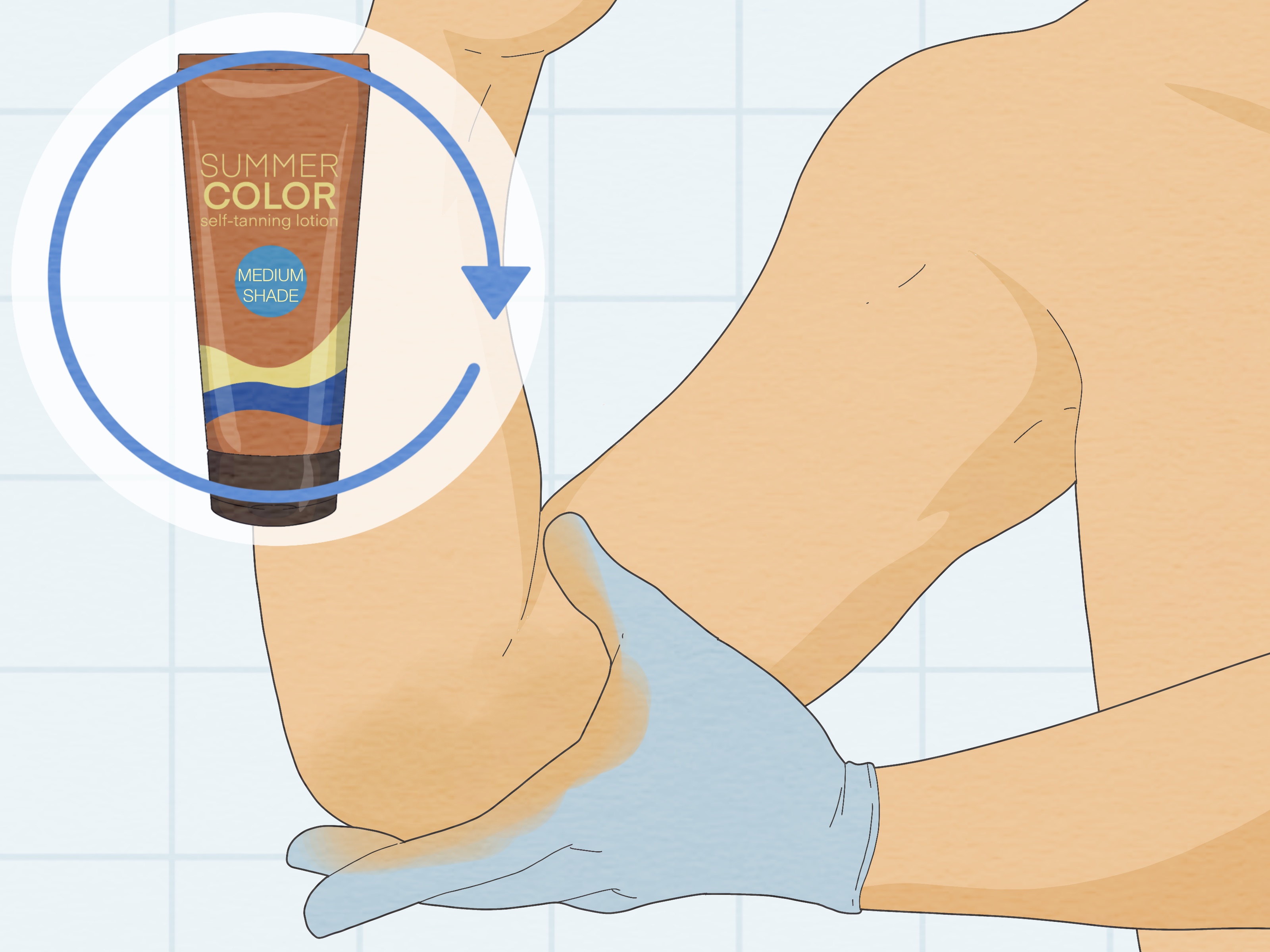
Apply a light moisturizer to the driest parts of your body before tanning. This includes hands, feet, elbows, knees, and ankles. These areas tend to grab extra pigment, which is how a subtle glow turns into “Why are my knuckles a different species?”
How to Apply Self-Tanner for a Natural Result
Once your skin is prepped, it is showtime. A good application is less about speed and more about consistency.
Simple self-tanner routine
- Start with clean, dry skin.
- Use a tanning mitt if the product works with one.
- Apply in sections: legs, torso, arms, then hands and feet last.
- Use less product on joints and bony areas.
- Blend carefully around wrists, ankles, and the hairline.
- Wash your palms after applying if you did not use a mitt.
- Let the product dry fully before getting dressed.
- Wear loose, dark clothing while it develops.
For the face, use a facial self-tanner or tanning drops mixed into moisturizer. Body tanners can sometimes be too strong or irritating for delicate facial skin. Your face deserves better than “whatever was left on the mitt.”
How to Avoid the Classic Pale-Skin Self-Tanner Mistakes
Fair skin tends to show mistakes more clearly, which is rude but true. Here are the big ones to avoid:
Going too dark too fast
A dramatic color jump can look unnatural on very light skin. Build gradually instead. One believable shade deeper usually looks far better than trying to become a bronze statue overnight.
Skipping the hands, then overdoing the hands
The hands are where many fake tans go to confess their crimes. Use a tiny amount, blend thoroughly, and wipe over knuckles and nails if needed.
Applying on dry, flaky skin
Self-tanner clings to rough patches. If your skin is dry, the tan can look speckled, patchy, or uneven. Hydrated skin almost always wears self-tanner better.
Forgetting sunscreen afterward
This is a big one. Self-tanner gives color, not UV protection. You still need sunscreen, shade, and all the other smart sun habits.
How to Make a Self-Tan Last Longer
Once you get a good result, the next mission is maintenance. A few habits make a big difference:
- Moisturize daily to slow uneven fading.
- Avoid long, hot baths if you want the color to last.
- Pat your skin dry instead of rubbing it hard with a towel.
- Use gentle body wash rather than harsh exfoliating cleansers.
- Touch up lightly instead of redoing your whole body too often.
If your tan fades in patches, resist the urge to pile more product on top of dry flakes and hope for a miracle. Exfoliate gently, smooth the skin, and then reapply with a calmer plan.
Is Spray Tanning Better Than At-Home Self-Tanner?
Spray tans can work beautifully for pale skin, especially before events. They are convenient, fast, and often expertly blended. But they are not automatically perfect. Spray tans can still look uneven if your skin is dry, and overspray can irritate some people. If you choose a spray tan, protect your eyes, lips, and nose as directed and follow the salon’s aftercare instructions carefully.
At-home self-tanner, on the other hand, gives you control. You can build color slowly and fix small mistakes without panic-texting everyone you know. For many pale-skinned beginners, that control is a major advantage.
When Pale Skin Should Skip Tanning Experiments
Sometimes the smartest tanning plan is no tanning plan. Check with a dermatologist before experimenting heavily if you:
- Have a history of severe sunburns
- Have eczema, psoriasis, rosacea, or very reactive skin
- Notice changing moles or unusual spots
- Have had skin cancer or a strong family history of it
- Use acne treatments, retinoids, or exfoliating acids that make skin more sensitive
Skin goals are fun. Skin cancer screenings are more fun than skin cancer treatment. Perspective helps.
What Actually Looks Best on Pale Skin
Here is the secret many people learn after years of chasing the “perfect tan”: pale skin does not need to become deeply bronze to look healthy. Often, the most flattering result is simply a little warmth, a little evenness, and a lot of glow. That can come from tinted body lotion, gradual self-tanner, bronzing drops, or strategic makeup on the shoulders and collarbones.
In other words, the winning look is not “as tan as possible.” It is “fresh, even, and believable.” That is especially true for cool-toned or very fair skin, where a subtle golden tint usually looks far more polished than a dark artificial shade.
Experiences and Real-Life Lessons From Pale-Skinned Tanners
People with pale skin often describe the same tanning journey, and it usually begins with optimism and ends with a strong opinion about aloe vera. Many start out thinking they can “just be careful” in the sun, only to discover that careful and fair-skinned are not always the same thing. A beach day turns into a shoulder burn. A “quick walk” becomes a pink nose. A vacation photo reveals tan lines shaped like straps, sunglasses, and regret.
One common experience is realizing that natural tanning is rarely as smooth or glamorous as it sounds. Fair skin can tan unevenly. The chest may darken first, the legs may barely change, and the face may get irritated faster because it is already exposed every day. Some people notice freckles becoming more visible long before they see an actual tan. Others find that after a few days in the sun, their skin looks dull, dry, or tight instead of glowy. That is often the moment the self-tanner conversion begins.
Another very relatable experience is the first self-tanner mistake. Almost everyone has one. Maybe the ankles got too dark. Maybe the wrists looked suspicious. Maybe the palms took on a color best described as “cinnamon emergency.” But once people learn the basics, many say self-tanner feels much easier than trying to outsmart the sun. The routine becomes manageable: exfoliate, moisturize dry spots, apply in sections, let it dry, and go live your life looking like you just came back from a wholesome outdoor weekend instead of a UV wrestling match.
People with pale skin also talk about how much better gradual tanners fit real life. Instead of committing to a dramatic overnight change, they can build color slowly and stop when it looks right. That approach tends to feel less stressful and more natural, especially for beginners. A subtle result often gets more compliments too, because it looks like healthy skin rather than “I made a bold decision in my bathroom.”
There is also the confidence factor. Many fair-skinned people say the point of tanning is not actually to look dark. It is to feel a bit more even-toned, more polished, or more comfortable showing arms and legs in warmer weather. A slight glow can make skin look smoother and can soften the contrast of visible veins, redness, or winter paleness. That is why so many eventually decide that a believable faux tan beats a risky real one.
Perhaps the biggest lesson people share is this: pale skin is not a flaw that needs fixing. It is just a skin tone with its own needs. Once you stop fighting it and start working with it, tanning becomes much less frustrating. You protect your skin better, choose color more strategically, and stop measuring success by how bronze you can get. The best “tan” for pale skin is often the one that leaves your skin looking healthy, calm, and happy. And if that glow comes from a bottle while your sunscreen is still doing its job, that is not cheating. That is wisdom with excellent blending skills.
Conclusion
If you have pale skin, the safest way to get a tan-like glow is usually with self-tanner, not long sun sessions or tanning beds. Natural sun exposure may create some color for a few people, but it also raises the risk of burning, uneven pigmentation, and long-term skin damage. A better approach is to protect your skin daily, keep your expectations realistic, and use buildable sunless products for the color you want.
The best tan for fair skin is not the darkest one. It is the one that looks natural, wears evenly, and does not ask your skin to suffer for beauty. That is a glow worth keeping.