Getting a compliment text should be easy, right? Someone says something nice, you smile, you reply, the world keeps spinning. And yet many of us read a sweet message, freeze like a malfunctioning robot, and suddenly forget every word in the English language except “lol thanks.”
If that sounds familiar, welcome to the club. Compliment texts can feel flattering, awkward, exciting, suspicious, adorable, or all five at once. The good news is that you do not need to write a perfect response worthy of a Nobel Prize in Texting. Most of the time, the best reply is simple, warm, and matched to the moment.
This guide breaks down exactly how to respond to a compliment text without sounding arrogant, dismissive, overly intense, or like you accidentally copied a greeting card. You will get practical tips, real examples, and easy reply formulas for friendly, flirty, professional, and awkward situations.
Why Compliment Texts Feel Weird in the First Place
A compliment can land in a surprisingly complicated part of your brain. On one hand, it feels good to be noticed. On the other, a lot of people are trained to downplay praise so they do not seem full of themselves. That is why so many responses drift into awkward territory: “Stop, no I’m not,” “You’re lying,” or the classic “Haha this old thing?” which sounds like you are either starring in a vintage sitcom or hiding a chandelier in your closet.
The problem is not modesty. The problem is deflecting so hard that you accidentally reject the kind gesture. When someone sends a genuine compliment, they are usually trying to connect, encourage, flirt, or show appreciation. A good response accepts the compliment without turning it into a debate.
Think of it this way: a compliment text is a tiny gift. You do not need to write a speech about it. You just need to receive it well.
The Best Rule for Replying to a Compliment Text
The golden rule is simple: accept, appreciate, and match the tone.
In plain English, that means:
1. Accept it
Do not argue with the compliment. If someone texts, “You looked amazing tonight,” replying with “No, I looked terrible” creates unnecessary friction. You do not have to suddenly become your own press agent. Just let the compliment exist.
2. Appreciate it
A sincere “thank you” goes a long way. It is graceful, easy, and almost impossible to mess up. If your mind goes blank, this is your emergency exit.
3. Match the tone
A compliment from your boss should not get the same reply as a compliment from your crush. A playful message can get a playful answer. A professional message should get a professional answer. A sweet text from your partner can be answered with warmth. Tone matters more than word count.
A Simple Formula That Always Works
When you are not sure what to say, use this formula:
Thank you + small reaction + optional follow-up
Here is what that looks like:
- Thank you: “Thanks so much.”
- Small reaction: “That made me smile.”
- Optional follow-up: “You are really kind to say that.”
Put together, it becomes: “Thanks so much, that made me smile. You’re really kind to say that.”
That is it. No drama. No overthinking. No disappearing into the forest because someone said you looked nice.
How to Respond Based on the Situation
When the compliment is friendly and casual
These are the easiest to answer. Keep it simple, upbeat, and relaxed.
- “Thank you! That’s really sweet.”
- “Aww, thanks. I appreciate that.”
- “Thanks so much. You just made my day better.”
- “That’s kind of you to say. Thank you.”
- “Haha, thanks. That means a lot.”
These replies work well when a friend compliments your outfit, your photo, your work, or your vibe in general. They sound warm without making the exchange overly serious.
When the compliment is flirty
If you like the person and want to keep the energy going, reply with a little sparkle. Not fireworks. Just sparkle. Think playful, not chaotic.
- “Wow, you’re making me blush. Thank you.”
- “That was smooth. I like it.”
- “Thanks. Careful, I might start expecting this level of charm.”
- “You’re pretty cute when you say things like that.”
- “Thank you. I could get used to these messages.”
- “Well now I’m smiling at my phone like a dork, so thanks for that.”
A flirty reply works best when it still sounds like you. If you are naturally dry and funny, lean into that. If you are sweet, be sweet. The goal is not to sound like a movie character. The goal is to sound interested.
When the compliment is from your partner
This is a good chance to receive the affection and build connection. Acknowledge the compliment, then add warmth back into the conversation.
- “Thank you, love. That means a lot coming from you.”
- “You always know how to make me smile.”
- “That’s so sweet. I feel lucky to have you.”
- “Thank you. I was hoping you’d notice.”
- “You’re the reason I’m grinning at my screen right now.”
With a partner, a compliment text is not just about the compliment. It is also about reinforcing affection and appreciation. A tiny thoughtful response can do a lot.
When the compliment is professional
Work compliments deserve a calm, confident response. This is not the time for “Stopppp I’m just a mess lol.” Professional does not mean cold, though. You can be gracious and still sound human.
- “Thank you, I really appreciate that.”
- “Thanks so much. I’m glad the project landed well.”
- “I appreciate your feedback. I put a lot of care into that.”
- “Thank you. That means a lot coming from you.”
- “Thanks, I’m happy to hear that it was helpful.”
These responses acknowledge the praise without shrinking away from it. They also show maturity, which is a lot better than pretending your effort was created by woodland fairies.
When you want to return the compliment
Returning a compliment can be lovely, but it should feel genuine. Do not fire back a random compliment just because you feel socially obligated. “Thanks, your elbows are incredible too” is not the energy we are aiming for.
Instead, say something real:
- “Thank you. That’s so kind, and honestly, you always know how to make people feel good.”
- “I appreciate that. You looked great too.”
- “Thank you. And now that we’re being honest, your sense of humor is undefeated.”
- “That’s sweet of you to say. You’re pretty wonderful yourself.”
The best return compliment is specific and believable. Keep it honest, and it will feel natural instead of transactional.
What Not to Text Back
Some replies sound harmless but can make the moment awkward fast. Here are the main traps to avoid:
1. Do not reject the compliment
Examples:
- “No I’m not.”
- “You’re just saying that.”
- “I looked terrible, actually.”
This makes the sender defend their compliment, which is exhausting for everyone involved.
2. Do not over-explain
Examples:
- “Thanks but I was tired and rushed and my hair was weird and I almost changed three times and…”
A text reply does not need a behind-the-scenes documentary.
3. Do not sound arrogant
Examples:
- “I know.”
- “Obviously.”
- “Took you long enough to notice.”
Unless you share that kind of humor and are very sure it will land, skip it.
4. Do not force a fake compliment back
If you do not have a genuine compliment to return, just say thank you. Sincerity beats symmetry.
How to Handle Different Types of Compliments
Compliments about your appearance
These are common over text because photos, selfies, and quick reactions live in our phones now. A good response can be short and confident.
- “Thank you! That’s sweet.”
- “Aww, thanks. You just boosted my mood.”
- “Thanks so much. I was actually feeling unsure, so that helps.”
Compliments about your personality
These often hit harder because they feel more personal. Let them land.
- “That means a lot. Thank you.”
- “Wow, that’s a really thoughtful thing to say.”
- “I appreciate that more than you know.”
Compliments about your work or talent
You are allowed to own your effort. Receiving praise for something you actually worked on is not bragging. It is basic emotional adulthood.
- “Thank you. I worked hard on that, so I really appreciate hearing it.”
- “Thanks, that means a lot to me.”
- “I appreciate it. I’m glad it came through the way I hoped.”
How to Reply When the Compliment Feels Too Much
Not every compliment deserves the same kind of welcome. Sometimes the message is too intense, too personal, too fast, or just plain weird. Maybe it feels manipulative. Maybe it feels like someone is trying to force intimacy. Maybe it is a compliment wearing a fake mustache and suspicious shoes.
In these situations, you do not need to reward the energy. You can stay polite and still protect your space.
Neutral responses for unwanted or overly intense compliments
- “Thank you.”
- “That’s kind of you to say.”
- “I appreciate the message.”
- “Thanks, hope you’re having a good day.”
These replies acknowledge the message without opening the door wider.
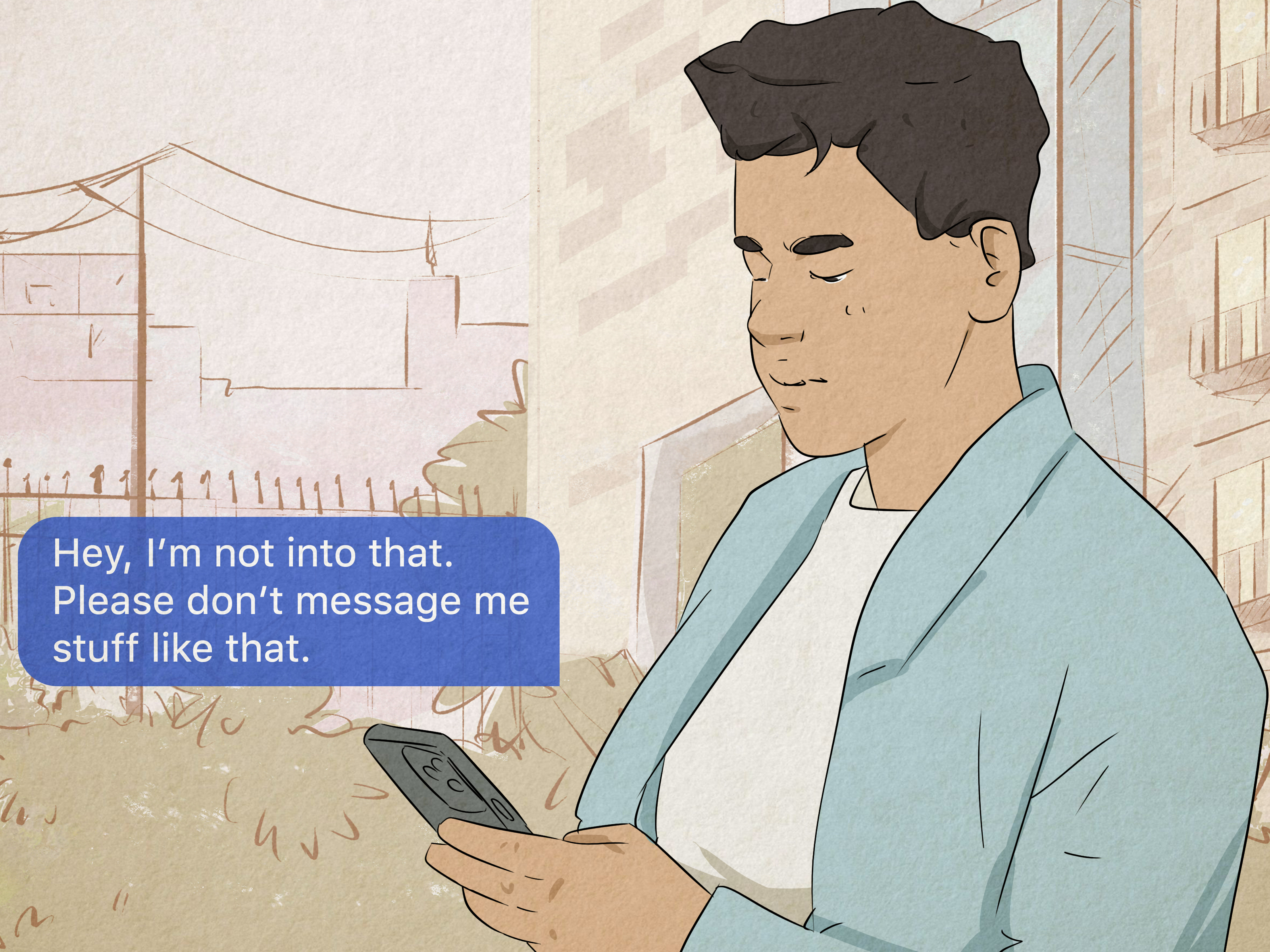
Boundary-setting responses
- “Thanks, but I’d rather keep things friendly.”
- “I appreciate the compliment, though that feels a little too personal for me.”
- “You’re kind to say that, but I’m not looking for that kind of conversation.”
- “Thanks, but let’s keep it respectful.”
Clear beats confusing. Kind beats cruel. Short beats long. You do not owe a TED Talk every time someone makes you uncomfortable.
How to Respond to a Backhanded Compliment
A backhanded compliment is praise with a tiny dagger hidden inside it. For example: “You look good today,” “You’re actually smarter than I expected,” or “That outfit is flattering for you.” Very generous. Truly the poetry of our age.
You have a few options depending on the situation:
Option 1: Stay calm and neutral
- “Okay.”
- “Thanks.”
- “Interesting way to put that.”
Option 2: Name it politely
- “I’m not sure that came across as a compliment.”
- “That feels a little backhanded.”
- “I’d prefer a compliment without the extra sting.”
Option 3: End the exchange
- “I’m going to leave it there.”
- “Noted.”
- “Let’s move on.”
You do not need to perform gratitude for disrespect.
25 Easy Example Replies You Can Actually Use
Short and simple
- “Thank you!”
- “Aww, thanks.”
- “That’s so kind. Thank you.”
- “Thanks, I appreciate that.”
- “You’re sweet. Thank you.”
Warm and thoughtful
- “That really made me smile. Thank you.”
- “I appreciate that more than you know.”
- “That was such a nice message to receive.”
- “Thanks so much. That means a lot.”
- “You just made my day better.”
Playful and flirty
- “Careful, I might start liking these compliments a little too much.”
- “Wow, okay, smooth talker.”
- “Thanks. You’re not so bad yourself.”
- “You’re making it very hard for me to play it cool.”
- “Well now I’m blushing at my phone.”
Professional and polished
- “Thank you, I really appreciate the feedback.”
- “I’m glad it was helpful. Thank you.”
- “Thanks so much. I put a lot of effort into it.”
- “I appreciate that. It means a lot.”
- “Thank you. I’m glad the work resonated.”
When you want to keep some distance
- “Thank you.”
- “That’s kind of you to say.”
- “I appreciate the message.”
- “Thanks, but I’d rather keep things friendly.”
- “I appreciate it, though I’m not comfortable taking this further.”
The Real Secret: Confidence Sounds Calm
The best compliment text responses are not overly polished. They are not dramatic. They are not desperate to impress. They are calm. A calm response signals self-respect. It says, “I heard your kind words, I received them, and I do not need to turn this into an emotional gymnastics routine.”
That is why “Thank you, that’s really sweet” often works better than a clever line you spent 14 minutes composing. Confidence is usually quiet. It does not need confetti cannons.
Experience-Based Lessons: What People Usually Learn After a Few Awkward Texts
Most people do not become good at responding to a compliment text because they studied a rulebook. They get good at it after sending a few clumsy replies, rereading them in horror, and promising themselves they will never again type “haha stopppp I’m ugly” to someone who was literally trying to be nice. In that sense, compliment texting is a tiny social skill with a very human learning curve.
One common experience is realizing that short replies often work better than long ones. People tend to panic and overcompensate. They think a compliment requires a perfectly balanced message that is humble, charming, intelligent, emotionally aware, slightly funny, and somehow mysterious. In real life, a simple “Thank you, that made me smile” usually lands better than a paragraph stuffed with disclaimers. The lesson is obvious once you see it: the reply feels smoother when you stop trying to manage every possible impression.
Another experience many people have is learning the difference between genuine modesty and automatic self-rejection. At first, it can feel normal to argue with every compliment. Some people do it because they are shy. Others do it because they think denying praise makes them seem humble. But over time, they notice that rejecting kind words does not make them look modest. It mostly makes the other person feel awkward. Once that clicks, receiving a compliment becomes easier. You do not have to agree that you are the greatest human alive. You just have to stop acting like the compliment is a courtroom accusation.
There is also a useful lesson in tone. People often discover that the best reply depends less on the compliment itself and more on who sent it. A friend can get a cheerful “Aww, thanks.” A crush might get something playful. A coworker deserves a cleaner, more professional message. And someone sending over-the-top flattery when you barely know them might get a polite but neutral response. Experience teaches you that a good reply is not just about being nice. It is about being appropriate.
Then there is the boundary lesson, which is not as fun but is very important. Sometimes a compliment is not really a compliment. Sometimes it is pressure, manipulation, or a sneaky way to speed up intimacy. People who have dealt with that often become much better at giving brief, clear replies. They learn that “Thanks, but I’d rather keep things friendly” is not rude. It is healthy. Knowing when to stay warm and when to stay firm is part of becoming a more confident communicator.
In the end, the biggest experience-based truth is this: the best response is the one that sounds like a steadier version of you. Not a cooler you. Not a flirtier you. Not a fake ultra-confident you with mysterious movie dialogue. Just you, with less panic and better punctuation.
Final Thoughts
If you remember nothing else, remember this: when someone sends a sincere compliment text, you do not need to impress them with the perfect comeback. You just need to receive the kindness well. A thank you, a little warmth, and the right tone will carry you through most situations beautifully.
So the next time a compliment lands in your messages, do not spiral, do not argue with it, and do not audition for the role of “most emotionally unavailable person in the chat.” Smile, keep it simple, and reply like someone who knows kind words are allowed to land.