body
h1,h2,h3{line-height:1.25}
h1{margin:0 0 10px}
.sub{margin:0 0 18px;color:#444}
.callout{border:1px solid #ddd;border-left:6px solid #111;padding:14px 14px 14px 16px;border-radius:10px;background:#fafafa;margin:18px 0}
.warn{border-left-color:#b00020;background:#fff7f8}
.tip{border-left-color:#0b57d0;background:#f4f8ff}
.grid{display:grid;grid-template-columns:1fr 1fr;gap:14px}
@media (max-width:780px){.grid{grid-template-columns:1fr}}
ul{margin:10px 0 14px 22px}
.checklist li{margin:6px 0}
figure{margin:16px 0;padding:14px;border:1px dashed #cfcfcf;border-radius:12px;background:#fcfcfc}
figcaption{color:#444;font-size:.95rem;margin-top:10px}
.badge{display:inline-block;font-size:.78rem;padding:3px 8px;border:1px solid #ddd;border-radius:999px;background:#fff;margin-right:6px;color:#333}
.hr{height:1px;background:#eee;margin:20px 0}
.seo{background:#0b1020;color:#eaf0ff;padding:16px;border-radius:12px;overflow:auto}
a{color:inherit}
.tiny{font-size:.92rem;color:#444}
A practical, photo-friendly guide to spotting scabies clueswithout turning your bathroom mirror into a detective show (okay, maybe a tiny detective show).
Scabies Rash in 60 Seconds: The “Big 4” Clues
- Clue #1Intense itchingoften worse at night.
- Clue #2Small itchy bumps (often “pimple-like”), sometimes in clusters.
- Clue #3Burrows: tiny, slightly raised, wavy/curvy lines that can look grayish-white or skin-colored.
- Clue #4Location pattern: finger webs, wrists, elbows, armpits, waistline, belly button area, buttocks, nipples, and genitals are classic hot spots (the mites have opinions about real estate).
What Does a Scabies Rash Look Like?
Scabies can be sneaky because it doesn’t have one “exclusive” look. In photos, it may resemble hives, insect bites, pimples, eczema-like patches, or a mix of all of the above. The most helpful approach is to look for a patternboth in how it looks and where it shows up.
Common photo appearances
Often red, pink, brown, or gray depending on skin tone; may appear in lines or clusters. Scratching can make them look angrier than they started.
Short, thin, wavy lines (sometimes with a tiny darker dot at one end). They can be hard to spot because people often have only a small number of mites in typical scabies.
Because the itch can be intenseespecially at nightphotos may show excoriations (scratch lines) more than the original bumps.
Thick, crusty, grayish or yellow-brown scaling can signal crusted scabies, which is extremely contagious and needs urgent medical care.
“With Pictures”: A Mini Visual Guide You Can Use While Comparing Photos
Since everyone’s skin tone and reaction can vary, the best “picture trick” is to compare what you see to the shape and distribution scabies tends to create. Here are simple illustrations plus what a real photo commonly shows.
Wavy “track” (burrow) often short, thin, slightly raised; sometimes a tiny dot at one end
Wrists / finger webs
Elbows
Armpits
Waistline / belly button area
Buttocks / groin
Note: Infants/very young children may also have rash on the head, face, neck, palms, and soles.
Where Scabies Shows Up: Adults vs. Kids
Common in older children and adults
- Between fingers, around nails
- Wrists, elbows, armpits
- Waistline, belly button area
- Buttocks
- Nipples, penis/scrotum/vulvar region (scabies can spread through sexual contact, but it is not “only” an STI)
More widespread in babies and very young children
Infants and toddlers can have involvement on the scalp, face, neck, palms, and soles, and the rash can look like welts, blisters, or crusty bumpsnot just the “classic” small papules adults get.
Timing Matters: When Did the Itch Start?
Scabies has an inconvenient superpower: symptoms may be delayed. If it’s your first exposure, itching and rash can take weeks to appear. If you’ve had scabies before, symptoms can show up much fastersometimes within days. That timing can help explain why “no one knows where it came from,” even when it clearly came from somewhere.
How to Do a Smart Self-Check (Without Over-Diagnosing Yourself)
You can’t confirm scabies at home with certainty, but you can gather clues that make a medical visit faster and more productive.
Step 1: Take “comparison photos”
- Use the same lighting each time (bright natural light is best).
- Photograph the same spots daily for 3–5 days: finger webs, wrists, waistline, elbows, and any new itchy clusters.
- Include a simple size reference (like a coin) beside the rash.
Step 2: Look for the scabies pattern
- Night itch that’s out of proportion to what you see
- New bumps appearing in “favorite zones” (hands/wrists/waistline)
- Thin wavy lines (burrows), especially on hands
- Household spread (or close-contact spread)
Step 3: Note what it’s NOT doing
Scabies usually doesn’t behave like a one-and-done mosquito bite. If you’re getting new itchy spots daily, and they’re clustering in classic areas, that’s a stronger scabies-style story than “I guess a spider moved in and pays rent in bites.”
Scabies vs. Lookalikes: How to Tell the Difference in Photos
Scabies vs. bed bug bites
- Bed bugs: often on exposed skin (arms, legs, face/neck), sometimes in lines; itch varies; no burrows.
- Scabies: loves finger webs/wrists/skin folds; night itch is common; burrows may be present.
Scabies vs. eczema/contact dermatitis
- Eczema/dermatitis: often dry, scaly patches; triggered by irritants, allergies, new products; may improve with topical steroids (at least temporarily).
- Scabies: tends to spread through close contact; multiple household members may itch; burrows and classic distribution make it more suspicious.
Scabies vs. folliculitis
- Folliculitis: bumps centered on hair follicles, often tender; common on thighs, buttocks, beard area.
- Scabies: can involve buttocks, but also finger webs/wrists; itch is usually the headline symptom.
How Doctors Confirm Scabies
Clinicians often diagnose scabies by examining the skin and asking about itching patterns and close contacts. To confirm, they may do a skin scraping and look under a microscope for mites, eggs, or mite waste. Confirmation is helpful because it prevents unnecessary treatments and helps you avoid missing another condition that needs a different plan.
Treatment Basics (So Your Rash Doesn’t Become a Group Project)
Scabies requires prescription treatment. The big goal is to treat everyone who had close contact at the same time and handle clothes/bedding so you don’t get reinfested. Two common medical treatments are topical permethrin 5% cream and, in some cases, oral ivermectin (especially for crusted scabies or widespread cases). Follow the exact instructions you’re givenmore is not better here.
The “apply it correctly” details people commonly miss
- Classic scabies treatment often involves applying medication to the skin (commonly from neck down in older children/adults), then washing it off after the recommended time (often overnight).
- Medication must reach skin folds and tricky spots (between fingers/toes, under nails, belly button, buttock crease, groin).
- Infants and very young children may need scalp/face involvement treated only as directed by a pediatric clinician.
Household cleaning: what matters (and what doesn’t)
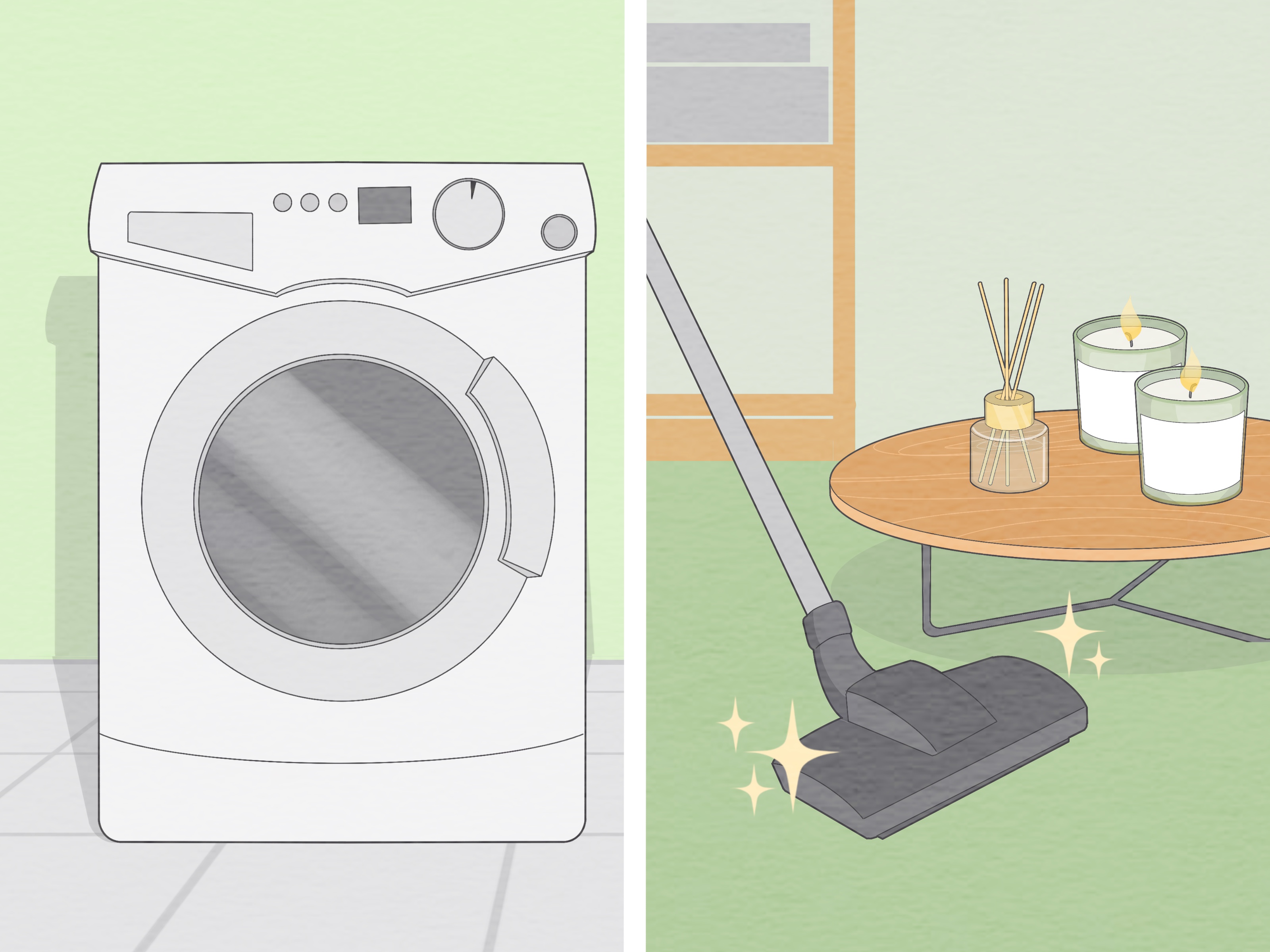
- Wash bedding, towels, and clothing using hot water and a hot dryer when possible.
- Dry-clean items you can’t wash.
- Seal unwashable items in a closed bag for at least several days (often at least 72 hours).
- Vacuum upholstered furniture and carpets.
- Pesticide sprays/foggers on furniture or mattressesgenerally not helpful for scabies control in homes.
- Repeatedly re-applying scabies medication “just in case” without medical guidance (it can irritate skin and make the rash look worse).
Why You Can Still Itch After Treatment (And When That’s a Red Flag)
Itching can persist for weeks after successful treatmentoften called post-scabies itchbecause your immune system can stay irritated even after the mites are gone. This is frustrating but common. Clinicians sometimes recommend soothing options (like calamine, cool baths, or antihistamines) depending on the person.
When It’s Probably Not Scabies
- The itch is mild and the rash is limited to one small patch that directly matches a new product or jewelry contact point.
- No one else in close contact is itchy after a couple of weeks (not a perfect rule, but it lowers suspicion).
- The “rash” is mostly flaky scalp dandruff or isolated acne-like bumps without night itch or classic distribution.
When to Seek Care Quickly
- Signs of infection: increasing redness, warmth, swelling, pus, fever, or painful crusting.
- Possible crusted scabies: thick crusts/scales, widespread involvement, or someone at high risk (older adults, immunocompromised individuals).
- Infants, pregnant people, or anyone with significant medical conditionsbecause treatment choice and application details matter.
- Outbreak settings: dorms, shelters, nursing facilities, correctional facilities, daycare/classroom clusterspublic health guidance may be needed.
Real-Life Experiences People Commonly Report (About )
These are composite, typical experiencesmeant to help you recognize patterns and avoid common mistakes, not to diagnose you.
1) “It was the night itch that finally made it click.”
A lot of people describe the itch as the main event. During the day, it might feel annoying-but-manageable. Then nighttime shows up like an uninvited DJ and turns the volume way up. One common story: someone thinks it’s dry winter skin, changes lotions, switches detergents, and even buys fancy “sensitive skin” soap. Nothing helps. The rash might look like small bumps on wrists and between fingerseasy to blame on “stress” or “new hand sanitizer.” The clue that pushes them to get checked is often a second person in the household starting to itch too, usually with bumps in similar places.
2) “I treated myself… but I didn’t treat my environment or contacts.”
Scabies has a talent for turning into a boomerang when only one piece of the plan is done. People commonly report: they used medication once, felt hopeful, then a week later the itch returned and they assumed the medicine “didn’t work.” In many cases, it’s not resistanceit’s reinfestation. Household members or close contacts can carry mites even before they feel itchy, so treating only the person with the rash can leave a hidden loop open. The other common miss is forgetting items like bedding, towels, and frequently worn clothes from the days before treatment. Once they treat everyone at the same time and handle laundry/bagging properly, the cycle usually breaks.
3) “The rash looked different on different skin tones.”
Photos online can be misleading because rashes don’t read the same on every person. Some people notice more redness; others notice texturetiny bumps you can feel more than you can see. Burrows can be subtle, sometimes looking like faint, crooked lines rather than an obvious “track.” A helpful real-world tip people mention: using consistent lighting for photos (same bathroom, same time of day) makes it easier to tell whether new bumps are appearing or if you’re just noticing the same area differently.
4) “The itch lasted after treatment, and I panicked.”
Post-treatment itching is a frequent anxiety trigger. Many people expect instant relief and feel defeated when the itch hangs around. It’s common to still itch for a while because the skin remains inflamed even after mites are killed. People often say the turning point is learning to watch for new lesions rather than focusing only on itch level. If the itch gradually improves and new bumps stop appearing, that’s generally reassuring. When symptoms keep intensifying or new burrows show up, that’s when follow-up care becomes important.
5) “The most surprising part was how ordinary it was.”
One of the biggest takeaways people share is that scabies isn’t a “rare, exotic” problem. It can spread anywhere close contact happensfamilies, roommates, childcare settings, sports teams, care facilities. The emotional side is real: embarrassment, frustration, and worry about stigma. The most practical mindset shift is: treat it like you would head liceunpleasant, yes, but manageable, common, and solvable with the right steps.
Conclusion
Recognizing a scabies rash is less about finding a perfect “textbook bump” and more about spotting a pattern: intense itch (often worse at night), small bumps, possible burrows, and a classic distribution on hands/wrists/skin foldsoften shared by close contacts. If your photos and symptoms match that pattern, the fastest route to relief is a medical diagnosis and a coordinated treatment plan for you, your close contacts, and your environment.