Note: This article is written as original, publish-ready content and is based on widely accepted elevator safety practices, workplace etiquette principles, accessibility guidance, and public-space courtesy standards from reputable U.S. sources.
Elevators are tiny moving rooms where strangers briefly become roommates. Nobody signed a lease, nobody brought snacks, and somehow everyone must cooperate in a space roughly the size of a generous walk-in closet. That is why elevator etiquette matters. It keeps traffic moving, protects personal space, supports accessibility, and prevents those awkward moments where four adults perform a silent hallway ballet because no one knows who should step aside.
The good news? Practicing good elevator manners is not complicated. You do not need a degree in social engineering or a clipboard labeled “Vertical Transportation Protocol.” You simply need patience, awareness, and a willingness to remember that other people exist before the doors open.
Whether you are riding an elevator at work, in an apartment building, at a hotel, in a hospital, or at a shopping center, the same basic rules apply. Let people exit first. Respect personal space. Keep noise low. Give priority to people who need the elevator most. Do not turn the ride into a mobile phone concert. And, perhaps most importantly, do not panic if you miss one elevator. Another one is coming. It is not a once-in-a-century comet.
What Is Elevator Etiquette?
Elevator etiquette is the set of polite, practical behaviors people follow when using elevators. It includes how to wait, enter, stand, speak, press buttons, exit, and respond when the elevator is crowded or delayed. At its heart, elevator etiquette is about three things: safety, courtesy, and efficiency.
Elevators work best when people move in a predictable order. If passengers exiting the elevator can leave first, there is more room for new riders to enter. If everyone stands with reasonable spacing, no one feels trapped in a human sandwich. If conversations stay quiet, the ride remains comfortable for coworkers, neighbors, visitors, and anyone just trying to survive Monday morning with coffee intact.
Good elevator etiquette is especially important in office buildings and public spaces because your behavior can affect how people perceive you. The elevator may be a short ride, but it is still a shared environment. A little courtesy can make you look calm, professional, and considerate. A little rudeness can make people remember you as “the person who blocked the doors while arguing with a sandwich.” Choose your legacy wisely.
How to Practice Good Elevator Etiquette: 15 Steps
1. Stand to the Side While Waiting
The first rule of proper elevator etiquette begins before you even step inside. When waiting for an elevator, stand to one side of the doors instead of directly in front of them. This gives exiting passengers a clear path and prevents the classic doorway traffic jam.
Think of the elevator doorway like a tiny airport runway. People need space to land before others take off. Standing off to the side shows that you understand the flow: first out, then in. It also keeps you from accidentally startling someone when the doors open.
2. Let Passengers Exit First
This is the golden rule of elevator manners: always allow people to exit before you enter. It is simple, efficient, and beautifully logical. When people leave first, there is more room for you to get in. When you push in early, you create a crowd puzzle nobody asked to solve.
Wait a moment after the doors open. Look to see whether anyone is getting off. If passengers are exiting, step back and give them room. Do not hover in the doorway like a very determined statue. A small pause can prevent shoulder bumps, dropped bags, spilled drinks, and irritated facial expressions sharp enough to slice cheese.
3. Give Priority to People Who Need the Elevator Most
One of the most important elevator etiquette tips is to be mindful of accessibility. Elevators are essential for people using wheelchairs, walkers, canes, crutches, mobility scooters, or strollers. They are also important for people carrying heavy items, older adults, pregnant people, injured individuals, and anyone who cannot safely use stairs.
If an elevator is crowded and someone clearly needs it more than you do, consider waiting for the next one if you can. This is not only polite; it helps create a more accessible and respectful public space. You may be able to take the stairs or wait thirty seconds. Someone else may not have that option.
4. Do Not Rush the Doors
We have all seen the dramatic elevator sprint: someone spots closing doors and launches forward like an action hero trying to stop a spaceship. While it may feel urgent, rushing the doors is rarely worth it. Running toward an elevator can surprise passengers, block people exiting, or lead to accidents.
If you are close and someone is safely holding the door, walk in calmly. If the doors are already closing, let them close. Another elevator will come. Your dignity, unlike that elevator, may not return as quickly if you dive through the doors holding a laptop and a half-eaten muffin.
5. Hold the Door Briefly, Not Forever
Holding the elevator door can be polite when someone is nearby and clearly trying to board. Press the “door open” button or gently place your hand near the sensor if the elevator allows it. However, do not hold the elevator for a distant friend who is still finishing a conversation, adjusting a backpack, or making a life decision near the lobby plants.
Good workplace elevator etiquette means balancing kindness with respect for everyone else’s time. Holding the door for a few seconds is considerate. Holding it long enough for a group chat to arrive from another floor is a hostage situation with fluorescent lighting.
6. Move to the Back When You Enter
If you enter an empty or nearly empty elevator and will not get off immediately, move toward the back or side. This allows other passengers to enter smoothly. Standing directly in front of the doors when you are going several floors can block traffic and force everyone else to squeeze around you.
Of course, use common sense. If you are getting off at the next stop, staying near the front is reasonable. But when you are riding several floors, make room. Elevators are not large, so a small adjustment can make the entire ride more comfortable.
7. Respect Personal Space
Elevators challenge personal space because everyone is packed into a small area. Still, you can practice good elevator etiquette by leaving as much room as possible between yourself and others. Avoid leaning into people, brushing against them unnecessarily, or standing so close that they can identify your lunch choices by scent.
When the elevator is crowded, personal space becomes limited. In that case, face forward, keep your arms and bags close to your body, and avoid unnecessary movement. The goal is not perfect comfort; it is shared survival with manners.
8. Keep Conversations Quiet and Brief
An elevator is not the best place for loud storytelling, private drama, or a full business presentation. If you are talking with someone, keep your voice low and your topic appropriate for a public space. Remember that everyone else can hear you, even the person pretending very hard to study the floor numbers.
In professional settings, avoid discussing confidential company information, client details, office gossip, or personal issues. Elevators are small, but rumors have excellent cardio. If a conversation is sensitive, wait until you are in a private location.
9. Avoid Loud Phone Calls
Few things test public patience like a loud phone call in a packed elevator. Signal may be poor, voices echo, and nobody else has chosen to join your conversation. If you are on a call before entering, say something like, “I’m stepping into an elevator; I’ll call you back in a minute.” Then pause the call or keep it extremely brief.
Texting quietly is usually fine as long as you are not blocking the doors or walking into people. Speakerphone, video calls, and loud audio should be avoided. Your fellow passengers did not buy tickets to your podcast.
10. Practice Good Hygiene and Respiratory Courtesy
Because elevators are enclosed spaces, basic hygiene matters. If you need to cough or sneeze, cover your mouth and nose with a tissue or your elbow. Dispose of tissues properly and clean your hands when possible. If you are sick, consider wearing a mask in crowded public spaces, especially in healthcare buildings or around vulnerable people.
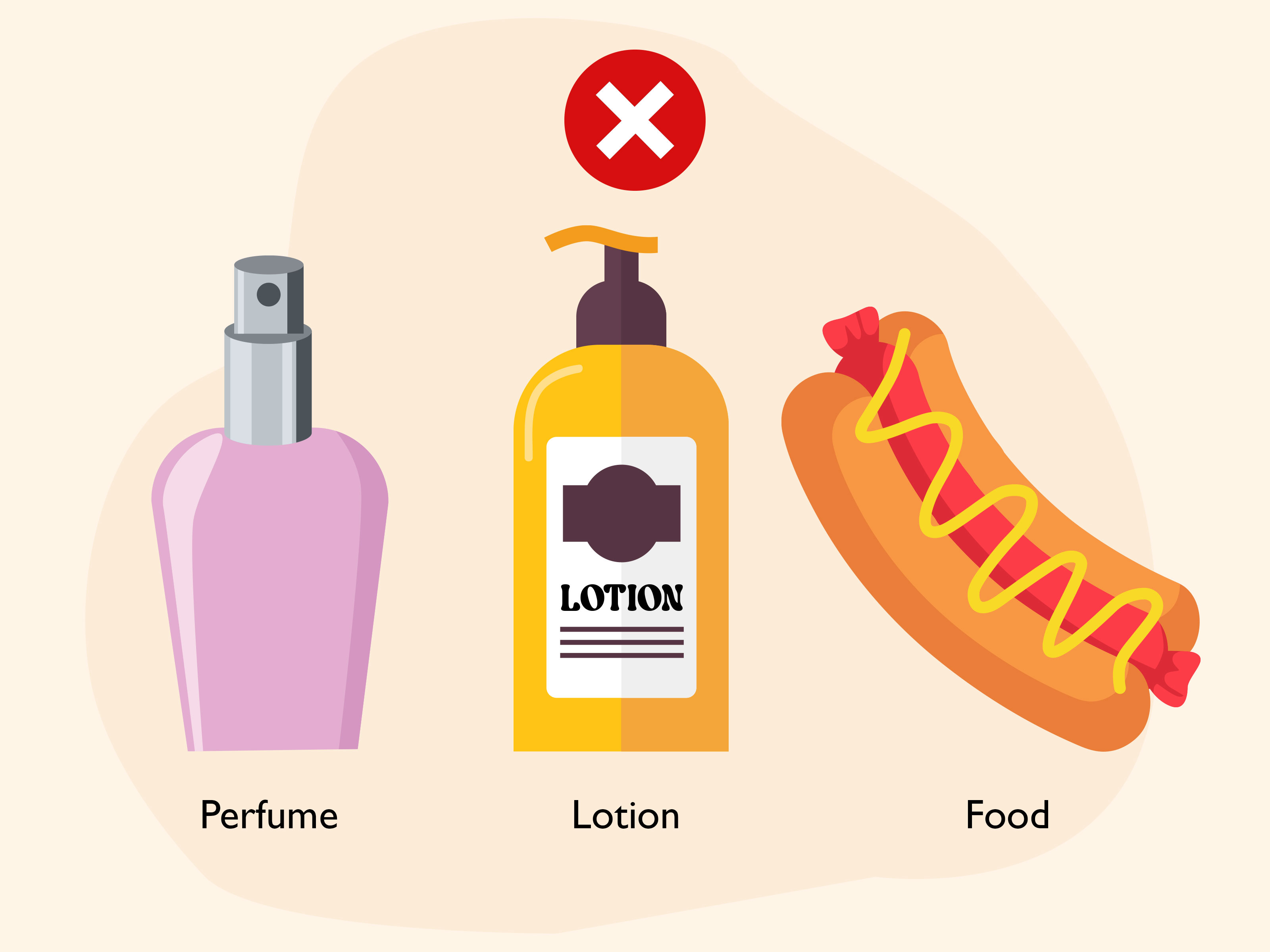
Also be mindful of strong odors. Heavy perfume, overpowering cologne, smoky clothing, or very fragrant food can become intense in a small elevator. You may love your garlic fries deeply, but the 12th-floor accounting team does not need to experience them at full volume.
11. Ask Politely Before Pressing Buttons for Others
If you are standing near the control panel, it is courteous to ask, “What floor?” or “Would you like me to press a button?” This small gesture helps passengers who cannot easily reach the panel and keeps the elevator moving smoothly.
If someone asks you to press a floor button, do it politely if you can. If you need someone else to press your floor, say “Could you press five, please?” A simple “please” and “thank you” still work wonders. Civilization is built on small phrases and functioning door sensors.
12. Do Not Block the Doorway
Blocking the elevator doors slows everyone down and can create safety problems. Keep bags, luggage, carts, and your own body clear of the doorway. If the elevator stops at a floor and people behind you need to exit, step out temporarily if necessary, then re-enter after they leave.
This is especially important in crowded elevators. If you are near the front and someone says, “Excuse me, this is my floor,” move. Do not make them climb around you like they are navigating an obstacle course at a team-building retreat.
13. Be Patient During Crowded Times
Morning arrivals, lunch breaks, checkout times at hotels, and the end of the workday can make elevators crowded. During these busy periods, patience becomes part of elevator safety and etiquette. Let people exit, avoid pushing, and do not complain loudly about the wait.
If the elevator is full, wait for the next one. Forcing yourself into a packed elevator is uncomfortable for everyone and may exceed capacity limits. When the elevator looks full, believe your eyes. Do not try to become the final puzzle piece unless there is genuinely safe space.
14. Be Careful With Bags, Backpacks, and Luggage
Backpacks, tote bags, rolling suitcases, umbrellas, and gym bags can take up more room than you realize. In an elevator, keep your belongings close. Remove a bulky backpack if needed and hold it by your side. Position luggage so it does not block the doors or trip other passengers.
In hotels, airports, dorms, and apartment buildings, this rule becomes extra important. A suitcase has wheels, ambition, and no manners of its own. You are responsible for making sure it does not attack someone’s ankles.
15. Stay Calm if the Elevator Stops Unexpectedly
Although elevators are designed with safety systems, delays and temporary stops can happen. If an elevator stalls, stay calm. Use the emergency call button or phone inside the elevator to contact help. Do not try to force the doors open or climb out unless trained emergency personnel instruct you to do so.
Good elevator etiquette includes staying considerate under stress. Speak calmly, make room if someone feels anxious, and avoid spreading panic. The safest response is to communicate with building staff or emergency responders and wait for qualified help.
Elevator Etiquette in the Workplace
Workplace elevator etiquette deserves special attention because the elevator is often part of your professional environment. You may ride with coworkers, supervisors, clients, visitors, vendors, or people from other departments. Even a short ride can shape impressions.
Keep conversations professional. Avoid complaining about coworkers, discussing confidential projects, or making jokes that could be misunderstood. If you are entering with a client or guest, let them exit comfortably and guide them politely if they are unsure where to go. If the elevator is crowded, do not use the ride as a networking ambush. Nobody wants an elevator pitch in an actual elevator before coffee.
Also remember that silence is acceptable. You do not have to fill every elevator ride with conversation. A smile, nod, or simple “Good morning” is often enough. Professional courtesy does not require performing a one-person musical about quarterly goals.
Elevator Etiquette in Apartments, Hotels, and Public Buildings
In apartment buildings, elevator etiquette helps neighbors coexist peacefully. Avoid holding the elevator too long, keep pets close, and be careful when moving furniture or large packages. If your dog is excited, keep the leash short and give other passengers space. Not everyone wants a surprise nose boop before breakfast.
In hotels, guests often ride with luggage, children, strollers, or event clothing. Be patient. Let families exit together. Give extra space to people carrying bags or trays. At checkout time, elevators may be slow, so plan ahead instead of treating the “close door” button like a stress toy.
In hospitals and medical buildings, courtesy matters even more. People may be sick, injured, grieving, tired, or assisting someone vulnerable. Keep your voice low, respect mobility needs, and avoid unnecessary crowding. If someone using medical equipment needs space, step back or wait for the next elevator when possible.
Common Elevator Etiquette Mistakes to Avoid
Even polite people make elevator mistakes. The most common one is entering before others exit. Another is standing in the doorway while deciding whether to get on. If you are unsure, step aside and decide quickly. The elevator is transportation, not a philosophy seminar.
Other mistakes include talking loudly, playing videos without headphones, pressing buttons repeatedly, crowding riders, leaning on the control panel, eating messy food, holding the door too long, and ignoring people who need help reaching buttons. These behaviors may seem small, but in a confined space they feel bigger.
A good rule is this: if your behavior would be annoying in a quiet waiting room, it will probably be annoying in an elevator. The difference is that in an elevator, nobody can politely escape until the next floor.
Why Good Elevator Manners Matter
Practicing good elevator etiquette is not about being fancy or old-fashioned. It is about making shared spaces easier for everyone. Elevators bring together people with different schedules, abilities, moods, and needs. A little patience can prevent conflict. A little awareness can improve accessibility. A little quiet can protect someone else’s peace.
Good manners also make movement more efficient. Letting people exit first speeds up boarding. Standing aside reduces bottlenecks. Moving to the back creates room. Keeping bags close prevents delays. These are small actions, but they add up in busy buildings where hundreds or thousands of people use elevators every day.
Most importantly, elevator etiquette reminds us that courtesy is not dramatic. It is often simple, quiet, and practical. It is holding the door for two seconds, not twenty. It is saying “excuse me” before passing. It is waiting for the next elevator when someone else clearly needs the space. It is understanding that good manners are not about making yourself look important; they are about making everyone’s ride a little less awkward.
Real-Life Experiences and Practical Lessons About Elevator Etiquette
One of the funniest things about elevators is that they reveal human behavior in fast motion. In less than a minute, you can see patience, impatience, kindness, confusion, confidence, and the mysterious person who presses the already-lit button as if the elevator needs emotional encouragement.
A common experience happens in office towers during the morning rush. The elevator arrives, the doors open, and people waiting outside instinctively move forward. But inside, three people are trying to exit. For two seconds, everyone freezes. Then comes the awkward shuffle: someone steps left, another steps right, one person apologizes to a briefcase, and everyone suddenly becomes a student of modern dance. The lesson is simple: stand aside first. Those two seconds of patience prevent the whole doorway from becoming a polite traffic accident.
Another familiar situation occurs when someone near the button panel becomes the unofficial elevator captain. This person presses floors for everyone, holds the door at the right time, and sometimes announces stops with the quiet confidence of a train conductor. If you find yourself in that position, embrace it politely. Ask, “What floor?” Press the button. Step back. No need to add commentary unless the building is confusing. The best elevator captain is helpful, not theatrical.
Then there is the crowded elevator with one passenger wearing a large backpack. The backpack swings. People dodge. Someone’s coffee gets nervous. The person wearing it may have no idea they are taking up extra space because the backpack is behind them. This is why removing a bulky backpack or holding it low by your side is such a useful habit. It instantly creates room and reduces accidental bumps. In a crowded elevator, your bag should not have more personal space than the people.
Hotel elevators create their own etiquette challenges. Families may enter with children, strollers, pool bags, and luggage. Some guests are rushing to checkout. Others are half-awake and holding tiny paper cups of lobby coffee like survival equipment. In this environment, patience is everything. If you are traveling alone and can wait for the next elevator, doing so may help a family or someone with luggage board more comfortably. That small choice can make travel less stressful for everyone.
Apartment elevators offer another lesson: you may see the same people again. The neighbor you ignore today may be the person collecting your package tomorrow. A simple nod, smile, or “Have a good one” can make shared living feel friendlier without forcing conversation. At the same time, respecting quiet is important. Some neighbors want to chat; others want to ride in peaceful silence. Elevator etiquette means reading the room, even when the room is moving.
Medical buildings teach perhaps the most serious lesson. Not everyone’s needs are visible. Someone who looks healthy may be dizzy, recovering from surgery, dealing with pain, or assisting a loved one. That is why it is wise not to judge people for taking the elevator only one floor. You do not know their situation. Courtesy means leaving room for possibilities, including the ones you cannot see.
Another real-world moment happens when the elevator stops and someone at the back needs to exit. The best response from people near the front is to step out briefly or move aside quickly. This feels minor, but it shows awareness. The wrong response is to flatten yourself slightly and hope the person can squeeze past. Unless you are a sliding door, that strategy rarely works well.
Phone calls also create memorable elevator moments. A loud call can turn a peaceful ride into a public broadcast. The polite move is easy: pause the call and say you will call back. Most people understand. In fact, it often makes you look more professional because you are respecting both the caller and the passengers around you.
The best elevator experiences are usually uneventful. People wait, exit, enter, make space, ride quietly, and leave. No drama. No doorway duel. No one learns too much about a stranger’s dentist appointment. That is the beauty of good elevator etiquette: when everyone practices it, nobody notices muchand that is the point. The ride becomes smooth, safe, and ordinary in the best possible way.
Conclusion
Learning how to practice good elevator etiquette is really about learning how to share a small space with awareness and respect. The 15 steps are simple: wait to the side, let passengers exit first, prioritize accessibility, avoid rushing, hold doors briefly, move inward, respect personal space, keep conversations quiet, limit phone calls, practice hygiene, help with buttons, avoid blocking doors, stay patient, manage bags carefully, and remain calm during delays.
Elevators may be small, but they offer a daily chance to practice courtesy. You do not need grand gestures. You just need thoughtful ones. Give people room. Use polite words. Keep noise low. Wait your turn. When in doubt, choose the action that makes the ride safer, smoother, and less awkward for everyone. That is elevator etiquette at its best: quiet, practical, and pleasantly free of unnecessary hallway choreography.