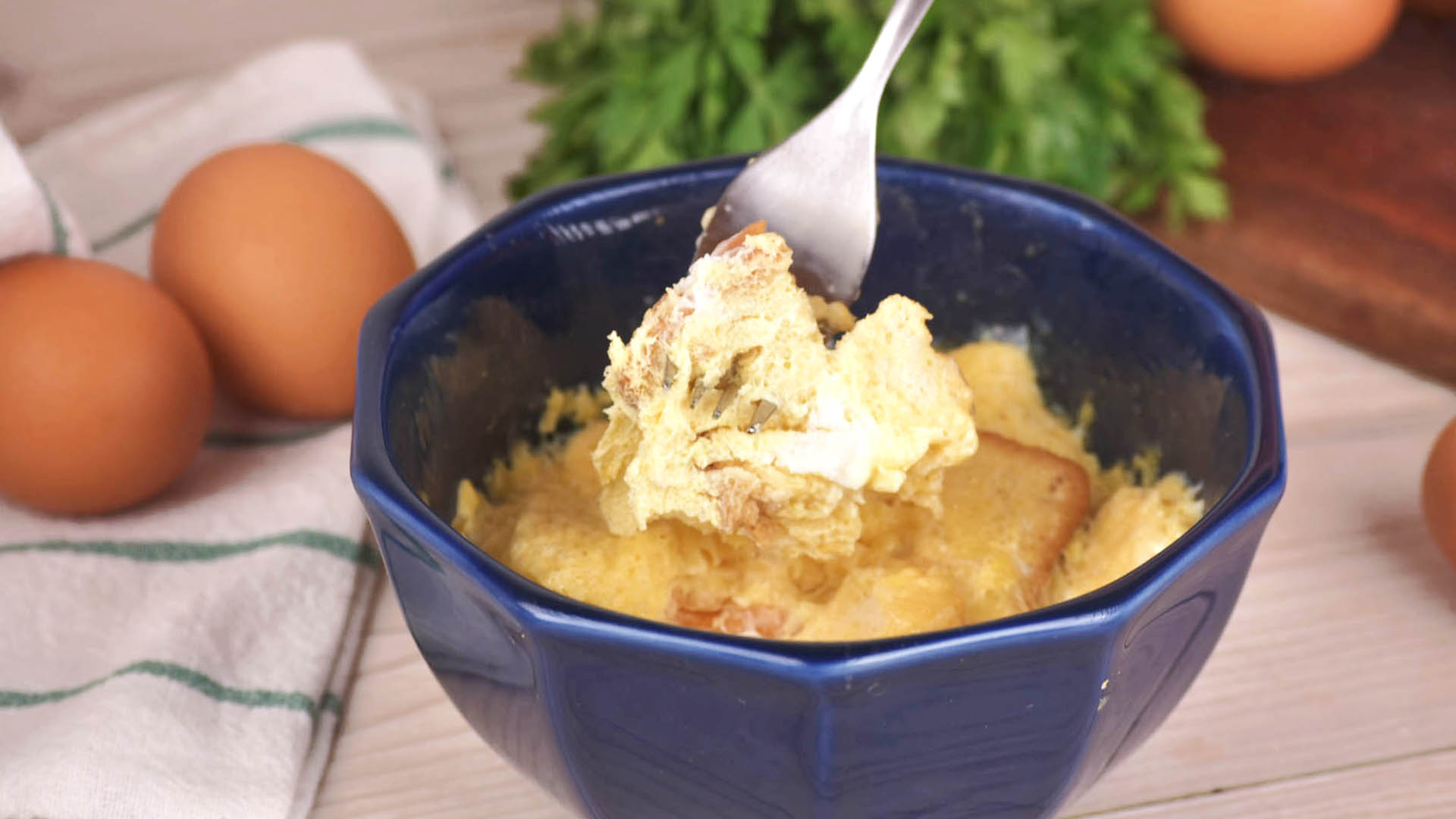
Microwave scrambled eggs sound like the kind of meal invented by someone wearing pajamas at noon and calling it “brunch.” And honestly? Respect. When done correctly, scrambled eggs in the microwave are fast, fluffy, affordable, and surprisingly satisfying. They are perfect for busy mornings, dorm rooms, office kitchens, tiny apartments, quick lunches, and those nights when washing a skillet feels like climbing Mount Everest with a spatula.
The secret is not simply cracking eggs into a mug and blasting them into rubbery yellow confetti. Microwave eggs need a little kindness: a microwave-safe bowl, a splash of liquid, short cooking intervals, stirring, and a minute of patience while the heat finishes the job. Follow the right method, and you get soft, tender curds instead of an egg puck that could bounce off the counter.
This guide explains exactly how to make scrambled eggs in a microwave in 5 easy steps, with food-safety tips, timing adjustments, flavor ideas, common mistakes, and practical experience notes from real-life microwave breakfast survival. Grab two eggs, a fork, and your favorite mug. Breakfast is about to happen faster than your coffee can cool down.
Why Make Scrambled Eggs in the Microwave?
Microwave scrambled eggs are not trying to replace a slow, buttery skillet scramble made by a chef whispering encouragement over low heat. They have a different mission: speed, convenience, and minimal cleanup. You can make them in about two minutes, eat them from the same bowl, and return to your day without creating a sink full of breakfast evidence.
This method is especially useful when you have limited kitchen equipment. If you are in a dorm room, a shared office kitchen, a hotel room with a microwave, or a small apartment where counter space is considered a luxury item, microwave eggs are a practical little miracle. They also work well for meal shortcuts: tuck them into a tortilla, slide them onto toast, add them to an English muffin, or serve them beside fruit and oatmeal for a quick protein boost.
Eggs are naturally versatile. They pair well with cheese, herbs, salsa, vegetables, avocado, ham, turkey, spinach, mushrooms, and hot sauce. In other words, scrambled eggs are basically the friendly neighbor of breakfast foods. They get along with everyone.
Ingredients You Need
For one serving of basic microwave scrambled eggs, you only need a few ingredients. Keep it simple first, then upgrade once you understand the timing.
- 2 large eggs
- 1 to 2 tablespoons milk, water, or half-and-half
- Pinch of salt
- Pinch of black pepper
- Butter, oil, or nonstick cooking spray for the bowl
- Optional toppings: shredded cheese, chives, parsley, salsa, spinach, diced ham, or cooked vegetables
Milk gives the eggs a slightly richer texture. Water creates a lighter, fluffier result. Half-and-half makes them creamier, though it can feel heavier if you use too much. The best starting point is one tablespoon of liquid per two eggs. Think of it as giving the eggs a tiny spa day, not a swimming pool.
Tools You Need
The tool list is refreshingly short:
- A microwave-safe bowl, ramekin, or large mug
- A fork or small whisk
- A microwave-safe plate or paper towel for covering
- Oven mitt or towel for handling the hot bowl
Choose a bowl that gives the eggs room to rise and bubble slightly. A 12- to 16-ounce mug or small bowl works well for two eggs. Avoid metal, decorative dishes with metallic trim, and anything that is not labeled microwave-safe. Eggs cook quickly, and your bowl can get hot, so handle it carefully.
How to Make Scrambled Eggs in a Microwave in 5 Easy Steps
Step 1: Grease a Microwave-Safe Bowl
Lightly coat the inside of your microwave-safe bowl or mug with butter, oil, or nonstick cooking spray. This small step saves you from chiseling egg bits off the bowl later like an archaeologist discovering breakfast fossils.
A little fat also improves texture and flavor. You do not need much. A quick swipe of butter or a light spray is enough. If you skip this step, the eggs may stick to the sides, especially if they overcook.
Step 2: Whisk the Eggs with Liquid and Seasoning
Crack two eggs into the bowl. Add one to two tablespoons of milk or water, plus a pinch of salt and pepper. Whisk thoroughly with a fork until the yolks and whites are fully blended. The mixture should look smooth and evenly yellow, without streaks of clear egg white.
Whisking matters more than people think. Whole eggs cooked in the microwave can pop or cook unevenly if the yolk and white are not broken and mixed. Scrambled eggs are safer and smoother because the mixture is beaten before cooking.
If you want cheese, add a tablespoon or two after whisking. If you are using watery vegetables like tomatoes, mushrooms, or spinach, cook or drain them first. Extra moisture can make the eggs loose and weepy, which is not the breakfast mood we are chasing.
Step 3: Microwave for 30 Seconds, Then Stir
Microwave the egg mixture on high for 30 seconds. Remove the bowl carefully and stir from the edges toward the center. The edges usually cook first because microwaves heat unevenly, so stirring helps distribute the cooked curds and the still-liquid egg.
This is the most important technique in the whole recipe. Do not microwave the eggs for two minutes straight unless you want a yellow sponge with emotional damage. Short bursts create softer curds and give you control.
Step 4: Continue Cooking in Short Bursts
Return the bowl to the microwave and cook for another 20 to 30 seconds. Stir again. Continue cooking in 10- to 20-second bursts until the eggs are mostly set but still look slightly glossy. For most microwaves, two large eggs take about 60 to 90 seconds total, but timing depends on microwave wattage, bowl shape, egg size, and how cold the eggs were when you started.
A powerful 1,100-watt microwave may finish the eggs quickly. A lower-wattage microwave may need more time. The first time you try this method, stay nearby and watch closely. Eggs can go from silky to squeaky in a matter of seconds.
Step 5: Let the Eggs Stand, Fluff, and Serve
When the eggs are just set, let them stand for about one minute before eating. Carryover heat will finish cooking the eggs gently. Then fluff with a fork and add toppings such as chives, shredded cheddar, salsa, or a tiny pat of butter.
For food safety, scrambled eggs should be cooked until set, not runny. If the eggs still look wet after standing, microwave them for another 10 seconds and check again. If you are cooking for young children, older adults, pregnant people, or anyone with a weakened immune system, be especially careful to cook egg dishes thoroughly.
Microwave Scrambled Egg Timing Guide
Every microwave has its own personality. Some are gentle. Some behave like tiny kitchen volcanoes. Use this timing guide as a starting point, then adjust based on your machine.
| Egg Amount | Liquid | Suggested Cooking Pattern | Total Time |
|---|---|---|---|
| 1 large egg | 1 teaspoon to 1 tablespoon | 20 seconds, stir, then 10-second bursts | 35 to 60 seconds |
| 2 large eggs | 1 to 2 tablespoons | 30 seconds, stir, then 20-second bursts | 60 to 90 seconds |
| 3 large eggs | 2 to 3 tablespoons | 45 seconds, stir, then 20-second bursts | 90 seconds to 2 minutes |
The eggs are done when they are softly set, fluffy, and no longer liquid. They should not be dry, hard, or steaming like they just returned from a sauna. If they look perfect inside the microwave, they may be slightly overdone by the time you sit down. Pull them when they are almost finished and let the residual heat do the final work.
Best Tips for Fluffy Microwave Scrambled Eggs
Use a Wider Bowl for Softer Curds
A mug is convenient, but a small bowl often creates better texture because the eggs spread out more evenly. A tall, narrow mug can cook the bottom and edges faster than the center. If you want fluffier curds, use a wider microwave-safe bowl and stir well.
Do Not Skip the Stirring
Stirring is the difference between scrambled eggs and a confused omelet. Stir after the first cooking burst, then again between each shorter burst. This breaks up the curds and prevents hot spots.
Add Cheese Near the End
Cheese is wonderful, but too much cheese added too early can make the eggs oily or dense. For best results, stir in shredded cheese when the eggs are about halfway cooked, or sprinkle it on top after cooking and let it melt during the standing time.
Season Lightly at First
Eggs need salt, but toppings like cheese, ham, bacon, salsa, and hot sauce can add plenty of sodium. Start with a pinch. You can always add more after cooking. You cannot remove salt unless you own a tiny breakfast wizard.
Stop Before They Look Completely Done
Microwave scrambled eggs continue to firm up after cooking. If you cook them until they look completely dry in the microwave, they may become rubbery on the plate. Stop when they are just set and still slightly shiny.
Flavor Variations for Microwave Scrambled Eggs
Once you master the basic method, microwave scrambled eggs become a blank canvas. A very small, edible canvas, but still.
Cheddar and Chive Scramble
Add one tablespoon shredded cheddar during the final cooking burst. Finish with chopped chives and black pepper. This version tastes like a diner breakfast without the booth that mysteriously sticks to your elbow.
Southwest Microwave Eggs
Stir in a spoonful of salsa after cooking, then top with avocado, cilantro, and a little Monterey Jack cheese. Serve in a warm tortilla for a fast breakfast taco.
Spinach and Feta Eggs
Microwave a small handful of spinach for 10 to 15 seconds first, then squeeze or drain away extra moisture. Add the eggs, whisk, cook, and finish with crumbled feta. This is a great option when you want breakfast to look like you made responsible life choices.
Breakfast Sandwich Eggs
Use a round ramekin similar in size to an English muffin. Cook the eggs until set, then slide the egg round onto toast or a muffin with cheese. Add turkey, ham, tomato, or a little hot sauce.
Common Mistakes to Avoid
Cooking Too Long Without Stirring
This is the number one mistake. Eggs are delicate, and microwaves heat unevenly. Long cooking times create tough patches and dry edges. Short intervals are your best friend.
Using Too Much Liquid
A splash of milk or water helps texture. A flood makes the eggs watery. For two eggs, one to two tablespoons is enough. If your eggs look soupy, reduce the liquid next time or cook watery add-ins separately.
Choosing the Wrong Bowl
A shallow plate can spill. A tiny mug can overflow. A non-microwave-safe dish can crack or overheat. Choose a microwave-safe bowl with enough room for the eggs to expand.
Overloading with Raw Vegetables
Raw vegetables release water as they heat. Mushrooms, spinach, tomatoes, onions, and peppers are best when pre-cooked or finely chopped. Add small amounts so the eggs remain fluffy.
Eating Them While Still Runny
Soft is good. Runny scrambled eggs from the microwave are not the goal. Cook eggs until set, and let them stand briefly before serving.
How to Serve Microwave Scrambled Eggs
Microwave scrambled eggs can be a complete breakfast or the start of something bigger. Serve them with whole-grain toast, fruit, roasted potatoes, oatmeal, or a simple salad. For a quick lunch, add them to a tortilla with beans and salsa. For a snack, spoon them onto toast with sliced tomato and everything bagel seasoning.
You can also turn them into a quick bowl meal. Add cooked rice, steamed vegetables, soy sauce, and scallions for a simple egg rice bowl. Or make a breakfast bowl with eggs, potatoes, spinach, cheese, and salsa. The microwave may not wear a chef hat, but it can still help you eat well.
Storage and Reheating Tips
Microwave scrambled eggs taste best right away. Their texture is softest when fresh, and reheating can make them firmer. If you do have leftovers, cool them quickly, store them in a covered container in the refrigerator, and eat them within a few days.
To reheat, use low power or short 10-second bursts. Add a tiny splash of milk or water before reheating to help restore moisture. Stir gently and stop as soon as they are warm. Overheated leftover eggs can turn rubbery, and nobody wants breakfast with the texture of a pencil eraser.
Experience Notes: What Actually Works When Making Microwave Scrambled Eggs
After making microwave scrambled eggs many different ways, the biggest lesson is simple: the microwave rewards attention and punishes confidence. The moment you think, “I can just add another minute,” breakfast starts plotting against you. The best results come from cooking in short bursts and stirring more often than you think you need to.
A mug is convenient, especially if you plan to eat the eggs directly from it, but a bowl usually gives a better scramble. In a mug, the eggs can puff upward and cook into a dense column. In a bowl, they spread out and form softer curds. If you only have a mug, use a large one and stop to stir often. A 12-ounce mug is the minimum I would use for two eggs, and a 16-ounce mug is more comfortable.
The second lesson is that liquid matters, but less is better. A small splash of milk makes the eggs tender. Water makes them lighter. Too much of either one makes the eggs loose and slightly sad. For two eggs, one tablespoon is usually perfect. Two tablespoons can work if you like a softer texture, but beyond that, the eggs may release moisture after cooking.
Cheese is best added late. When cheese goes in at the beginning, it sometimes melts into the egg mixture too early and changes the texture. When added near the end, it melts into pockets of flavor. Sharp cheddar, Monterey Jack, pepper Jack, and feta all work well. Parmesan is tasty too, but use a light hand because it is salty.
Vegetables need strategy. Spinach should be wilted and drained. Mushrooms should be cooked first if possible. Tomatoes should be added after cooking or used sparingly. Bell peppers and onions should be finely diced, or they may stay too crisp. Leftover cooked vegetables are excellent because they have already released much of their water.
The best microwave scrambled eggs often happen when you remove them a little earlier than instinct suggests. They should be mostly set but still glossy. After a minute of standing, they finish cooking and become fluffier. This standing time also makes the bowl easier to handle because freshly microwaved egg bowls can be surprisingly hot.
For busy mornings, the fastest routine is this: grease the bowl, whisk two eggs with a tablespoon of milk, microwave 30 seconds, stir, microwave 20 seconds, stir, microwave 10 to 15 seconds more if needed, then let stand. Add cheese, salsa, or herbs at the end. The whole process takes less time than finding the lid to a skillet.
The final experience-based tip is to season after cooking if you are adding salty toppings. Eggs with cheese, ham, smoked turkey, or salsa may need less salt than plain eggs. Start small, taste, and adjust. Microwave scrambled eggs are humble, but when treated well, they are fast, filling, and far better than their reputation. They may not impress a French culinary academy, but they will rescue a Tuesday morning, and frankly, that is the more useful talent.
Conclusion
Learning how to make scrambled eggs in a microwave in 5 easy steps gives you a quick, practical breakfast skill you can use almost anywhere. The method is simple: grease a microwave-safe bowl, whisk eggs with a splash of liquid, cook in short bursts, stir often, and let the eggs stand before serving. That is it. No skillet, no stovetop, no dramatic pan flipping, and no sink full of dishes glaring at you afterward.
The key is control. Microwave eggs cook fast, so short intervals protect texture. Stirring creates fluffy curds. A little liquid keeps the eggs tender. A brief resting period lets carryover heat finish the job. Once you understand those basics, you can customize your eggs with cheese, herbs, salsa, vegetables, or breakfast sandwich fillings.
Microwave scrambled eggs are not just a shortcut. They are a reliable kitchen trick for anyone who wants a warm, protein-rich meal with minimal effort. Treat the eggs gently, avoid overcooking, and your microwave might just become your new breakfast assistant. It will not wear an apron, but it will show up on time.