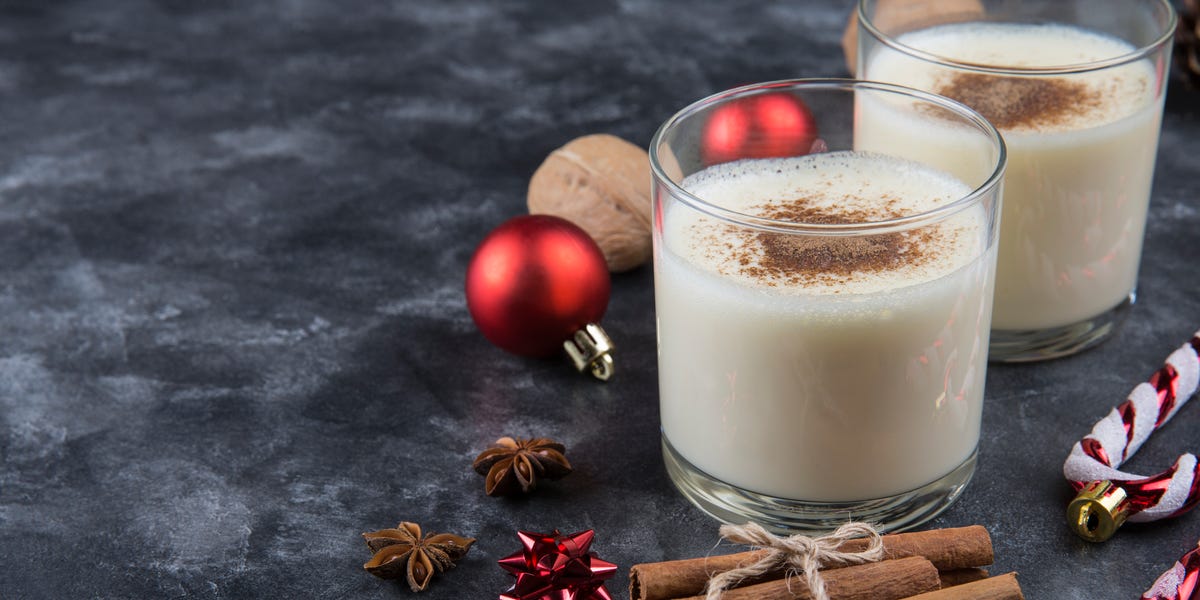
Eggnog is one of those holiday traditions that somehow manages to be both classy and slightly ridiculous. It is rich, creamy, nutmeg-scented, and usually served in a mug that makes you feel like you should be standing near a fireplace saying something wise about winter. But the best eggnog is not the overly sweet carton hiding in the grocery store dairy case. It is the homemade kind: silky, fragrant, old-fashioned, and made with enough care that every sip tastes like the holidays showed up dressed nicely.
If you have ever wondered how to make eggnog like Grandma’s recipe, the secret is not magic. It is technique. Traditional eggnog is built from simple ingredientseggs, milk, cream, sugar, vanilla, and nutmegbut the order, temperature, and texture make all the difference. Grandma may not have used the word “custard base,” but that is exactly what she was doing when she made a batch that was thick without being gloopy, sweet without tasting like melted ice cream, and festive without knocking over the Christmas tree after one glass.
This guide walks through the classic method, explains why each step matters, and shows how to get that nostalgic flavor while keeping the recipe practical for a modern kitchen. There is also room for a splash of bourbon, rum, or brandy, though the nonalcoholic version is every bit as comforting. In other words, this is eggnog with manners, flavor, and just enough holiday swagger.
What Makes Eggnog Taste Like Grandma’s?
Grandma-style eggnog usually has three things modern shortcuts miss: a real custard base, freshly grated nutmeg, and patience. Traditional recipes often rely on egg yolks for richness, dairy for body, and careful whisking for that velvety texture. The flavor should be creamy and spiced, not aggressively sugary. Think “holiday hug,” not “liquid frosting.”
Older recipes also tend to balance richness with air. Some fold in whipped egg whites or softly whipped cream right before serving. That gives the drink a lighter, mousse-like lift. In this version, whipped cream does the heavy liftingliterallyso you get the old-school texture without making your kitchen feel like a chemistry lab.
And then there is nutmeg. Freshly grated nutmeg is the tiny holiday detail that does big work. Pre-ground nutmeg is fine in a pinch, but fresh nutmeg adds a warm, woodsy aroma that instantly makes homemade eggnog smell like a December memory.
The Ingredients for Classic Homemade Eggnog
For the eggnog base
- 6 large egg yolks
- 3/4 cup granulated sugar
- 3 cups whole milk
- 1 cup heavy cream
- 1 teaspoon pure vanilla extract
- 3/4 teaspoon freshly grated nutmeg, plus more for serving
- 1/8 teaspoon fine salt
Optional additions
- 1/4 to 1/2 cup bourbon, dark rum, brandy, or cognac
- 1/2 cup whipped heavy cream for folding in after chilling
- A cinnamon stick for garnish, though nutmeg is the true star
These ingredients create a rich but balanced eggnog. Whole milk keeps the drink creamy without turning it into pudding, while heavy cream adds body and that luxurious finish everyone expects. Vanilla rounds out the edges, and a pinch of salt keeps the sweetness from running wild like a toddler after holiday cookies.
How to Make Eggnog Like Grandma’s Recipe, Step by Step
1. Whisk the yolks and sugar until pale
In a medium heat-safe bowl, whisk the egg yolks and sugar together for 2 to 3 minutes until the mixture looks pale yellow and slightly thickened. This step matters more than it seems. You are dissolving the sugar and building the base for a smooth texture. A rushed whisk job leads to grainy eggnog, and nobody wants crunchy holiday cheer.
2. Heat the milk, cream, nutmeg, and salt
In a saucepan over medium heat, combine the whole milk, heavy cream, nutmeg, and salt. Warm the mixture until it is steaming but not boiling. Tiny bubbles around the edge are fine; a rolling boil is not. Boiling dairy can give the final drink a cooked flavor and raises the odds of scrambling the eggs later, which is not the nostalgic vibe we are chasing.
3. Temper the eggs
Slowly pour about 1 cup of the hot milk mixture into the yolk mixture while whisking constantly. This is called tempering, and it gently brings the eggs up in temperature so they stay smooth instead of turning into sweet breakfast. Once combined, pour the egg mixture back into the saucepan.
4. Cook until lightly thickened
Cook the mixture over medium-low heat, stirring constantly with a wooden spoon or heatproof spatula, until it slightly thickens and reaches 160°F. This is the sweet spot. The eggnog becomes safe to drink, the custard base develops structure, and the texture stays pourable rather than spoonable. The mixture should coat the back of the spoon in a thin, creamy layer.
5. Strain and finish
Remove the pan from the heat and stir in the vanilla extract and any alcohol you are using. Then pour the eggnog through a fine-mesh strainer into a clean bowl or pitcher. Straining catches any tiny bits of cooked egg and guarantees a smooth final texture. It is the difference between “homemade” and “homemade, but impressive.”
6. Chill thoroughly
Let the mixture cool slightly, then cover and refrigerate for at least 4 hours, though overnight is even better. Eggnog tastes best cold, and chilling gives the flavors time to settle and mingle. Fresh nutmeg, vanilla, and dairy become more rounded after a rest, which is why so many old holiday recipes taste better the next day.
7. Lighten before serving
Right before serving, whisk the eggnog briskly. For a fluffier, more vintage texture, fold in softly whipped cream. Pour into glasses, grate fresh nutmeg over the top, and serve cold. For a cozy variation, a small amount can be warmed gently, but the classic experience is definitely chilled.
Why This Method Works
The best homemade eggnog recipe is less about fancy ingredients and more about structure. Eggs bring richness and natural thickening power. Sugar sweetens and softens the eggy flavor. Milk keeps the drink fluid, while cream adds lushness. Gentle heat binds the whole thing together into a proper custard base. That is why cooked eggnog tastes smoother and more polished than recipes that simply whisk raw ingredients together.
This method also solves two common problems. First, it avoids the thin, watery texture that happens when there is too much milk and not enough yolk. Second, it avoids the pudding-like heaviness that comes from overcooking. The result lands in the exact middle: creamy, sip-worthy, and rich enough to feel special.
In other words, this is not just holiday nostalgia. It is culinary engineering wearing a Christmas sweater.
Common Eggnog Mistakes and How to Avoid Them
Cooking too hot
High heat is the fastest route from elegant eggnog to accidental scrambled custard. Keep the burner around medium-low once the eggs are in the pan, and stir constantly.
Skipping the strainer
Even careful cooks can get a few tiny cooked bits. Straining is the easy insurance policy that makes the final drink silky.
Using too much spice
Nutmeg should perfume the eggnog, not shout over it. A little goes a long way. Cinnamon can be pleasant, but too much turns the drink toward spiced milk rather than classic eggnog.
Serving it too soon
Freshly made eggnog is good. Fully chilled eggnog is better. Give it time. Holiday flavor loves a little patience.
Making it too sweet
Traditional eggnog is sweet, but not candy-sweet. The goal is balance. The dairy and spice should still have room to speak.
Should Eggnog Have Alcohol?
This is one of those holiday questions that can start a friendly debate faster than discussing when it is acceptable to decorate for Christmas. The classic answer is yes, often with rum, bourbon, brandy, or cognac. Each spirit brings something slightly different. Rum adds warmth and sweetness, bourbon adds vanilla and oak notes, and brandy or cognac gives the drink a more elegant, old-school finish.
That said, eggnog absolutely does not need alcohol to taste traditional. The creamy custard base and nutmeg are the soul of the drink. Alcohol is more like a holiday accessory. A good accessory, to be fair, but still optional.
For a family-friendly batch, keep the base alcohol-free and offer spirits on the side. That way everyone gets the glass they want without requiring a color-coded serving chart taped to the fridge.
How Long Does Homemade Eggnog Last?
Homemade eggnog should be stored in the refrigerator in a covered container and enjoyed within 2 to 4 days. Because it contains dairy and eggs, this is not a beverage that likes lingering on the counter while guests tell one last story that somehow lasts 45 minutes. Once served, return leftovers to the refrigerator promptly.
Eggnog is also a strong make-ahead recipe. Making it a day in advance often improves the flavor. The texture becomes more cohesive, the spice mellows into the dairy, and the whole drink tastes more “finished.” Grandma knew what she was doing when she made holiday recipes ahead. She was avoiding last-minute chaos and quietly winning.
Easy Ways to Customize Homemade Eggnog
Make it extra frothy
Fold whipped cream into the chilled eggnog before serving. This creates a cloudlike texture that feels especially festive.
Dial the richness up or down
For a lighter version, replace part of the cream with more milk. For a richer one, increase the cream slightly, but do not overdo it unless your goal is dessert with a drinking problem.
Try a different sweetener profile
A small amount of brown sugar can add a deeper, caramel-like note. Just do not substitute all the sugar unless you want the flavor to lean more toward butterscotch than traditional eggnog.
Add warming accents
A tiny bit of cinnamon, clove, or allspice can work beautifully, especially in a spiked batch. Still, the classic eggnog flavor should remain centered on nutmeg and vanilla.
Serving Ideas for a Cozy Holiday Table
Serve eggnog in small glasses, punch cups, or vintage mugs. It pairs beautifully with gingerbread, sugar cookies, pecan pie, cinnamon coffee cake, and buttery shortbread. A cookie tray plus homemade eggnog is basically a holiday personality test, and the correct answer is always “yes, one more.”
For brunch, serve it alongside baked French toast, sausage, fruit, and coffee. For dessert, present it with whipped cream and extra nutmeg on top. For a party, pour the chilled eggnog into a punch bowl and let guests top it with their choice of spirit. That is how you look organized even when you are still hiding wrapping paper in the laundry room.
The Experience of Making Eggnog Like Grandma’s Recipe
There is something wonderfully old-fashioned about making eggnog from scratch. It slows the kitchen down in the best way. You are not tearing open a carton or pressing a button and walking away. You are whisking, heating, smelling, tasting, and paying attention. The recipe asks for your company, and that is part of its charm.
First comes the sound: the soft metallic rhythm of a whisk against the bowl, the quiet clink of nutmeg against the grater, the faint hiss from the saucepan as the milk warms. Then comes the aroma. Warm dairy, vanilla, and spice fill the kitchen with the kind of smell that makes people wander in and ask, “What are you making?” even when they already know. Especially when they already know.
Making eggnog also has a way of turning cooking into storytelling. Someone always remembers a relative who served it in a crystal punch bowl, another person recalls sneaking a tiny sip as a kid, and somebody else claims the “real” version had more nutmeg, more rum, less sugar, or probably more drama. That is part of what makes a grandmother-style recipe feel bigger than a list of ingredients. It is not just a drink. It is a ritual with opinions.
The texture matters here too. When the custard thickens just enough and the chilled mixture turns glossy in the pitcher, there is a quiet little triumph in the room. You made that. You did not buy holiday atmosphere in a carton. You built it from eggs, milk, sugar, spice, and patience. That satisfaction is real, and frankly, it tastes great.
Then comes serving. Fresh nutmeg on top. Cold glass in hand. A first sip that is creamy, fragrant, and just rich enough to feel indulgent. Good eggnog does not scream. It lingers. It tastes like candlelight, soft music, and the moment after everyone finally sits down. It tastes like a recipe that survived because it deserved to.
That is probably why homemade eggnog still matters. In a season full of shortcuts, it invites you to do one thing properly. Not perfectly. Properly. To stir the pot, wait for the chill, grate the nutmeg, and share something that feels generous. Grandma’s version may have changed from kitchen to kitchen, but the feeling stays the same: warmth, comfort, and a little holiday luxury in a cup.
And that, in the end, is the real recipe. The ingredients get you the drink. The experience gives you the memory. The best batches carry both.
Conclusion
Learning how to make eggnog like Grandma’s recipe is really about understanding why the old way still works. A gentle custard base, real dairy, fresh nutmeg, and a good long chill turn a handful of humble ingredients into one of the most comforting holiday drinks around. It is rich but balanced, nostalgic without feeling dated, and flexible enough for both kid-friendly mugs and grown-up glasses with a splash of something spirited.
Homemade eggnog is not difficult, but it does reward care. Keep the heat gentle, cook the mixture until it is safe and lightly thickened, chill it well, and serve it with confidence. The result is creamy, fragrant, and deeply festivethe kind of recipe that earns a permanent place in your holiday rotation.
So go ahead and make a batch. Grate the nutmeg. Pull out the good glasses. Let the kitchen smell like winter and memory. Grandma would probably approve, then suggest one tiny adjustment and claim that is why hers was better.