If rats have turned your vegetable garden into their midnight snack bar, you are not alone. A lush garden offers exactly what rats want: food, water, shade, hiding places, and the occasional overconfident tomato. The bad news is that rats are clever, persistent, and not especially respectful of your hard work. The good news is that you can make your garden much less inviting without turning it into a fortress or launching a backyard action movie.
The most effective way to keep rats out of a vegetable garden is not one magic trick. It is a three-part strategy: remove the things that attract them, make the garden physically harder to use, and reduce the population quickly when signs show up. In other words, do not just chase the rats. Fire the restaurant manager, lock the doors, and close the buffet.
This guide walks through practical, realistic, and food-safe ways to keep rats away from your crops, compost, and peace of mind.
Why Rats Love Vegetable Gardens So Much
Rats are not showing up because they admire your zucchini technique. They come for the basics: easy calories, water, and shelter. A vegetable garden can offer all three in one tidy package. Ripe tomatoes split on the vine, strawberries hide under leaves, compost smells promising, seed packets get tucked into sheds, irrigation keeps the soil damp, and tall weeds or dense shrubs provide safe cover.
That is why rat control in the garden works best when you stop thinking only about the animals and start thinking about habitat. If the space keeps feeding and hiding them, they will keep coming back, even if you trap a few. If the space becomes exposed, dry, tidy, and harder to snack in, the problem usually shrinks fast.
1. Remove the Buffet: Cut Off Food, Water, and Shelter
Harvest early, often, and ruthlessly
One of the simplest ways to keep rats out of a vegetable garden is to stop leaving ripe produce available overnight. Rats are opportunists. If your beds are full of overripe tomatoes, cracked melons, low-hanging beans, and fruit that has fallen to the soil, you are basically hosting an all-you-can-eat salad bar.
Pick vegetables as soon as they are ready. Do not leave damaged produce on the plant “for one more day.” Remove fallen fruit, split tomatoes, chewed vegetables, and anything soft or rotting. If you grow corn, melons, strawberries, or sunflowers, stay especially alert. These crops can be an invitation with garnish.
If you compost garden waste, do not toss half-eaten produce or kitchen scraps into an open heap and hope for the best. Hope is not pest control.
Make compost less exciting
Compost is wonderful for soil and occasionally thrilling for rats. To avoid that second feature, keep compost in a rodent-resistant container with a tight-fitting lid whenever possible. If you use a backyard compost bin, choose one with a secure bottom or line the base with hardware cloth. Cover fresh green material with a generous layer of dry browns so the pile smells less like dinner and more like work.
Also, avoid adding the usual rat magnets: meat, dairy, oily food, greasy leftovers, and pet waste. Even when the pile looks harmless, a cool, under-managed compost heap can offer both food and shelter. If your compost setup is basically “pile of mystery behind the shed,” it may be time for an upgrade.
Store everything edible like you mean it
Birdseed, chicken feed, pet food, grass seed, and fertilizer blends that contain food byproducts can all attract rodents. Store them in rodent-proof containers, not half-closed bags in a shed corner. Clean up spilled seed right away. Do not leave pet food outside overnight. If you feed chickens, collect leftovers before dark and keep the area underneath feeders clean.
Trash matters too. Use garbage cans with tight lids and do not let produce scraps or old harvest waste sit nearby. Rats do not care whether the buffet is “organic.” They care that it is free.
Reduce water and hiding places
Rats need water, and gardens often provide it through leaky hoses, dripping spigots, irrigation puddles, saucers, and soggy corners that never quite dry. Fix leaks, adjust irrigation so it does not create constant wet zones, and dump standing water. Better drainage can make a surprising difference.
Then deal with cover. Cut tall weeds. Trim grass along fences and walls. Remove brush piles, stacked boards, unused pots, and clutter around sheds. Keep firewood off the ground and away from the garden edge. Dense vegetation may look cozy to you, but to a rat it looks like a gated community.
2. Make the Garden Harder to Enter and Harder to Use
Open up the perimeter
Many gardeners focus only on the beds and forget the travel routes. Rats love edges: fence lines, ivy, overgrown corners, stacked supplies, and shrubs that touch structures. If the route into the garden is protected, rats can move around confidently and stay mostly unseen.
Prune branches so they do not touch roofs, walls, or storage structures. Trim shrubs up off the ground where practical. Keep vines from creating hidden highways. If you have fruit or nut trees nearby, you do not necessarily need to remove them. In most cases, better pruning and cleanup matter more than dramatic tree removal. Just be diligent about fallen fruit, nuts, and seed heads.
Protect the most vulnerable crops
Not every plant needs the same level of defense. If rats keep targeting a few favorites, add physical protection where it counts. Fine-mesh cages, wire cloches, or covered frames can protect ripening produce better than wishful thinking. This is especially useful for strawberries, leafy greens, melons, or low fruit that touches the soil.
Raised beds can also help when paired with barriers. If burrowing pests are part of the problem in your area, lining the bottom of a bed or compost setup with hardware cloth can help reduce access from below. It is not glamorous, but neither is discovering that your beautiful bed has become an underground rodent condo.
Rat-proof nearby structures
Your garden may be where the damage happens, but the nesting site could be the shed, garage, greenhouse, or storage area nearby. Inspect those spaces for chew marks, droppings, gnawed bags, greasy rub marks, or shredded nesting material. Seal gaps with gnaw-resistant materials, repair broken screens, and clean up clutter that offers shelter.
Pay special attention to the places where pipes, cables, and vents enter a structure. Rats are talented climbers and determined trespassers. If they are living next to the garden instead of merely visiting it, your problem will keep repeating.
3. Use Smart Population Control When Signs Appear
Know the signs before the damage gets dramatic
You do not need to wait until an entire row of vegetables looks like it hosted a tiny biker gang. Early signs usually show up first: droppings, gnaw marks on produce, oily rub marks, runways through vegetation, holes or burrows, missing seedlings, and fruit with repeated chew damage. Roof rats may travel above ground through dense shrubs, vines, fences, and trees, while other rats may use burrows or hidden ground routes.
The earlier you act, the easier control tends to be. Delay usually means more rats, more hiding spots, and more late-night garden rage.
Use traps strategically, not randomly
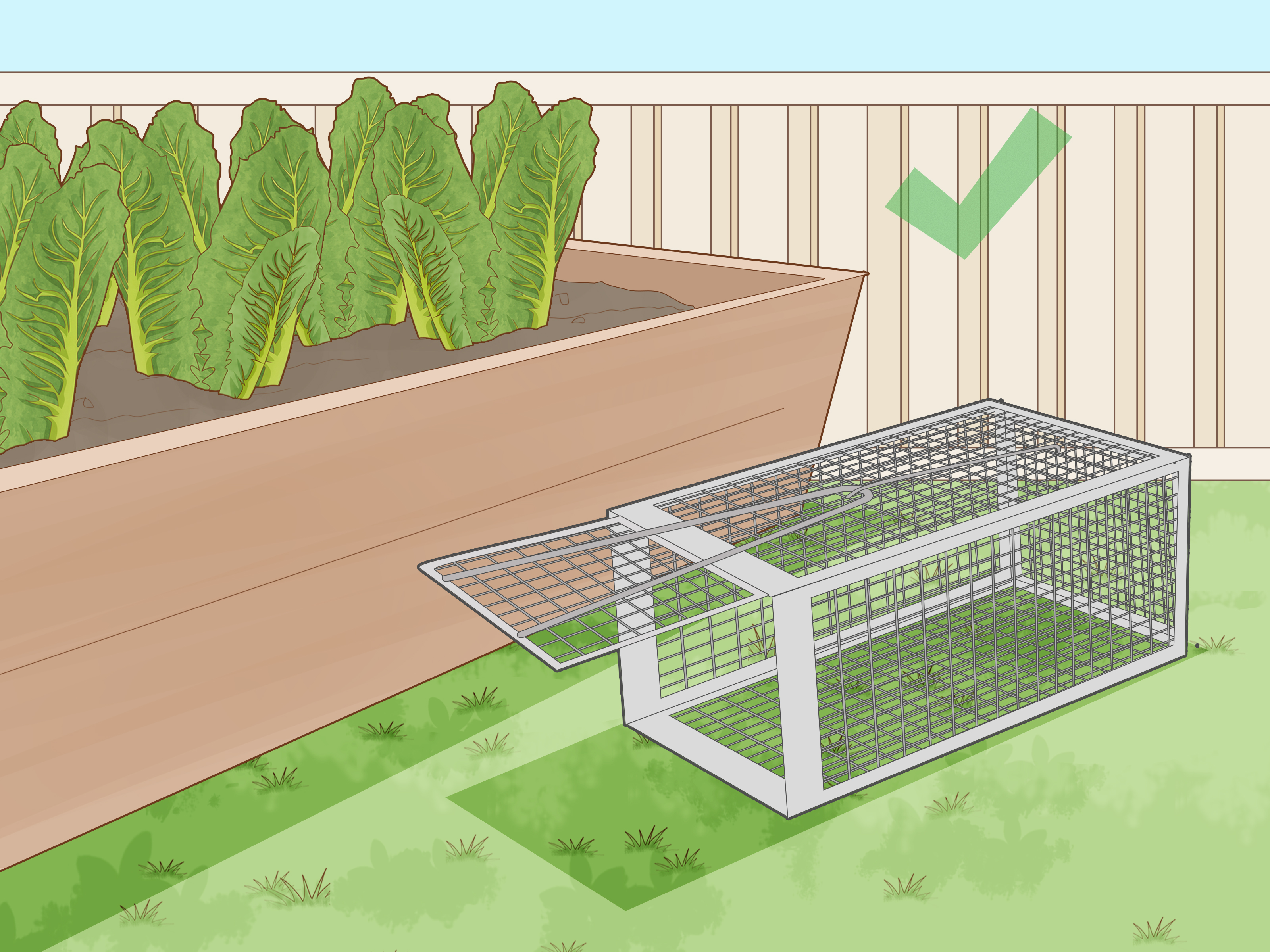
When rats are already active, sanitation and exclusion should happen at the same time as population control. For many home gardeners, snap traps are a more controlled option than scattering toxic products and hoping for the best. The key is placement. Put traps where rats already travel, such as along walls, beside sheds, near compost bins, or in protected runways where you have seen signs.
Use trap boxes or protected stations when needed so pets, children, and wildlife cannot reach them. And use enough traps to matter. One lonely trap in the middle of the yard is more of a decorative statement than a control plan.
If you are considering poison bait, read the label carefully and understand the risks. Consumer rodenticide products are heavily restricted for a reason. Open bait placement is a bad idea around food gardens, pets, children, and wildlife. In many home settings, calling a licensed pest professional is the safer move if trapping and habitat changes are not enough.
Do not rely on miracle repellents
This is the part where the internet tries to sell you a peppermint-scented fantasy. Strong smells, ultrasonic gadgets, and improvised “natural” rat cures may annoy rats briefly, but they rarely solve a real infestation. At best, they are side characters. At worst, they delay the work that actually matters.
If your garden still offers ripe food, fresh water, deep cover, and a cozy nesting site, no aroma will persuade rats to file a polite change-of-address form.
Food Safety Matters, Too
A rat problem is not only a crop-loss issue. It is also a produce-safety issue. Rodent droppings, urine, saliva, and contaminated surfaces can spread disease. If you see droppings, chew marks, tracks, or obvious contamination on produce, do not harvest that item for the table. Discard damaged crops. Clean and sanitize harvest containers, tools, and nearby hard surfaces if rodent activity has been heavy.
If you find droppings in a shed, greenhouse, or storage area, clean them the right way. Do not sweep dry droppings into the air. Wet the area first with an appropriate disinfecting solution, wipe it up while wearing gloves, and dispose of the cleanup materials safely. Then wash your hands well. A clean garden is helpful. A clean harvest path is essential.
Common Mistakes That Make Rat Problems Worse
- Letting produce overripen: ripe vegetables left outside too long become free food.
- Using open compost piles carelessly: especially with kitchen scraps or food waste.
- Leaving pet food or birdseed out overnight: this is one of the fastest ways to subsidize a rat population.
- Keeping dense, untouched corners: rats love areas where they can move without being seen.
- Trying one gadget instead of changing the habitat: fancy tools cannot outwork bad sanitation.
- Ignoring nearby sheds and storage areas: if the rats nest next door, they will keep commuting.
The Bottom Line
The best long-term answer to how to keep rats out of a vegetable garden is surprisingly old-fashioned: be tidy, be consistent, and be slightly less forgiving than your garden personality usually allows. Harvest on time. Clean up fallen produce. Secure compost. Cut back cover. Fix leaks. Protect vulnerable crops. Trap promptly when you see activity.
Rats are adaptable, but they are also practical. If your garden stops offering food, water, shelter, and easy travel routes, many will move on to somewhere less organized. Preferably the yard of the neighbor who still thinks an open compost heap is “part of the ecosystem.”
Extra Experience: What Gardeners Often Learn the Hard Way
One of the most common experiences gardeners describe is the strange phase of denial at the beginning. First, a tomato has a neat bite taken out of it. Then a pepper disappears. Then a half-ripe melon looks like something hosted a tasting menu at 2 a.m. The first instinct is usually to blame squirrels, birds, raccoons, weather, fate, or cosmic injustice. Rats are often the suspect people want the least, because once you say “rats,” the problem suddenly feels personal.
Then the clues begin stacking up. A few droppings under the shelf in the shed. A tunnel through the weeds along the fence. A soft patch under the compost bin. A cluster of chewed tomatoes that somehow all seem to be the best tomatoes. Rats have a special talent for damaging the produce you were planning to pick tomorrow.
Another very real experience is learning that neat beds alone are not enough. Many gardeners do an excellent job inside the vegetable patch but overlook the perimeter. The garden itself looks magazine-ready, but right behind it is a drift of old pots, a leaning bag of birdseed, and a glorious jungle of ivy. That setup is basically a rat resort with premium dining access. Once gardeners clear those edges, trim vegetation, and get serious about storage, they often notice the biggest improvement there, not in the beds themselves.
Compost is another classic lesson. People love composting, and rightly so, but many discover that a sloppy compost system invites exactly the wrong kind of enthusiasm. The usual story goes like this: someone tosses in kitchen scraps, leaves the lid crooked, forgets to cover fresh material, and then wonders why the pile seems to have nightlife. Once the bin is secured and the food scraps are managed properly, activity often drops fast.
Gardeners also learn that timing matters more than effort. Waiting a week too long to deal with the first signs can create a much bigger problem later. Acting early feels annoying. Acting late feels expensive. A single evening spent cleaning up fallen produce, fixing a leak, setting protected traps, and clearing cover is usually far easier than spending a month trying to reclaim the space after rats settle in.
There is also the emotional side no one mentions enough. A rat problem can make even experienced gardeners feel grossed out, defeated, or oddly embarrassed. But it is not a character flaw. It is ecology meeting opportunity. Gardens are resource-rich spaces, and rats are opportunists. The goal is not shame. The goal is management.
And finally, experienced gardeners often say the same thing after they get the issue under control: the real victory came from routines, not heroics. Daily harvesting. Weekly cleanup. Covered compost. Trimmed edges. Secure storage. Fast response to signs. The boring stuff works. Apparently rats hate boring. That is useful information.