A hyperextended elbow sounds dramatic because, frankly, it is. One minute you are catching yourself during a fall, reaching for a heavy box, or attempting a sports move that looked much smoother in your imagination. The next minute your elbow bends the wrong way, lights up with pain, and starts sending a very clear message: “We need to talk.”
The good news is that many hyperextended elbows heal well with the right mix of rest, protection, smart movement, and patience. The less-fun news is that the elbow is a stubborn little hinge. Rush it, ignore warning signs, or return to lifting, throwing, or push-ups too early, and that “minor tweak” can become a long-running grudge match.
This guide walks you through what a hyperextended elbow is, how to care for it at home, when to get medical help, and what recovery usually looks like. If you are trying to heal fast and heal correctly, you are in the right place.
What Is a Hyperextended Elbow?
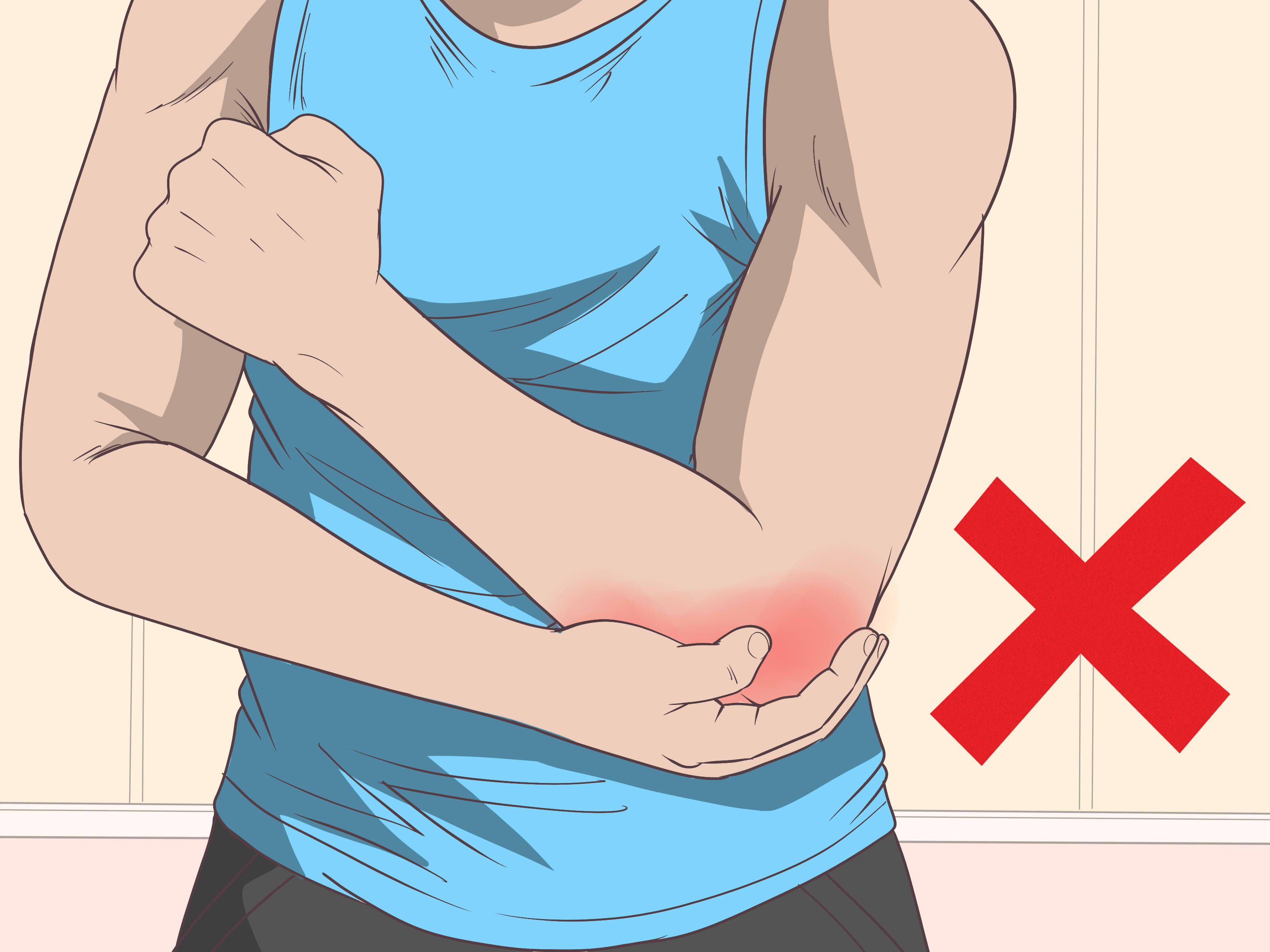
A hyperextended elbow happens when the joint is forced past its normal straightened position. In plain English, the elbow goes farther backward than it is supposed to. That sudden extra motion can stretch or tear ligaments, irritate tendons, strain muscles, and inflame the soft tissues around the joint.
In mild cases, the injury is basically an elbow sprain or strain. In more serious cases, a hyperextension injury can involve ligament tears, joint instability, tendon damage, dislocation, or even a fracture. That is why two people can both say, “I hyperextended my elbow,” while one person feels sore for a week and the other ends up in a brace wondering why opening a door feels like a full-body event.
Common Causes of a Hyperextended Elbow
- Falling on an outstretched hand
- Sports collisions or awkward landings
- Overhead throwing or repetitive sports stress
- Heavy lifting with poor form
- Sudden twisting or jamming of the arm
- Gymnastics, football, wrestling, basketball, or skateboarding mishaps
Symptoms of a Hyperextended Elbow
Not every injury looks dramatic. Sometimes there is an obvious bend, quick swelling, and a colorful bruise that arrives like an uninvited party guest. Other times, the elbow just feels “off” at first, then stiff, achy, and weak a few hours later.
Typical Symptoms Include
- Pain in or around the elbow
- Swelling
- Bruising or redness
- Tenderness when you touch the joint
- Reduced range of motion
- Weakness when lifting, pushing, or pulling
- A sense that the elbow feels unstable
- Occasional popping, clicking, or catching
If you heard or felt a pop when the injury happened, do not panic, but do pay attention. A pop can mean anything from irritated tissue to a ligament tear. It does not automatically mean surgery, but it does mean the injury deserves respect.
When to Seek Medical Help Right Away
Home care is appropriate for some mild injuries, but certain signs mean you should not play doctor with an internet search and an ice pack. Get urgent medical care if:
- Your elbow looks deformed or bent at an unusual angle
- You can see bone or there is an open wound
- You have severe swelling, bruising, or intense pain
- You cannot move the elbow normally
- You cannot use the arm or bear weight through it
- You have numbness, tingling, or weakness in the hand or fingers
- Your hand looks pale, cool, or poorly perfused
- You heard a snap and immediately lost function
Those signs can point to a more serious ligament injury, dislocation, nerve irritation, tendon damage, or fracture. Translation: this is not the time for heroic optimism.
How to Heal a Hyperextended Elbow at Home
If the injury seems mild and you can still move the arm, the first phase of healing is all about calming things down. Think of it as damage control, not boot camp.
1. Stop the Aggravating Activity
If the injury happened during sports, lifting, yard work, or a spontaneous attempt to prove you still “got it,” stop immediately. Continuing to use the joint can make a mild sprain worse and stretch healing tissues even more.
2. Use the P.R.I.C.E. Approach
For the first 48 to 72 hours, most experts recommend some version of protection, rest, ice, compression, and elevation.
- Protection: Use a brace, wrap, or sling if recommended or if movement is very painful.
- Rest: Avoid lifting, pushing, pulling, throwing, or repetitive elbow motion.
- Ice: Apply an ice pack for 15 to 20 minutes at a time several times a day. Wrap it in cloth; do not place ice directly on skin.
- Compression: A stretchy bandage or elbow sleeve can help limit swelling and provide support.
- Elevation: Keep the elbow raised above heart level when possible, especially during the first couple of days.
The goal here is simple: reduce pain, control swelling, and prevent the elbow from getting angrier than it already is.
3. Consider Over-the-Counter Pain Relief
Many people use acetaminophen or a nonsteroidal anti-inflammatory drug, such as ibuprofen or naproxen, for short-term pain relief. These can be helpful, but they are not candy and your stomach, kidneys, and liver would appreciate you treating the label like required reading. If you have a medical condition or take other medications, check with a healthcare professional first.
4. Use a Sling or Brace Only as Needed
Support can be useful, especially in the early days or if the elbow feels unstable. But there is a catch: too much immobilization can lead to stiffness. Elbows are famous for getting tight if left motionless too long. So yes, support the joint when needed, but do not assume “never move it again” is the path to glory.
When to Start Moving the Elbow Again
This is where people often get it wrong in both directions. Some move too soon and flare everything up. Others baby the elbow for too long and end up with a stiff, unhappy joint that acts like opening a cereal box is elite athletic performance.
In general, gentle movement begins after the worst pain and swelling start to settle. That may be within a few days for a mild injury, or later if the injury is more significant. The keyword is gentle, not “let me test whether I can do triceps dips yet.”
Good Early-Stage Movements
- Slow bending and straightening within a comfortable range
- Forearm rotation, such as turning the palm up and down
- Light stretching only if it does not increase pain
Stop if you feel sharp pain, instability, or worsening swelling. Mild soreness can be normal. Feeling like the elbow is negotiating its resignation is not.
How Physical Therapy Helps
If pain lingers, the elbow feels weak, or the injury was more than minor, physical therapy can make a huge difference. A therapist can help you restore range of motion, improve strength, and rebuild stability so the elbow stops acting suspicious every time you reach overhead.
Rehab Often Focuses On
- Improving elbow range of motion
- Strengthening the forearm, biceps, triceps, and shoulder muscles
- Reducing stiffness
- Improving joint control and mechanics
- Guiding a safe return to sports or work tasks
This matters because the elbow does not work alone. If your shoulder, wrist, or upper back mechanics are sloppy, the elbow often ends up doing extra work like the office employee who somehow became responsible for three departments.
What to Avoid While Healing
If you want your hyperextended elbow to heal faster, avoid the classic recovery saboteurs.
- Do not return to sports too early
- Do not keep “testing” the joint every hour
- Do not push through sharp pain
- Do not lift heavy weights during the early healing phase
- Do not ignore persistent instability or clicking
- Do not leave the elbow completely still for too long unless a clinician tells you to
There is a big difference between smart rehab and poking the injury with bad decisions.
How Long Does a Hyperextended Elbow Take to Heal?
Recovery time depends on what was actually injured.
- Mild hyperextension or simple sprain: often improves in a few weeks, with many people recovering in roughly 4 to 6 weeks
- Moderate sprain or partial tear: may take several weeks to a few months
- Severe ligament injury, instability, or dislocation: can take months and may need bracing, formal rehab, or surgery
Healing also depends on age, activity level, overall health, and whether you behave like a sensible human or keep trying to “see if it’s good now” by carrying grocery bags with one arm.
Could You Need Imaging or Surgery?
Yes, sometimes. If symptoms are severe, your clinician may order an X-ray to rule out fracture or dislocation. An MRI or ultrasound may be used to evaluate ligament, tendon, or other soft-tissue damage. Surgery is usually reserved for major tears, ongoing instability, certain sports-related ligament injuries, or injuries that do not respond to conservative treatment.
The important thing is this: needing an evaluation does not mean the injury is catastrophic. It just means your elbow would like a professional opinion instead of guesswork.
How to Return to Exercise and Sports Safely
You are ready to progress when swelling is down, daily activities are easier, range of motion is improving, and strength is coming back without a rebound in pain. That does not mean you jump straight from “I can hold a coffee mug again” to “Let me throw 80 pitches.”
A Smarter Return Looks Like This
- Regain comfortable daily motion
- Build light strength without sharp pain
- Increase resistance gradually
- Reintroduce sport-specific movements in stages
- Return fully only when pain, instability, and swelling are no longer an issue
If you are an athlete, especially in throwing sports, follow a progressive return-to-play plan. Your elbow is not impressed by impatience.
How to Prevent Another Hyperextended Elbow
- Strengthen the muscles around the elbow, shoulder, and upper back
- Warm up before sports or lifting
- Use good technique with throwing, pushing, and pressing movements
- Do not ignore fatigue, because tired form is chaos with a gym membership
- Use braces or supports if your clinician recommends them
- Ease back into activity after time off instead of pretending you are still in peak midseason form
Real-World Experiences With a Hyperextended Elbow
One of the most common stories goes like this: someone slips, throws a hand out to catch themselves, and the elbow takes the hit. At first, they think it is “just sore.” By evening, the arm is stiff, swollen, and surprisingly useless. Suddenly shampoo bottles are heavy, turning a doorknob is rude, and sleeping comfortably becomes a weird puzzle involving three pillows and a lot of negotiating. That early phase can be frustrating because the injury looks minor from the outside, but daily life keeps exposing how much you use your elbow without ever noticing it.
Another very common experience happens in sports. A basketball player lands awkwardly. A gymnast posts the arm too hard. A baseball player feels a sharp twinge after a throw. In these cases, people often describe the elbow as feeling unstable more than dramatically painful. It is not always the worst pain they have ever had, but it feels unreliable, like the joint no longer trusts itself. That feeling can be mentally annoying because even when swelling starts to improve, the arm still feels shaky during pushing, catching, or straightening.
People recovering from mild injuries often say the first big improvement comes when the constant ache settles down. The second big improvement comes when they can fully straighten or bend the elbow without feeling like they are unfolding a rusty lawn chair. That in-between period is where patience matters most. The elbow may feel 60 percent better, but strength and confidence often lag behind pain relief. This is the exact moment many people overdo it. They lift a suitcase, do push-ups, carry a child for too long, or return to the gym because the elbow feels “basically fine.” Then the next day the joint swells up again and reminds them that “basically fine” is not the same as healed.
People who do best during recovery tend to follow a boring but effective formula: they protect the elbow early, move it gently once the pain calms down, and increase activity in small steps. They pay attention to the difference between soreness and warning signs. They do not panic over every ache, but they also do not ignore persistent instability, significant bruising, or limited motion that is not improving. If therapy is needed, they actually do the exercises instead of treating the handout like decorative literature.
There is also the emotional side of it. A hyperextended elbow can be surprisingly irritating because it interferes with ordinary life in ways that feel ridiculous. You may be fully capable of answering emails, but pulling on a shirt becomes a strategy session. Cooking, driving, washing your hair, picking up a backpack, or even sleeping on the wrong side can become tiny reminders that your elbow has opinions. The upside is that many people recover well once they stop aggravating the injury and give the joint a real chance to heal. The elbow usually rewards consistency more than bravery. That is not a glamorous recovery motto, but it is an honest one.
Final Thoughts
Healing a hyperextended elbow is usually about doing the simple things well and doing them long enough for the joint to calm down and rebuild trust. Protect it early. Ice it. Rest from aggravating activities. Add gentle motion before stiffness takes over. Strengthen gradually. And if the elbow looks deformed, feels unstable, or refuses to improve, get it checked.
Most of all, remember this: recovery is not a test of toughness. It is a test of judgment. Your elbow would prefer both.