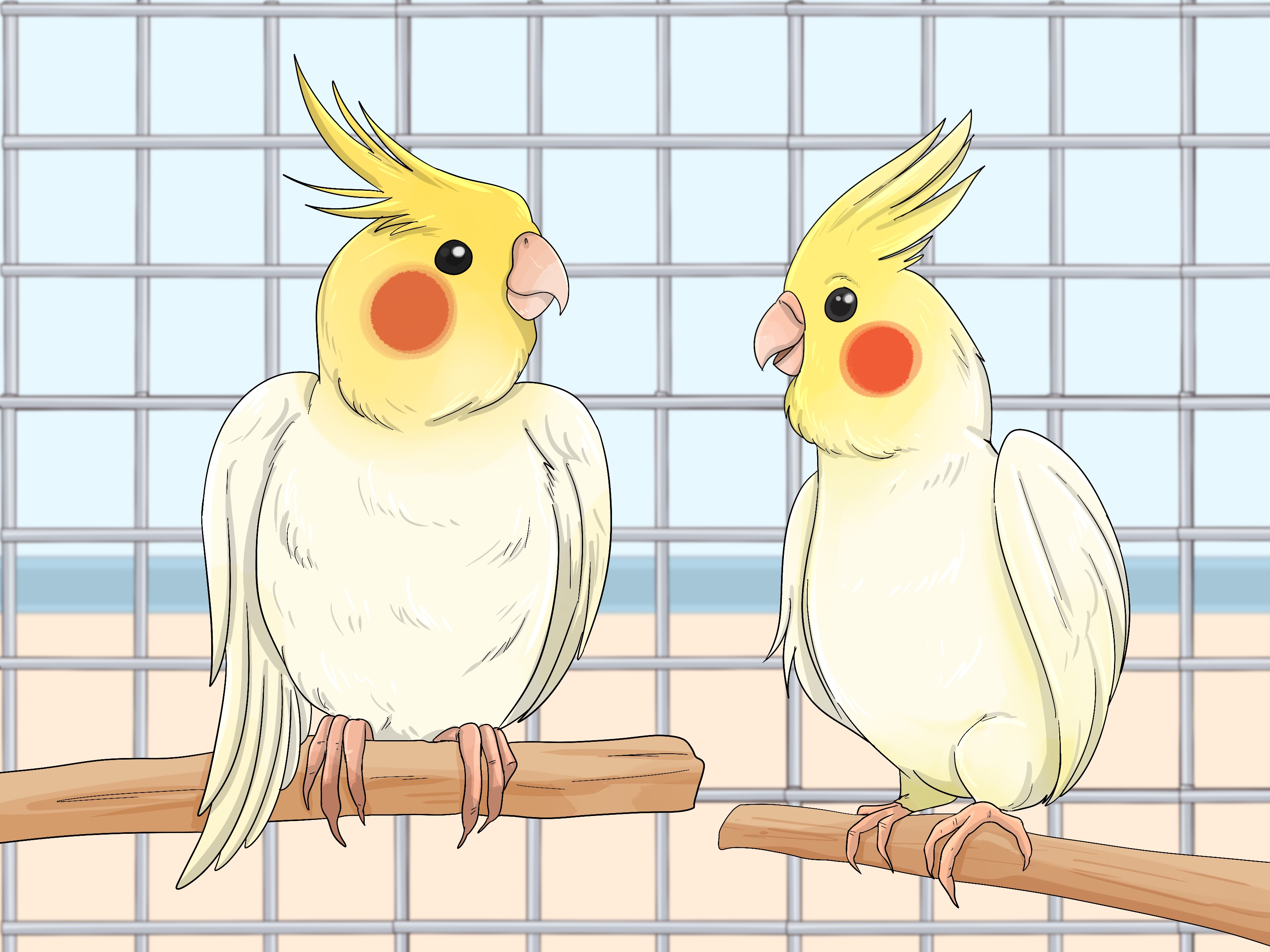
Bringing home a new cockatiel is a little like adopting a tiny feathered roommate with opera training, excellent side-eye, and surprisingly strong opinions about millet. One day your bird may be staring at you like you are a suspicious new appliance. A few weeks later, that same cockatiel may be whistling from your shoulder, investigating your hair, and acting like the official mayor of the living room.
The best way to have fun with your new cockatiel is not to rush the relationship. Cockatiels are intelligent, social, curious birds, but they are also prey animals. That means trust comes before tricks, patience comes before shoulder time, and safety comes before “cute video” moments. When you build play into your daily routine, your cockatiel gets mental stimulation, physical exercise, and emotional security. You get a happier bird, fewer boredom-related problems, and a companion who may eventually treat your phone, keyboard, and breakfast plate as shared property.
This guide walks you through 11 practical steps for bonding, playing, training, and creating a fun life with your new cockatiel while keeping things healthy, respectful, and bird-safe.
Step 1: Give Your Cockatiel Time to Settle In
Before you plan games, songs, and dramatic whistle concerts, let your cockatiel adjust to its new home. The first few days should be calm and predictable. Place the cage in a room where your bird can see household activity without being overwhelmed by constant noise, sudden movement, or curious pets pressing their noses against the bars like tiny detectives.
During this adjustment period, sit nearby and talk softly. Read a book out loud, describe what you are doing, or gently repeat your bird’s name. The goal is simple: teach your cockatiel that your presence is safe. Avoid grabbing, chasing, or forcing interaction. Nothing ruins a budding friendship faster than acting like a giant hand monster.
Fun idea:
Create a simple “hello routine.” Each morning, greet your cockatiel with the same phrase, such as “Good morning, sunny bird!” Over time, familiar routines help your cockatiel feel secure and may even encourage vocal responses.
Step 2: Learn Your Cockatiel’s Body Language
A cockatiel is always talking, even when it is silent. The crest, eyes, posture, wings, and sounds all give clues about mood. A relaxed cockatiel may perch comfortably, grind its beak softly, preen, or chirp. A curious bird may stretch toward you with bright eyes and a slightly raised crest. A nervous cockatiel may lean away, hiss, flatten its feathers, or move to the far side of the cage.
Understanding these signals makes play safer and more enjoyable. If your bird backs away, give space. If it leans forward, chirps, and watches you closely, it may be ready for gentle interaction. Cockatiels appreciate choice. When your bird realizes it can say “not now” and you will listen, trust grows faster.
Specific example:
If you offer your finger and your cockatiel steps back, do not follow it around the cage. Pause, speak gently, and try again later. Respect is not boring; it is the secret ingredient in long-term bird friendship.
Step 3: Start With Simple, Positive Interaction
Positive reinforcement is one of the most effective ways to train and bond with a cockatiel. This means rewarding behavior you want to encourage instead of punishing behavior you dislike. Rewards can include praise, attention, a favorite toy, or a tiny treat such as a small piece of millet. Keep treats small so training stays fun and does not become an all-you-can-eat seed buffet.
Begin with tiny wins. Reward your cockatiel for staying calm when you approach, moving closer to you, touching a target stick, or stepping onto your hand. Short sessions work best. A few minutes of cheerful training is better than a long session that leaves your bird tired, frustrated, or plotting a dramatic cage retreat.
Fun idea:
Use a special phrase like “good bird!” every time your cockatiel does something brave. With repetition, your voice itself can become part of the reward.
Step 4: Teach the “Step Up” Skill
“Step up” is one of the most useful cockatiel skills. It helps with safe handling, out-of-cage time, vet visits, and everyday bonding. To teach it, offer your finger or hand close to your bird’s lower chest, just above the feet. Say “step up” in a calm voice. When your cockatiel places one foot, then both feet, on your hand, reward immediately.
Do not push hard into the bird’s body or force the movement. The goal is cooperation, not a wrestling match with feathers. Some cockatiels learn quickly; others need many patient attempts. A nervous bird may first need to learn that your hand brings treats and does not grab.
Make it playful:
Once your cockatiel understands step up, turn it into a mini ladder game. Ask your bird to step from one hand to the other a few times, then reward. Keep it short and happy. Congratulations: your hand is now a bird elevator.
Step 5: Offer Safe Out-of-Cage Time
Cockatiels need more than a cage, even a nice cage with toys and snacks. Supervised out-of-cage time gives them exercise, exploration, and social interaction. Before opening the door, bird-proof the room. Close windows and doors, turn off ceiling fans, cover mirrors if your bird is likely to fly into them, remove toxic plants, and keep other pets away.
Also check for hazards such as open water, hot pans, electrical cords, scented candles, aerosol sprays, and nonstick cookware fumes. Cockatiels are small and sensitive, and their idea of “investigation” often involves chewing first and asking questions never.
Fun idea:
Set up a play stand near you with perches, safe chew toys, and a small foraging cup. Your cockatiel can hang out while you work, read, or fold laundry. It may not help with the laundry, but it will supervise with confidence.
Step 6: Rotate Toys to Prevent Boredom
Cockatiels are smart birds that need enrichment. Without enough stimulation, they can become bored, noisy, anxious, or destructive. A good toy mix includes shredding toys, soft wood toys, swings, ladders, bells designed for birds, and foraging toys. Choose bird-safe materials and inspect toys often for loose threads, sharp parts, rust, or pieces that could be swallowed.
Instead of filling the cage with every toy you own, rotate a few at a time. Changing toys weekly keeps the environment interesting. Imagine eating the same cereal, watching the same show, and staring at the same wall decoration every day. Your cockatiel agrees: variety matters.
Simple toy rotation plan:
Keep three categories available: one chew toy, one movement toy such as a swing, and one puzzle or foraging toy. Swap one category every few days so the cage stays familiar but fresh.
Step 7: Create Foraging Games
In the wild, parrots spend a lot of time searching, chewing, manipulating, and working for food. Pet cockatiels still benefit from that natural behavior. Foraging turns snack time into brain exercise.
Start easy. Place a favorite treat in a paper cup, wrap a small bit of millet in plain paper, or tuck pellets into a bird-safe foraging tray. Let your cockatiel see where the treat goes at first. Once your bird understands the game, make it slightly more challenging.
Beginner foraging game:
Put a tiny treat under a small piece of plain paper on a flat surface. Let your cockatiel lift, nudge, or shred the paper to find the reward. When your bird succeeds, praise enthusiastically. Yes, you are cheering for a bird discovering food under paper. This is normal now.
Step 8: Sing, Whistle, and Talk Together
Cockatiels are famous for whistles, chirps, and cheerful little songs. Not every cockatiel will talk, and males are often more likely to mimic sounds than females, but any cockatiel can enjoy vocal interaction. Repeat short phrases, whistle simple tunes, and respond when your bird vocalizes.
Keep the mood relaxed. A cockatiel is more likely to experiment with sound when it feels safe and engaged. Choose one or two phrases to repeat consistently, such as “pretty bird” or your bird’s name. Avoid loud yelling or sudden noises, which can frighten your bird.
Fun idea:
Make a “cockatiel playlist” of soft, pleasant sounds. Some birds enjoy gentle music or household chatter. Watch your bird’s body language to see what it likes. If your cockatiel leans in, chirps, or whistles back, you may have found its favorite jam.
Step 9: Play Gentle Training Games
Training is not just about obedience. For cockatiels, it is a form of communication and enrichment. Teach simple games like target training, turning around, waving, or walking through a small safe hoop. Use tiny rewards and break each trick into small steps.
For target training, present a chopstick or bird-safe target stick. When your cockatiel looks at it, reward. When it leans toward it, reward. When it touches the tip gently with its beak, reward. Soon, you can guide your bird from place to place using the target.
Specific example:
To teach a spin, use the target stick to guide your cockatiel in a small circle on a perch. Reward at first for a quarter turn, then a half turn, then a full turn. Keep sessions short, upbeat, and pressure-free.
Step 10: Share Quiet Companionship
Not all fun has to be loud, active, or worthy of a social media caption. Many cockatiels enjoy simply being near their favorite person. Quiet companionship can include sitting together while you read, letting your bird perch on a play stand nearby, or talking gently while you do homework or desk work.
Some cockatiels enjoy head scratches, especially around the head and neck where they cannot easily preen themselves. However, only offer petting if your bird clearly wants it. Avoid stroking the back, wings, or body, as that can be confusing or overstimulating for birds. A good rule: let the cockatiel invite contact. If it lowers its head and fluffs gently, it may be asking for scratches. If it moves away, respect the answer.
Fun idea:
Create a calm evening routine: fresh water, a little gentle talk, a few minutes of training, and then quiet time. Birds thrive on predictable rhythms, and your cockatiel may begin to look forward to this daily ritual.
Step 11: Keep Health and Safety Part of the Fun
A healthy cockatiel is more playful, curious, and confident. Fun starts with good care: a roomy cage, clean water, balanced nutrition, safe perches, enrichment, and regular checkups with an avian veterinarian. A diet based only on seeds can be too fatty and incomplete, so many bird-care professionals recommend a balanced plan that includes quality pellets, vegetables, and limited treats.
Pay attention to changes in appetite, droppings, breathing, posture, feathers, or energy. Birds often hide signs of illness, so subtle changes matter. If your cockatiel suddenly stops playing, sleeps more than usual, sits fluffed for long periods, or seems weak, contact an avian veterinarian.
Safety reminder:
Never use your cockatiel for risky “challenge” videos, rough handling, forced cuddling, or unsupervised outdoor time. Fun should make your bird feel safer, not more stressed.
Common Mistakes New Cockatiel Owners Make
Moving Too Fast
Many new owners are excited and want instant bonding. Cockatiels, however, need time. If you push too quickly, your bird may become fearful. Slow progress is still progress.
Using the Cage as a Chase Zone
Reaching into the cage to chase your cockatiel teaches it that hands are scary. Instead, build trust near the cage door and encourage your bird to come toward you voluntarily.
Offering Unsafe Household Items
Not everything that looks like a toy is safe. Avoid small swallowable parts, toxic metals, scented products, treated wood, frayed rope, and anything with sharp edges.
Ignoring Boredom
A cockatiel sitting alone with nothing to do may become stressed or develop unwanted behaviors. Daily interaction, foraging, and toy rotation make a huge difference.
Best Fun Activities for a New Cockatiel
Here are some easy, bird-friendly activities you can add to your weekly routine:
- Morning greeting: Say hello using the same cheerful phrase every day.
- Mini training: Practice step up, target touch, or a simple turn for three to five minutes.
- Foraging snack: Hide a tiny treat in plain paper or a bird-safe cup.
- Music time: Whistle a short tune and let your cockatiel respond.
- Play stand hangout: Let your bird perch safely nearby while you relax.
- Toy inspection day: Remove damaged toys and rotate in something interesting.
- Quiet bonding: Sit together without demanding interaction.
500 Extra Words: Real-Life Experiences and Practical Bonding Tips
One of the funniest things about living with a new cockatiel is discovering that “fun” may not mean what you thought it meant. You may buy a colorful toy that looks like it belongs in a tiny bird amusement park, only to watch your cockatiel ignore it completely and fall in love with a plain piece of paper. This is not failure. This is cockatiel logic, and cockatiel logic has never applied for a human management position.
A useful experience many owners share is that confidence grows in layers. On day one, your cockatiel may freeze when you walk by. A few days later, it may stay relaxed while you change food and water. Then it may take a treat from your fingers. Later, it may step up, whistle, or climb toward the cage door when it sees you. These small moments are easy to underestimate, but they are the foundation of real companionship.
Another practical lesson: your mood matters. Cockatiels notice energy. If you approach the cage frustrated, rushed, or loud, your bird may become cautious. If you approach calmly and predictably, it is easier for your cockatiel to relax. This does not mean you need to become a floating cloud of perfect peace. It simply means your bird will respond better when your movements are gentle and your voice is steady.
Food can be a wonderful bonding tool, but it works best when used thoughtfully. Instead of handing out treats randomly, save the favorite treat for brave moments: stepping closer, touching a target, trying a new toy, or staying calm during a routine cage cleaning. Your cockatiel learns, “Good things happen when I participate.” That is much better than “The human is a snack machine with shoes.”
Play also becomes easier when you observe your bird’s personality. Some cockatiels are singers. Some are climbers. Some are paper shredders with the determination of a tiny office intern destroying old documents. Some love training games; others prefer quiet shoulder time once trust is established. Rather than forcing your idea of fun, notice what naturally interests your bird and build from there.
For example, if your cockatiel likes chewing, provide safe shredding materials and foraging toys. If it likes sound, create whistle games. If it likes movement, add ladders, swings, and supervised flight opportunities in a safe room. If it is cautious, make games easier and celebrate smaller steps. A shy cockatiel that touches a new toy after three days has achieved something important.
One of the most rewarding experiences is the first time your cockatiel chooses to come near you without being asked. That moment may look simple: a hop toward the cage door, a step onto your hand, or a curious lean in your direction. But behind it is trust. Your bird has decided you are not just the food delivery giant. You are part of the flock.
As weeks turn into months, the fun becomes more personal. You may develop inside jokes, favorite songs, daily routines, and little rituals. Maybe your cockatiel whistles when you enter the room. Maybe it insists on supervising breakfast. Maybe it throws a toy with great drama and then looks proud of its athletic achievement. These moments are why cockatiels are such beloved companion birds.
The best advice is to keep play gentle, safe, and consistent. Do not measure success by tricks alone. A cockatiel that feels safe, explores confidently, eats well, plays often, and chooses your company is already a success story. The fun is not just in teaching your bird what to do. It is in learning who your bird is.
Conclusion
Having fun with your new cockatiel is about building trust first and entertainment second. When you move slowly, read body language, use positive reinforcement, rotate toys, offer foraging games, and create safe out-of-cage routines, your cockatiel gets a richer and happier life. In return, you get a charming companion with a big personality, a tiny crest, and a talent for making ordinary days feel a little more musical.
Remember: the best cockatiel bonding activities are not complicated. Talk gently. Offer choices. Reward bravery. Keep the environment safe. Laugh when your bird chooses cardboard over the expensive toy. That is not a problem; that is part of the adventure.
Note: This article is for general educational and enrichment purposes. For health, diet, behavior, or safety concerns, consult a qualified avian veterinarian.