If your current lawn feels like a needy roommatealways thirsty, always hungry, always demanding weekend attentiona clover lawn may sound less like a landscaping trend and more like emotional support. And honestly, that is part of the appeal. Clover lawns have made a big comeback because they can stay green with less fuss, need far less fertilizer than traditional turf, and bring a softer, more relaxed look to a yard that does not scream, “I own three spreaders and a very strong opinion about edging.”
That said, clover is not a magic carpet. It is a real plant with real preferences, and it works best when you understand what it can do welland what it absolutely cannot. A clover lawn can be a smart, attractive, lower-input choice for many homes, especially if you want a yard that looks lively instead of lifeless. Whether you are dreaming of a full clover lawn or a clover-and-grass mix, here is how to grow one successfully and why so many homeowners are rethinking the all-grass obsession.
Why Clover Lawns Are Having a Moment
For decades, clover got kicked out of the “good lawn” club and labeled a weed. Now it is being invited back in because people are tired of lawns that demand heavy fertilizer, frequent mowing, and endless watering just to look respectable for three months of the year. Clover offers a different deal. It grows low, spreads readily, and belongs to the legume family, which means it works with soil bacteria to make nitrogen more available in the soil. In plain English, it helps feed itself and can benefit neighboring plants too.
That one trait alone is enough to make budget-conscious and eco-conscious homeowners perk up. Add in the fact that clover stays lush-looking, can crowd out some weeds, and produces flowers that pollinators appreciate, and you start to see why this once-scorned yard plant is suddenly getting a glow-up.
Why You’ll Want a Clover Lawn
1. It Can Cut Down on Fertilizer Drama
Traditional turf often wants regular nitrogen inputs to stay thick and green. Clover, by contrast, plays a more independent game. Because it can fix nitrogen, a clover lawn or clover-grass mix usually needs far less fertilizer. That means fewer trips to the garden center, fewer synthetic inputs, and less risk of overdoing it just because the bag told you to.
2. It Usually Needs Less Mowing
Clover stays relatively low and rebounds quickly after mowing. If you are growing a mixed lawn with microclover and turfgrass, you can keep a higher mowing height and still maintain a tidy look. If you let some areas flower, you can mow even less often. Your mower will not be unemployed, but it may get demoted from full-time job to part-time consultant.
3. It Stays Green and Looks Soft
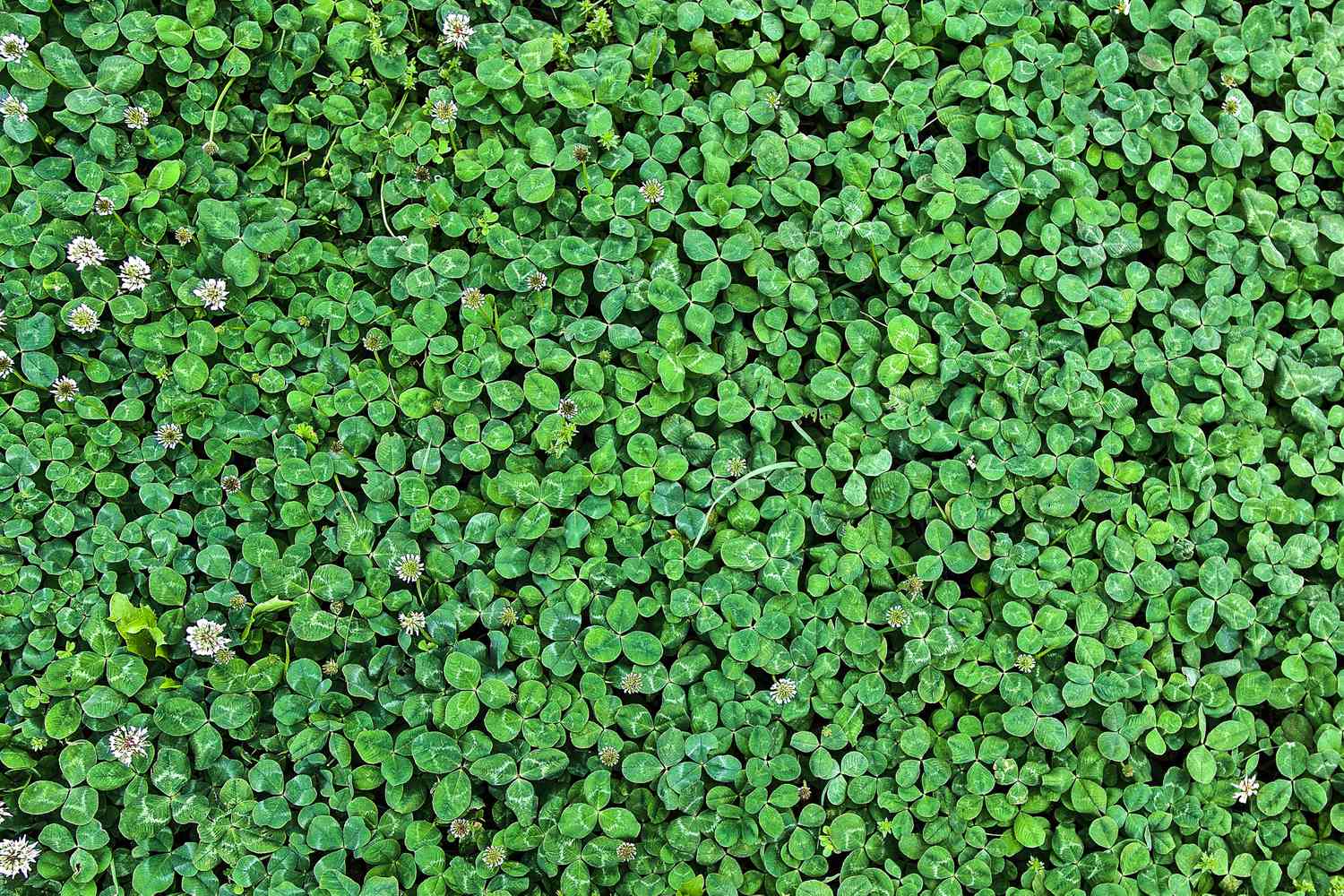
One of the most charming things about clover is visual. It creates a dense, cushiony carpet with a lively green color that feels friendlier than rigid monoculture turf. A clover lawn does not usually look like a golf course, and that is exactly why some people love it. It reads as softer, more natural, and more welcoming.
4. Pollinators Appreciate the Flowers
When clover blooms, bees notice. That makes it a useful plant for homeowners who want a yard that gives something back to local wildlife. A clover lawn will not replace a full native pollinator garden, but it can be one practical step toward a more habitat-friendly landscape.
5. It Can Handle Everyday Life Better Than You Might Expect
Many homeowners like clover because it bounces back well from routine use and does not show dog urine damage the way some grass lawns do. It also spreads into thin spots more willingly than many turf grasses. That does not mean it is ideal for full-contact backyard sports, but for normal household wear, it can be surprisingly forgiving.
Before You Order Seed: Know the Trade-Offs
This is the part where clover stops being a fairy tale and becomes a real landscaping choice.
It Is Not the Best Choice for Heavy Traffic
If your yard doubles as a soccer field, wrestling arena, or daily zoomies runway for large dogs, pure clover may disappoint you. Clover works best in light- to moderate-traffic areas. For tougher use, a clover-and-fescue mix is often the smarter move.
Flowers Mean Bees
Pollinator-friendly blooms are a feature, not a bugunless someone in the household has a sting allergy or loves sprinting barefoot through the yard. In that case, you may want a mixed lawn that gets mowed more often, or you may want to use clover in selected areas instead of everywhere.
Broadleaf Weed Killers and Clover Do Not Mix
Most herbicides designed to kill broadleaf weeds cannot tell the difference between a dandelion and your lovingly planted clover. If you install a clover lawn, you are basically signing up to avoid standard broadleaf weed-control products. Hand-pulling, spot management, and better lawn density become more important.
Pure Clover Can Thin Out Seasonally
In colder climates, pure clover lawns can lose leaves or thin out in winter, leaving patches that look less than glamorous until spring returns. In hot or dry regions, microclover may struggle more than standard white clover. This is why many experts favor a mixed lawn over a 100% clover lawn. You get the benefits of clover without putting all your landscaping eggs in one adorable green basket.
Best Types of Clover for Lawns
White Clover
Standard white clover, often called Dutch white clover, is the classic lawn option. It is low-growing, spreads by creeping stems, and flowers readily. It is usually cheaper and easier to find than specialty seed. If you want a traditional clover look with plenty of blooms, this is the one most people picture.
Microclover
Microclover is a dwarf form of white clover with smaller leaves, a lower habit, and fewer flowers. It tends to blend more smoothly into turfgrass, which makes it popular in mixed lawns where homeowners want the benefits of clover without the full “I have committed to cottage-core groundcover” appearance. It is often more expensive, and in some regions it may need occasional reseeding.
Pure Clover Lawn vs. Clover-Grass Mix
If you want the easiest path, a clover-grass mix is often the sweet spot. Fine fescue or tall fescue paired with clover can give you a greener, fuller lawn across more seasons, better traffic tolerance, and a more familiar appearance. A pure clover lawn can work, but it usually asks for more acceptance of seasonal change and a slightly wilder look.
How to Grow a Clover Lawn
Step 1: Pick the Right Spot
Clover performs best in full sun to part shade. Deep shade is not its happy place, and heavily compacted play areas are a poor fit too. Start with a section of yard that gets decent light and is not constantly trampled. Front yards, side yards, slopes, and lightly used backyard zones are all common choices.
Step 2: Choose the Best Time to Seed
In many climates, spring and early fall are the best windows for seeding. Late summer into early fall is often ideal because the seed can establish as temperatures cool and competition from aggressive summer weeds eases up. In cooler regions, spring also works well. The key is to avoid seeding right before extreme heat or hard frost.
Step 3: Prepare the Existing Lawn
You usually do not need to remove all of your grass. In fact, overseeding clover into an existing lawn is often the easiest approach. Mow the area short first. Then rake, dethatch, or core-aerate to expose some soil and reduce competition. Clover seed is tiny, so good seed-to-soil contact matters a lot. Tossing seed into a thick jungle of turf and hoping for the best is less a gardening strategy and more a prayer.
Step 4: Spread the Seed Evenly
Broadcast the seed by hand or with a spreader. Many gardeners mix clover seed with a dry carrier material, such as pelletized lime, to make it easier to spread evenly. Do not bury the seed deeply. A very light topdressing of soil or compost is enough if needed. Always follow the label rate for the specific seed you buy, because seed size and coatings vary by product.
Step 5: Keep the Seedbed Moist
This is the make-or-break stage. Water lightly and regularly so the soil surface stays moist while the seed germinates. Do not flood the area, but do not let it dry out either. Once seedlings establish, you can back off and water more deeply but less often.
Step 6: Be Patient About the Look
A new clover lawn rarely looks magazine-ready in week one. At first, it may seem sparse or patchy. That is normal. Clover often fills in gradually, especially in mixed lawns. Thin spots can be overseeded later if needed.
How to Care for a Clover Lawn
Mow Smarter, Not Harder
For mixed lawns, a mowing height around 3 to 3.5 inches often works well. Higher mowing helps the lawn stay denser and can support a healthier, less stressed look. If you want fewer flowers, mow more frequently. If you want more blooms for bees, mow less often and accept a more relaxed appearance.
Go Easy on Fertilizer
One of the whole points of growing clover is reducing fertilizer dependency. Overfeeding a clover lawn with nitrogen can actually favor grass over clover and undo the balance you were aiming for. In many cases, less is more.
Skip the Broadleaf Herbicide
Yes, this point deserves a second mention because it is where many clover dreams go to die. Read every lawn product label before applying it. If it targets broadleaf weeds, it can likely damage or kill your clover.
Overseed Thin Spots
If winter, drought, traffic, or plain bad luck leaves gaps, overseed those spots when weather is favorable. Clover is not offended by a touch-up. In fact, periodic overseeding is part of the reality of keeping many low-input lawns looking good.
Common Mistakes to Avoid
- Planting in the wrong place: Deep shade and constant heavy traffic are tough conditions for clover.
- Skipping prep: Seed needs contact with soil, not a thick mat of old grass.
- Letting seedlings dry out: Early moisture matters more than garden optimism.
- Using weed killer out of habit: Standard lawn herbicides can wipe out the very plant you wanted.
- Expecting a golf-course look: Clover is beautiful, but it is a different aesthetic. Think soft, ecological, and a little freer around the edges.
What Homeowners Usually Experience After Switching
The first thing many homeowners notice is that a clover lawn does not transform overnight into a flawless green blanket. The early stage can be humbling. After seeding, the yard may look like a patchy science experiment with commitment issues. Some spots sprout fast, others lag behind, and there is often a brief period when you wonder if you accidentally planted seasoned oregano instead of a lawn alternative. Then, gradually, the clover starts connecting the dots. Small clusters begin knitting together, the color evens out, and the space starts to feel softer and more intentional. People who stick with it usually say patience is the first lesson clover teaches.
The second common experience is relief. A lot of homeowners report that once the lawn establishes, they stop obsessing over every brown blade, every dry spell, and every missed mowing day. A clover lawn tends to create a different relationship with the yard. Instead of chasing a hyper-managed look, people begin noticing that the lawn still looks pretty good without constant intervention. Some also appreciate that dog urine damage is less dramatic, and that the lawn recovers from ordinary use without the same level of fuss. The yard starts feeling like part of life instead of a never-ending side quest.
Another thing people often discover is that clover changes how the yard sounds and behaves. When flowers appear, bees show up. That is exciting for gardeners who want more life in the landscape, but it can also require adjustments. Families with small kids may choose to mow paths more frequently or keep a play area as turfgrass while leaving the rest of the yard to bloom. Homeowners who expected zero maintenance also learn that “low maintenance” is not the same thing as “ignore it forever.” Thin spots may need reseeding. Weeds still happen. And in some climates, winter can leave a pure clover lawn looking thinner than expected until spring growth returns.
Socially, the experience can be surprisingly interesting. Neighbors often ask questions. Some are curious, some are skeptical, and at least one person on the block may act as if you have personally insulted suburban civilization. But many homeowners say that once the lawn fills in, skepticism fades. A tidy clover-and-grass mix often looks familiar enough to pass the curb-appeal test while still offering the practical benefits that inspired the switch. For people with stricter neighborhood expectations, the most successful experience is often gradual conversion: start with one area, keep edges neat, mow intentionally, and let the lawn prove itself. In other words, clover tends to win people over the same way good bread doesquietly, steadily, and with much less drama than expected.
Final Thoughts
A clover lawn is not just a lawn trend; it is a mindset shift. It asks you to trade a little bit of control for a lot more practicality. You may mow less, fertilize less, and worry less. You may also get a yard that feels greener in every sense of the word: greener in color, greener in maintenance, and greener in spirit. If you want a living groundcover that looks charming, asks for less pampering, and gives pollinators something to smile about, a clover lawn is absolutely worth considering.
And if you are not ready to go full clover, do not. Start with a mix. Test a section. Let your lawn earn your trust one tiny leaf at a time.