Super glue is fantastic when your coffee mug handle snaps off, your kid’s plastic dinosaur loses a leg, or your favorite sunglasses decide to retire mid-afternoon. It is much less charming when it decides your skin is part of the project. The good news: in most cases, getting super glue off the skin is more annoying than dangerous. The trick is to be patient, use the right method, and avoid turning a sticky accident into a skin injury.
If you are staring at two glued fingers and reconsidering every DIY decision you have ever made, take a breath. You usually do not need brute strength, panic, or a dramatic speech. You need warm water, a little time, and a smarter plan. This guide walks you through how to get super glue off the skin in 5 steps, plus what not to do, when to use acetone, and when it is time to call for medical help.
Why Super Glue Sticks to Skin So Fast
Most household super glues are made with cyanoacrylate, an adhesive that bonds quickly when it meets moisture. Your skin naturally has moisture on its surface, so the glue hardens fast and grips hard. That is why a tiny drop can suddenly make your thumb and index finger act like they have entered a very clingy relationship.
In most cases, a small amount of dried super glue on the skin will eventually loosen and come off as the outer layer of skin sheds naturally. But waiting is not always practical, especially if your fingers are stuck together, the area feels tight, or the glue landed somewhere awkward like a knuckle, palm, or around a nail.
How to Get Super Glue Off the Skin: 5 Steps
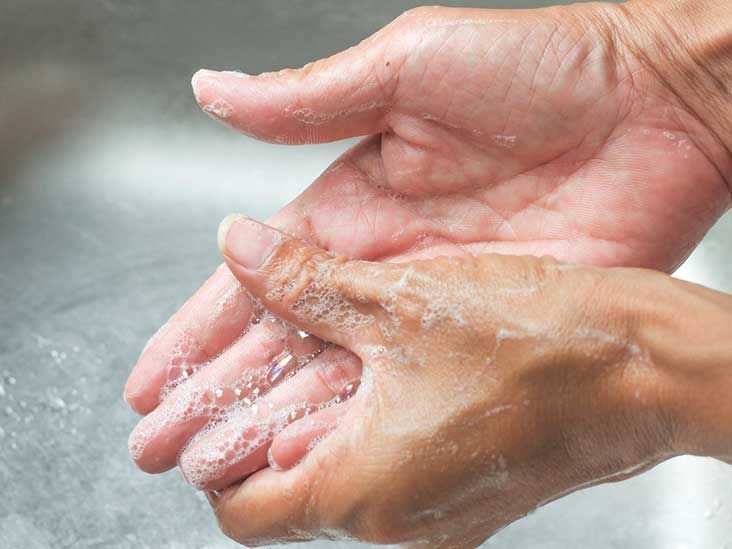
Step 1: Stop Pulling and Soak the Area in Warm, Soapy Water
The first rule is simple: do not rip, yank, or force the skin apart. That is how people end up with torn skin, blisters, and a story that starts with, “You are not going to believe what happened with a lamp repair.”
Instead, fill a bowl or sink with warm, soapy water and soak the affected area for several minutes. If the glue is still tacky, washing quickly may remove some of it before it fully hardens. If it has already dried, the soak helps soften the glue and loosen the bond. Hand soap or dish soap usually works well.
Once the skin has soaked, gently try to wiggle, roll, or peel the bonded area apart. Think “slowly separating a sticker,” not “starting a lawn mower.” If it resists, stop and move to the next step instead of forcing it.
Step 2: Add Oil, Petroleum Jelly, or Hand Lotion
If warm, soapy water does not do the job, reach for something oily and skin-safe. Good options include:
- Petroleum jelly
- Mineral oil
- Vegetable oil
- Olive oil
- Hand lotion
Massage a small amount into the glued area and around the edges of the bond. Oily products can help weaken the grip of the glue while also making your skin less likely to get irritated during the process. This is often a good next step when fingers are stuck together or when dried glue is clinging to a small patch of skin.
After rubbing in the oil or jelly for a minute or two, gently try again to roll the skin apart. If the glue starts to flake, that is progress. If it still feels stubborn, do not escalate to wrestling. Go to Step 3.
Step 3: Use Acetone Carefully for Stubborn Glue
If the glue still refuses to leave, acetone can help dissolve the bond. Acetone is commonly found in nail polish remover, though not every remover contains it. Check the label before you start.
Here is the safest way to use it:
- Use a small amount only.
- Apply it to the glued area carefully.
- Rub gently and briefly rather than soaking your skin for ages.
- Once the bond loosens, wash the area with soap and water right away.
Acetone works, but it is not exactly a spa treatment. It can dry out the skin and may cause irritation, especially if you already have cuts, hangnails, cracked skin, or sensitive skin. Avoid using it on broken skin or near the eyes, nose, mouth, or other sensitive areas.
One important safety note: do not use cotton or wool directly with cyanoacrylate glue, especially while the glue is fresh. That combination can create heat and may cause a burn. Also keep acetone away from flames and use it in a well-ventilated area.
Step 4: Gently Remove Leftover Residue Without Scrubbing Your Skin Raw
Once the bond loosens, you may still have flaky or sticky residue left behind. Resist the urge to attack it like you are sanding a deck. Your goal is to remove glue, not your top layer of skin.
Use your fingertips to gently roll or rub away softened residue. If needed, a very soft washcloth can help. Some people use a nail file or pumice stone on tiny bits of dried glue, but this should be done very gently and only if the skin is intact and not irritated. If the area starts to sting, look red, or feel raw, stop.
In many cases, a little leftover glue is fine to leave alone. It often wears off naturally within a few days as the skin sheds. Sometimes the smartest move is not “remove every last speck today,” but “avoid turning a tiny problem into a bigger one.”
Step 5: Wash, Moisturize, and Watch for Problems
After the glue comes off, wash the area again with mild soap and water. Then apply a fragrance-free moisturizer, petroleum jelly, or a gentle hand cream. This matters most if you used acetone, since acetone can leave skin dry, cracked, and irritated.
Over the next day or two, keep an eye on the skin. Mild dryness is common. What you do not want is worsening redness, swelling, pain, blistering, or drainage. Those signs can mean skin damage, irritation, or infection, and they deserve medical attention.
What Not to Do
When people search for how to remove super glue from skin, the biggest mistakes usually come from rushing. Here is what to avoid:
- Do not force the skin apart. Tearing the skin is much worse than waiting a little longer.
- Do not use sharp tools. Knives, razors, scissors, and metal scrapers do not belong in this rescue mission.
- Do not scrub aggressively. Harsh abrasives can damage healthy skin.
- Do not use acetone near your eyes, lips, nose, or broken skin.
- Do not mix acetone with other chemicals. Keep it simple and safe.
- Do not use cotton or wool directly on fresh super glue. The reaction can generate heat.
When You Should Get Medical Help
Most skin exposures can be handled at home, but some situations need professional care. Get medical help right away if:
- The glue is in or near the eyes
- The glue is in the nose or mouth
- A large area of skin is bonded and you cannot separate it safely
- You notice a burn, severe pain, blistering, or bleeding
- You develop a rash, swelling, or signs of an allergic reaction
- The skin becomes increasingly red, warm, swollen, or drains pus
- A child has glue exposure and you are not sure what to do
In the United States, you can contact Poison Control at 1-800-222-1222 for fast guidance. It is especially smart to call if glue was swallowed, got into the eye area, or bonded sensitive tissues together.
What If the Glue Is on Sensitive Areas?
Super Glue on Fingers
This is the most common scenario, and it is usually the easiest to fix. Warm, soapy water first. Oil or petroleum jelly next. Acetone only if needed. Then moisturize.
Super Glue Around Nails
Glue near nails can feel extra stubborn because it settles into tiny grooves and cuticles. Acetone may help more here, but use it sparingly and follow with moisturizer. Do not dig under the nail with tools.
Super Glue on the Face
Be extra careful. Skip acetone near the eyes, nose, or lips unless a medical professional tells you otherwise. Use warm water and gentle oil-based methods, and seek help if the glue is close to mucous membranes.
Super Glue in the Eye
This is not a home-remedy situation. Rinse gently with water and get urgent medical help. Do not force the eyelids apart and do not use acetone or household solvents on the eye.
How Long Does It Take for Super Glue to Come Off Skin Naturally?
If only a small residue remains and the area is not painful, super glue often comes off within a few days as the top layer of skin naturally sheds. That is why tiny leftover patches are often better left alone than aggressively scrubbed. A little patience can save you a lot of irritation.
How to Prevent the Next Sticky Disaster
Because yes, there is usually a next time. Super glue has a talent for confidence-building right before it humbles you.
- Wear gloves when possible for larger repair projects.
- Use glue in a well-lit area so you can actually see where it is going.
- Keep tissues, soap, and warm water nearby before you start.
- Store super glue away from eye drops, ointments, and cosmetics.
- Close the tube right away after use.
- Keep it out of reach of children.
Real-World Experiences With Getting Super Glue Off Skin
One reason this topic keeps getting searched is simple: super glue accidents happen to completely normal people doing completely normal things. It is not always a dramatic workshop failure. Sometimes it is a two-second mistake while fixing a toy truck, gluing a loose shoe sole, attaching a broken picture frame corner, or trying to rescue a chipped mug before guests arrive. The stories are different, but the pattern is usually the same. First comes confidence. Then comes surprise. Then comes the moment when someone quietly says, “Well, this is unfortunate.”
A common experience is getting a thin layer of glue on the fingertips and not noticing it until the fingers touch each other. Because cyanoacrylate bonds so quickly, even a tiny amount can make the skin feel locked together. People often describe that first reaction as panic, followed by the urge to pull hard. That is usually the worst moment to trust your instincts. The people who have the easiest time tend to be the ones who stop, soak the skin, and accept that this is now a patience problem rather than a strength problem.
Another common experience is discovering that the glue came off, but the skin now feels dry, tight, and irritated. That usually happens after repeated washing or after using acetone more than once. In real life, the removal is only half the battle. Aftercare matters. A plain moisturizer or petroleum jelly can make the difference between “problem solved” and “why do my hands feel like I washed dishes in the desert?”
Some people also report that the glue did not fully come off the first time, especially around nails, knuckles, or fingerprint ridges. That does not mean the method failed. It often means the glue needs more soaking, more oil, or simply more time. Tiny leftover bits may flake away over the next day or two. In practice, gentle repeated care usually works better than one heroic removal attempt.
Then there are the cautionary tales: using too much force, trying sharp tools, or getting creative with household chemicals. Those are the stories that tend to end with torn skin, stinging, or an unnecessary urgent care visit. The better experiences almost always sound boring, which is exactly what you want. Warm water. Soap. Oil. Maybe a touch of acetone. Wash again. Moisturize. Move on with your life.
The biggest real-world lesson is that super glue on skin usually feels more dramatic than it is. It is frustrating, sticky, and inconvenient, but in most cases it can be handled safely at home with a calm step-by-step approach. The goal is not to win a speed contest. The goal is to get unstuck without damaging your skin. That is the kind of quiet victory every DIY person eventually learns to appreciate.
Final Thoughts
If you need to know how to get super glue off the skin, remember the order: soak first, loosen gently, use oil next, save acetone for stubborn spots, and moisturize afterward. Never force bonded skin apart, and treat any eye, mouth, nose, or serious skin exposure as a medical issue, not a home hack challenge.
Super glue is excellent at fixing broken objects. With the right steps, it does not get to ruin your day, your skin, or your dignity. At most, it earns a brief eye roll and a spot in your personal archive of “repair jobs that got weird.”