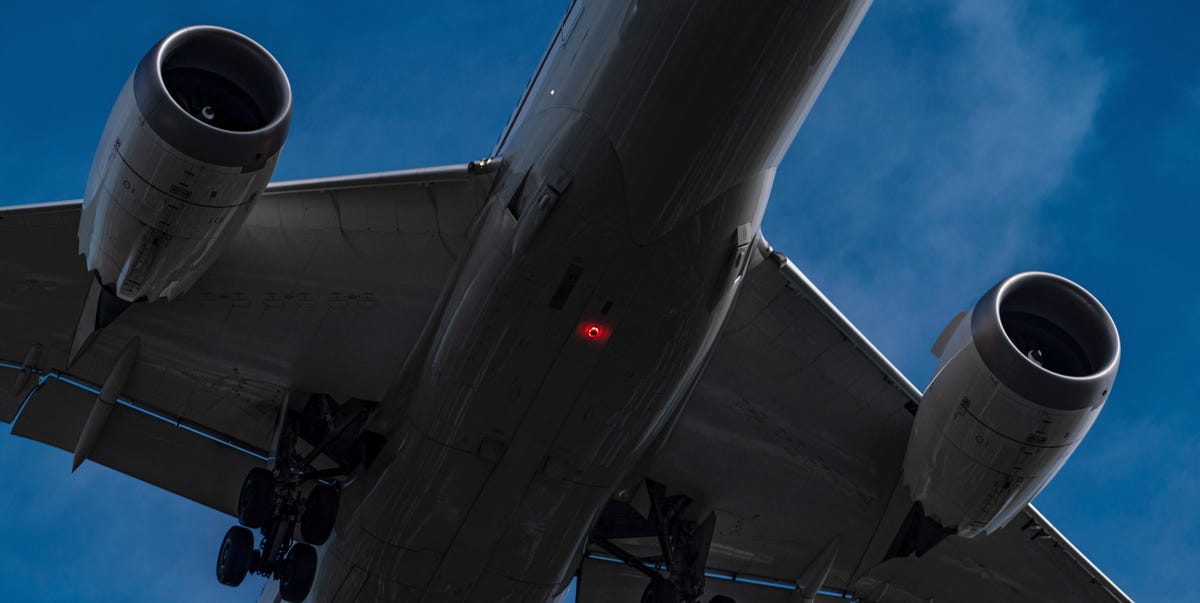
Planespotting is the rare hobby that can make a parking lot feel like a front-row seat at the world’s loudest, shiniest, most jet-fueled theater. One minute you are sipping coffee like a normal citizen. The next, you are whispering, “Is that a 787?” with the seriousness of a detective identifying a footprint at a crime scene.
At its simplest, planespotting is the hobby of watching, identifying, photographing, logging, and appreciating aircraft. Some people love the engineering. Some love the travel stories. Some love the photography challenge. Others just want an excuse to stand outside and watch a Boeing 777 roar overhead like a metal dragon with an airline loyalty program.
The good news? You do not need a pilot license, a $5,000 camera, or the ability to decode every cockpit radio call on day one. To get started in planespotting, you need curiosity, a safe public location, basic airport etiquette, a way to track flights, and maybe a notebook or camera if you want to collect sightings. This beginner-friendly guide walks you through the gear, apps, safety rules, aircraft identification tips, photography basics, and real-world habits that make plane spotting fun instead of confusing.
What Is Planespotting?
Planespotting, also written as “plane spotting,” is the activity of observing aircraft and recording details such as airline, aircraft type, registration number, route, livery, engine style, and special markings. Some spotters focus on commercial airliners. Others prefer cargo aircraft, private jets, military aircraft seen at public airshows, helicopters, vintage planes, or general aviation aircraft at smaller airports.
For beginners, the hobby usually starts with one simple question: “What plane was that?” From there, it grows. You learn the difference between an Airbus A320 and a Boeing 737. You notice how a 787’s raked wingtips look different from the sharklets on an A350. You start recognizing airline liveries before the aircraft is close enough to read. Eventually, you may find yourself getting excited about a rare cargo arrival while your friends politely wonder if you have joined a secret society of runway philosophers.
Why Planespotting Is a Great Beginner Hobby
Planespotting is affordable, flexible, educational, and surprisingly social. You can do it near a major airport, at a small municipal airfield, from an official viewing area, during a layover, or even from your backyard if you live under a busy flight path.
It also teaches real-world aviation knowledge. You will learn how weather affects runway use, why aircraft approach from different directions, how flight numbers work, what ADS-B tracking means, and why some aircraft appear on flight tracking apps while others do not. In other words, planespotting turns the sky from “random flying tubes” into a live map of travel, engineering, logistics, and human movement.
Step 1: Start With a Safe and Legal Spotting Location
Your first rule is simple: stay in public, permitted areas. Do not climb fences, block gates, park on shoulders where stopping is prohibited, stand near airport security perimeters, or wander onto private property. Airports are security-sensitive environments, and “I was just trying to photograph a 737” is not a magic spell that unlocks restricted areas.
Many airports have official or commonly accepted spotting locations. Dallas Fort Worth International Airport has Founders’ Plaza, a dedicated observation area with aircraft views, parking, picnic tables, and aviation audio. Minneapolis-St. Paul International Airport has an aircraft viewing area near the airfield. Denver International Airport has promoted plane spotting views in parts of its airport development and public-facing aviation spaces. These examples show an important point: some airports actually welcome responsible plane watchers.
How to Find a Good Spotting Location
Search for the airport name plus terms like “aircraft viewing area,” “observation deck,” “plane spotting,” “cell phone lot,” or “official viewing area.” Airport websites, aviation forums, local photography groups, and spotting guides often mention safe public spots. Look for places with legal parking, sidewalks, open sightlines, and no signs saying photography or standing is prohibited.
For your first outing, choose a location that is obviously public and low-stress. A designated viewing area is perfect. A public park near an approach path can also work well. Avoid remote fence-line locations until you understand local rules and airport security expectations.
Step 2: Learn Basic Airport Etiquette
Good planespotters are invisible in the best way: respectful, calm, safe, and tidy. Keep your car legally parked. Do not block driveways, emergency access roads, airport service routes, or business entrances. Do not point cameras into private offices, homes, or security checkpoints. Do not argue with airport staff, police, or property owners. If someone in authority asks you to move, move politely.
Also, be considerate of other spotters. If someone is photographing a landing aircraft, do not step in front of their lens at the dramatic touchdown moment. That is how lifelong aviation friendships become courtroom dramas. Share space, keep noise reasonable, and leave the area cleaner than you found it.
Step 3: Use Flight Tracking Apps Like a Pro
Flight tracking apps are the beginner spotter’s superpower. Tools such as Flightradar24, Plane Finder, ADS-B Exchange, FlightAware, and airport arrival boards can help you see what is coming before it appears over the horizon.
Most modern tracking platforms use ADS-B data. ADS-B stands for Automatic Dependent Surveillance-Broadcast. In plain English, many aircraft broadcast position, altitude, speed, and identification data, and ground receivers or satellites collect that information. Apps combine those signals with schedules and other data to show aircraft moving on a map.
However, remember that flight tracking apps are not perfect. Some aircraft may be blocked, delayed, misidentified, outside receiver coverage, or not broadcasting the data you expect. If an aircraft does not appear in an app, that does not mean your eyes are broken. It simply means aviation data has decided to keep a little mystery in the relationship.
What to Watch in a Flight Tracking App
Start with the basics: flight number, aircraft type, altitude, speed, origin, destination, and registration. The registration is like the aircraft’s license plate. Spotters often log registrations because they identify the specific aircraft, not just the airline or model.
Next, look at runway patterns. If planes are landing from the north, departures may be using a different runway or direction depending on wind, traffic, and airport layout. After a few sessions, you will begin predicting where aircraft will appear. That is the moment you stop feeling like a beginner and start feeling like a weather-beaten runway wizard.
Step 4: Understand Runways, Wind, and Light
Aircraft usually take off and land into the wind because it improves performance. This means spotting locations can be amazing one day and strangely quiet the next if the airport changes runway direction. Before you go, check the weather, especially wind direction and cloud cover.
Light matters too. For photography, the best light is often early morning or late afternoon, when the sun is lower and warmer. Midday light can be harsh, especially on white fuselages that turn into flying mirrors. Position yourself with the sun behind you when possible. If the sun is in front of you, your photos may look like dramatic silhouettes, which can be artistic or, depending on the result, evidence that your camera is judging you.
Step 5: Bring Beginner-Friendly Gear
You can start planespotting with your eyes and a phone. That is enough. A phone lets you track flights, take quick photos, record notes, check weather, and identify aircraft. If you enjoy the hobby, you can gradually add more gear.
Basic Planespotting Gear Checklist
A good beginner kit includes a smartphone, water, sunscreen, a hat, comfortable shoes, a portable charger, ear protection for loud locations, and a notebook or note-taking app. Binoculars are useful if you want to read registrations or inspect aircraft details from a distance. A compact pair in the 8x or 10x range is usually easier to handle than giant binoculars that make you look like you are searching for a lost moon.
If photography is your goal, start with what you already own. A modern phone can capture decent wide shots and video, especially when aircraft are close. For sharper aircraft photos, a camera with a telephoto lens helps. Many beginners use lenses in the 70-300mm range. More advanced aviation photographers often prefer longer telephoto zooms, such as 100-400mm, 150-600mm, or similar options, depending on budget and camera system.
Step 6: Learn Aircraft Identification Basics
Aircraft identification is one of the most satisfying parts of plane spotting. Begin with common narrow-body aircraft: the Boeing 737 family and Airbus A320 family. These are everywhere at U.S. airports, so they make great practice subjects.
Boeing 737 vs. Airbus A320
A Boeing 737 often has a more pointed nose and cockpit window shape, while the Airbus A320 family has a rounder nose and a different cockpit window style. Engine shape, landing gear height, wingtip design, and tail proportions also help. Once you learn these clues, you will start spotting differences quickly.
Boeing 787 vs. Airbus A350
For wide-body aircraft, compare the Boeing 787 Dreamliner and Airbus A350. The 787 has distinctive raked wingtips and engine chevrons on many models. The A350 has elegant curved winglets and a sleek cockpit “mask” look. Both are beautiful aircraft, so choosing a favorite may cause unnecessary emotional turbulence.
Cargo, Regional, and Private Aircraft
Do not ignore cargo planes, regional jets, turboprops, and business jets. FedEx, UPS, Amazon Air, DHL, and other cargo operations can bring interesting aircraft at unusual hours. Regional jets such as the Embraer E-Jet family and Bombardier/CRJ aircraft are common at many airports. Smaller airports may offer Cessnas, Pipers, Cirrus aircraft, helicopters, and training flightsexcellent practice for understanding general aviation.
Step 7: Keep a Planespotting Log
A planespotting log turns casual watching into a collection. You can keep it simple: date, airport, location, airline, aircraft type, registration, flight number, and notes. Some spotters use spreadsheets. Others use apps or aviation databases. A notebook works too, especially if you enjoy the old-school charm of writing “N123AB” while the wind tries to steal your pen.
Your notes do not need to be perfect. In the beginning, log what you can. Over time, you will become faster at reading registrations, matching aircraft types, and identifying special liveries. Special liveries are aircraft painted in unique colors or promotional designs, and they are a favorite target for aviation photographers.
Step 8: Try Aviation Photography Without Overcomplicating It
Aviation photography looks intimidating until you realize the basic challenge: a large object is moving quickly, and you want it sharp, well-framed, and nicely lit. Start with simple settings. Use continuous autofocus if your camera has it. Use burst mode for takeoff and landing sequences. Keep your shutter speed high for jets, especially when they are moving fast across your frame.
For propeller aircraft or helicopters, slower shutter speeds can create pleasing prop blur, but that takes practice. If you use a very fast shutter speed on a propeller plane, the prop may freeze and make the aircraft look like it is parked in midair, which is impressive only if you are photographing a magic trick.
Simple Composition Tips
Leave space in front of the aircraft so it appears to have room to move. Keep the horizon straight. Avoid cutting off wingtips unless you are intentionally creating a close-up detail shot. Capture variety: side profiles, nose-on approaches, touchdown smoke, rotation moments, taxi shots, tail details, engine close-ups, and airport atmosphere.
Do not delete everything too quickly. Some photos that look ordinary at first may become useful later for registration, livery details, or learning from your settings. Review your images after each session and ask: Was the light right? Was the shutter speed fast enough? Did I focus on the aircraft or accidentally create a breathtaking portrait of the fence?
Step 9: Listen and Learn, But Respect Rules
In the United States, many aviation enthusiasts listen to air traffic control audio through services such as LiveATC where feeds are available. This can help you understand runway changes, arrivals, departures, and aviation phraseology. Listening while watching aircraft can make the airport feel like a live classroom.
That said, rules about radio listening vary by country, and rebroadcasting or using audio commercially may involve restrictions. For beginners, the safest approach is to use established public services, follow their terms, and treat ATC audio as educational context rather than entertainment to misuse.
Step 10: Know What Not to Do
Planespotting should never interfere with airport operations, law enforcement, pilots, crews, passengers, or local residents. Do not use laser pointers near aircraft. Do not fly drones near airports without proper FAA authorization and full compliance with drone rules. Do not climb fences or try to “get a better angle” from restricted areas. Do not photograph sensitive security equipment or argue if a staff member tells you photography is not allowed in a specific place.
The Transportation Security Administration does not generally prohibit photography at security checkpoints as long as you do not interfere with screening or reveal sensitive information, but airports, airlines, and private property owners may have their own rules in certain areas. When in doubt, ask politely or move to a clearly public location.
Step 11: Join the Planespotting Community
Planespotting is more fun when you connect with others. Look for local aviation photography groups, airport spotting communities, social media hashtags, airshow clubs, or online forums. Experienced spotters often know which locations are safe, when rare aircraft arrive, and which runway gets the best afternoon light.
When posting photos online, include useful details: airport, aircraft type, airline, registration, and date. Avoid sharing anything that encourages unsafe access or breaks local rules. A great aviation photo is not just sharp; it is responsibly captured.
Step 12: Plan Your First Planespotting Session
Here is a simple beginner plan. Choose one airport. Find one legal public viewing location. Check the weather and wind. Open a flight tracking app. Bring water, sunscreen, and a phone charger. Stay for one to two hours. Log five to ten aircraft. Try to identify at least two models. Take photos if you want, but do not make photography the only goal.
Your first session is about learning the rhythm. Watch how arrivals line up. Notice how departures climb differently depending on aircraft size and load. Compare what you see with your flight tracking app. Listen to the sound differences between regional jets, narrow-bodies, wide-bodies, turboprops, and helicopters. Aviation is full of patterns, and planespotting teaches you to see them.
Common Beginner Mistakes in Planespotting
Trying to Buy Too Much Gear Too Soon
Expensive gear will not automatically make you a better spotter. Start with basic tools and learn what you actually need. If you later realize you love aviation photography, then consider upgrading your lens or camera body.
Ignoring Sun Direction
Bad light can make even a rare aircraft look dull. Before you settle into a location, check where the sun is. Your future photo library will thank you.
Forgetting Local Rules
Every airport is different. A great spotting habit in one city may be frowned upon in another. Always respect signs, security, police, and property boundaries.
Only Watching Big Jets
Yes, wide-body aircraft are exciting. But smaller aircraft can teach you more about aviation. Training flights, cargo feeders, medical helicopters, business jets, and vintage aircraft often create the best surprises.
Best Beginner Aircraft to Practice Identifying
Start with common aircraft because repetition builds confidence. At many U.S. airports, you will frequently see Boeing 737s, Airbus A320-family aircraft, Embraer E175s, Airbus A220s, Boeing 757s, Boeing 767s, Boeing 787s, Airbus A330s, and regional jets. At cargo-heavy airports, look for Boeing 757 freighters, 767 freighters, 777 freighters, MD-11s where still active, and Airbus cargo aircraft.
Make it a game. Pick one aircraft type per session and focus on learning its shape. Next time, add another. Before long, you will identify aircraft by wingtip, nose, landing gear, engine placement, or tail shape. This is when planespotting becomes dangerously satisfying.
Experiences From the Field: What Getting Started Really Feels Like
The first time you go planespotting, do not expect cinematic perfection. Expect a little confusion, a lot of looking in the wrong direction, and at least one moment where a plane sneaks up behind you like it has been trained by ninjas. That is normal. Airports are busy, layered environments. Aircraft move on the ground, in the air, on approach, on departure, and sometimes on taxiways you did not even realize existed.
A good first experience usually begins with choosing comfort over ambition. Instead of chasing the “ultimate secret spot,” go somewhere simple and legal. Bring a drink, arrive early, and give yourself time to observe. At first, you may not know what you are looking at. Then patterns appear. A line of landing lights forms in the distance. A Southwest 737 rolls out. A Delta A321 taxis by. A cargo jet waits like a patient rhinoceros with wings. Suddenly the airport feels organized instead of chaotic.
One of the best beginner moments is matching an aircraft in the sky to a flight tracking app. You see a dot turning final. The app says it is an Airbus A320 from Phoenix. A few minutes later, there it is, nose pointed toward the runway, gear down, engines humming. That tiny connection between screen and sky is addictive. It turns planespotting from random watching into active discovery.
Photography adds another layer of comedy and challenge. Your first photos may include heat haze, fence blur, crooked horizons, or an aircraft perfectly hidden behind a lamp post. Congratulations: you have joined the club. Every aviation photographer has a collection of almost-great shots. The trick is to learn from them. If the plane is blurry, raise your shutter speed or improve your panning. If the image is dark, check exposure. If the aircraft is too small, move to a better public location or use a longer lens later. Improvement comes session by session.
Another real experience: conversations happen. A parent may ask what you are photographing. A kid may ask why one plane is bigger than another. Another spotter may tell you a rare aircraft is inbound. Be friendly, but not intrusive. Planespotting has a welcoming community when people respect boundaries and share information generously.
Weather also becomes part of the hobby. Wind changes runway direction. Clouds create dramatic backgrounds. Rain can make runway lights glow. Cold air can produce crisp photos, while hot days create shimmering heat distortion. You begin checking weather not just to decide whether to bring a jacket, but to predict airport behavior. This is when you realize planespotting has quietly turned you into a part-time meteorologist with a camera bag.
The biggest lesson from early spotting sessions is patience. Some days are full of rare aircraft, special liveries, and perfect light. Other days are mostly ordinary arrivals and a suspicious number of gray clouds. Both are useful. Ordinary days build skill. Rare days reward preparation. The more often you go, the more you understand your local airport’s rhythm, best angles, busy hours, and seasonal surprises.
Getting started in planespotting is not about becoming an expert overnight. It is about noticing more each time you look up. First you see airplanes. Then you see aircraft types. Then airlines, routes, registrations, runway patterns, lighting, weather, and stories. The sky gets more interesting because you trained yourself to read it.
Conclusion
Planespotting is one of the easiest aviation hobbies to begin and one of the hardest to outgrow. You can start with a phone, a safe public location, and a little curiosity. From there, you can learn flight tracking, aircraft identification, aviation photography, airport etiquette, and local traffic patterns at your own pace.
The most important advice is simple: be safe, be respectful, and keep learning. Stay in legal public areas. Follow airport and property rules. Use tracking apps as helpful tools, not absolute truth. Practice identifying common aircraft before chasing rare ones. Take photos for fun before worrying about perfection.
Every expert plane spotter once stared at the sky and guessed wrong. That is part of the fun. The next aircraft overhead might be routine, rare, delayed, diverted, freshly painted, or simply beautiful in the right light. Look up, stay curious, and enjoy the show.