Weed smell has a way of making itself at home. It clings to soft fabrics, drifts into vents, hangs around in cars, and somehow manages to make one innocent hoodie smell like it just came back from a very specific music festival. If you are trying to freshen a room, your clothes, your upholstery, or your whole living space, the good news is that you do not need to wage war with perfume clouds and a gallon of mystery spray.
The best way to get rid of weed smell is to remove the source, clean the surfaces that trap odor, and improve the air so the smell does not keep circling back like an unwanted encore. That means going beyond “open a window and hope for the best.” Airing out the room helps, but long-lasting odor usually sticks to fabrics, smoke residue, ash, resin, and anything porous enough to soak up smells like a sponge in a bad mood.
Below are nine simple methods that actually make sense, along with practical examples and a few common mistakes to avoid. Whether you are dealing with a stale room, smoky clothes, or a car that smells suspiciously herbal, these tips can help you clear the air without making your home smell like a candle store exploded.
Why Weed Smell Lingers So Long
Before jumping into the fixes, it helps to know why cannabis odor can be stubborn. The smell comes from aromatic compounds and smoke residue that do not just float away on command. Some of that odor stays in the air for a while, but a lot of it settles onto curtains, rugs, couches, car seats, bedding, and even walls. If you only mask the smell, it often comes back the minute the air freshener gives up.
That is why the most effective approach is layered: ventilate the area, absorb or filter odor in the air, and clean whatever is holding onto the smell. Think of it like fighting a tiny skunky ghost with a three-step plan.
1. Open Windows and Create Cross-Ventilation
The first move is simple: get stale air out and fresh air in. Open windows on opposite sides of the room if possible, and use fans to push smoky air outward. This works best when you create cross-ventilation instead of just cracking one lonely window and expecting magic.
How to do it well
Place one fan facing out of a window to blow stale air outside. Open another window or door across the room so fresh air can replace it. Run the setup for at least 30 minutes, longer if the smell is strong or the room is heavily furnished.
This method helps right away, but it is rarely enough by itself. If odor has already settled into fabrics or residue, ventilation is just the opening act, not the grand finale.
2. Remove the Source Immediately
It sounds obvious, but odor removal gets much easier when you stop feeding the smell. Ashtrays, roaches, resin-coated tools, used rolling papers, and half-sealed containers can keep a room smelling like weed long after the smoke clears.
What to remove
- Used ash and burnt material
- Dirty pipes, grinders, and trays
- Loose flower sitting out in the open
- Trash that contains smoked materials
Take waste outside right away instead of leaving it in the kitchen trash. If accessories are dirty, clean them instead of letting sticky residue keep broadcasting the odor like a tiny cannabis lighthouse.
3. Wash Fabrics That Trap Odor
If a room still smells weird after you air it out, fabrics are probably the culprits. Curtains, throw blankets, couch covers, bedding, hoodies, and even decorative pillows can absorb smoke and hold it for days.
Where to focus first
- Clothing worn during or after smoking
- Curtains and drapes
- Bedding and pillowcases
- Washable cushion covers
- Pet beds, if they were in the room
Use your regular detergent and follow fabric-care instructions. For items that cannot go straight into the washer, vacuum them first and spot-clean carefully. In cars, removable floor mats and washable seat covers should be cleaned before you try to freshen the air. Otherwise, you are basically spraying fragrance on top of a problem that is still lounging comfortably in the fibers.
4. Vacuum Upholstery, Rugs, and Carpets Thoroughly
Soft surfaces hold onto odor particles, especially in rooms where smoking happened more than once. Carpets and upholstery are like odor savings accounts: what goes in tends to stick around. A slow, careful vacuuming session can make a noticeable difference, especially when paired with odor-absorbing treatments.
Best approach
Use the upholstery attachment on couches and chairs, and get into seams, corners, and under cushions. Vacuum rugs and carpets slowly in overlapping passes. If the smell is lingering, sprinkle baking soda lightly on rugs or fabric surfaces that can tolerate it, let it sit for a while, then vacuum it up.
For delicate materials, always test first or follow the care label. The goal is fresh, not “I accidentally ruined the sofa and now it smells like regret.”
5. Use Activated Charcoal or Baking Soda to Absorb Odor
Once you have dealt with the obvious sources, it is time to neutralize what is still hanging around. Activated charcoal and baking soda are popular for a reason: they help absorb or neutralize odor instead of simply covering it up with a fake mountain breeze.
Simple ways to use them
- Place bowls of baking soda in the room overnight
- Set out activated charcoal in open containers where air circulates
- Use baking soda on carpets and fabric surfaces before vacuuming
- Put odor absorbers in closets, laundry areas, or car footwells
Activated charcoal is especially useful for odor control in enclosed spaces, while baking soda works well for rooms and fabric refreshes. Neither one is glamorous, but both are solid teammates.
6. Clean Hard Surfaces Where Residue Settles
Smoke odor does not stay politely in the air. It settles on tables, walls, shelves, counters, window frames, mirrors, and other hard surfaces. If the room still smells stale after airing out and washing fabrics, it is time for a wipe-down.
Surfaces worth cleaning
- Coffee tables and nightstands
- Window sills and blinds
- Walls near smoking areas
- Cabinets, doors, and baseboards
- Car dashboards and interior panels
Use a gentle all-purpose cleaner or a mild vinegar-and-water solution if the material allows it. Always test a small area first, especially on painted walls or delicate finishes. What matters most is removing the residue layer that keeps releasing odor back into the space.
7. Run an Air Purifier With HEPA and Activated Carbon
If you regularly deal with lingering smell in one room, an air purifier can be worth it. But not just any machine with a futuristic glow and a dramatic marketing slogan. For smoke and odor, you want a purifier that handles both particles and gases.
What to look for
- A true HEPA filter for fine airborne particles
- An activated carbon filter for odor and gaseous compounds
- The right room-size rating
- Replaceable filters you will actually remember to change
A purifier can help clear the air faster, especially in bedrooms, apartments, or shared spaces where odor travels easily. Just remember that it works best alongside cleaning, not instead of it. Also, skip gimmicky ozone machines for normal home odor problems. They may sound intense, but “intense” is not always the same thing as “smart.”
8. Replace HVAC Filters and Let Air Move Through the House
If smoke odor keeps coming back even after the room seems clean, your HVAC system may be helping the smell travel from one space to another. Dust, particles, and odor can get caught in filters and circulate through vents, especially in homes with central air.
Smart maintenance steps
- Replace HVAC filters on schedule or sooner if they are dirty
- Use quality filters that suit your system
- Check vents in rooms where odor seems strongest
- Consider duct cleaning if odor buildup is severe and persistent
This step is especially helpful in larger homes, multi-room apartments, and any place where one smoky room somehow makes the hallway smell guilty too.
9. Store Cannabis in Airtight Containers
Sometimes the smell is not coming from smoke at all. It is coming from storage. Weed flower is naturally pungent, and flimsy bags do not do much to contain odor. If you want the room to smell normal when nothing is actively happening, proper storage matters a lot.
Better storage choices
- Airtight glass jars
- Smell-proof containers with tight seals
- Odor-resistant bags designed for storage
- Separate storage for accessories that may hold resin smell
Do not rely on thin plastic baggies alone. They are the sweatpants of odor control: convenient, yes; impressive, not really. A sealed container helps preserve freshness while keeping the smell from taking over drawers, closets, backpacks, and cars.
Common Mistakes That Make Weed Smell Worse
Sometimes people make the odor problem bigger by trying to solve it too quickly. Here are a few classic missteps:
- Masking instead of cleaning: Sprays and candles may add scent, but they do not remove residue.
- Ignoring fabrics: If you skip curtains, rugs, and upholstery, the smell usually sticks around.
- Leaving dirty tools out: Resin and ash can keep producing odor even without fresh smoke.
- Using poor storage: Open containers or low-quality bags let the smell leak constantly.
- Forgetting the car: Seat fabric, mats, cup holders, and vents can all hold odor.
How to Get Rid of Weed Smell in Specific Places
In a bedroom or living room
Open windows, remove the source, wash soft items, vacuum fabric surfaces, wipe down hard surfaces, and run an air purifier. This is the best all-around routine for home odor removal.
In clothes
Wash items promptly, let them air out before rewashing if needed, and do not forget jackets, hats, or scarves. These often hold more smell than people realize.
In a car
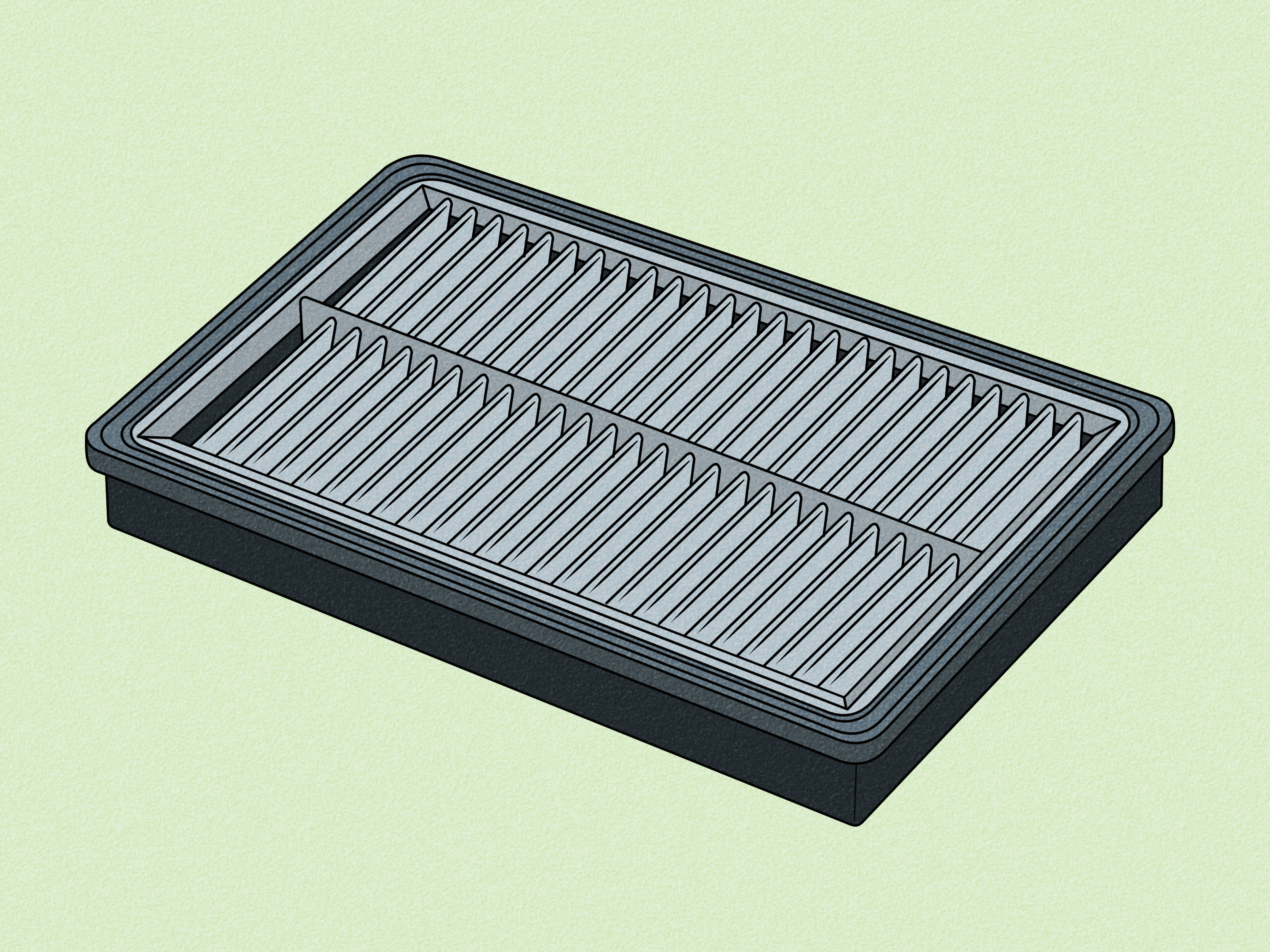
Take out trash, vacuum seats and mats, wipe hard surfaces, air the vehicle out, and place an odor absorber inside for a day or two. If the smell is intense, replace the cabin air filter.
In a closet or drawer
Check the storage container first. Then use activated charcoal or baking soda nearby and clean anything fabric-based that may have picked up the odor.
Final Thoughts
If you want to get rid of weed smell for real, the trick is not one miracle product or one heroic spritz of room spray. It is a simple combination of airflow, cleanup, and odor control. Ventilate the area, remove the source, wash the fabrics, clean the residue, and use the right storage going forward. That is the difference between a room that smells briefly better and one that actually smells clean.
In other words, do not just perfume the evidence. Clean the scene. Your nose, your couch, and anyone who walks into the room unannounced will appreciate it.
Experiences and Real-Life Lessons From Dealing With Weed Smell
One of the most common experiences people have is assuming the smell is stronger in the air than it is in fabric. Then they wash the air, so to speak, with open windows and a fancy spray, only to realize the next morning that the room still smells unmistakably herbal. What changed? The moving air stopped. Once the fans turned off, the odor that had settled into curtains, blankets, and upholstery made a comeback like it never left. That is why so many people say the biggest turning point was not buying a stronger scent product, but finally washing fabrics and cleaning soft surfaces properly.
Another familiar lesson comes from cars. People often think cracking the windows for a few hours will solve everything. Sometimes it helps a little, especially on a dry, breezy day, but cars are packed with odor-trapping material. Cloth seats, seat belts, trunk liners, carpet mats, and the cabin air filter all hold smell far longer than expected. Many drivers report that the inside of the car smelled “fine” until the heat or AC kicked on, which pushed the odor right back into the cabin. That experience usually teaches the same lesson fast: if the smell returns when the vents start blowing, the filter or interior fabric is probably part of the problem.
In apartments and shared homes, the experience is even more frustrating because smells travel. Someone may clean one room thoroughly and still notice odor in the hallway, closet, or neighboring space. This often happens because HVAC airflow moves the smell around, or because the original source was not fully removed. A forgotten ashtray, a dirty grinder, or an unsealed jar can keep feeding odor into an otherwise clean room. People who have dealt with this more than once often say the real fix started when they stopped treating the smell like a single event and started treating it like an environmental problem with multiple sources.
There are also plenty of stories from people who went too hard with fragrance-based solutions. They used candles, plug-ins, incense, strong sprays, and maybe something labeled “mountain rainstorm waterfall linen.” The result was not a fresh-smelling room. It was a weird-smelling room with weed underneath it. That layered effect is a surprisingly common complaint. Instead of smelling clean, the space smells like someone tried to negotiate with the odor and lost. The better experiences usually come from neutral cleaning methods first, then a mild fresh scent later if needed.
Storage mistakes create another very real problem. A lot of people assume any sealed bag is enough, but then they discover that a backpack, drawer, or closet still smells strong. Over time, many learn that airtight glass jars or purpose-built smell-resistant containers do a much better job than thin plastic. Some even notice that accessories smell more than the flower itself, especially if resin buildup is involved. Cleaning tools regularly ends up being just as important as storing the product well.
What all these experiences have in common is pretty simple: the smell usually lasts longer than expected when people try shortcuts, and it fades much faster when they combine ventilation, deep cleaning, odor absorption, and better storage. So if your first attempt did not work, do not assume the smell is impossible to remove. It usually just means one part of the odor chain was missed.
{ “@context”: “https://schema.org”, “@type”: “Article”, “headline”: “How to Get Rid of Weed Smell: 9 Simple Methods”, “description”: “Learn how to get rid of weed smell with 9 simple methods that target air, fabrics, residue, cars, and storage for a cleaner-smelling home.”, “author”: { “@type”: “Person”, “name”: “ChatGPT” }, “mainEntityOfPage”: { “@type”: “WebPage” }, “keywords”: [ “how to get rid of weed smell”, “remove cannabis odor”, “weed smell in house”, “how to eliminate smoke smell”, “activated charcoal for odor”, “air purifier for smoke smell”, “smell-proof cannabis storage” ] }