If your water heater had a bodyguard, it would be the anode rod: underappreciated, quietly heroic, and slowly taking hits so the tank does not have to. Most homeowners never think about this part until the shower turns moody, the hot water smells like a science experiment, or the tank starts aging like milk instead of fine wine. That is a shame, because changing a water heater anode rod is one of the smartest maintenance moves you can make if you want to squeeze more years out of a standard tank-style unit.
In plain English, the anode rod is a sacrificial metal rod installed inside many glass-lined water heaters. Its job is to attract corrosive elements in the water so the tank walls stay protected. The rod slowly corrodes instead of the steel tank. That is the deal. It is basically volunteering for a miserable job so your basement does not become an indoor pond.
If you want to extend water heater life, cut down on surprise leaks, and avoid replacing a perfectly good heater too soon, learning when and how to replace the anode rod is worth your time. This guide explains what the rod does, when to inspect it, how to replace it safely, which mistakes to avoid, and when it is smarter to call a plumber instead of auditioning for your own home-repair blooper reel.
Why Water Heaters Die Younger Than They Should
Tank water heaters usually do not fail because they woke up dramatic one morning and chose chaos. They fail because corrosion, sediment, heat, water chemistry, and neglect slowly team up against them.
Inside a storage tank water heater, the steel tank is protected by a glass lining and an anode rod. The lining helps, but it is not magical armor. Tiny imperfections, mineral buildup, high-demand usage, softened water in some homes, and years of heating and cooling cycles can all accelerate wear. Once the sacrificial rod is mostly gone, the tank itself becomes the next thing in line to corrode.
That is why so many water heater maintenance guides focus on two simple habits: flush the tank to reduce sediment and inspect the anode rod before it is completely spent. Skip both, and your water heater starts living on borrowed time.
What a Water Heater Anode Rod Actually Does
The “Sacrificial” Part Is Not Marketing Drama
The anode rod is commonly made from magnesium, aluminum, or an aluminum-zinc blend. It sits inside the tank and attracts corrosive elements through an electrochemical process. In other words, the rod corrodes first so the tank does not. It is not glamorous, but neither is mopping 50 gallons of hot water off a utility room floor.
This is why homeowners hear the term sacrificial anode rod. The word “sacrificial” is not a joke. The rod is supposed to wear down over time. That is normal. What is not normal is forgetting it exists for a decade and then acting shocked when the heater starts leaking like it has emotional damage.
Common Anode Rod Types
Magnesium anode rods are widely used and tend to offer strong tank protection, especially in many standard water conditions. Aluminum or aluminum-zinc rods are often considered where hard water or odor issues are a concern. Powered anode rods, which use electrical current instead of sacrificing metal, are another option for some heaters and upgrades. They cost more up front, but many homeowners like them because they can reduce repeat replacements and may help in odor-prone systems.
The right choice depends on your heater model, clearance, water chemistry, and sometimes your warranty terms. Translation: the best anode rod is not always the cheapest one sitting in a random online cart at 1:12 a.m.
How Often Should You Check the Anode Rod?
There is no one-size-fits-all answer, because water quality behaves differently from house to house. A smart rule is to inspect the rod every 2 to 5 years, with earlier checks for homes with water softeners, heavy hot-water use, or aggressive water chemistry. Some manufacturers suggest every two years; many home-repair experts recommend every three to five years; and some heaters in demanding conditions should be inspected even sooner.
If your home uses softened water, pay extra attention. Softened water can be easier on some plumbing issues, but it may also increase anode consumption. That means the rod can disappear faster than you expect. Families with high hot-water demand also tend to burn through anodes more quickly because the heater cycles more often.
Signs It Is Time to Replace the Anode Rod
- The rod is heavily corroded or caked with calcium.
- More than about 6 inches of the steel core wire is exposed.
- The rod has worn down to under roughly 1/2 inch thick in major sections.
- You notice rusty-looking hot water.
- Your hot water smells like rotten eggs.
- Your heater is several years old and has never had the rod checked.
That rotten-egg smell deserves its own spotlight. Sometimes the odor is linked to a reaction involving the anode rod, bacteria, and water chemistry. Replacing the rod with a different type may help, though severe odor problems sometimes need water treatment as well. The important part is this: do not solve the smell by permanently removing the anode rod. That is like fixing a squeaky door by removing the house.
How to Change a Water Heater Anode Rod
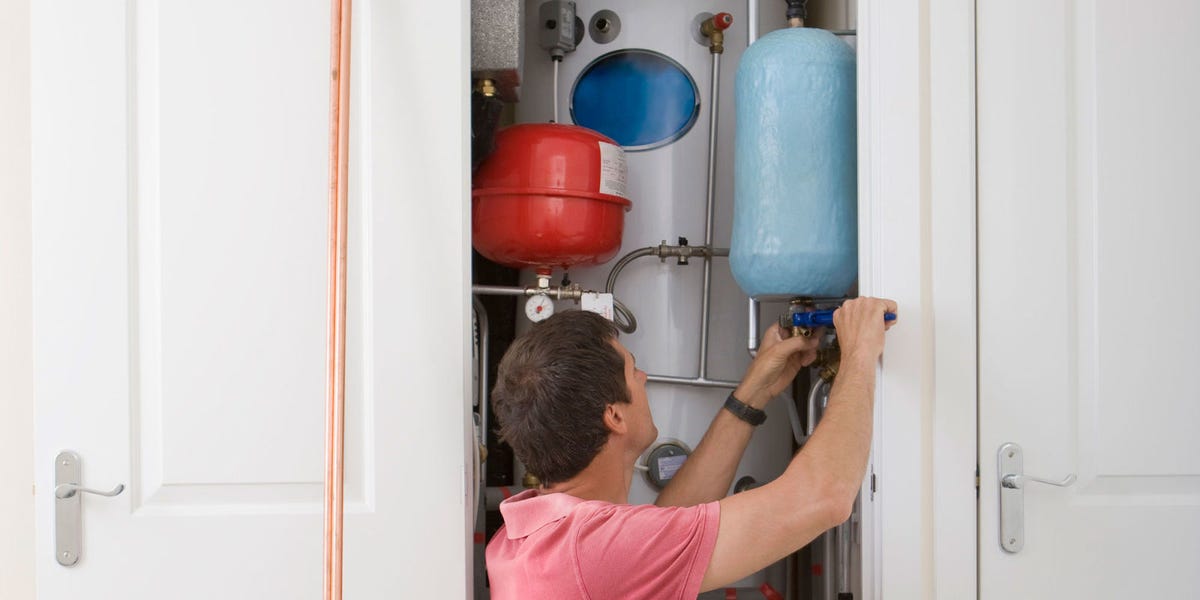
If you are comfortable with basic plumbing tasks, changing a water heater anode rod can be a very manageable DIY project. Still, this is one of those jobs where “simple” and “effortless” are not always best friends. A stuck old rod can be ridiculously tight, and low ceiling clearance can turn a ten-minute plan into interpretive dance with a socket wrench.
Step 1: Confirm Your Heater Uses a Replaceable Rod
Most standard glass-lined tank water heaters do, but the location varies. Some rods are under a top cap. Some are combined with the hot-water outlet. Some newer systems may use powered anodes. Check the model manual before you start so you know what you are dealing with.
Step 2: Gather the Right Tools
You will usually need a 1-1/16-inch socket, breaker bar, garden hose, thread sealant approved by the manufacturer, replacement rod, gloves, and possibly a helper. A flexible segmented anode rod can be a lifesaver if overhead clearance is tight.
Step 3: Shut Off the Heater Safely
Turn off power at the breaker for an electric water heater. For a gas water heater, set the gas control to pilot or shut it down according to the manufacturer instructions. Close the cold-water supply valve. Then open a nearby hot-water faucet to relieve pressure. Safety first; surprise geysers are rarely character-building.
Step 4: Drain a Few Gallons
Connect a hose to the drain valve and drain several gallons from the tank. You usually do not need to empty the whole heater just to replace the rod. The goal is to lower pressure and water level enough to remove the rod without making your utility space feel like a small wetland.
Step 5: Remove the Old Anode Rod
Locate the hex head on top of the unit. Use the socket and breaker bar to loosen it. This can be the hardest part. Manufacturers install these firmly, and years of heat do not exactly make them looser. Many DIYers use a helper to steady the tank while they apply pressure. If the rod is under low clearance, pull it out carefully; you may need to bend a flexible style or switch to one for reinstallation.
Step 6: Inspect the Rod Honestly
Once removed, do not grade on a curve. If the rod is badly thinned, the core wire is exposed, or it is coated in heavy mineral deposits, replace it. This is not a sentimental item. No one hands a grandchild an old anode rod and says, “Keep this, it served bravely.”
Step 7: Install the New Rod
Apply the thread sealant recommended for your heater or rod type. Many pros prefer pipe-joint compound over excessive tape wrapping so electrical continuity is not compromised. Thread the new rod in by hand first, then tighten it securely.
Step 8: Refill and Restart
Close the drain valve, reopen the cold-water supply, and let the tank refill. Keep a hot-water faucet open until air purges and water flows steadily. Check for leaks around the new rod. Only after the tank is fully refilled should you restore electrical power or fully restart the gas heater. Turning on an electric heater before the tank is full is a classic shortcut to burning out elements and creating new problems where old ones used to be.
Mistakes That Shorten Water Heater Life
1. Never Checking the Rod
This is the big one. Homeowners remember air filters, maybe smoke detector batteries, and if they are feeling ambitious, even dryer vents. But the anode rod? Forgotten like a gym membership in February.
2. Removing the Rod and Not Replacing It
This is a terrible idea. The rod is there for corrosion protection. Permanently removing it can dramatically shorten tank life and may void warranty coverage on some units.
3. Ignoring Sediment
Changing the anode rod is smart, but it works best alongside annual flushing. Sediment buildup reduces efficiency, causes noise, and adds stress to the tank. If your water heater sounds like it is frying gravel, it is asking for maintenance in the least elegant way possible.
4. Choosing the Wrong Replacement Rod
Wrong thread size, wrong length, wrong material, wrong style for the space above the heater: all very possible. Match the replacement rod to your model and local water conditions.
5. Skipping the Warranty Fine Print
Some manufacturers allow homeowner maintenance; some recommend licensed service for certain procedures. Before you grab tools, take five minutes to read your manual. That is a lot cheaper than learning about warranty exclusions the hard way.
How to Make the New Anode Rod Last Longer
If your goal is to extend the life of your water heater, replacing the rod is not the finish line. It is the headline act in a broader maintenance routine.
- Flush the tank annually to reduce sediment buildup.
- Inspect more often if you have softened water or high hot-water use.
- Watch for odor, discoloration, or rumbling sounds that signal developing problems.
- Choose the right rod material if your water chemistry causes repeated issues.
- Keep the heater area accessible so maintenance is not delayed for avoidable reasons.
- Fix leaks early, even small ones around fittings and valves.
Think of it this way: a new anode rod is like putting good tires on a car. Excellent move. Still helps if you also check the oil instead of driving around with pure optimism.
When to Call a Plumber Instead of DIYing It
There is no shame in outsourcing this job. In fact, sometimes it is the smartest play.
Call a professional if the rod will not budge, the tank is already leaking, you smell gas, the shutoff valves are unreliable, the heater is in a tight or awkward location, or your warranty rules are unclear. It is also wise to call for help if the unit is older and already showing multiple warning signs. Replacing the anode rod is great preventive maintenance, but it is not a time machine. A tank near the end of its service life will not magically become a spring chicken because you gave it one new part and a pep talk.
For many homes, a conventional tank water heater lasts roughly 8 to 12 years, though maintenance can improve the odds of landing on the longer end of that range. The anode rod is one of the few parts that gives you a real chance to influence that outcome.
The Bottom Line
If you want a practical answer to the question how to extend the life of your water heater, here it is: do not ignore the anode rod. This inexpensive component is one of the main reasons a glass-lined tank survives years of hot water duty without rusting itself into retirement. Inspect it on schedule, replace it when worn, flush sediment regularly, and choose the proper rod for your water conditions.
That is not flashy advice. It will not win social media. But it can save you money, reduce the odds of a major leak, and help you get more value out of one of the hardest-working appliances in your home. Not bad for a metal rod most people have never seen.
Real-World Experiences: What Homeowners Learn After They Finally Check the Anode Rod
One of the most common homeowner experiences with anode rod replacement is pure disbelief. Not disbelief at the science, but disbelief that such a cheap part can matter so much. Many people do not hear the words “anode rod” until a plumber mentions it after years of ownership. The usual reaction is some version of, “Wait, my water heater has a part that exists specifically to rust so the tank will not?” Yes. It does. And yes, that would have been useful information about six winters ago.
A very typical story goes like this: the family starts noticing that hot water has a faint metallic taste, a little discoloration, or an odd odor. The heater still works, so the issue gets pushed down the to-do list behind more glamorous projects like paint colors or patio furniture. Then someone finally flushes the tank, checks the rod, and discovers what looks like the fossil of a once-decent piece of metal. In many cases, replacing that rod and cleaning out sediment makes the heater noticeably quieter and gives the owners peace of mind they did not realize they were missing.
Another frequent experience involves tight clearance. On paper, replacing a water heater anode rod sounds easy. In real life, the heater may be tucked into a closet with just enough overhead room to store regret. Homeowners often learn the hard way that a flexible replacement rod is not some fancy optional accessory; it is the difference between finishing the job and standing there holding a full-length rod like a confused javelin thrower. Once people know that segmented rods exist, they usually wish they had known five minutes and one bruised elbow earlier.
Homes with softened water create another pattern. Owners are often pleased that the fixtures look better and scale is reduced, then surprised to learn the anode may wear faster in those conditions. The lesson here is not “soft water is bad.” It is “maintenance schedules are not universal.” A neighbor might get five years from a rod, while your system may need inspection much sooner. That realization helps homeowners stop guessing and start treating water heater care like real maintenance instead of a once-a-decade coin toss.
Plumbers also report a recurring experience: homeowners trying to solve odor problems by removing the rod completely. That almost never ends well. The smarter route is to diagnose the water chemistry, consider a different rod material, and address bacteria or filtration issues if needed. People who take that approach usually come away with a better result and a heater that still has corrosion protection.
Perhaps the biggest shared experience is this: once someone replaces an anode rod successfully, water heater maintenance becomes far less mysterious. The appliance stops feeling like a sealed metal oracle in the corner of the house and starts feeling manageable. That confidence matters. Homeowners who understand the rod, sediment, and warning signs are much more likely to catch small problems before they turn into expensive ones. In the world of home maintenance, that is about as close to a superpower as most of us get.