Ending a letter in Spanish sounds simpleuntil you realize that “best regards” has a dozen cousins, some are polished enough for a lawyer, some are warm enough for your aunt, and some are casual enough for a friend who already knows your favorite coffee order. The good news is that learning how to end a letter in Spanish is not hard. The trick is matching the closing to the relationship, the level of formality, and the reason you are writing.
If you get the ending right, your message feels natural and respectful. If you get it wrong, the note can sound stiff, cold, awkward, or accidentally romanticwhich is a bold move for a customer service email and usually not the one you want. Whether you are writing a professional email, a thank-you note, a message to a professor, or a friendly letter to someone you know well, this guide will help you choose a Spanish sign-off that actually fits.
In this article, you will learn the difference between formal, friendly, and casual closings, when to use each one, what phrases native speakers commonly choose, and which endings are better left out unless you enjoy creating accidental drama. We will also look at sample endings so you can stop guessing and start sounding confident.
Why the Ending Matters More Than You Think
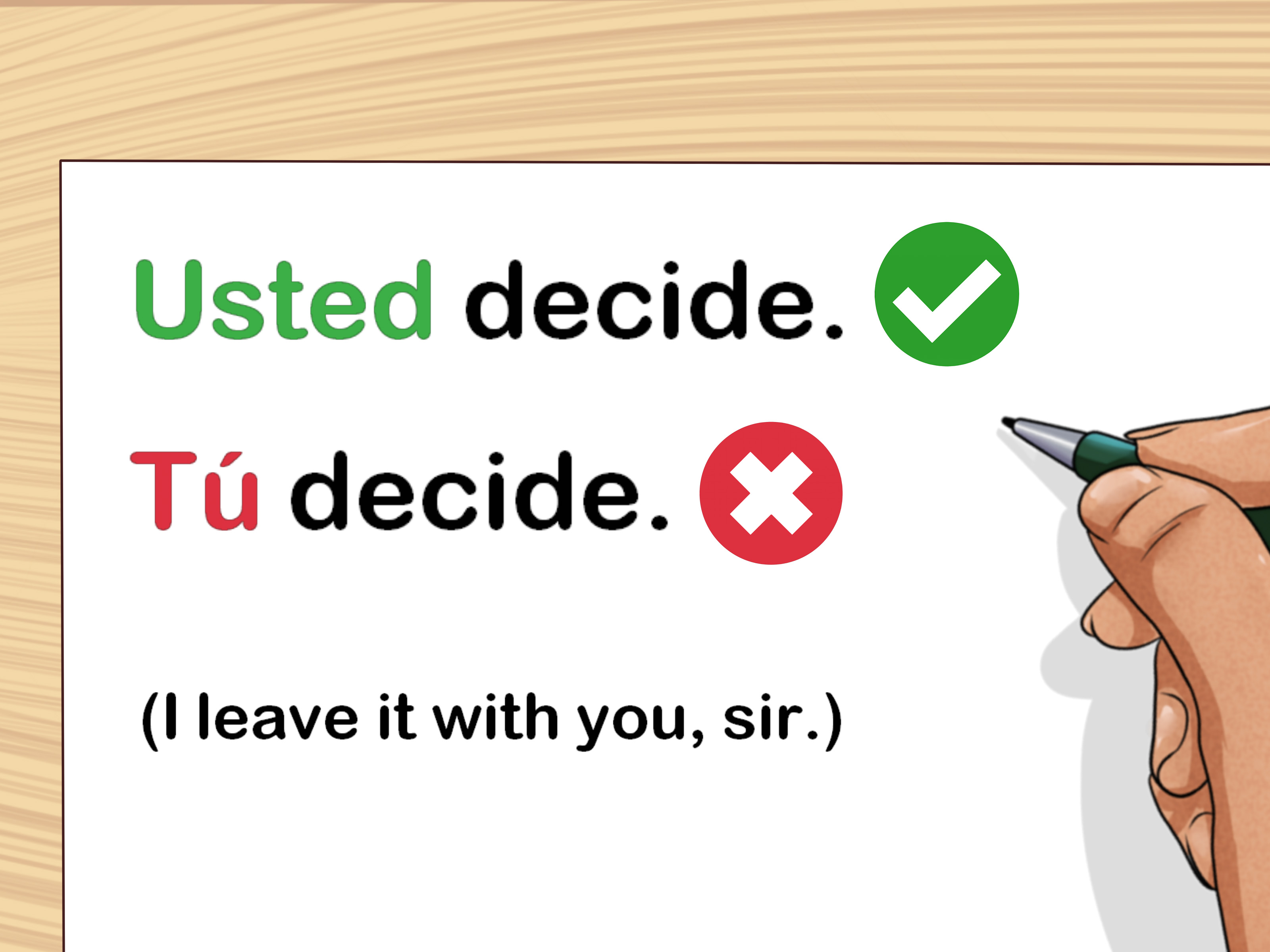
When people search for how to end a letter in Spanish, they are usually not just looking for vocabulary. They are really asking a bigger question: How do I sound appropriate? In Spanish, tone matters a lot. A formal business message often uses usted-based language and a polished closing. A note to a friend might use tú, a warm phrase, and a much more relaxed goodbye.
That means the closing is not just decoration. It signals how close you are to the reader, how respectful you want to sound, and whether the message is professional, affectionate, or everyday casual. Think of it as the verbal handshake at the end of the letter. Some handshakes say, “Pleasure doing business.” Others say, “Talk soon.” A few say, “I miss you dearly.” You do not want to mix those up.
The Golden Rule: Match the Closing to the Relationship
Before choosing a sign-off, ask yourself three quick questions:
- Am I writing to someone I know well, somewhat, or not at all?
- Is this personal, academic, or professional?
- Do I want to sound respectful, warm, or super relaxed?
Once you answer those, the best ending usually becomes obvious. Formal Spanish closings work for work emails, applications, official requests, and first-time contact. Friendly closings fit classmates, colleagues you know, neighbors, or people you have already built some rapport with. Casual endings belong in notes to friends, relatives, and close contacts.
Formal Spanish Letter Endings
If you are writing to a manager, client, professor, government office, hiring team, or someone you do not know well, formal closings are the safest choice. In professional communication, sounding slightly more formal is usually better than sounding too casual. In other words, nobody ever got fired for not ending a message with Besos.
Top formal sign-offs in Spanish
- Atentamente Sincerely
- Cordialmente Cordially / Kind regards
- Saludos cordiales Kind regards
- Un saludo cordial A cordial greeting / Kind regards
- Sinceramente Sincerely
- Le saluda atentamente Sincerely yours
- Quedo atento a su respuesta I look forward to your reply
- Quedo a sus órdenes I remain at your service
Atentamente is one of the most classic formal endings in Spanish. It is clean, professional, and widely understood. If you are unsure, it is a reliable option. Saludos cordiales and Cordialmente sound polished but a little less stiff, which makes them great for work emails that are professional without feeling robotic.
For customer service, job applications, formal requests, or messages where you expect a reply, phrases such as Quedo atento a su respuesta can work well because they do more than close the letterthey also gently invite a response. That said, do not pile on five polished phrases in a row unless your goal is to sound like a very courteous diplomat from 1957.
Example of a formal ending
Muchas gracias por su tiempo y consideración.
Quedo atento a su respuesta.
Saludos cordiales,
Elena Vargas
This works because the tone is consistent from start to finish. Formal body, formal request, formal sign-off. No surprises. No emotional plot twists.
Friendly Spanish Letter Endings
Friendly endings sit in the sweet spot between professional and personal. They are perfect for someone you know, but not in a hearts-and-sunshine way. Think classmates, colleagues, teachers you know reasonably well, hosts, neighbors, or a business contact you have already spoken with several times.
Useful friendly sign-offs
- Un saludo Best / Regards
- Saludos Regards
- Con cariño With affection
- Con afecto Affectionately
- Espero saber de ti pronto Hope to hear from you soon
- Seguimos en contacto Let’s stay in touch
- Afectuosamente Affectionately
- Muchas gracias Many thanks
Un saludo is wonderfully versatile. It is friendly, polite, and not too intimate. If English had a universal “this message is warm but not weird” button, this would be it. Saludos works similarly and is common in emails. Seguimos en contacto is excellent when the relationship is ongoing and future communication is expected.
Phrases like Con cariño or Con afecto are warmer. They are good for family friends, mentors, or someone you genuinely know well. But they can sound too personal in a workplace context unless the relationship is clearly close and the culture of communication is already relaxed.
Example of a friendly ending
Gracias de nuevo por tu ayuda con el proyecto.
Seguimos en contacto.
Un saludo,
Marco
This sounds natural, respectful, and human. It does not feel cold, and it also does not sound like Marco is about to propose marriage via email.
Casual Spanish Letter Endings
Casual sign-offs are for friends, siblings, cousins, close classmates, or people you text the same way you breathe: constantly and without ceremony. These endings are relaxed, warm, and often short.
Common casual sign-offs
- Cuídate Take care
- Nos vemos See you
- Hablamos pronto Talk soon
- Hasta pronto See you soon
- Besos Kisses
- Abrazos Hugs
- Con amor With love
- Chao Bye
Cuídate, Nos vemos, and Hablamos pronto are safe and natural for many informal situations. Besos and Abrazos are warmer and usually best for people you are genuinely close to. Con amor is very affectionate and should be saved for family, a partner, or someone with whom that tone is normal. Using it in the wrong context can make your message go from “friendly” to “unexpected season finale” very quickly.
Example of a casual ending
Fue buenísimo saber de ti.
Hablamos pronto.
Un abrazo,
Sofía
Simple, natural, and exactly right for a personal message.
How to Choose the Right Closing Every Time
If you are still unsure which closing to use, follow this quick guide:
Use formal closings when:
- You are writing to a professor, employer, recruiter, client, or institution
- You do not know the person well
- You are making a request, submitting an application, or handling official business
Use friendly closings when:
- You know the person, but the message still needs some polish
- You are writing to a colleague, teacher, host, or acquaintance
- You want warmth without sounding too personal
Use casual closings when:
- You are writing to a friend or relative
- The message is personal and relaxed
- You already use informal language with this person
One more helpful rule: when in doubt, lean slightly formal. It is easier to warm up later than to recover from an overly casual first impression.
Important Details Many Learners Miss
1. Formal vs. informal “you” matters
In Spanish, your closing should match the rest of the message. If the body uses usted, your ending should stay formal. If the body uses tú, a casual or friendly closing usually fits better. Mixing a formal body with a very casual ending can feel awkward.
2. The greeting and closing should belong to the same world
If your letter starts with Estimado Sr. Gómez:, ending with Besos would be an impressive display of tonal chaos. On the other hand, if you begin with Hola, Ana, ending with Le saluda atentamente may sound overly stiff.
3. Spanish letter style often looks different from English
Spanish correspondence often uses a colon after the greeting in formal letters, such as Estimada Dra. Morales: That small detail gives your writing a more authentic look and helps your message feel less like a translation wearing a fake mustache.
4. Regional tone can vary
Spanish is spoken across many countries, so tone can shift by region. In much of Latin America, formal language often stays important in professional settings. In Spain, casual usage may appear sooner in some contexts. Still, the core rule remains the same: choose the closing that matches the relationship and purpose.
Ready-to-Use Spanish Sign-Off Examples
For a job application
Agradezco su tiempo y consideración.
Atentamente,
Daniel Reyes
For a professor
Muchas gracias por su orientación.
Saludos cordiales,
Paula Torres
For a colleague you know
Gracias por revisar el documento.
Un saludo,
Javier
For a family friend
Fue un gusto saber de ustedes.
Con cariño,
Lucía
For a close friend
Te escribo pronto con más calma.
Cuídate,
Vale
Mistakes to Avoid When Ending a Letter in Spanish
- Do not translate English word for word. Some English endings do not map neatly into natural Spanish tone.
- Do not overdo affection in professional messages. Save Besos and Con amor for genuinely personal relationships.
- Do not make the closing more formal or casual than the rest of the letter. Consistency matters.
- Do not forget context. A note to a government office is not the same as a note to your cousin.
- Do not panic. If all else fails, Saludos cordiales and Un saludo will rescue a surprising number of situations.
Real-World Experiences: What People Learn the Hard Way
One of the most common experiences language learners have is discovering that vocabulary is not the same as tone. A student may know exactly how to say every sentence in the body of a letter, but then freeze at the ending because it suddenly feels social rather than grammatical. That is normal. In fact, many people who can speak Spanish fairly well still pause when choosing a sign-off, because the ending reveals relationship, confidence, and cultural awareness all at once.
A very typical experience happens in academic settings. Someone writes to a professor in Spanish, starts with a formal greeting, explains the issue clearly, and then ends with something like Nos vemos because it sounded friendly in their head. Nothing catastrophic happens, of course, but the message feels less polished than intended. After a few moments of embarrassment and one deep sigh into the laptop screen, the writer learns that Saludos cordiales would have done the job beautifully.
Another common experience happens in the opposite direction. A learner writes to a new friend, host family, or language exchange partner and ends with Atentamente. Grammatically, it is correct. Emotionally, it sounds like the friendship is being managed by an office printer. This is where friendly closings like Un saludo, Seguimos en contacto, or Cuídate start to feel valuable. They make the message sound human rather than bureaucratic.
People also learn quickly that the most dangerous area is the warm-but-not-too-warm zone. Endings such as Con cariño, Abrazos, or Besos can be lovely, but they depend heavily on the relationship. Many learners have had the experience of reading these phrases in a textbook and assuming they are broadly interchangeable with “best wishes.” Then real life arrives, taps them on the shoulder, and says, “Not quite.” In practice, these sign-offs work best when real closeness already exists.
There is also the experience of writing across regions. Someone may learn Spanish primarily from one teacher, one country, or one app, and then discover that another Spanish-speaking context feels slightly different. Maybe a workplace in Latin America stays formal longer. Maybe a friend from Spain switches to a more casual tone faster. This can feel confusing at first, but it is actually a helpful lesson: Spanish is not one giant robotic system. It is a living language shaped by relationships, habits, and context.
Over time, most writers develop a simple instinct. They stop searching for the “perfect” universal closing and start choosing the one that sounds right for that person and that moment. That is the real goal. Not perfection. Not theatrical elegance. Just the ability to end your letter in Spanish in a way that feels natural, respectful, and appropriate. Once you reach that point, writing becomes easier, faster, and a lot less stressful. And that means you can spend less time agonizing over your sign-off and more time focusing on what you actually want to say.
Conclusion
If you want to end a letter in Spanish well, do not memorize one phrase and use it everywhere like linguistic duct tape. Instead, choose your closing based on the relationship, purpose, and tone of the message. For formal letters, use options like Atentamente, Saludos cordiales, or Cordialmente. For friendly messages, Un saludo, Seguimos en contacto, and Con afecto work beautifully. For casual notes, Cuídate, Nos vemos, Hablamos pronto, and Abrazos feel natural and warm.
The best Spanish sign-off is the one that fits the person receiving it. Get that right, and your letter will sound thoughtful, fluent, and authenticeven if you are still learning. That is a strong finish in any language.