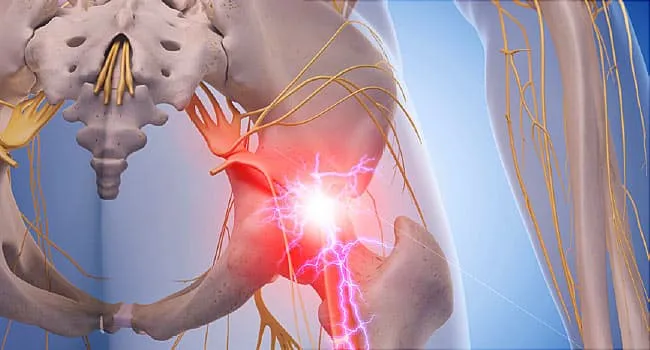
Sciatic nerve pain has a flair for drama. One minute you are bending to pick up a sock, the next minute your lower back, hip, buttock, and leg are hosting a tiny lightning storm. The pain may shoot, burn, tingle, or travel down one side of the body like it has somewhere very important to be. That traveling pattern is the classic clue: sciatica is not just “a sore back.” It is nerve-related pain that often starts in the lower spine or buttock and radiates along the path of the sciatic nerve.
The good news: many cases of sciatica improve with conservative care. That means movement, smart rest, gentle stretching, heat or ice, posture changes, and sometimes over-the-counter medicine or physical therapy. The less-good news: sciatica does not love being ignored. Pushing through sharp pain, sitting all day, or trying random internet acrobatics can make symptoms angrier. Your goal is not to “beat” the nerve into submission. Your goal is to calm irritation, reduce pressure, rebuild mobility, and keep your spine and hips working like a team instead of a committee arguing in a conference room.
This guide explains how to ease sciatic nerve pain safely, what to try at home, which stretches may help, what habits often worsen symptoms, and when to call a healthcare professional.
What Is Sciatic Nerve Pain?
Sciatica describes pain that travels along the sciatic nerve pathway. The sciatic nerve is the largest nerve in the body, formed from nerve roots in the lower back and running through the buttocks and down each leg. When one of those nerve roots or the nerve itself becomes irritated, compressed, or inflamed, pain may radiate from the lower back into the buttock, thigh, calf, or foot.
Common symptoms include:
- Sharp, burning, electric, or shooting pain down one leg
- Tingling, pins-and-needles, or numbness
- Pain that worsens with sitting, bending, coughing, or sneezing
- Weakness in the leg, foot, or toes
- Discomfort that is usually worse on one side
Sciatica is often linked to a herniated disk, spinal stenosis, bone spurs, degenerative disk changes, or muscle irritation around the hip and buttock. Sometimes the exact cause is not obvious, which is annoying but also common. Bodies are fascinating. They are also occasionally terrible at sending clear emails.
First Rule: Do Not Panic, But Do Pay Attention
A mild or moderate sciatica flare can often improve over several weeks with home care. However, severe or worsening symptoms deserve medical attention. Sciatic nerve pain is a symptom, not a full diagnosis. The treatment that helps one person may not help another because the underlying cause matters.
For example, a person with symptoms from a herniated disk may respond well to gentle extension-based exercises and physical therapy. Someone with spinal stenosis may feel better leaning slightly forward and may need a different exercise plan. Someone with piriformis-related irritation may benefit from hip mobility and glute work. In other words, the sciatic nerve is the road, but the traffic jam can happen in different places.
How to Ease Sciatic Nerve Pain at Home
1. Keep Moving, But Keep It Gentle
When sciatica strikes, lying down may feel like the only sane option. Short periods of rest can help during a painful flare, especially if every step feels like your leg is plugged into a wall outlet. But prolonged bed rest usually backfires. Too much inactivity can stiffen muscles, reduce circulation, and make it harder for the irritated nerve and surrounding tissues to calm down.
Try gentle movement as soon as pain allows. A short walk around the room, a slow stroll outside, or light household movement can help maintain mobility. The trick is to stay in the “green zone”: movement should feel tolerable and should not cause pain to shoot farther down the leg. If walking increases symptoms sharply, scale back and try again later with shorter, flatter, slower movement.
A practical plan:
- Walk for 3 to 5 minutes at a comfortable pace.
- Stop before pain escalates.
- Repeat several times per day instead of forcing one long walk.
- Gradually increase time as symptoms settle.
2. Use Ice Early, Heat Later
Cold and heat can both help sciatic nerve pain, but timing matters. During the first 48 to 72 hours of a flare, ice may help reduce inflammation and calm pain signals. Wrap an ice pack or a bag of frozen vegetables in a towel and apply it to the lower back or painful buttock area for 15 to 20 minutes at a time. Never place ice directly on the skin unless frostbite is on your bucket list, which it should not be.
After the first couple of days, heat may feel better because it relaxes tight muscles and improves blood flow. Use a heating pad, warm shower, or warm compress for 15 to 20 minutes. Some people like alternating ice and heat. That is fine as long as the skin is protected and symptoms feel better afterward, not worse.
3. Try Gentle Sciatica Stretches
Stretching can reduce tension around the lower back, hips, and glutes. However, aggressive stretching is one of the fastest ways to make sciatica complain louder. The best stretch is not the deepest stretch; it is the one your body accepts without sending pain zinging down your leg.
Knee-to-Chest Stretch
Lie on your back with both knees bent and feet flat on the floor. Bring one knee toward your chest, holding behind the thigh. Keep your shoulders relaxed. Hold for 20 to 30 seconds, then switch sides. This can gently open the lower back and hip area.
Figure-Four Stretch
Lie on your back with knees bent. Cross your right ankle over your left thigh, making a “4” shape. If comfortable, gently pull the left thigh toward your chest. Hold for 20 to 30 seconds, then switch sides. This targets the glutes and piriformis area, which can contribute to sciatic-like pain when tight or irritated.
Cat-Cow Movement
Start on hands and knees. Slowly arch your back upward like a cat, then gently drop your belly and lift your chest into cow pose. Move slowly for 8 to 10 repetitions. This helps restore motion without forcing the spine into one position.
Pelvic Tilts
Lie on your back with knees bent. Gently flatten your lower back toward the floor by tightening your abdominal muscles, then release. Repeat 10 times. Pelvic tilts are small but mighty, like a tiny espresso for your core.
Stop any stretch that causes sharp pain, numbness, increased weakness, or pain traveling farther down the leg. Mild tension is okay. Nerve fireworks are not.
4. Strengthen the Core and Hips
Sciatica relief is not only about stretching. Strength matters. The lower back, abdominal muscles, glutes, and hips help support the spine. When these muscles are weak or poorly coordinated, the lower back may absorb more stress than it should.
Helpful beginner exercises may include:
- Glute bridges: Lie on your back with knees bent, tighten your glutes, and lift your hips slightly. Lower slowly.
- Bird dog: On hands and knees, extend one arm and the opposite leg while keeping the back steady.
- Clamshells: Lie on your side with knees bent and open the top knee while keeping feet together.
- Modified planks: Build core endurance without overloading the spine.
Start small. Two sets of 5 to 8 controlled repetitions can be enough in the beginning. Your body does not award bonus points for turning rehab into a circus act.
Daily Habits That Help Calm Sciatica
Sit Smarter
Sitting can increase pressure in the lower back, especially when you slouch. Use a chair with lower-back support, keep both feet on the floor, and avoid sitting with your wallet in your back pocket. That little rectangle can tilt your pelvis and irritate your hip and back. Your wallet may be loyal, but it is not a lumbar support device.
Change positions every 30 minutes. Stand, walk, stretch gently, or do a few pelvic tilts. If you work at a desk, raise your screen to eye level and keep your hips and knees close to 90 degrees.
Sleep in a Spine-Friendly Position
Sleep can be tricky when sciatica is active. Try lying on your side with a pillow between your knees. This helps keep the hips aligned. If you sleep on your back, place a pillow under your knees to reduce tension in the lower back. Avoid sleeping on your stomach if it twists your neck or arches your lower back too much.
Lift Like You Like Your Spine
When lifting, bend at the hips and knees, keep the object close to your body, and avoid twisting. If something is heavy, ask for help. There is no trophy for injuring yourself while carrying a laundry basket like you are competing in the Domestic Olympics.
Choose Low-Impact Exercise
Walking, swimming, stationary cycling, and gentle water exercise are often easier on the back than running, jumping, or heavy lifting during a flare. Once symptoms improve, progressive strengthening can help reduce future episodes. The key word is progressive. Going from couch to “beast mode” overnight is how backs write complaint letters.
Over-the-Counter Pain Relief: Use Wisely
Some people use nonsteroidal anti-inflammatory drugs, such as ibuprofen or naproxen, to reduce pain and inflammation. Others use acetaminophen for pain relief. These medicines can help, but they are not safe for everyone. NSAIDs may not be appropriate for people with kidney disease, stomach ulcers, certain heart conditions, blood thinner use, or pregnancy. Acetaminophen can be risky in high doses or with liver disease.
Read labels carefully and ask a pharmacist or healthcare professional if you are unsure. Pain medicine can make movement easier, but it should not become permission to ignore worsening symptoms.
When Physical Therapy Helps
If sciatic nerve pain lasts more than a couple of weeks, keeps returning, or limits daily life, physical therapy can be one of the most useful next steps. A physical therapist can evaluate how you move, identify positions that worsen or improve symptoms, and build a program around your specific cause and tolerance.
A PT plan may include:
- Core strengthening
- Hip and glute strengthening
- Nerve gliding or neural mobility exercises
- Posture and body mechanics training
- Flexibility exercises
- Manual therapy or other comfort techniques
- A home program you can actually follow without needing a second career in exercise science
Physical therapy is especially helpful because sciatica exercises are not one-size-fits-all. If one stretch makes symptoms worse, a PT can adjust it instead of letting you guess your way through pain.
What to Avoid During a Sciatica Flare
Some movements can aggravate sciatic nerve pain, especially during the acute phase. You may need to temporarily avoid:
- Heavy deadlifts or loaded squats
- High-impact running or jumping
- Deep forward bends that increase leg pain
- Long drives without breaks
- Sitting for hours without changing position
- Stretching aggressively into sharp pain
This does not mean these activities are forever banned. It means your irritated nerve may need a quieter environment before you return to higher loads or deeper ranges of motion. Think of it as temporarily lowering the volume, not canceling the concert.
When to See a Doctor Immediately
Most sciatica is not an emergency, but some symptoms require urgent medical care. Seek help right away if you have:
- Loss of bladder or bowel control
- Numbness in the groin or saddle area
- Severe or rapidly worsening leg weakness
- Pain after a major fall, accident, or injury
- Fever, unexplained weight loss, or history of cancer with new back pain
- Severe pain that does not improve or keeps getting worse
Also schedule a medical visit if symptoms last longer than a few weeks, interfere with work or sleep, or keep returning. A clinician may recommend imaging, prescription medication, injections, or specialist care depending on your symptoms and exam.
Medical Treatments Beyond Home Care
If home care and physical therapy are not enough, medical treatment may help. Options can include prescription anti-inflammatory medicine, nerve pain medication, muscle relaxants in selected cases, epidural steroid injections, or nerve blocks. Injections do not “fix” every cause of sciatica, but they may reduce inflammation around an irritated nerve root and help some people participate more comfortably in rehabilitation.
Surgery is usually reserved for severe or persistent cases, especially when there is significant weakness, ongoing nerve compression, or pain that does not improve after conservative treatment. Procedures such as diskectomy or decompression may be considered when a herniated disk, bone spur, or spinal narrowing is clearly pressing on nerve structures. Surgery decisions should be made with a qualified spine specialist after a careful diagnosis.
How Long Does Sciatica Take to Improve?
Many people feel better within several weeks, especially when symptoms are related to a disk irritation that gradually calms down. Others take longer, particularly if spinal stenosis, recurring disk problems, arthritis, or major weakness is involved. Recovery is rarely a perfectly straight line. You may have good days, cranky days, and “why did I sneeze like that?” days.
Progress often looks like:
- Pain becomes less intense
- Pain moves out of the foot or calf and closer to the back
- You can walk farther
- You can sit longer with fewer symptoms
- Numbness or tingling becomes less frequent
- You need less medication
If pain moves farther down the leg, weakness increases, or numbness spreads, do not keep forcing the same routine. That is your cue to get professional guidance.
A Practical 7-Day Sciatica Relief Routine
Day 1–2: Calm the Flare
Use ice for short sessions, avoid long sitting, take brief walks if tolerable, and rest in comfortable positions. Skip heavy lifting and intense stretching.
Day 3–4: Add Gentle Mobility
Try knee-to-chest, cat-cow, pelvic tilts, or short walks. Use heat if muscles feel tight. Keep every movement easy and controlled.
Day 5–7: Begin Light Strength
Add glute bridges, clamshells, or bird dogs if symptoms allow. Continue walking in short sessions. Notice which positions help and which ones trigger pain.
If this routine makes pain worse, stop and consult a healthcare professional. The right plan should leave you feeling steadier, not like your leg just filed a formal complaint.
Real-Life Experience: What Sciatica Relief Often Feels Like
People often expect sciatic nerve pain to disappear like flipping a switch. In real life, it usually behaves more like a dimmer. The first sign of progress may not be “no pain.” It may be that you can stand at the sink long enough to brush your teeth without negotiating with your nervous system. Or you can drive ten minutes before needing to shift positions. Or the pain no longer travels all the way to your foot and instead hangs around the buttock like an annoying but less ambitious guest.
One common experience is learning that sitting is the secret villain. A person may feel fine walking around the kitchen, then sit at a laptop for two hours and wonder why their leg feels like it joined a protest. The fix is often simple but not glamorous: set a timer, stand every 25 to 30 minutes, use a small lumbar roll, and stop folding into the chair like a sleepy shrimp. Good posture is not about being stiff. It is about giving the irritated nerve fewer reasons to complain.
Another real-world lesson is that stretching can be both helpful and too much. Many people instinctively stretch the hamstring hard because the pain runs down the back of the leg. But if the sciatic nerve is irritated, aggressive hamstring stretching can tug on sensitive nerve tissue and worsen symptoms. A gentler approach works better: small movements, slow breathing, and stopping before pain sharpens. The goal is not to win a flexibility contest. The goal is to convince your nervous system that movement is safe again.
Walking also teaches patience. At first, five minutes may feel like a victory. That is not failure; that is rehab being honest. Short, frequent walks often beat one heroic long walk that leaves you sore for two days. People who recover well usually learn to measure progress by consistency, not intensity. They choose the boring plan that works over the dramatic plan that makes a great story and a terrible morning.
Sleep can be another battle. Many sciatica sufferers become pillow architects, building elaborate knee supports, side-sleeping systems, and back-sleeping nests. A pillow between the knees can help side sleepers. A pillow under the knees can help back sleepers. The perfect setup may take a few nights to find, but even a small improvement in sleep can make pain easier to handle during the day.
The biggest experience-based takeaway is this: sciatica relief is usually a combination of small decisions. You ice early. You move gently. You stop sitting too long. You strengthen gradually. You ask for help when symptoms do not improve. None of those steps feels magical by itself, but together they can reduce pain, restore confidence, and help you return to normal life. Sciatica may be loud, but it does not get the final word.
Conclusion
Learning how to ease sciatic nerve pain starts with understanding what your body is trying to protect. Sciatica usually comes from irritation or compression somewhere along the sciatic nerve pathway, often in the lower back. The best first steps are simple: avoid prolonged bed rest, keep moving gently, use ice or heat, improve sitting posture, stretch carefully, and strengthen the core and hips over time.
Most importantly, listen to symptom behavior. Relief strategies should reduce pain, improve mobility, and make daily life easier. If pain worsens, weakness appears, numbness spreads, or bladder or bowel symptoms occur, seek medical care promptly. Your sciatic nerve may be dramatic, but with the right plan, it can calm downand you can get back to walking, working, sleeping, and picking up socks without fear.
Note: This article is for educational purposes only and does not replace diagnosis or treatment from a licensed healthcare professional. Anyone with severe, worsening, or unusual symptoms should seek medical advice.