Note: This guide is written for recreational skaters, beginners, returning adults, parents helping young skaters, and anyone preparing for figure skating lessons, practice sessions, or a first low-pressure performance.
Figure skating looks graceful from the stands, but the rink has a funny way of reminding everyone that ice is still ice. One minute you are picturing a clean glide; the next, you are negotiating with your gloves, your socks, and your dignity. The good news is that learning how to dress for figure skating is not about looking like an Olympic medalist on day one. It is about staying warm, moving freely, protecting your body, and choosing clothes that help instead of sabotage your skating.
The best figure skating outfit balances four things: warmth, flexibility, safety, and simplicity. You want layers you can remove, pants or tights that stretch, gloves that protect your hands, socks that do not bunch inside your boots, and hair or accessories that will not fly into your face during a spin. Whether you are heading to a public skate, your first Learn to Skate class, or a serious practice session, these 13 steps will help you dress like someone who came preparednot like someone who wandered into the rink after losing a bet with winter.
Why Figure Skating Clothing Matters
Figure skating clothing is performance gear, even when it looks casual. Loose jeans can restrict knee bend. Bulky coats can make arm movements awkward. Thick socks can make skates feel too tight. Dangling scarves, long jewelry, or loose decorations can become safety hazards. A smart skating outfit should keep you warm without turning you into a marshmallow, and fitted enough to move without exposing skin every time you stretch, jump, or fall.
For practice, most skaters choose close-fitting layers, leggings, skating pants, athletic tops, gloves, and a light jacket. For competitions or exhibitions, costumes may include dresses, unitards, trousers, skirts, or decorated tops, but they still need to support athletic movement and stay securely attached. In other words, sparkle is welcome; wardrobe chaos is not.
How to Dress for Figure Skating: 13 Steps
1. Start With a Warm, Flexible Base Layer
Your base layer sits closest to your skin, so it should manage sweat while keeping you comfortable. Choose a long-sleeve athletic top, thermal shirt, compression shirt, or fitted stretch top made from moisture-wicking fabric. Avoid heavy cotton when possible because it can absorb sweat and stay damp, which feels chilly once you cool down.
A good base layer should feel snug but not tight. You should be able to lift your arms overhead, twist your torso, and bend forward without the fabric pulling across your shoulders. If you are practicing spins, jumps, spirals, or basic edges, your upper body needs full freedom. Think “sleek and warm,” not “wrapped like a burrito.”
2. Add a Light Midlayer You Can Remove
Rinks are cold, but skating warms you up quickly. That is why layers are better than one giant coat. Add a zip-up fleece, stretch jacket, quarter-zip pullover, or fitted athletic sweater over your base layer. A zipper is useful because you can vent heat or remove the layer between exercises.
For a beginner lesson, start a little warmer than you think you need to be. Standing at the boards while listening to instructions can feel cold, especially during the first 10 minutes. Once you begin stroking, swizzling, or practicing crossovers, you may want to unzip or remove the midlayer.
3. Choose Skating Pants, Leggings, or Stretchy Athletic Bottoms
The lower half of your outfit matters more than many beginners realize. Figure skating requires knee bend, hip movement, lunges, stretches, and the occasional dramatic encounter with gravity. Choose leggings, skating pants, joggers with stretch, or slim athletic pants. The fabric should move easily and stay close enough to the body that it will not catch on your blades.
Avoid stiff jeans for serious skating practice. Denim limits knee bend, gets cold when wet, and can feel uncomfortable after a fall. Wide-leg pants are also risky because extra fabric can brush the boot or blade. If you prefer pants, look for slim skating pants with stirrups or cuffs that stay in place. If you prefer leggings, choose a thicker pair that offers warmth and coverage.
4. Wear Thin, Moisture-Wicking Socks
Here is one of the biggest beginner mistakes: wearing thick, fluffy socks because the rink is cold. It sounds logical, but figure skates need a close fit. Thick socks can bunch, reduce circulation, create pressure points, and make it harder to feel the boot. Instead, wear thin moisture-wicking socks or skating tights. Materials such as polyester blends, nylon blends, or merino wool blends usually work better than bulky cotton.
Your socks should be tall enough to protect your ankles from rubbing but smooth enough not to wrinkle inside the boot. If you rent skates, bring clean thin socks rather than relying on whatever happens to be in your gym bag. Your feet will thank you by not staging a protest halfway through practice.
5. Pick Gloves or Mittens That Protect Your Hands
Gloves are not just for warmth. They protect your hands when you touch the ice, brace during a fall, or push yourself back up. Thin knit gloves, fleece gloves, or light insulated gloves are usually enough for indoor figure skating. Very bulky ski gloves can make it harder to tie laces, adjust your jacket, or feel your hand position during choreography.
For young beginners or outdoor skating, mittens may be warmer. For practice sessions, many skaters prefer gloves because they allow better finger movement. Bring an extra pair if you fall often or if the rink is especially cold. Wet gloves turn into tiny refrigerators, and nobody needs that kind of drama.
6. Consider a Helmet If You Are a Beginner
Beginner skaters, children, and anyone who feels safer with head protection should consider wearing a properly fitted helmet. A helmet should sit level on the head, cover the forehead, and have a secure chin strap. It should not wobble, slide backward, or tip forward over the eyes.
There is no single universal “figure skating helmet” for every situation, so check your rink or skating program’s rules. Many beginner programs recommend or require helmets for younger skaters. Choose a helmet that meets recognized safety standards for an appropriate activity, and replace it after a significant impact or visible damage. Confidence grows faster when you are not worried about every tiny slip.
7. Keep Hair Secure and Out of Your Face
Hair should be neat enough that it does not block vision, stick to lip balm, or whip around during turns. Ponytails, braids, buns, headbands, clips, and soft scrunchies can all work. The goal is simple: you need to see where you are going, and your coach needs to see your head position.
For practice, choose comfort over perfection. A low bun may work better under a helmet, while a braid can keep longer hair controlled without pulling too tightly. For performances, secure hairstyles with pins and hair ties that stay put. Avoid hard, sharp accessories that could hurt during a fall.
8. Skip Dangling Jewelry and Loose Accessories
Figure skating has enough moving parts without adding swinging necklaces, long scarves, hoop earrings, loose belts, or decorative items that can fall off. Accessories should be minimal, secure, and practical. Stud earrings are usually easier than dangling ones. A fitted neck warmer is safer than a long scarf. A zip pocket is better than carrying keys in your hand.
This is especially important for group lessons and public sessions where dropped items can create hazards for other skaters. If something can swing, snag, fall, or distract you, leave it in your bag. The ice does not need extra obstacles; it already has enough personality.
9. Dress Differently for Practice, Public Skating, and Competition
Not every skating session needs the same outfit. For public skating, comfort and warmth matter most. Athletic leggings, a sweatshirt, gloves, and a light jacket are usually enough. For lessons or club practice, choose more fitted clothing so your coach can see your posture, knee bend, hip alignment, and arm position.
For competition or testing, check the specific event rules. Figure skating competition clothing should look polished and support the program’s music or theme, but it must still be appropriate for athletic movement. Decorations should be firmly attached, and costumes should not rely on loose pieces, props, or anything that might fall onto the ice. A beautiful costume is great; a rhinestone escape mission is not.
10. Choose a Skating Dress, Skirt, Unitard, or Trousers With Movement in Mind
If you wear a skating dress or skirt, make sure it allows full extension, knee bend, and secure coverage during spins and jumps. Pair it with skating tights designed for warmth and durability. Training tights are often thicker and more matte, while competition tights may be lighter or shinier depending on the look.
If you prefer trousers, skating pants, or a unitard, choose fabric with stretch and a smooth fit around the boot. Many skaters wear pants for practice because they are warm and practical. The best choice is the one that meets the rules of your program or event and lets you skate without constantly adjusting your outfit.
11. Check the Fit of Your Skates With the Outfit You Plan to Wear
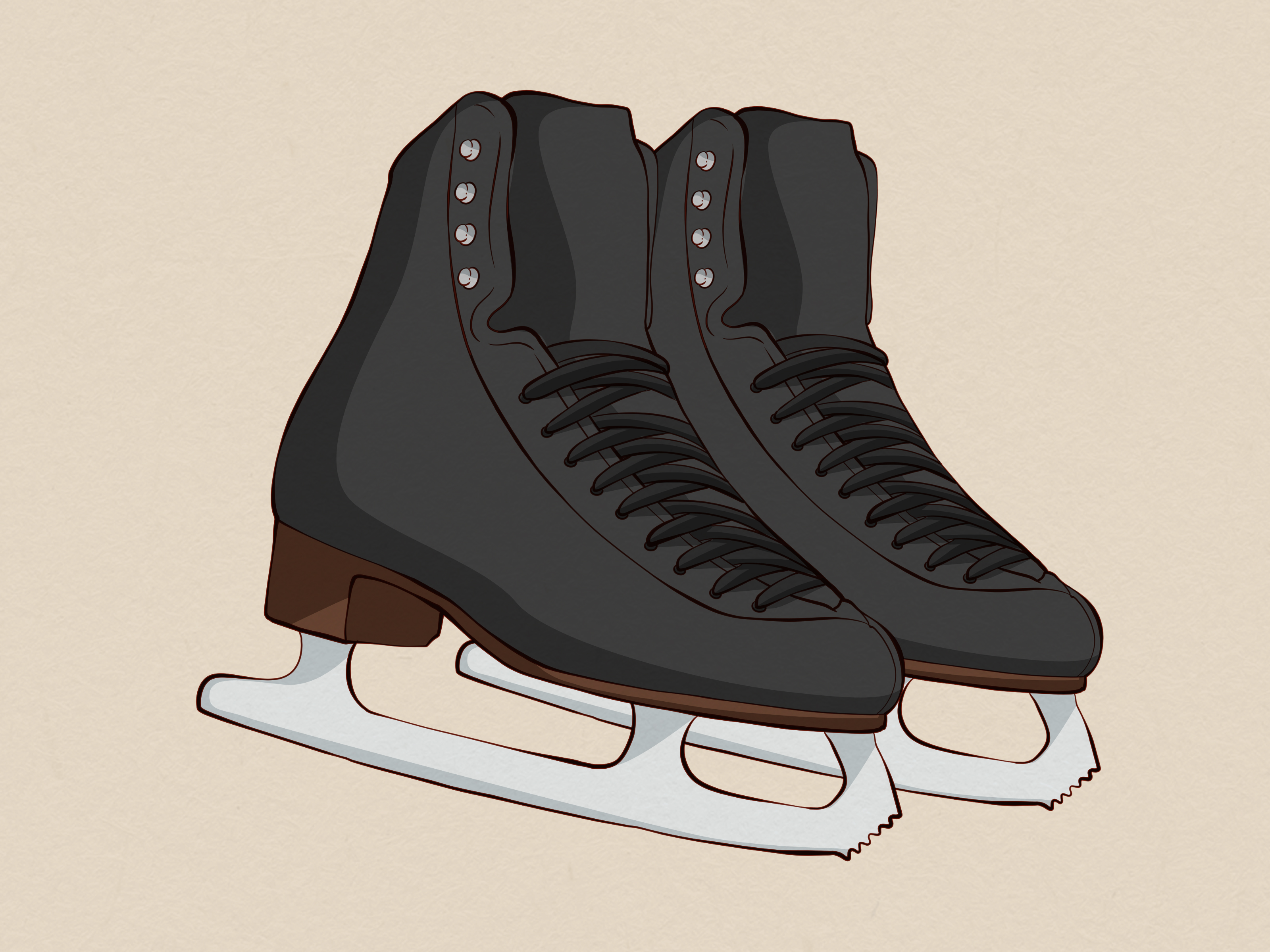
Skates are the foundation of the entire outfit. Try on your skates with the socks or tights you will actually wear. If you practice in thin socks but compete in tights, check both. The boot should feel snug and supportive without painful pinching. Your heel should not lift dramatically, and your toes should not be crushed.
Make sure your pants or tights do not bunch inside the boot. If your leggings are too long, fold or adjust them before lacing. Do not stuff thick fabric into the boot just to make an outfit work. A smooth boot fit helps with balance, edge control, and comfort.
12. Pack Off-Ice Essentials: Guards, Soakers, and a Dry Layer
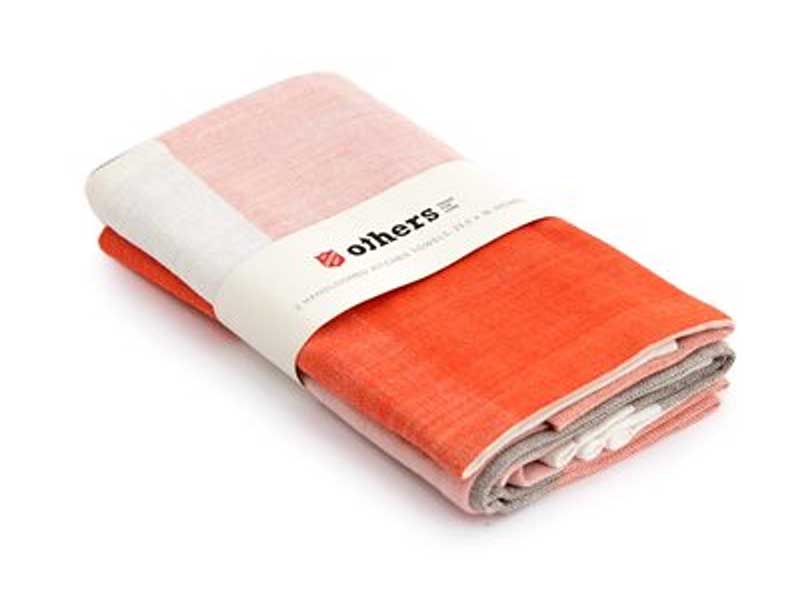
Good skating style continues after you leave the ice. Hard skate guards protect your blades when walking off-ice. Soft blade covers, often called soakers, help absorb moisture after you dry your blades. A towel is useful for wiping down blades before storage.
Bring a dry layer for after practice if you tend to sweat. A fresh sweatshirt, extra socks, or a warm jacket can make the walk home much more comfortable. If your rink has cold bleachers, pack an extra layer for waiting before or after class. Skaters learn quickly that the person who brings extra gloves becomes everyone’s hero.
13. Do a 30-Second Movement Check Before You Step Onto the Ice
Before skating, do a quick outfit test. Bend your knees. Reach overhead. Twist side to side. Lift one knee. Pretend to tie your skates. If anything pulls, slips, scratches, pinches, or blocks movement, fix it before getting on the ice.
Check that laces are tied securely, gloves are on, hair is controlled, jacket zippers are closed or tucked, and pockets are empty of loose items. This tiny routine prevents many annoying problems. Figure skating already asks you to balance on thin blades; your clothing should not be the plot twist.
What Not to Wear Figure Skating
Some clothing choices seem harmless until you are on the ice. Stiff jeans can restrict movement. Oversized hoodies can hide posture and interfere with arm placement. Long scarves can become dangerous if they trail or slip. Thick socks can make skates painful. Loose jewelry can fall. Heavy coats can overheat you once practice begins.
Also avoid clothing that makes you afraid to fall. Beginners should not wear expensive delicate pieces to a practice session where falling is part of learning. Choose clothes you can move in, wash easily, and trust during repeated attempts. Progress in skating often looks like trying, slipping, laughing, adjusting, and trying again.
Beginner Figure Skating Outfit Example
For a first lesson, try this simple outfit: thin moisture-wicking socks, leggings or slim athletic pants, a fitted long-sleeve top, a zip-up fleece, light gloves, and a helmet if recommended or required. Add a warm jacket for arriving and leaving, but plan to remove it once you warm up.
For a more advanced practice session, choose skating leggings or pants, a breathable top, a fitted training jacket, thin gloves, and secure hair. Add padded shorts if you are working on jumps and want extra hip protection. For outdoor skating, increase warmth with thermal layers, a neck warmer, ear coverage, and weather-appropriate outerwear.
How to Dress for Figure Skating Performances
Performance outfits should support the story of the program without getting in the way. A lyrical program might call for soft colors and flowing fabric that is still securely attached. A dramatic tango might use stronger lines and a sharper silhouette. A playful program can include color and sparkle, but the outfit should not become a costume malfunction waiting for its entrance music.
Before performing, skate a full run-through in the outfit. Test spins, jumps, spirals, lunges, and final poses. Check whether the skirt flies too high, sleeves slide down, stones snag tights, or pants shift at the waist. It is better to discover these issues in practice than during a test, show, or competition.
Real-World Experience: What Skaters Learn After a Few Sessions
After a few trips to the rink, most skaters discover that dressing for figure skating is less about looking perfect and more about reducing distractions. The outfit you loved in front of the mirror may feel totally different once you are moving across cold ice. A jacket that seemed cute might ride up during crossovers. Leggings that felt fine at home may become see-through in a deep knee bend. Socks that looked cozy may bunch under the arch after five minutes. These small lessons are normal, and they are part of building your personal skating kit.
One common experience is learning that warmth changes during practice. You may arrive shivering, especially if the rink lobby is cold, then become warm once you start stroking laps or working on edges. That is why zip layers are so helpful. A pullover can work, but a zip jacket gives you more control. Many skaters begin with three layers and finish practice in two. Some remove gloves during off-ice stretching but put them back on immediately before stepping onto the ice.
Another useful lesson is that falls are easier when your clothes are practical. Thick, flexible leggings or skating pants make it less uncomfortable to slide on the ice. Gloves protect your palms from the cold surface. Padded shorts can be helpful for skaters practicing jumps, though they are not required for everyone. The goal is not to avoid every fall. The goal is to be dressed so that a normal beginner fall does not ruin your session or your mood.
Skaters also learn to respect their feet. A tiny wrinkle in a sock can feel huge inside a tightly laced boot. A boot that is too loose can make you work harder to balance. A boot that is too tight can numb your toes. Before blaming yourself for shaky skating, check your socks, laces, and fit. Sometimes the problem is not your courage; it is your footwear staging a rebellion.
Finally, confidence grows when your outfit lets you focus. When you are not pulling down a shirt, fixing hair, tugging at pants, or worrying about cold fingers, you can listen better, practice longer, and enjoy the feeling of gliding. The right figure skating outfit does not need to be fancy. It needs to help you move, stay warm, fall safely, and get back up with a little more determination than before.
Conclusion: Dress for Warmth, Safety, and Freedom to Move
Learning how to dress for figure skating is one of the easiest ways to make skating more enjoyable. Start with thin socks, flexible layers, gloves, and fitted athletic clothing. Add a helmet when appropriate, secure your hair, skip loose accessories, and choose practice outfits that help your coach see your movement. For performances, make sure the outfit supports the program without sacrificing comfort or safety.
The best figure skating outfit is not the flashiest one in the rink. It is the one that lets you bend your knees, stretch your arms, trust your skates, and keep going after a wobbly moment. Dress smart, move freely, and remember: every confident skater started with a first step onto the ice.