If your cat has diarrhea that smells like a science experiment gone wrong, Giardia might be the tiny troublemaker behind it. This microscopic parasite loves the small intestine, hates your weekend plans, and spreads with impressive enthusiasm in multi-cat homes, shelters, catteries, and anywhere litter box hygiene starts getting a little… optimistic.
The good news is that giardiasis in cats is treatable. The less-fun news is that it can be sneaky, messy, and annoyingly easy to miss on a single stool test. That means diagnosis and treatment are not just about giving medication and hoping for the best. You need the right test, the right timing, the right cleanup routine, and a solid plan for preventing reinfection.
This guide breaks down exactly how to diagnose and treat Giardia in cats in 10 practical steps. Along the way, you will learn what signs to watch for, what your veterinarian may test, what treatment often involves, and why cleaning the litter box like it owes you money is sometimes part of the cure.
What Is Giardia in Cats?
Giardia is a microscopic protozoan parasite that lives in the small intestine. Cats usually become infected by swallowing cysts from contaminated feces, water, soil, fur, litter boxes, or surfaces. Some cats get obviously sick, while others act perfectly fine and still spread the parasite to other pets. That is part of what makes Giardia such a frustrating little villain.
Giardia tends to cause digestive upset rather than dramatic full-body illness. In many cats, especially kittens or stressed cats in crowded environments, it leads to loose stool, mucus in the feces, weight loss, and recurring diarrhea that seems to disappear just long enough to make you think the problem is gone. Then it returns, because apparently Giardia enjoys plot twists.
Common Giardia Symptoms in Cats
Before you get to diagnosis and treatment, it helps to know what Giardia in cats usually looks like. Common symptoms include:
- Soft, pale, greasy, or foul-smelling stool
- Intermittent diarrhea
- Mucus in the feces
- Weight loss or poor weight gain
- Vomiting in some cases
- Reduced energy or mild dehydration
Not every cat checks every box. Some have mild signs. Some have messy-on-Monday, normal-on-Tuesday poop. Some have no signs at all. That is why diagnosis matters. A “wait and see” strategy can easily turn into a “why are all my cats suddenly having bathroom issues?” strategy.
How to Diagnose and Treat Giardia in Cats: 10 Steps
Step 1: Notice the digestive clues early
The first step is simple but important: take diarrhea seriously, especially if it lasts more than a day or keeps coming back. Giardia often causes chronic or intermittent diarrhea rather than one dramatic episode. If your cat’s stool is soft, smelly, greasy-looking, or coated in mucus, that is enough reason to pay attention.
Kittens, newly adopted cats, shelter cats, and cats in multi-cat households deserve extra suspicion. These groups are more likely to pick up Giardia and more likely to show clinical signs. If your cat is young, stressed, underweight, or living with other pets, do not assume a little diarrhea is “just a tummy issue.” Tiny parasites love low standards.
Step 2: Schedule a veterinary exam instead of self-diagnosing
Giardia symptoms overlap with many other problems, including dietary intolerance, roundworms, coccidia, Tritrichomonas infection, bacterial enteritis, inflammatory bowel disease, and other causes of chronic diarrhea. A veterinarian will look at hydration, abdominal comfort, body condition, age, household risk, and recent exposure history.
This is also the point where your vet decides whether your cat needs more than parasite testing. If the cat is dehydrated, weak, not eating, losing weight fast, or vomiting repeatedly, supportive care may be just as important as identifying the parasite itself.
Step 3: Bring a fresh stool sample
If there were ever a time to become deeply interested in cat poop logistics, this is it. Bring a fresh fecal sample to the appointment if your clinic asks for one. A fresh sample helps improve the chance of spotting cysts or using in-clinic antigen tests. If possible, collect stool soon after your cat passes it and refrigerate it if there is a delay before the visit.
Try to keep the sample as clean as possible. In a multi-cat home, that may mean temporarily isolating the cat or cleaning the litter box first so you can grab the next deposit. Glamorous? No. Useful? Very.
Step 4: Understand which tests your veterinarian may use
Diagnosing Giardia is not always as easy as doing one routine fecal float and calling it a day. Giardia cysts can be shed inconsistently, which means a single negative test does not always rule it out. That is why veterinarians often combine methods.
Common diagnostic tools include:
- Fecal flotation with centrifugation, often using zinc sulfate, to improve detection of Giardia cysts
- Giardia antigen testing, which looks for Giardia-specific proteins
- Direct smear, which may occasionally reveal motile organisms
- Reference lab testing, including more advanced options in some cases
If your vet strongly suspects Giardia, they may recommend repeat fecal testing or a combination of tests. That is not overkill. That is just what happens when the parasite plays hide-and-seek with laboratory results.
Step 5: Rule out look-alike conditions
A positive Giardia result is helpful, but your veterinarian may still think broadly. Cats with chronic diarrhea sometimes have more than one issue at the same time. A kitten might have Giardia and another intestinal parasite. An adult cat might have Giardia plus stress-related colitis. A cat with long-term digestive signs may need evaluation for food sensitivity or intestinal disease if the symptoms do not improve as expected.
This step matters because treatment success is not just about killing Giardia. It is about making sure Giardia is actually the full explanation. Otherwise, you may finish medication, pat yourself on the back, and then find the litter box still telling tragic stories.
Step 6: Start veterinarian-directed treatment
Once your veterinarian diagnoses or strongly suspects Giardia, treatment usually involves prescription medication. In cats, fenbendazole and metronidazole are among the most commonly used drugs, either alone or in combination depending on the case and the cat’s response. The exact choice, dose, and duration should come from your veterinarian, not from the internet, your neighbor, or that one forum post written in all caps in 2016.
One detail many cat owners discover quickly: these medications can taste very bitter. Very bitter. “How did something that small contain so much betrayal?” bitter. Some cats do better with compounded flavored formulations, coated tablets, or carefully planned administration strategies from the veterinary team.
It is important to finish the treatment exactly as prescribed, even if the stool looks better after a few days. Stopping early can leave cyst shedding unresolved and increase the chance of continued contamination in the home.
Step 7: Support recovery with hydration, nutrition, and monitoring
Medication is only one part of treatment. Some cats, especially kittens and frail adults, also need supportive care. Your veterinarian may recommend a highly digestible diet for a short period, extra hydration support, probiotics in select cases, or treatment for dehydration if diarrhea has been severe.
At home, monitor:
- Appetite
- Water intake
- Energy level
- Frequency and appearance of stool
- Body weight, especially in kittens
If your cat becomes lethargic, stops eating, vomits repeatedly, or seems dehydrated, contact your veterinarian promptly. Giardia is often manageable, but dehydration and weight loss can become serious fast in small or vulnerable cats.
Step 8: Clean the environment like reinfection is public enemy number one
Because it is. Reinfection is one of the biggest reasons Giardia drags on. Cysts can survive well in cool, damp environments, and cats can re-expose themselves from contaminated fur, bedding, bowls, litter boxes, floors, and shared spaces.
During treatment, focus on these basics:
- Scoop litter boxes daily, and more often if stool is loose
- Wash food and water bowls frequently
- Launder bedding and soft items
- Clean and disinfect surfaces your cat uses regularly
- Bathe or gently clean contaminated fur if your veterinarian recommends it
The goal is to reduce the number of infectious cysts in the environment while the medication is doing its job. Think of treatment as a two-person team: the medication handles the parasite inside the cat, and sanitation handles the parasite everywhere else.
Step 9: Think about the whole household, not just one cat
If one cat in a multi-cat home has Giardia, your veterinarian may ask about the other pets, even if they seem fine. Asymptomatic cats can still shed Giardia and keep the cycle going. Depending on the situation, your veterinarian may recommend testing, monitoring, or even treating other cats in the household.
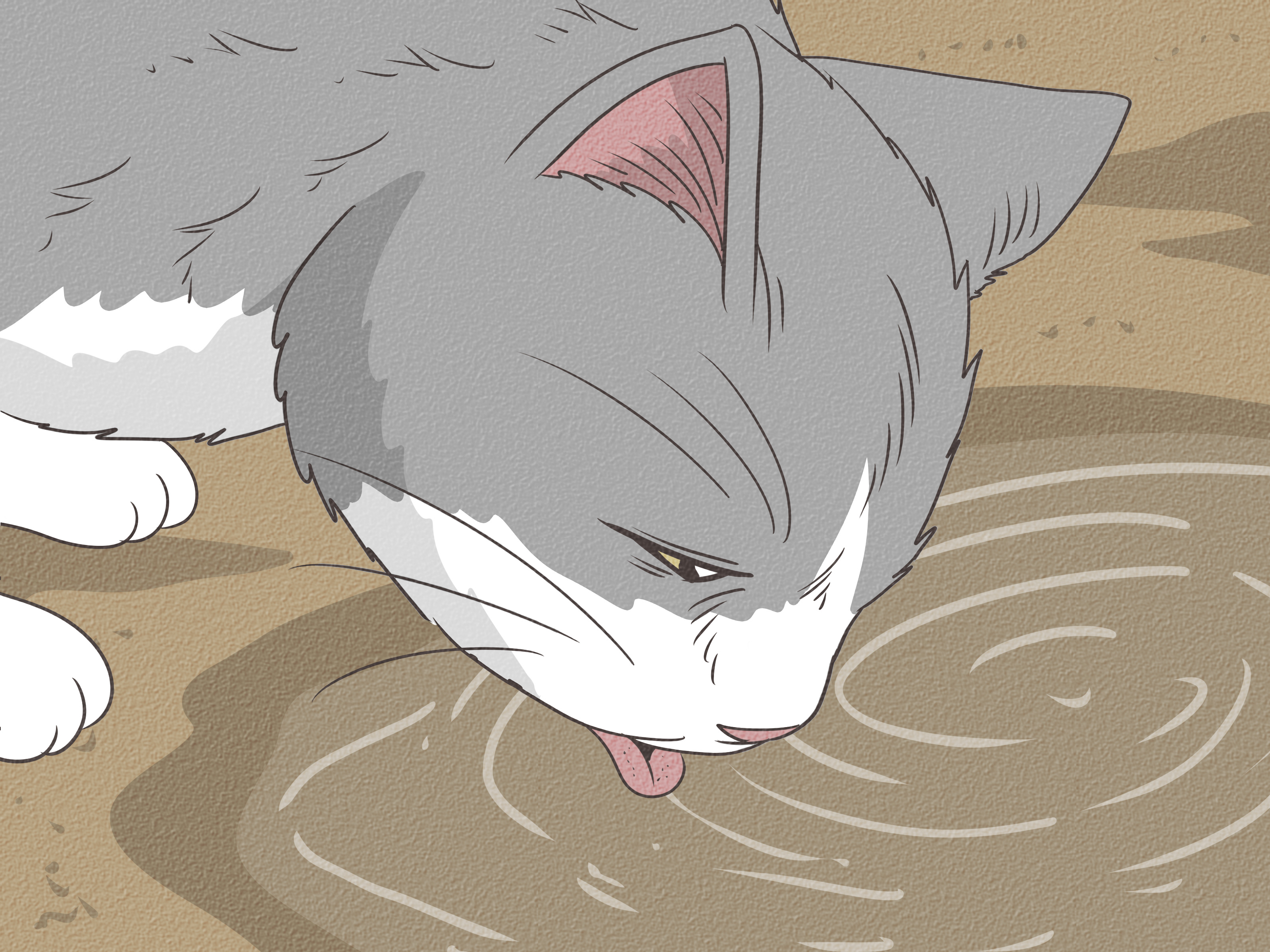
This is also the time to tighten up shared-risk habits. Avoid communal water bowls if possible. Keep litter boxes clean. Prevent access to contaminated outdoor water. If your cat drinks from puddles, plant saucers, or mystery patio water, congratulations: your cat has strange tastes and a high-risk hobby.
Step 10: Recheck after treatment and prevent future episodes
Do not assume normal-looking stool means the problem is completely gone. Follow-up matters. Many veterinarians recommend retesting after treatment, particularly if symptoms continue, return, or the household includes multiple pets. Some guidance recommends follow-up fecal flotation shortly after treatment if clinical signs do not resolve, while some pet hospitals recommend rechecks within the following few weeks.
Long-term prevention comes down to practical habits:
- Schedule routine veterinary care and fecal testing when advised
- Keep litter boxes clean and dry
- Promptly remove feces from the home and yard
- Avoid stagnant or potentially contaminated water sources
- Be extra careful with kittens, shelter cats, and new arrivals
- Wash hands after cleaning litter boxes or handling stool
Can Humans Catch Giardia From Cats?
People understandably worry about this, especially when a cat with diarrhea is turning the litter box into a daily crisis. The current public-health message is reassuring: people are unlikely to get Giardia from dogs or cats. Still, “unlikely” is not the same thing as “time to lick the litter scoop,” so basic hygiene still matters.
Wash your hands after cleaning the litter box, handling feces, or touching contaminated bedding. Keep children away from soiled litter areas. If someone in the home is immunocompromised, pregnant, very young, or medically vulnerable, ask your physician and veterinarian for individualized advice. Sensible precautions beat panic every time.
When to Call the Vet Immediately
Do not wait if your cat has any of the following:
- Persistent diarrhea lasting more than a day or two
- Diarrhea in a kitten
- Vomiting plus diarrhea
- Weakness, dehydration, or refusal to eat
- Noticeable weight loss
- Repeated relapse after treatment
Giardia itself is often manageable, but the consequences of diarrhea can escalate quickly, particularly in small kittens or cats with other medical conditions.
Common Experiences Cat Owners Have With Giardia
Many cat owners describe Giardia as less of a single illness and more of a small domestic saga. It often begins with a cat who seems mostly normal except for recurring soft stool. Because the cat still plays, eats, and demands dinner like a tiny emperor, owners may assume it is a food change or stress. Then the diarrhea returns. Then it smells worse. Then there is mucus. Then there is the moment every cat parent knows: standing over the litter box, staring like a detective in a crime show, wondering how something so small can create such emotional damage.
One of the most common experiences happens after adoption. A kitten comes home from a shelter or rescue, seems fine for a few days, and then develops loose stool. The owner tries bland food, switches treats, and googles things they probably did not want in their search history. The veterinary visit reveals Giardia, which makes sense in hindsight because young cats in shared environments are classic candidates. Treatment begins, and then a new challenge appears: getting a bitter medication into a cat who already does not trust the process.
Another common experience involves a multi-cat household. One cat has symptoms, another seems perfectly healthy, and a third becomes suspiciously interested in everyone else’s litter box. The owner treats the sick cat, but symptoms return because the environment or another pet is still part of the cycle. This is when many people realize that Giardia treatment is not only about medicine. It is also about laundry, bowls, floors, litter boxes, and washing hands so often that you begin to feel like a surgeon with a mop.
Owners also frequently talk about the frustration of a negative test followed by a later positive result. That can feel confusing until a veterinarian explains intermittent shedding. Suddenly the mystery makes sense: the parasite was there, but it did not show up in the sample that day. That is why repeat testing or combining methods can make such a difference. It is not that the owner imagined the symptoms. It is that Giardia is excellent at making life complicated.
The encouraging part of these stories is that most owners also describe real improvement once the full plan comes together. Medication, follow-up, better cleaning, fresh stool testing, and treating the situation as a household issue rather than a one-pill problem usually make the difference. The cat gains weight again. The stool firms up. The litter box becomes less dramatic. The owner finally stops giving side-eye to every suspicious bowel movement. In other words, Giardia may be annoying, but with proper diagnosis and treatment, it does not usually get the last word.
Conclusion
Diagnosing and treating Giardia in cats is all about doing the basics well. Watch for recurring digestive signs, get veterinary testing instead of guessing, follow the prescribed treatment carefully, and clean the environment thoroughly enough to prevent reinfection. It is not glamorous work, but then again, neither is stepping barefoot near an emergency litter box situation at 2 a.m.
The big takeaway is this: Giardia is common enough to respect, tricky enough to test properly, and treatable enough to handle with a smart plan. If your cat has persistent or recurring diarrhea, a veterinarian can help confirm whether Giardia is the culprit and guide the safest, most effective treatment from there.