Periods are already a lot. They show up uninvited, cramp like they are training for a heavyweight title, and somehow always arrive when you are wearing your least forgiving pants. Add gender dysphoria, awkward social expectations, or the annoying assumption that “period” automatically equals “woman,” and the experience can feel even more complicated.
If you are transgender or nonbinary and you get a period, you are not doing gender wrong. You are just dealing with a body function that may or may not match how you see yourself. For some people, menstruation feels mildly inconvenient. For others, it feels emotionally exhausting, physically painful, or deeply alienating. All of those reactions are valid.
The good news is that there is no one “correct” way to handle your period. The goal is not to become the world’s most cheerful menstruator. The goal is to make your period more manageable, less dysphoria-inducing, and less disruptive to your daily life. That can mean choosing products that feel better, changing the language you use, building a low-stress routine, asking about menstrual suppression, or getting medical help when something feels off.
This guide breaks down practical ways to deal with your period as a transgender or nonbinary person, with honest advice, specific examples, and zero pink-sparkle nonsense unless you personally enjoy pink sparkles.
Why Periods Can Feel Especially Hard for Transgender and Nonbinary People
For many people, a period is not just a physical event. It can also be a mental and emotional one. Menstruation may trigger dysphoria because it is often treated as a “girls only” experience in schools, ads, bathrooms, family conversations, and even medical offices. That mismatch can make an already uncomfortable week feel much heavier.
You might feel stressed by the blood itself, by having to buy pads or tampons, by the language people use around periods, or by cramps that pull your attention back to body parts you would rather not think about. Some people feel fine until they have to talk about it out loud. Others are okay with the practical side but hate the social side. Some feel disconnected from the entire topic and just want to get through the day with minimal drama.
That is why dealing with your period is not only about stopping leaks. It is also about reducing friction. Anything that lowers discomfort, embarrassment, dysphoria, or sensory overload counts as a useful strategy.
Start with One Goal: Make Your Period Easier, Not Perfect
Trying to “win” at having a period is a trap. A better plan is to ask one simple question: What would make this easier for me?
Your answer might be different from someone else’s. Maybe you want less pain. Maybe you want fewer reminders. Maybe you want a more discreet routine at school or work. Maybe you want your period to stop altogether if that is medically appropriate for you. Maybe you just want to stop feeling ambushed every month.
Once you know your goal, your choices get clearer. Here are a few examples:
- If your biggest issue is dysphoria, discreet products and gender-neutral self-talk may help.
- If your biggest issue is pain, focus on cramp relief and medical evaluation if the pain is severe.
- If your biggest issue is unpredictability, cycle tracking and a backup kit can help.
- If your biggest issue is the period itself, talk with a clinician about menstrual suppression options.
You do not need a dramatic life makeover. Sometimes the most helpful fix is a boring one, like putting extra underwear and pain relief in your backpack. Glamorous? No. Effective? Absolutely.
Choose Period Products That Feel Better in Your Body and Brain
Pads
Pads are often the easiest place to start because they do not go inside the body. For some trans and nonbinary people, that is a relief. For others, the feeling of a pad can increase body awareness or sensory discomfort. If standard pads feel too noticeable, try thinner styles, unscented versions, winged pads for security, or period underwear as an alternative.
Tampons
Tampons can feel more discreet during sports, long classes, or busy days because they are less visible and can reduce that “I am definitely on my period and my body wants me to know it every two seconds” feeling. But they are not for everyone. If inserting something feels dysphoria-inducing or physically uncomfortable, you do not need to force it. Also, use tampons safely: wash your hands, use the lowest absorbency you need, and change them on schedule.
Menstrual cups or discs
Cups and discs work for some people because they can last longer between changes and create less trash. They can also be cost-effective over time. On the flip side, they involve insertion, removal, cleaning, and a level of body contact that may be a hard no for some people. If that is you, congratulations on knowing yourself. That is useful information, not a failure.
Period underwear
Period underwear can be a game changer if you want something that feels more like regular clothing and less like a giant blinking sign labeled “MENSTRUATION HAPPENING NOW.” Some people also prefer it for sensory reasons. It can work alone on lighter days or as backup with another product on heavier days.
How to decide
The best period product is the one that helps you function with the least stress. Not the one with the cutest branding. Not the one your friend swears changed their life. Not the one that wellness influencers describe as “moon aligned.” Yours. Pick based on comfort, flow, cost, privacy, and what feels least dysphoria-triggering.
Build a Low-Stress Period Routine
When periods feel emotionally loaded, decision fatigue can make everything worse. A routine reduces the number of choices you have to make while cramping and trying to pretend you are fine.
Create a small period kit
Keep a zip pouch in your backpack, locker, work bag, or car with whatever you usually need: your preferred product, spare underwear, wipes if you like them, pain relief if you use it, and maybe a snack because low blood sugar plus cramps is a terrible collaboration.
Track your cycle if it helps
Some people find cycle tracking empowering because it reduces surprises. Others find it increases dread. Either reaction is normal. If tracking helps, use a private app or calendar reminder with language that feels okay to you. You can label it “cycle,” “week,” “maintenance mode,” or whatever does not make you want to throw your phone into a lake.
Pick your language on purpose
You do not have to use words that make you uncomfortable. If “feminine hygiene products” makes you cringe into another dimension, skip it. Say period products, supplies, cycle care, or just “I need to restock.” Language matters because it changes how your brain experiences the situation.
Dress for reassurance
On heavier or more dysphoric days, people often feel better in darker pants, looser layers, or whatever clothing gives them a greater sense of control. This is not about hiding. It is about lowering stress so you can focus on life instead of performing leak surveillance every seven minutes.
Ways to Ease Cramps, Fatigue, and Dysphoria
Use basic comfort tools
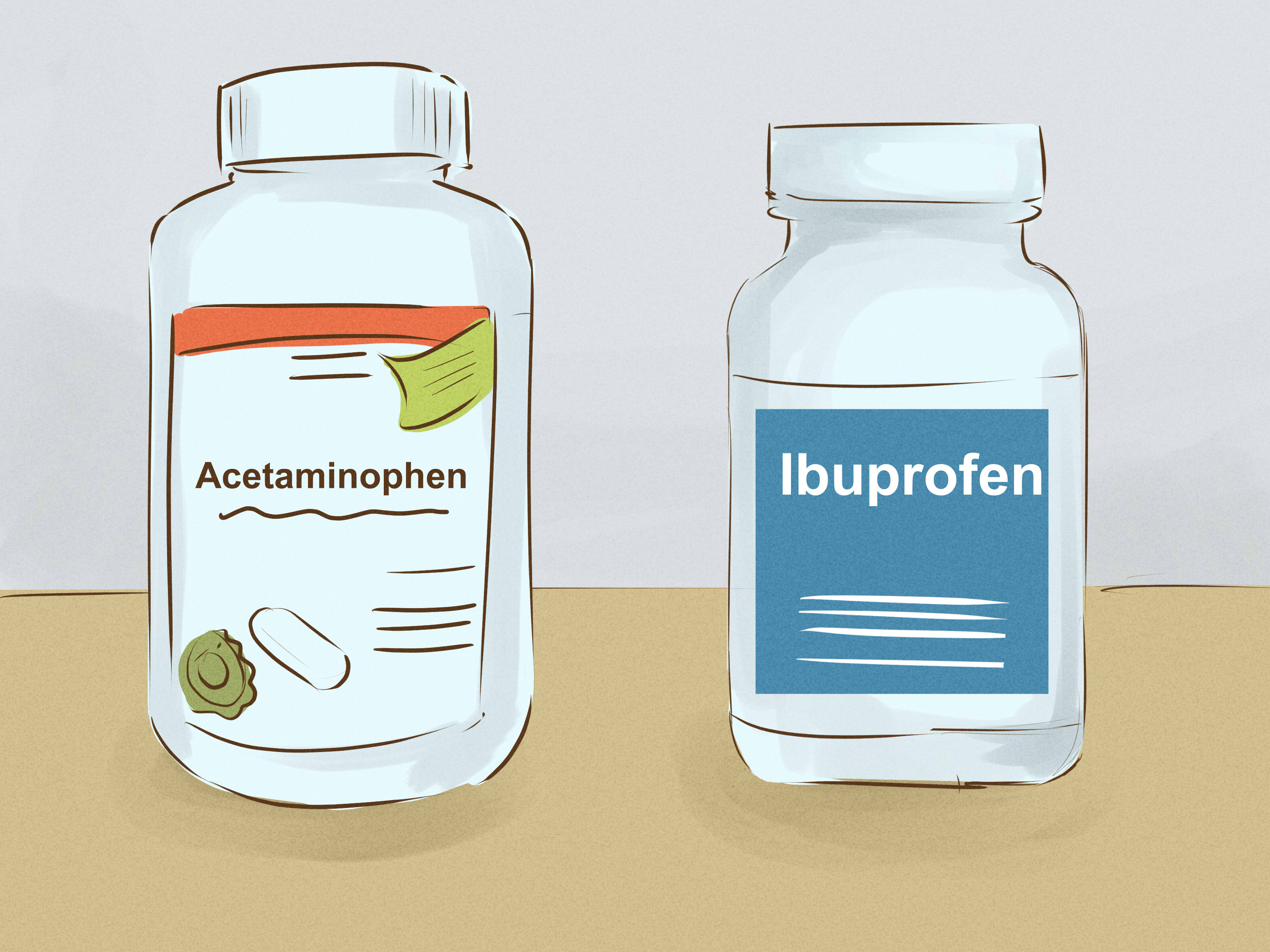
Heating pads, warm showers, gentle stretching, hydration, and rest can help take the edge off cramps. Over-the-counter pain relievers may also help some people, as long as they are safe for you to use. If your cramps routinely knock you out of school, work, exercise, or sleep, that is worth discussing with a clinician rather than just telling yourself you are being dramatic. Your uterus is allowed to be annoying; it is not allowed to run your calendar.
Reduce sensory overload
Some people feel more dysphoric when they are physically reminded of their period all day long. Experiment with products that feel less noticeable, underwear that fits securely, and routines that minimize repeated checking. The less time you spend thinking “ugh, I can feel it,” the better.
Give yourself gender-affirming support
Small affirming actions can matter more than they seem. That could mean wearing clothes that feel more like you, using your chosen name in a health app, asking a trusted person to use neutral language, or planning something grounding during difficult days. The point is not to pretend your period is fun. It is to remind yourself that your body does not get the final vote on your identity.
Do not ignore mental stress
If your period brings intense sadness, panic, disgust, or dread every month, that matters. A supportive therapist, affirming clinician, or trusted adult can help you sort out whether the problem is mainly dysphoria, pain, PMS or PMDD symptoms, sensory stress, trauma, or a combination. You deserve help for the emotional part too, not just the bleeding part.
When to Ask About Menstrual Suppression
If having a period significantly worsens your dysphoria or quality of life, talk with an affirming clinician about menstrual suppression. This means using medication or hormone-based care to make periods lighter, less frequent, or absent. Depending on your body, goals, and health history, options may include methods such as hormonal IUDs, implants, progestin-based treatments, or gender-affirming hormone therapy. Some people want full suppression. Others just want lighter bleeding and less cramping.
This conversation is worth having if:
- Your period causes major dysphoria every month.
- Your cramps or bleeding are interfering with daily life.
- You are tired of planning your life around your cycle.
- You want options that better align with your gender goals.
There is no prize for suffering through a period you do not want. If your period feels like an ongoing problem rather than a manageable inconvenience, medical support may help.
How to Handle School, Work, Family, and Public Spaces
At school or work
Bathrooms can be one of the most stressful parts of having a period when you are trans or nonbinary. If possible, identify the bathrooms that feel safest ahead of time. A single-stall or less busy restroom can reduce stress. Keep supplies in a small pouch that does not advertise its contents like a marching band. Quick, boring, discreet is a valid strategy.
At home
If family members use language that does not fit you, set a boundary when you can. You might say, “Please just call them period products,” or “I do not like gendered comments about this.” You do not need a perfect speech. One sentence can do the job.
With friends or partners
Tell people what kind of support is actually useful. Maybe you want someone to grab supplies without making it weird. Maybe you want zero jokes. Maybe you want a heating pad and a snack delivered like a very specific room-service order. Clear requests can save everyone a lot of awkward guessing.
When to See a Clinician
Not every period problem is “just how it is.” Make an appointment if you have very heavy bleeding, bleeding between periods, bleeding that lasts longer than usual, severe pain, big changes in your cycle, or symptoms that keep getting worse. Also get checked if you feel faint, unusually weak, or if your cramps are so bad you cannot function normally.
Possible causes of difficult periods can include hormone-related issues, abnormal uterine bleeding, endometriosis, fibroids, or other conditions. You do not need to diagnose yourself on the internet at 1:14 a.m. while holding a heating pad like a life raft. Let a clinician help.
If possible, look for a provider who is explicitly affirming of transgender and nonbinary patients. You deserve care that treats you like a whole person, not a vocabulary lesson with a pulse.
Experiences Many Transgender and Nonbinary People Recognize
For some people, the hardest part of a period is not the bleeding. It is the anticipation. The few days before it starts can feel like waiting for a storm you did not schedule and absolutely did not authorize. You may feel yourself getting tense, checking for symptoms, wondering whether this month will be “annoying but survivable” or “please cancel all plans and let me become a blanket burrito.” That anticipation alone can wear you out.
Some transmasculine people describe periods as feeling like their body is sending a message they did not ask for. Not because a period changes who they are, but because it can make other people act like it does. Suddenly the world is offering products labeled for women, school lessons split by gender, and social scripts that do not fit. The distress can come from the body, yes, but also from the culture built around it.
Many nonbinary people talk about the strange in-between feeling of not relating to mainstream “girlhood” period conversations but also not wanting to disappear from health discussions altogether. They still need information. They still need products. They still need care. They just want it delivered without being shoved into an identity box that does not fit.
Then there is the practical side. Maybe you are fine at home, but dealing with your period in public is what spikes your stress. Maybe opening a tampon in a quiet bathroom feels louder than a fireworks show. Maybe asking a teacher for a bathroom pass feels awkward. Maybe you keep supplies hidden in an old headphone case because it feels more neutral. These are not silly adaptations. They are the everyday ways people build comfort and privacy in a world that is not always thoughtful.
There are also people whose experience changes over time. Someone might feel intense dysphoria about their period at age fifteen, feel more neutral at twenty, and later decide they still want menstrual suppression because convenience alone is reason enough. Another person may expect testosterone to make periods disappear immediately and then feel frustrated or worried when spotting continues for a while. Another may discover that the physical pain, not the gender piece, is actually the main issue. None of that means you are confused. It means bodies and identities are both personal and dynamic.
And sometimes the experience is surprisingly ordinary. Some transgender and nonbinary people do not feel a giant emotional crisis about menstruation every month. They just dislike it in the same deeply committed way that many humans dislike paying taxes or stepping on wet bathroom floors with socks on. That is valid too. You do not have to perform maximum distress to “qualify” for support, and you do not have to hate your body every second to be real.
What many people seem to share is this: the period gets easier to deal with once they stop trying to handle it the way they think they are supposed to and start handling it the way that actually works for them. That may mean buying period underwear, using neutral language, scheduling rest, asking for hormone-based care, or telling one trusted person, “Hey, this week is rough. Please do not make it weird.” Small adjustments can create a surprising amount of relief.
If your current routine makes you feel miserable, you are allowed to change it. If your current products make you uncomfortable, you are allowed to switch them. If your period is a source of dysphoria or disruption, you are allowed to seek care. Your body may have a cycle, but you still get choices.
Final Thoughts
Dealing with your period as a transgender or nonbinary person is not about pretending menstruation feels empowering if it does not. It is about building a system that protects your comfort, your health, and your sense of self. Start with what bothers you most. Then make one change that helps. Then another. Relief is often less about one magical solution and more about a series of smart, kind adjustments.
You are not the only person navigating this. You are not “too sensitive” for wanting a more affirming routine. And you are definitely not required to make peace with every part of the experience overnight. Your job is simpler than that: care for your body, respect your identity, and make this monthly nuisance as manageable as possible.