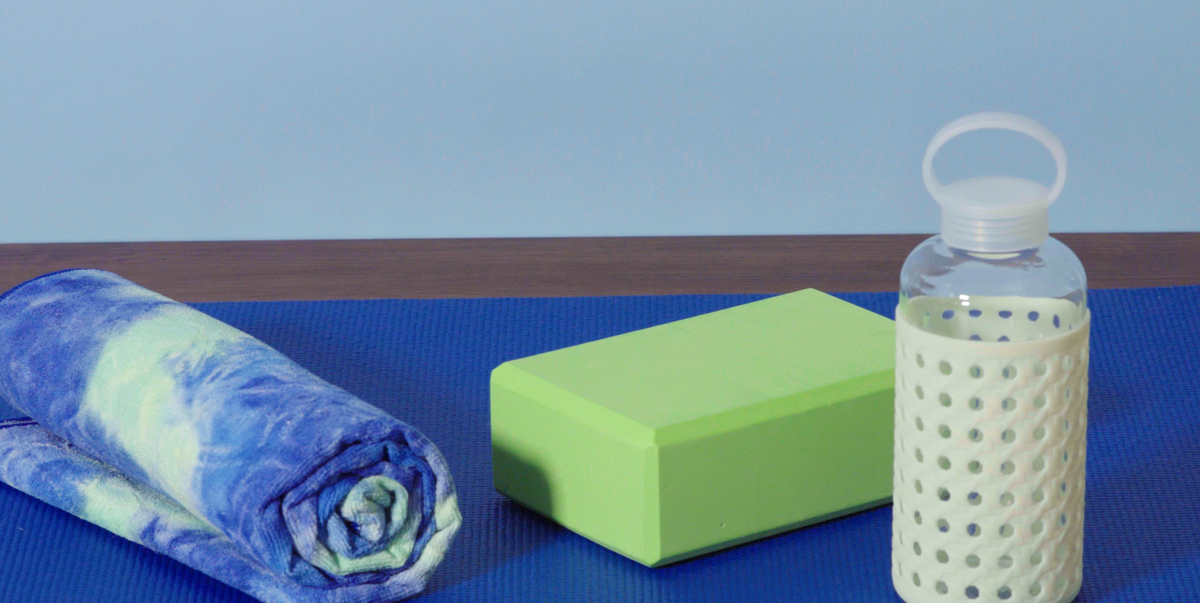
Your yoga mat has seen things. It has supported your downward dogs, absorbed your “I’m totally relaxed” sweat, collected dust from the studio floor, and possibly survived a smoothie spill you promised yourself you would clean “later.” The good news? Learning how to clean a yoga mat is simple, inexpensive, and not nearly as dramatic as trying to hold chair pose for one more breath.
A clean yoga mat is more than a nice-to-have. It helps reduce odor, keeps the surface grippy, protects the material from early breakdown, and makes every practice feel fresher. Whether you use a natural rubber mat, PVC mat, cork yoga mat, TPE mat, travel mat, or a luxury alignment mat, the secret is the same: use the gentlest effective cleaning method, avoid soaking mats that should not be soaked, and let the mat dry completely before rolling it up.
This guide explains how to clean a yoga mat after everyday practice, how to deep clean it when it starts smelling like a gym bag with ambition, what cleaning ingredients to avoid, and how to keep your mat fresh for longer.
Why Cleaning Your Yoga Mat Matters
Yoga mats come into direct contact with hands, feet, sweat, skin oils, body lotion, hair products, dust, and whatever mystery particles live on studio floors. That does not mean your mat is a biohazard in a cute carrying strap, but it does mean routine cleaning is smart.
Cleaning removes visible dirt, sweat, oils, and residue. Disinfecting is different; it is meant to reduce germs more aggressively. For most personal yoga mats used at home, regular cleaning with mild soap and water or a mat-safe cleanser is usually enough. If your mat is shared, used in a gym, used during hot yoga, or has been exposed to illness, a more careful sanitizing routine may be appropriatealways following the mat manufacturer’s instructions.
There is also the comfort factor. A fresh mat smells better, feels better, and gives you one less excuse to skip practice. “My mat smells weird” is a valid complaint, but it is not a wellness strategy.
How Often Should You Clean a Yoga Mat?
The best cleaning schedule depends on how often you practice, how much you sweat, and where you use your mat.
After Every Practice
Wipe down your mat after each session if you sweat heavily, practice hot yoga, use your mat outdoors, place your face directly on the mat, or use it in a shared studio. A quick wipe with a damp microfiber cloth or a mat-safe spray can prevent sweat and oils from settling into the surface.
Weekly
If you practice a few times per week at home and do not sweat much, a weekly cleaning is usually a practical routine. This keeps dust, skin oils, and light odors under control without over-washing the mat.
Monthly or Every Few Weeks
A deeper clean is helpful every two to four weeks for regular use. Hot yoga mats, studio mats, or mats used for sweaty workouts may need deep cleaning more often. If your mat feels slippery, smells sour, has visible stains, or makes you hesitate before placing your forehead down in child’s pose, that is your sign.
What You Need to Clean a Yoga Mat
You do not need a cleaning closet worthy of a home improvement show. Most yoga mats can be cleaned with a few simple supplies:
- Mild dish soap or gentle, oil-free soap
- Warm water
- Microfiber cloths or soft towels
- A spray bottle
- A soft sponge for stubborn spots
- A drying rack, shower rod, or clean flat area for air drying
- Manufacturer-approved yoga mat cleaner, if your mat brand recommends one
Avoid abrasive brushes, harsh scrub pads, strong solvents, heavy essential oil blends, and random disinfectants unless the mat label says they are safe. Yoga mats are not all made from the same material, so one cleaner’s miracle solution can be another mat’s early retirement party.
How to Clean a Yoga Mat After Daily Practice
This quick method works for most mats when you need a regular refresh.
Step 1: Check the Care Label
Before spraying anything, check the manufacturer’s instructions. Some natural rubber mats should not be soaked. Some mats should be kept out of direct sunlight. Some specialty mats recommend only brand-approved cleaners. Two minutes of checking can save you from turning a perfectly good mat into a floppy, peeling, slippery tragedy.
Step 2: Mix a Gentle Cleaning Solution
Fill a spray bottle or bowl with warm water and add a few drops of mild dish soap. You want barely soapy water, not a bubble bath. Too much soap can leave residue, and residue can make a yoga mat slippery.
Step 3: Wipe From Top to Bottom
Lay the mat flat on a clean surface. Lightly mist the mat or dip a microfiber cloth into the solution and wring it out well. Wipe the mat from one end to the other, paying extra attention to hand and foot zones. These are the areas that collect the most sweat, oil, and grip-killing grime.
Step 4: Remove Soap Residue
Dampen a second clean cloth with plain water and wipe the mat again. This step matters because leftover soap can create a slick film. Nobody wants to discover soap residue halfway through warrior two.
Step 5: Dry Completely
Use a dry towel to remove excess moisture, then let the mat air dry fully before rolling it. Hang it over a shower rod, lay it flat on a clean towel, or drape it over a drying rack. Avoid direct sunlight unless your mat’s care instructions specifically allow it, because sunlight and heat can degrade some rubber and biodegradable materials.
How to Deep Clean a Yoga Mat
A deep clean is best when your mat has stubborn odor, visible dirt, or a sticky surface that does not improve with a quick wipe. The right deep-cleaning method depends on whether your mat is open-cell or closed-cell.
Closed-Cell Yoga Mats
Closed-cell mats have a less absorbent surface, so sweat and cleaner mostly stay on top. Many PVC and some TPE mats fall into this category. For these, you can usually clean the surface with warm water, a small amount of mild soap, and a soft cloth.
Lay the mat flat, wipe it thoroughly with the soapy cloth, then wipe again with clean water. If the mat is very dirty and the manufacturer allows it, you may briefly wash it in a bathtub with warm water and mild soap. Rinse thoroughly and air dry completely. Never roll it while damp; trapped moisture is the fastest route to musty smells.
Open-Cell Yoga Mats
Open-cell mats are more absorbent and often beloved by people who practice hot yoga because they can provide excellent grip when sweaty. However, they can also absorb more moisture and cleaner. For these mats, avoid soaking unless the brand specifically says it is safe.
Use a lightly damp cloth and a tiny amount of gentle cleaner. Wipe the surface carefully, then follow with a clean damp cloth. Dry flat or hang in a well-ventilated area. Be patient. An absorbent mat may need several hours to dry fully.
How to Clean Different Types of Yoga Mats
Natural Rubber Yoga Mats
Natural rubber mats are popular because they offer strong grip and a supportive feel. They also tend to dislike harsh cleaners, excess oil, soaking, and prolonged sunlight. Clean them with water or a rubber-safe mat wash, depending on the manufacturer’s advice. Avoid heavy essential oils because they may make the surface slippery or affect the rubber over time.
PVC Yoga Mats
PVC mats are often durable and easier to clean than absorbent natural mats. Many can handle a gentle wipe-down with mild soap and water. Some may tolerate deeper cleaning, but always check the label before submerging or machine washing.
TPE Yoga Mats
TPE mats are lightweight and common for home practice. They usually do best with mild soap, water, and gentle wiping. Avoid high heat, strong chemicals, and rough scrubbing, which can damage the texture.
Cork Yoga Mats
Cork mats naturally resist some odor and are often used by people who want a more eco-conscious surface. Still, cork is porous, so it should not be drenched. Wipe with a lightly damp cloth and mild cleaner if needed. Let it dry thoroughly before rolling.
Luxury Alignment Mats
Mats with printed alignment lines or special top layers need extra care. Use a soft sponge or microfiber cloth, avoid abrasive tools, and follow the brand’s instructions. The goal is to clean the mat, not exfoliate it like a face scrub.
Can You Put a Yoga Mat in the Washing Machine?
Sometimes, but usually it is not the best idea. A few basic mats may be machine washable, but many high-quality yoga mats can warp, peel, crack, or lose their grip in a washing machine. The spin cycle can be especially rough. If your mat brand does not clearly say machine washing is safe, do not gamble.
Hand cleaning is safer for most mats. It gives you more control over water, soap, pressure, and drying. Your washing machine may be excellent at cleaning socks, but it was not designed with your beloved yoga mat’s emotional needs in mind.
Can You Use Vinegar to Clean a Yoga Mat?
Vinegar is a popular DIY cleaning ingredient, but it is not right for every mat. Some brands allow a diluted vinegar solution, while others warn against it, especially for certain natural rubber mats. Vinegar can help cut odor and light residue, but it is not a universal disinfectant and should not be treated like one.
If you want to use vinegar, check the care instructions first. When in doubt, stick with mild soap and water or a cleaner made for your mat material.
Can You Use Essential Oils on a Yoga Mat?
Use caution. Essential oils smell lovely, but they can leave residue, irritate sensitive skin, or make a mat slippery if used too heavily. Some mat brands specifically recommend avoiding essential oils, body lotion, or moisturizers on the mat surface.
If you like a lightly scented mat spray, use only a very small amount and test it on a corner first. Better yet, choose a mat cleaner designed for your mat type. Your mat does not need to smell like a spa lobby to be clean.
How to Remove Odor From a Yoga Mat
Odor usually comes from sweat, trapped moisture, body oils, or poor drying habits. To remove it, wipe the mat with mild soap and water, rinse with a damp cloth, and dry it completely in a well-ventilated area. Repeat if needed.
For persistent odor, sprinkle a light layer of baking soda on a dry mat, let it sit briefly, then wipe or shake it off before cleaning with a damp cloth. Test first, especially on textured or dark mats. The real key is drying. A mat rolled up while damp will smell again, no matter how carefully you cleaned it.
How to Disinfect a Yoga Mat Safely
Disinfecting is not the same as cleaning. Clean first to remove sweat, oils, and dirt. If you need to disinfect because the mat was shared, used in a public setting, or exposed to illness, choose a product that is safe for the mat material and follow the product label. Avoid mixing cleaning products. Avoid harsh chemicals unless the manufacturer clearly says they are safe for your mat.
For shared studio mats, it is smart to use the studio’s approved disinfecting spray and wipe the mat before and after practice. For extra protection, bring your own mat or place a clean towel over the mat during practice.
How to Dry and Store a Yoga Mat
Drying is not the boring final step. It is the step that prevents odor, mildew-like smells, and surface breakdown. After cleaning, hang the mat or lay it flat until both sides are completely dry. Turn it over if needed.
Store your mat in a cool, dry place away from direct sunlight, heaters, and damp closets. Roll it loosely rather than crushing it under heavy gear. If your mat has a designated top side, roll it the way the manufacturer recommends to protect the surface texture.
Common Yoga Mat Cleaning Mistakes
Using Too Much Soap
More soap does not mean more clean. It often means more residue. Residue can make the mat slick and attract more dirt.
Rolling the Mat While Damp
This is the classic mistake. A damp rolled mat becomes a tiny odor factory. Let it dry fully before storing.
Scrubbing Too Hard
Rough scrubbing can damage texture and printed designs. Use a soft cloth or sponge instead.
Leaving the Mat in the Sun
A little airflow is good. Baking your mat in direct sunlight is not always good, especially for natural rubber or biodegradable mats.
Ignoring the Manufacturer’s Instructions
Different yoga mats need different care. The safest cleaning method is the one that matches your mat’s material.
Simple Yoga Mat Cleaning Routine
Here is an easy routine that works for most personal mats:
- After sweaty practice: Wipe with a damp microfiber cloth or mat-safe spray.
- Once a week: Clean with warm water and a few drops of mild soap.
- Every few weeks: Deep clean if the mat smells, feels slippery, or looks dirty.
- Every time: Dry fully before rolling.
This routine is simple enough to actually follow, which is the entire point. The best cleaning system is not the fanciest one. It is the one you will do after class when you are tired, peaceful, and thinking about snacks.
Personal Experience: What Actually Works When Cleaning a Yoga Mat
After trying different yoga mat cleaning habits, the biggest lesson is that consistency beats intensity. A neglected mat is much harder to rescue than a regularly wiped mat is to maintain. The easiest routine is to keep a small spray bottle and microfiber cloth near your practice space. When your props are visible, cleaning becomes part of the workout instead of a separate chore you pretend to remember later.
One practical trick is to clean the mat while it is still unrolled. Right after practice, the mat is already flat, your towel is probably nearby, and you have not yet entered “I deserve to sit down forever” mode. A quick wipe takes less than two minutes. Spray lightly, wipe the top surface, flip if the floor side looks dusty, and hang it over a chair or railing to dry. This tiny habit prevents most odor problems before they begin.
Hot yoga requires a more serious routine. If you sweat heavily, a yoga towel is worth using. It protects the mat, improves grip for many people, and can be tossed into the laundry after class. Without a towel, sweat can sit on the surface or sink into absorbent mats. That is when odor starts building. A mat towel is not glamorous, but neither is sniffing your mat and questioning your life choices.
Another experience-based tip: do not overdo essential oils. A few drops may smell nice, but too much can leave a film. That film can make the mat slick, especially under sweaty hands. A mat should help you stay in plank, not send you sliding forward like a penguin on a lunch tray. Mild soap and water may sound boring, but boring is often best for cleaning.
Drying also matters more than most people think. Many people clean their mat correctly and then roll it too soon. The next day, the mat smells worse, and they blame the cleaner. Usually, the problem is trapped moisture. Give the mat enough time to dry on both sides. If you practice at night, leave it hanging until morning. If you practice before school or work, clean it lightly and let it dry somewhere with airflow.
For outdoor yoga, clean the bottom of the mat too. Grass, dirt, pollen, and sidewalk dust can stick to the underside and transfer to the top when the mat is rolled. Wiping both sides keeps the whole mat fresher. It also keeps your storage area cleaner, which is a bonus if your mat lives in a bedroom corner or car trunk.
The final lesson is to respect the mat material. Natural rubber mats can be fantastic, but they do not love harsh treatment. Cork mats feel earthy and beautiful, but they should not be soaked. PVC mats may be tougher, but even tough mats can become slippery if soap is not rinsed off. When a mat starts losing grip, the answer is not always buying a new one. Sometimes it just needs a careful cleaning and a full dry.
In short, the best way to clean a yoga mat is to make cleaning part of your practice. Roll out the mat, move your body, wipe it down, let it dry, and store it properly. Your future selfthe one doing child’s pose with a clean forehead zonewill be grateful.
Conclusion
Cleaning a yoga mat does not have to be complicated. For everyday care, use warm water, a small amount of mild soap, and a soft cloth. For deeper cleaning, match the method to your mat material and avoid soaking mats that should stay mostly dry. Skip harsh cleaners unless the care label allows them, be careful with vinegar and essential oils, and always let your mat dry completely before rolling it up.
A clean yoga mat supports better grip, better comfort, and a fresher practice. It also makes your mat last longer, which is good for your wallet and your routine. Think of mat cleaning as the final pose: not flashy, not difficult, but surprisingly important.