A stained toilet has a special talent for making an otherwise clean bathroom look like it has been through a small plumbing apocalypse. The good news? Most toilet stains are not permanent, not mysterious, and not a sign that your bathroom has given up on civilization. They are usually caused by hard water minerals, rust, mildew, urine scale, or ordinary buildup that has been allowed to sit a little too long.
Learning how to clean a stained toilet is less about heroic scrubbing and more about matching the right method to the right stain. A brown ring near the waterline needs a different approach than black mildew under the rim. A chalky white crust is not the same problem as orange rust streaks. Once you know what you are fighting, the job becomes much easierand your toilet brush can stop feeling like it has been drafted into battle.
This guide covers effective and easy methods for removing toilet stains using common household products, safe commercial cleaners, and smart maintenance habits. You will also learn what not to mix, when to let cleaners sit, and how to keep stains from making a dramatic comeback.
Why Toilets Get Stained in the First Place
Toilet stains are usually caused by minerals, organic buildup, or moisture-loving microbes. The exact color of the stain often gives you a clue about the source. Think of your toilet bowl as a crime scene, but thankfully with fewer detectives and more vinegar.
Hard Water Stains
Hard water contains minerals such as calcium and magnesium. When water evaporates or sits in the bowl, those minerals can cling to porcelain and create white, gray, yellow, or brown rings. Hard water stains often show up at the waterline or under the rim where water repeatedly flows.
Rust Stains
Rust stains are usually orange, reddish-brown, or copper-colored. They may come from iron in the water supply, old pipes, or mineral-heavy well water. Rust stains can look alarming, but acidic cleaners or rust-removing toilet bowl products often handle them well.
Mold and Mildew
Black, green, or dark gray spots may be mold or mildew, especially if they appear under the rim, around the seat hinges, or in a toilet that is not used often. Bathrooms are humid, and mildew treats moisture like an engraved invitation.
Urine Scale and Organic Buildup
Yellow stains and unpleasant odors can come from urine scale, bacteria, and residue left behind after repeated use. These stains become harder to remove when the toilet is not cleaned regularly or when flushing is weak.
Before You Start: Safety Rules That Matter
Cleaning a stained toilet is simple, but bathroom chemistry is not the place to improvise like a mad scientist in rubber gloves. Follow these safety rules before you begin:
- Never mix bleach with vinegar, ammonia, acidic toilet cleaners, or other disinfectants.
- Read the product label before using any commercial cleaner.
- Wear gloves, especially when using bleach, rust removers, or acidic cleaners.
- Open a window or turn on the bathroom fan for ventilation.
- Use toilet bowl cleaners inside the bowl only unless the label says otherwise.
- Keep a separate brush or sponge for the toilet to avoid cross-contamination.
If you use one cleaner and decide to switch to another, flush thoroughly first. When in doubt, rinse, flush, and wait. The shiniest toilet in town is not worth toxic fumes.
Basic Supplies for Cleaning a Stained Toilet
You do not need a garage full of cleaning gadgets. For most stained toilets, gather the following:
- Rubber or disposable cleaning gloves
- Toilet brush with firm nylon bristles
- White distilled vinegar
- Baking soda
- Hydrogen peroxide
- Pumice stone or pumice cleaning stick made for porcelain
- Commercial toilet bowl cleaner for lime, rust, or hard water stains
- Disinfecting spray or wipes for exterior surfaces
- Microfiber cloths or paper towels
For stubborn stains, reducing the water level in the bowl can help. Turn off the water supply valve behind the toilet, flush once, and you will expose more of the stained porcelain. This lets your cleaner sit directly on the stain instead of being diluted into a sad little cleaning soup.
Method 1: Vinegar for Hard Water Rings
White vinegar is one of the easiest ways to remove mild to moderate hard water stains. Its acidity helps loosen mineral deposits without the harsh smell of stronger chemicals.
How to Do It
- Pour 1 to 2 cups of white distilled vinegar into the toilet bowl.
- Use the toilet brush to spread the vinegar around the bowl and under the rim.
- Let it sit for 30 minutes. For heavier stains, let it sit for several hours or overnight.
- Scrub the stained areas with a toilet brush.
- Flush and repeat if needed.
For stains above the waterline, soak paper towels in vinegar and press them against the stained porcelain. Let them sit for 30 to 60 minutes, remove them, scrub, and flush. Do not flush paper towels; your plumbing deserves better.
Method 2: Baking Soda and Vinegar for Mild Stains
Baking soda adds gentle abrasion and deodorizing power. When combined with vinegar, it creates fizz that helps loosen surface grime. This method works best for light stains and general freshening, not severe mineral crust.
How to Do It
- Pour 1 cup of vinegar into the bowl.
- Add 1 cup of baking soda slowly.
- Let the mixture fizz for 10 to 20 minutes.
- Scrub with a toilet brush, focusing on the waterline and under the rim.
- Flush well.
This is a good weekly maintenance method. It is inexpensive, low-odor, and satisfying in the same way a tiny science fair volcano is satisfyingexcept this one ends with a cleaner bathroom.
Method 3: Pumice Stone for Stubborn Mineral Stains
A pumice stone can remove stubborn hard water rings, mineral scale, and rust marks from porcelain toilets. The key is to use it correctly. Keep both the stone and the toilet surface wet the entire time. A dry pumice stone can scratch porcelain, and scratched porcelain collects stains faster.
How to Do It
- Put on gloves.
- Wet the pumice stone completely.
- Wet the stained area in the bowl.
- Rub gently in short strokes, applying light pressure.
- Pause often to rinse away loosened residue.
- Flush when the stain is gone, then clean the bowl with regular toilet cleaner.
Use pumice only on porcelain or vitreous china, not plastic toilet seats, colored finishes, metal parts, or delicate surfaces. If your toilet has a special finish, check the manufacturer’s care instructions first.
Method 4: Commercial Lime and Rust Remover
If vinegar is not enough, a commercial lime, calcium, and rust remover may be the fastest solution. These products are designed to dissolve mineral deposits and rust stains that ordinary toilet cleaners leave behind.
How to Do It
- Read the label carefully.
- Wear gloves and ventilate the bathroom.
- Turn off the toilet water supply and flush to lower the water level if the label allows.
- Apply the cleaner under the rim and around stained areas.
- Let it sit for the recommended time only.
- Scrub with a toilet brush.
- Turn the water back on and flush thoroughly.
Do not use a lime or rust remover immediately after bleach or with any bleach-containing product. Many rust and mineral cleaners are acidic, and mixing acids with bleach can create dangerous fumes.
Method 5: Hydrogen Peroxide for Rust and Organic Stains
Hydrogen peroxide can help lift some rust-colored stains and organic discoloration. It is also useful for freshening the bowl without the intensity of bleach. Use the common household 3% hydrogen peroxide solution.
How to Do It
- Pour about 1/2 cup of hydrogen peroxide into the bowl.
- Brush it around the stain.
- Let it sit for 20 to 30 minutes.
- Scrub and flush.
Hydrogen peroxide should still be treated as a cleaning chemical. Do not mix it with vinegar, bleach, or other cleaners. Use one method at a time, flush well, and keep the process simple.
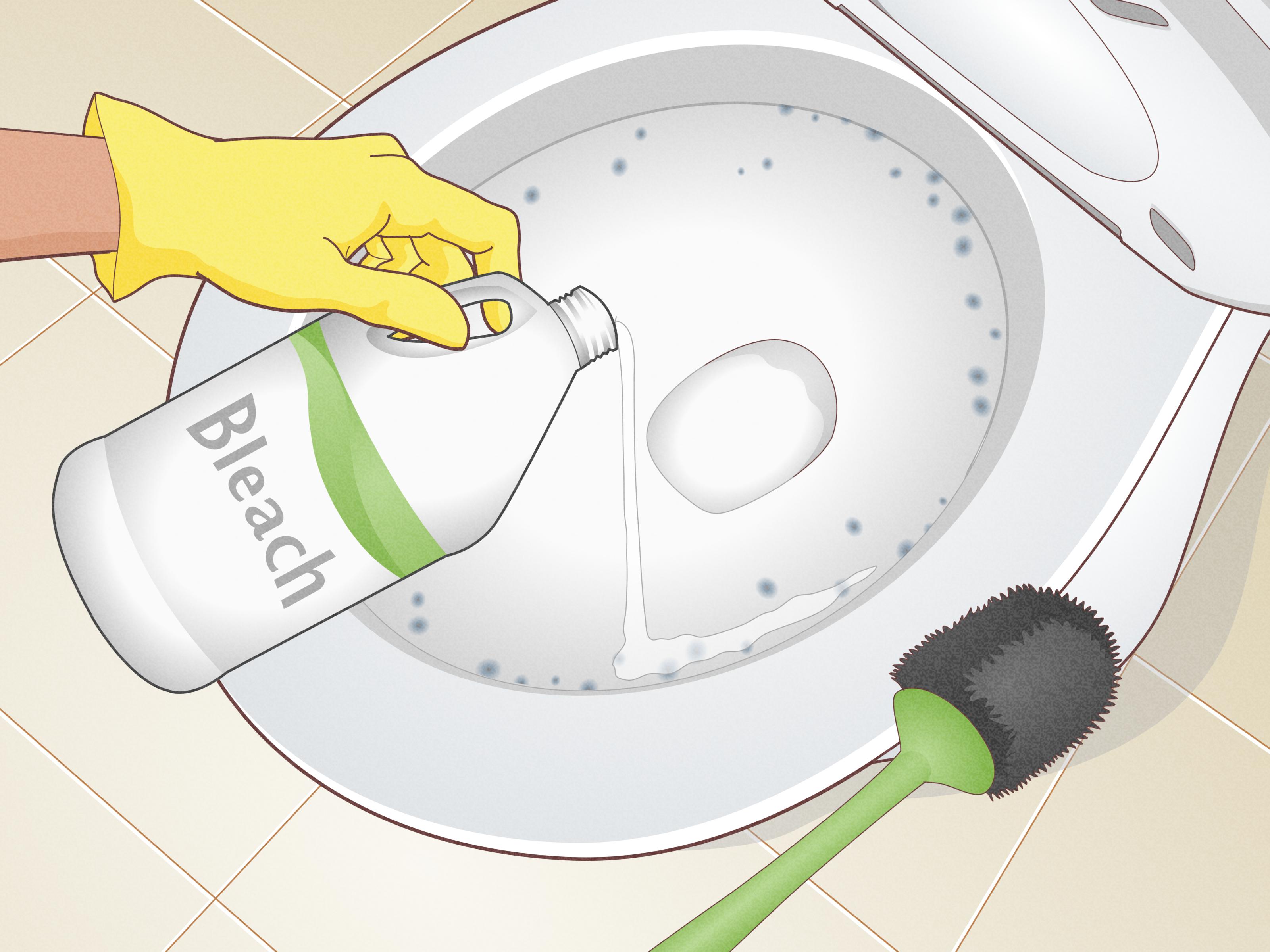
Method 6: Bleach for Disinfecting, Not Mineral Stains
Bleach is powerful for disinfecting and brightening certain organic stains, but it is not the best choice for hard water, rust, or lime deposits. In fact, bleach can make some rust stains appear more stubborn because it does not dissolve the mineral source.
How to Use Bleach Safely
- Use bleach only according to the product label.
- Never combine it with toilet bowl cleaner, vinegar, ammonia, or rust remover.
- Apply it to a pre-cleaned bowl if disinfecting is your goal.
- Let it remain wet for the label’s required contact time.
- Flush thoroughly.
For most stained toilets, clean first and disinfect second. Dirt, minerals, and grime can get in the way of disinfection. That is why contact time matters: the treated surface must stay wet long enough for the disinfectant to work as intended.
How to Clean Stains Under the Toilet Rim
The area under the rim is where stains love to hide. It is dark, damp, and conveniently out of sight until the bathroom starts smelling less than fresh.
Apply toilet bowl cleaner directly under the rim and let it run down the sides of the bowl. Give it the recommended dwell time, then scrub under the rim with an angled toilet brush. If the rim holes are clogged with mineral buildup, use vinegar or a lime-removing cleaner according to label directions. Clearing those holes can improve flushing and reduce future staining.
How to Clean the Outside of a Stained Toilet
A clean bowl is great, but the outside of the toilet matters too. Dust, drips, fingerprints, and bathroom germs collect on the handle, lid, seat, hinges, tank, base, and floor around the toilet.
Exterior Cleaning Steps
- Spray the exterior with a bathroom cleaner or disinfectant approved for the surface.
- Work from the cleanest areas to the dirtiest: tank, handle, lid, seat, rim, base, then floor.
- Let disinfectant stay wet for the label’s contact time.
- Wipe with a clean cloth or paper towel.
- Use an old toothbrush around hinges if grime is trapped there.
Do not use strong toilet bowl cleaner on the seat, handle, chrome, plastic, or painted parts unless the label specifically allows it. Bowl cleaners are made for the inside of the bowl, not every surface within arm’s reach.
What Not to Use on a Stained Toilet
Some cleaning hacks are popular because they sound dramatic, not because they are smart. Avoid these common mistakes:
- Do not mix cleaning products. More chemicals do not mean more clean; sometimes they mean more emergency.
- Do not use drain cleaner in a toilet. It can damage plumbing and create dangerous reactions.
- Do not rely on in-tank bleach tablets. They may damage rubber parts over time.
- Do not scrub porcelain with harsh metal tools. Scratches create future stain magnets.
- Do not use colored sugary soda as a regular cleaner. It may help with mild mineral stains, but it is not a disinfectant and can leave residue.
How Often Should You Clean a Toilet?
For most homes, clean the toilet bowl at least once a week. If several people use the same bathroom, if someone is sick, or if your water is very hard, clean it more often. Quick maintenance prevents stains from hardening into a porcelain fossil exhibit.
A simple schedule works well:
- Daily or every few days: Quick brush if stains appear.
- Weekly: Clean the bowl, rim, seat, handle, and exterior.
- Monthly: Treat hard water buildup with vinegar or a mineral remover.
- As needed: Use pumice carefully for stubborn rings.
How to Prevent Toilet Stains from Coming Back
The easiest stain to remove is the one that never gets comfortable. Prevention does not have to be complicated.
Brush Regularly
A 30-second brush once or twice a week can prevent minerals and residue from bonding to the bowl. It is not glamorous, but neither is explaining a toilet ring to houseguests.
Fix Running Toilets
A toilet that runs constantly keeps mineral-heavy water flowing through the bowl. That can create streaks and stains. Replacing a worn flapper or adjusting the fill valve may reduce staining and lower your water bill.
Improve Bathroom Ventilation
Use the exhaust fan during and after showers. Lower humidity makes it harder for mildew to grow around the toilet seat, tank, and base.
Consider Water Treatment
If your home has extremely hard water, a water softener or filtration system can reduce mineral buildup throughout the bathroom. This is a bigger investment, but it can help protect toilets, faucets, shower doors, and appliances.
Troubleshooting: Match the Stain to the Solution
| Stain Type | Likely Cause | Best Method |
|---|---|---|
| White or gray ring | Hard water minerals | Vinegar soak, lime remover, wet pumice stone |
| Orange or reddish streaks | Iron or rust | Rust remover, hydrogen peroxide, pumice stone |
| Black spots under rim | Mildew or bacteria | Bathroom disinfectant or bleach used safely |
| Yellow staining | Urine scale or residue | Toilet cleaner, vinegar, regular brushing |
| Brown waterline stain | Minerals, rust, or buildup | Lower water level, acidic cleaner, scrub |
Real-Life Experience: What Actually Works When the Toilet Looks Hopeless
Here is the honest truth from practical bathroom-cleaning experience: the biggest mistake people make is scrubbing too soon. They pour cleaner into the bowl, attack it with a brush for 20 seconds, flush, and then declare the stain immortal. Most cleaners need time. Vinegar needs time to soften minerals. Disinfectants need contact time to work. Rust removers need time to dissolve what your brush cannot magically erase.
One of the most effective approaches for a badly stained toilet is the “soak first, scrub second” method. Lower the water level, apply vinegar or the correct commercial cleaner directly to the stain, and walk away. Do something emotionally rewarding, like drinking coffee or pretending the laundry folded itself. Come back after the recommended time and scrub. The difference is often dramatic.
For hard water rings, a wet pumice stone can feel almost too good to be true. The first time you use one correctly, you may wonder why you spent years buying increasingly intense blue liquids with labels that looked like action movie posters. The trick is patience and moisture. Keep the stone wet, use gentle pressure, and work in small sections. It should feel like polishing, not sanding a deck.
Another lesson: the toilet rim is usually dirtier than it looks. If the bowl gets stained quickly after cleaning, check under the rim. Mineral buildup can clog the tiny rim holes and cause uneven water flow, which leaves streaks. A good angled brush and a cleaner with enough dwell time can make a noticeable difference.
For rust stains, household vinegar may help, but severe orange streaks often need a product specifically made for rust, lime, and calcium. This is especially true in homes with well water. A general disinfecting toilet cleaner might make the bathroom smell clean while doing very little to the actual mineral stain. Clean smell is nice, but it is not a magic eraser.
Bleach deserves a special mention. Many people reach for bleach first because it feels powerful. It is powerful, but it is not a universal stain remover. Bleach is useful for disinfecting and treating some organic stains, but it is not the best tool for hard water or rust. Even more important, bleach should never be mixed with acidic toilet bowl cleaners, vinegar, ammonia, or rust removers. Use it only when appropriate, and use it alone.
The best maintenance habit is boring but effective: brush the bowl once a week, clean the exterior regularly, and treat mineral stains before they become crusty. If you live in a hard water area, a monthly vinegar soak can save you from future scrubbing marathons. A stained toilet is much easier to manage when you stop giving minerals a long-term lease.
Conclusion
Cleaning a stained toilet does not require panic, mystery chemicals, or scrubbing with the intensity of an Olympic event. Start by identifying the stain. Use vinegar or baking soda for mild hard water stains, a wet pumice stone for stubborn mineral rings, hydrogen peroxide for some rust and organic stains, and a commercial lime or rust remover when buildup is serious. Save bleach for disinfecting, not mineral removal, and never mix it with other cleaners.
The real secret is dwell time, regular maintenance, and choosing the right cleaner for the job. Give the product time to work, scrub with the right tool, flush thoroughly, and keep up with weekly cleaning. Your toilet may never send you a thank-you card, but it will look brighter, smell fresher, and stop embarrassing you every time someone asks where the bathroom is.