Some people describe a spirit guide as a protective presence, wise ancestor, symbolic teacher, or intuitive voice. Others understand the same experience as imagination, subconscious pattern recognition, prayer, or a focused conversation with the deeper self. You do not have to settle that philosophical debate before trying a grounded practice. You only need curiosity, patience, and enough discernment to avoid treating every random thought as a telegram from the universe.
This guide explains how to channel your spirit guide in a practical, emotionally responsible way. The emphasis is on meditation, visualization, journaling, body awareness, and reality-based decision-making. Spiritual channeling is a belief-based practice rather than a scientifically established method of contacting external beings, so approach it as personal explorationnot cosmic customer support with guaranteed answers.
What Does It Mean to Channel a Spirit Guide?
In spiritual communities, “channeling” usually means becoming receptive to guidance that seems to come from beyond ordinary conscious thought. The perceived source may be called a spirit guide, guardian, higher self, ancestor, angel, inner teacher, or universal consciousness. The experience can arrive as words, mental images, bodily sensations, memories, emotions, dreams, or an unexpected sense of clarity.
A grounded interpretation leaves room for more than one explanation. A meaningful image may feel spiritually significant while also reflecting your memory, values, intuition, or subconscious mind. Those possibilities do not have to fight in the parking lot. The important question is whether the practice helps you become calmer, kinder, more honest, and more capable of making sound choices.
Channeling Is Not the Same as Losing Control
Healthy spiritual exploration should not require surrendering your judgment, identity, or personal agency. You remain responsible for what you believe and do. A useful practice invites reflection; it does not command dangerous behavior, demand secrecy, flatter you as uniquely chosen, or pressure you to spend money, abandon treatment, or cut off supportive relationships.
Prepare Your Mind and Space
You do not need crystals arranged by lunar committee or incense powerful enough to alert the neighbors. A quiet chair, a notebook, and 10 uninterrupted minutes are enough. Silence notifications, soften the lighting, and choose one meaningful object only if it helps you focus.
Set a Clear Intention
Use a simple statement such as, “I am open to calm, compassionate insight that supports my well-being.” This gives the session direction without forcing a result. Avoid demands for guaranteed predictions, secret knowledge, or proof that you are destined to become the supreme ruler of Tuesday.
Choose a Time Limit
Beginners often do well with 10 to 15 minutes. Regular short sessions are usually more useful than one exhausting marathon.
A Step-by-Step Spirit Guide Meditation
1. Ground Yourself
Notice the chair beneath you, your feet on the floor, and the temperature of the room. Name three sounds and three bodily sensations. Grounding keeps spiritual reflection connected to ordinary reality.
2. Settle Your Breath and Body
Breathe gently through your nose and let the exhale lengthen slightly. Relax your jaw, shoulders, hands, abdomen, and legs. If closed eyes feel uncomfortable, use a soft downward gaze. There is no prize for holding your breath until you meet an ancestor by accident.
3. Imagine a Safe Meeting Place
Picture a secure setting: a garden, library, beach, cabin, or invented landscape. Add sensory detail. What colors, sounds, textures, and temperatures are present? Visualization gives your attention a stable container.
4. Invite Guidance
Silently say, “I welcome wise and compassionate guidance that respects my values and free will.” Wait without forcing an image. You may notice a word, memory, color, warmth, emotion, or silence. Silence is not failure; sometimes your brain would simply like a snack and an earlier bedtime.
5. Ask One Grounded Question
- What quality would help me handle this wisely?
- What am I avoiding?
- What deserves my attention today?
- What is one compassionate action I can take?
Do not use the session for medical diagnoses, legal verdicts, exact predictions, or certainty about another person’s private thoughts.
6. Receive Without Immediately Believing
Observe whatever arises as a draft, not a decree. Thank the experience, return to your breath, and write down the details without embellishing them.
7. Close Deliberately
Imagine the scene fading. Move your hands, feel your feet, look around, and name the date and location. A clear ending keeps the practice contained.
How to Interpret Messages With Discernment
The most important channeling skill is not receiving impressions; it is evaluating them. Human minds are talented storytellers. We notice patterns, fill gaps, replay fears, and occasionally cast yesterday’s awkward conversation in a twelve-episode internal drama. Discernment protects the practice from wishful thinking and anxiety.
Use the Calm, Kind, Practical Test
Potentially useful guidance is usually calm enough to consider, kind without being sugary, and practical enough to translate into a reasonable next step. “Apologize honestly” is actionable. “Everyone secretly envies your radiant vibration” is probably ego wearing a cape.
Check the Message Against Your Values
Ask whether the impression respects consent, safety, honesty, responsibility, and the dignity of other people. Reject anything that encourages harm, manipulation, grandiosity, isolation, or reckless spending. No spiritual label makes unethical advice ethical.
Wait Before Acting
Write the message down and revisit it after 24 to 72 hours. Useful insights often remain sensible when the emotional glow fades. For major choices involving health, money, work, relationships, or law, combine reflection with reliable information and qualified advice.
Look for Patterns, Not One-Off Fireworks
One dramatic image may be memorable, but repeated themes are often more informative. Review several weeks of journal entries. Perhaps the same concern, value, or neglected need keeps appearing. The pattern may reveal your deeper priorities even if you never decide whether a guide, your subconscious, or both delivered it.
Ways to Explore Consciousness Beyond Meditation
Intuitive Journaling
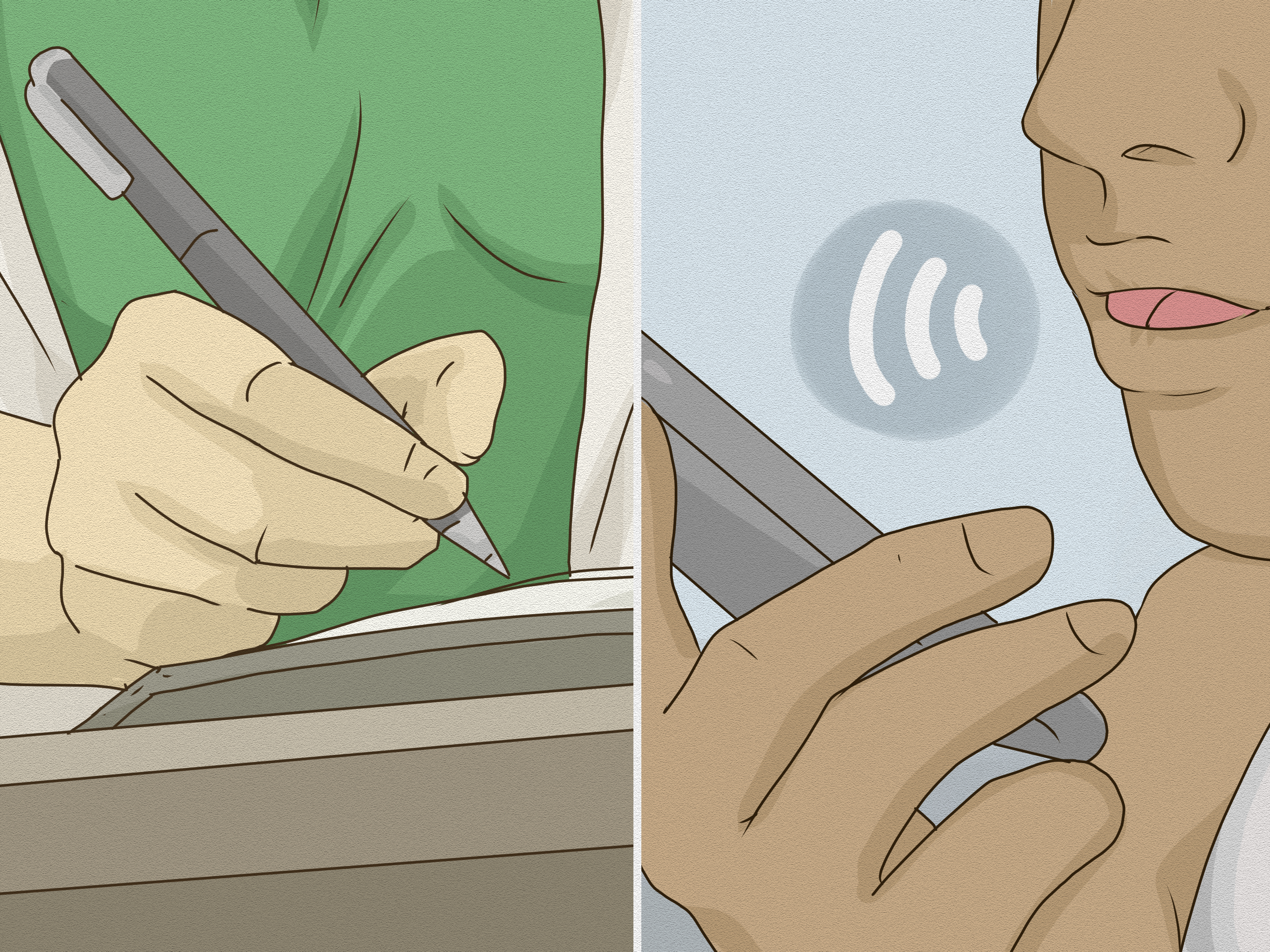
Write a question, pause for a few breaths, and answer without heavy editing for five minutes. Then add the heading “Wise Perspective” and write a compassionate reply. Review it later rather than treating it as instant truth.
Dream Reflection
Record dreams immediately after waking. Focus on emotions, recurring settings, and your personal associations instead of relying on universal symbol dictionaries. A snake may represent transformation to one person and the reason another refuses to enter the garage.
Walking and Creative Practice
During a safe, slow walk, ask your question once and return to sensory awareness. You can also draw, paint, hum, or make a collage without deciding what the result must mean. Creative work can reveal feelings and associations that ordinary analysis misses.
Prayer or Contemplative Reading
Religious practitioners may prefer prayer, sacred texts, or guidance from trusted clergy. Others may use poetry, philosophy, or nature writing. Choose a framework that encourages humility, compassion, and personal responsibility.
Safety, Mental Health, and Healthy Boundaries
Meditation and visualization are generally low-risk for many people, but some individuals experience increased anxiety, distress, intrusive memories, or disorientation. Stop the session if you feel overwhelmed. Open your eyes, name objects in the room, touch a textured surface, move your body, and contact someone supportive.
Do not use channeling to replace medical care, mental health treatment, medication, legal counsel, or emergency help. Seek professional support if you begin hearing threatening or commanding voices, feel watched or controlled, cannot distinguish inner experiences from shared reality, lose sleep because of the practice, or become unable to function normally. A licensed mental health professional can respect spiritual beliefs while helping you stay safe and grounded.
Be cautious with teachers who promise certainty, charge escalating fees to remove curses, claim exclusive access to your guide, discourage questions, or tell you to abandon loved ones or professional care. Ethical mentors support autonomy and welcome reasonable skepticism.
Experiences Related to Spirit Guide and Consciousness Work
Because channeling is subjective, experiences vary widely. The following composite examples illustrate how people might interpret the practice without claiming that any supernatural explanation has been proven.
The Unexpectedly Ordinary Message
Imagine someone entering meditation while overwhelmed by a career decision. They expect a luminous figure to unveil a five-year plan, preferably with salary projections and dental coverage. Instead, the phrase “rest before deciding” appears. At first it feels disappointingly mundane. After journaling, the person recognizes that exhaustion has made every option look threatening. They sleep, gather information, and speak with a mentor before choosing. Whether the phrase came from intuition, memory, or a perceived guide, its value came from encouraging a responsible process rather than delivering a dramatic prediction.
The Symbol That Changed Meaning
Another person repeatedly imagines a locked red door. Their first interpretation is ominous: perhaps a warning that danger lies ahead. Rather than panicking, they list personal associations. Red reminds them of urgency; locked doors remind them of privacy and boundaries. They realize they have been agreeing to family requests while quietly resenting the loss of personal time. The symbol becomes a prompt to set a respectful boundary. A week later, the door in meditation appears opennot necessarily because the universe updated the special effects, but because the person’s relationship with the issue has changed.
The Session Where Nothing Happened
A beginner tries three sessions and reports only itchy knees, traffic noise, and a detailed mental inventory of refrigerator contents. This is common. On the fourth session, they stop demanding an encounter and simply notice their breath. A feeling of grief surfaces about a friendship that ended months earlier. There is no voice or vision, yet the person recognizes an emotion they had been avoiding. They write a letter they do not send, talk with a trusted friend, and feel less burdened. Consciousness work is sometimes less like receiving a mystical broadcast and more like finally opening mail from your own emotional inbox.
The Helpful Message That Still Needed Verification
Someone asks whether to collaborate with a new business partner and senses a strong internal “no.” Instead of treating the feeling as infallible, they investigate. References reveal missed deadlines and unresolved disputes. In this case, intuition may have detected subtle inconsistencies before conscious reasoning caught up. In another situation, the same feeling could come from fear, bias, or a past experience. The responsible method is the same: respect the signal, then check the evidence.
The Experience That Became Too Intense
A person begins meditating for long periods, sleeps less, and starts believing every coincidence is a personalized command. They feel pressured to make immediate changes and become suspicious of friends who question the messages. This is not a sign to “raise the vibration” harder. It is a reason to stop the practice, restore sleep and routine, connect with trusted people, and seek professional mental health support. A healthy spiritual practice should increase capacity for ordinary life, not make ordinary life impossible.
Conclusion: Let Insight Serve Your Life
Learning how to channel your spirit guide can be approached as a structured form of spiritual reflection: settle the body, focus attention, invite compassionate insight, record what arises, and evaluate it carefully. You do not need to prove where every impression comes from. You do need to remain honest about uncertainty.
The best outcome is not a spectacular vision. It is a wiser relationship with your own attention, values, emotions, and choices. Keep what makes you more grounded and compassionate. Question what feeds fear or ego. Verify important decisions in the real world. Your spiritual Wi-Fi may occasionally be mysterious, but your safety, ethics, and common sense should always have a strong signal.