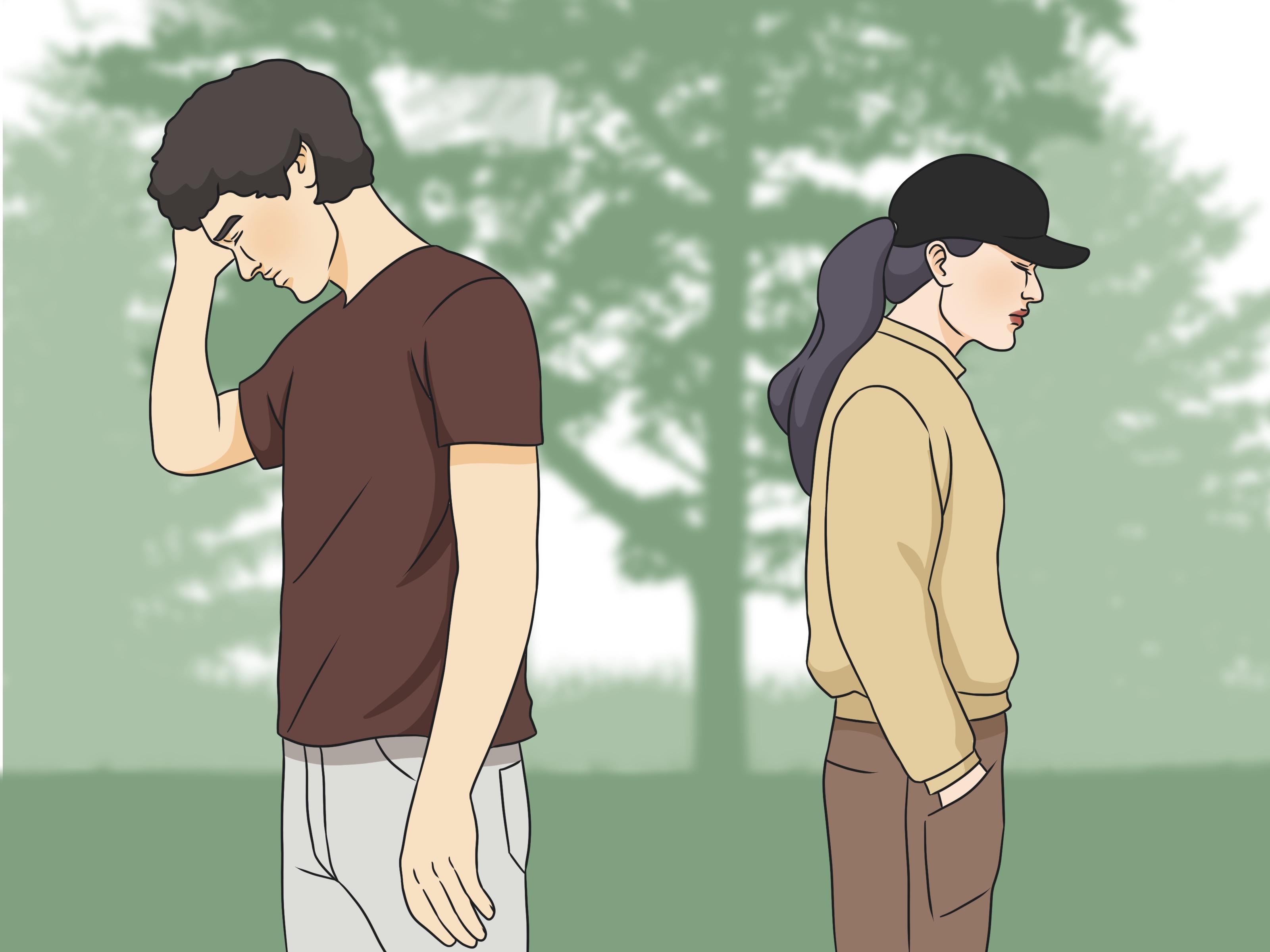
Jealousy in a relationship can feel like a tiny spark that suddenly discovers gasoline, fireworks, and dramatic background music. One minute you are replying to a harmless text from a coworker; the next, your girlfriend is asking, “So who is she?” with the calm intensity of a detective who has watched too many crime documentaries.
Before you panic, remember this: jealousy does not automatically mean your relationship is doomed. In many cases, it is a signal. It may point to insecurity, past hurt, unclear boundaries, unmet emotional needs, or a communication style that needs a tune-up. The goal is not to “defeat” your jealous girlfriend, win the argument, or convince her she is being ridiculous. The goal is to calm the moment, understand what is underneath the reaction, and rebuild trust without surrendering your personal freedom.
This guide breaks down how to calm down a jealous girlfriend in 13 practical steps. You will learn what to say, what not to say, how to reassure her without feeding unhealthy suspicion, and when jealousy crosses the line into controlling behavior. Let’s bring the emotional temperature down before the relationship thermostat melts.
Why Girlfriends Get Jealous in the First Place
Jealousy usually appears when someone feels that a valued relationship is threatened. Sometimes the threat is real, such as flirting, secrecy, or broken trust. Other times, the threat is imagined but still emotionally powerful. Your girlfriend may not be reacting only to what happened today; she may be reacting to old betrayal, abandonment fears, comparison, low self-esteem, or patterns from previous relationships.
That does not mean every jealous reaction is fair. Feelings are valid, but accusations, insults, phone-checking, isolation, and constant interrogation are not healthy relationship tools. Think of jealousy like a smoke alarm: it deserves attention, but you still have to check whether there is a fire, burnt toast, or a very dramatic appliance.
How to Calm Down a Jealous Girlfriend: 13 Steps
1. Stay Calm Before You Try to Calm Her
The first step is not saying the perfect sentence. It is controlling your own nervous system. If you respond with anger, sarcasm, eye-rolling, or “Here we go again,” the conversation will probably sprint downhill wearing roller skates.
Take a slow breath. Lower your voice. Relax your shoulders. You can say, “I can see this is upsetting you. I want to talk about it, but I do not want us to hurt each other while we are upset.” A steady tone tells her that you are not attacking, fleeing, or hiding. It also gives both of you a better chance of solving the actual problem instead of fighting about the fight.
2. Do Not Mock Her Feelings
Jealousy can look irrational from the outside, but mocking it usually makes it stronger. Avoid lines like, “You are crazy,” “You are so insecure,” or “That is the dumbest thing I have ever heard.” Even if you are frustrated, those phrases pour hot sauce on an already spicy situation.
Try validating the feeling without agreeing to a false accusation. For example: “I understand why that message looked weird out of context. I am not hiding anything, and I want to explain it.” This approach protects the truth while also showing empathy.
3. Ask What Specifically Triggered Her
Jealousy often arrives as a big emotional cloud: “You do not care about me,” “You like her,” or “I know something is going on.” Instead of arguing with the whole cloud, gently ask for the lightning bolt.
Say, “What part of this made you feel uncomfortable?” or “Was it the message, the timing, the way I responded, or something else?” Specific questions turn a vague accusation into a conversation you can actually work with. You may discover the trigger was not the person you texted, but the fact that you smiled at your phone and then got quiet when she asked about it.
4. Listen Without Preparing a Courtroom Defense
When your girlfriend explains why she is jealous, resist the urge to mentally assemble Exhibit A, B, and C proving your innocence. Active listening means hearing what she is saying before trying to correct it.
You can repeat the main point back in your own words: “So when I did not introduce you to my friend at the party, it made you feel like I was keeping you separate from that part of my life.” This does not mean you admit wrongdoing you did not commit. It simply shows that you understand her emotional experience. People calm down faster when they feel heard.
5. Reassure Her Clearly, Not Dramatically
Reassurance works best when it is simple, sincere, and consistent. You do not need to deliver a Shakespearean monologue under a balcony. Try: “I love you. I am with you. I am not interested in anyone else.” Then stop talking long enough for the words to land.
Avoid over-reassuring in a way that trains the relationship to depend on constant emotional emergency service. If she needs reassurance every time you leave the house, deeper insecurity may need to be addressed. Healthy reassurance comforts; unhealthy reassurance becomes a never-ending subscription plan.
6. Be Honest About Anything That Looks Suspicious
If you did something that reasonably contributed to the jealousy, own it. Maybe you were secretive with your phone. Maybe you flirted because you liked the attention. Maybe you stayed in contact with an ex and conveniently forgot to mention it. “Technically I did not lie” is not the romantic flex some people think it is.
A calming response sounds like: “I can see why that bothered you. I should have told you earlier that my ex reached out. I did not cheat, but I understand that the secrecy made it look bad.” Accountability builds trust because it shows you care more about the relationship than winning a technical argument.
7. Set Healthy Boundaries Around Privacy
Transparency matters, but privacy still exists in a healthy relationship. You can be open about your life without handing over your phone, passwords, location, and personal dignity like you are checking into Relationship Airport Security.
Say, “I am willing to talk openly and answer reasonable questions, but I am not comfortable with phone-checking or being monitored.” Boundaries are not punishments. They are the rules that help love stay respectful. A girlfriend who feels jealous may ask for unlimited access because it temporarily reduces anxiety, but surveillance does not create real trust. It usually creates more suspicion.
8. Clarify Relationship Expectations
Many jealousy fights happen because couples never define what counts as respectful behavior. Is texting an ex okay? Is liking someone’s bikini photo a problem? Are one-on-one dinners with friends acceptable? Can you dance with other people? Different couples answer these questions differently.
Have a calm conversation when nobody is upset. Ask, “What makes you feel respected in a relationship?” and share your own answer too. The goal is not to create a prison manual. The goal is to agree on realistic expectations that protect trust without shrinking either person’s life.
9. Use “I” Statements Instead of Counterattacks
When jealousy becomes accusatory, it is tempting to fire back: “You are the one who talks to guys all the time!” That may feel satisfying for three seconds, then it becomes a sequel nobody asked for.
Use “I” statements to describe your experience without attacking her character. Try: “I feel hurt when I am accused of cheating without evidence,” or “I want us to talk about this, but I shut down when the conversation becomes insulting.” This keeps the focus on behavior, impact, and repair.
10. Offer Practical Trust-Building Habits
Trust is built by repeated actions, not one heroic speech. Small habits can calm jealousy over time: letting her know about plans in advance, introducing her to important friends, following through on promises, being where you say you will be, and not acting single when you are not.
These habits should come from care, not fear. You are not reporting to a supervisor; you are helping your partner feel included in your life. The difference matters. “I wanted you to know my friends because you matter to me” feels loving. “Fine, here is every detail so you do not freak out” feels like resentment wearing a name tag.
11. Do Not Reward Explosive Behavior
Compassion does not mean giving in to every demand made during an emotional storm. If jealousy leads to yelling, threats, insults, or attempts to control who you see, pause the conversation. Calmly say, “I want to talk, but I will not continue while we are yelling. I am going to take 20 minutes, and then we can try again.”
This is not abandonment. It is a repair strategy. A short break helps both people return with a clearer head. The key is to actually come back to the conversation. Do not use “I need space” as a magic disappearing cloak.
12. Encourage Self-Reflection and Support
If jealousy is frequent, intense, or disconnected from reality, your girlfriend may need to explore what is driving it. Past cheating, childhood instability, anxious attachment, social comparison, or low self-worth can all make jealousy louder than the current situation deserves.
You can say, “I care about you, and I want us to feel secure. I think this keeps hurting both of us. Would you be open to talking about where this fear comes from, maybe even with a counselor?” Phrase it as teamwork, not a diagnosis. You are not saying, “Go fix yourself.” You are saying, “Let’s stop letting this pattern run the relationship.”
13. Know When Jealousy Becomes a Red Flag
Some jealousy is normal. Controlling behavior is not. Be careful if your girlfriend regularly checks your phone without permission, demands passwords, tracks your location, tells you to cut off friends or family, threatens self-harm to stop you from leaving, humiliates you, or constantly accuses you despite honest reassurance.
Love does not require you to live under investigation. If jealousy becomes intimidation, isolation, or emotional abuse, prioritize safety and get support from trusted people or professional resources. A healthy relationship includes trust, respect, and freedom. Without those, romance starts feeling less like love and more like probation.
What to Say to a Jealous Girlfriend
Words matter when emotions are high. Here are a few calm phrases you can adapt:
- “I hear that this made you feel insecure. I want to understand it better.”
- “I am not interested in anyone else, and I am willing to talk about what made this feel threatening.”
- “I can reassure you, but I also need us to speak respectfully.”
- “I understand why that looked confusing. Here is what actually happened.”
- “Let’s pause for a few minutes so we do not say things we regret.”
The best phrases are honest, warm, and firm. You are aiming for emotional safety, not emotional surrender.
What Not to Do When She Is Jealous
Do not flirt with other people to “teach her a lesson.” Do not hide things because you are tired of questions. Do not call her insecure in front of others. Do not compare her to your ex, your female friends, or “normal girls.” Also, do not make promises you cannot keep just to end the argument. Temporary peace purchased with dishonesty has terrible interest rates.
Most importantly, do not confuse calming her down with taking responsibility for every feeling she has. You can be loving and respectful while still saying, “No, I did not do that,” or “No, I am not okay with being controlled.” Mature love has both tenderness and backbone.
How to Prevent Jealousy Before It Explodes
The best time to handle jealousy is before it becomes a dramatic kitchen-table summit at 1:00 a.m. Build habits that reduce insecurity early. Spend quality time together. Communicate plans. Show affection in ways she recognizes. Avoid secrecy. Introduce her to people who matter in your life. Keep your promises. Have regular check-ins about how the relationship feels.
Also, notice your own behavior. Are you using attention from others to boost your ego? Are you vague because you enjoy being mysterious? Are you keeping backup options around “just in case”? If so, your girlfriend may not be inventing the problem. She may be reacting to mixed signals. Healthy relationships are hard to build when one person is laying bricks and the other is quietly installing emergency exits.
Experience-Based Insights: What Actually Helps in Real Life
In real relationships, calming a jealous girlfriend rarely happens through one perfect conversation. It usually happens through a series of small moments where both people learn, adjust, and stop treating each other like opponents. The following experience-based examples show how jealousy often plays out and what can help.
Imagine a guy named Daniel who has a close female coworker, Maya. They text about projects, share inside jokes from the office, and occasionally grab lunch with the team. Daniel sees it as normal work friendship. His girlfriend, Ava, sees his phone light up with Maya’s name three nights in a row and feels a wave of panic. Her first reaction is sharp: “Why is she always texting you?” Daniel’s first instinct is to snap back, “Because we work together. Relax.” That response may be technically accurate, but emotionally useless.
A better version sounds like this: “I get why that looks like a lot. We are finishing a project this week, but I can see how the timing feels uncomfortable. There is nothing romantic there. I will be more mindful about work texts at night.” Notice what Daniel does not do. He does not confess to something false. He does not hand over his phone as a permanent rule. He does not insult Ava. He explains, reassures, and adjusts a reasonable behavior.
Another common experience involves social media. Suppose your girlfriend gets jealous because you liked someone’s photo. You may think, “It was just a like.” She may think, “He is publicly showing interest in another woman.” The truth may depend on context. Was it a friend’s graduation picture, or was it a thirst trap posted by someone you used to flirt with? Be honest. Social media is not a lawless jungle where relationship respect goes to die wearing sunglasses.
In that situation, a useful conversation might be: “I did not mean anything by it, but I understand why that particular post bothered you. I do not want my online behavior to make you feel disrespected.” Then discuss what both of you consider appropriate. The key is mutual agreement, not one-sided policing.
Some men also learn that jealousy decreases when their girlfriend feels included. If you have a group of friends she never meets, stories she only half-hears, and plans that sound vague, her imagination may start writing a Netflix thriller. Inviting her into your world can help: “I want you to meet them Friday,” or “You should come with us next time.” Inclusion is powerful because it replaces mystery with familiarity.
However, experience also shows that reassurance has limits. If you are honest, consistent, respectful, and transparent, but your girlfriend still accuses you daily, checks your location, or demands that you abandon normal friendships, the problem is no longer just jealousy. It is control. Many people stay too long in this pattern because they think love means proving themselves forever. It does not. A relationship should not feel like you are constantly applying for the position of “trusted boyfriend” and never getting hired.
The healthiest couples treat jealousy as information. They ask, “What is this feeling trying to tell us?” Maybe it says, “We need clearer boundaries.” Maybe it says, “We need more quality time.” Maybe it says, “Someone has old wounds that need healing.” Or maybe it says, “This relationship has become unsafe.” Listening to that information with honesty can turn jealousy from a relationship wrecking ball into a growth signal. Still not fun, of course. More like emotional broccoli: not everyone loves it, but handled well, it can be good for you.
Conclusion
Learning how to calm down a jealous girlfriend is not about becoming a full-time reassurance machine or winning arguments with perfect logic. It is about staying calm, listening carefully, telling the truth, setting boundaries, and building trust through consistent behavior. Jealousy becomes easier to handle when both partners stop treating it as a personal attack and start treating it as a signal that needs mature attention.
Be kind, but do not be a doormat. Be transparent, but do not give up privacy. Reassure her, but do not reward controlling behavior. If both of you are willing to communicate honestly and repair quickly, jealousy can become something you work through together instead of something that quietly eats the relationship like termites with commitment issues.
If the jealousy is occasional, compassion and better communication may be enough. If it is constant, obsessive, or controlling, professional support may be necessary. A strong relationship should feel safe, respectful, and freenot perfect, but peaceful enough that both people can breathe.