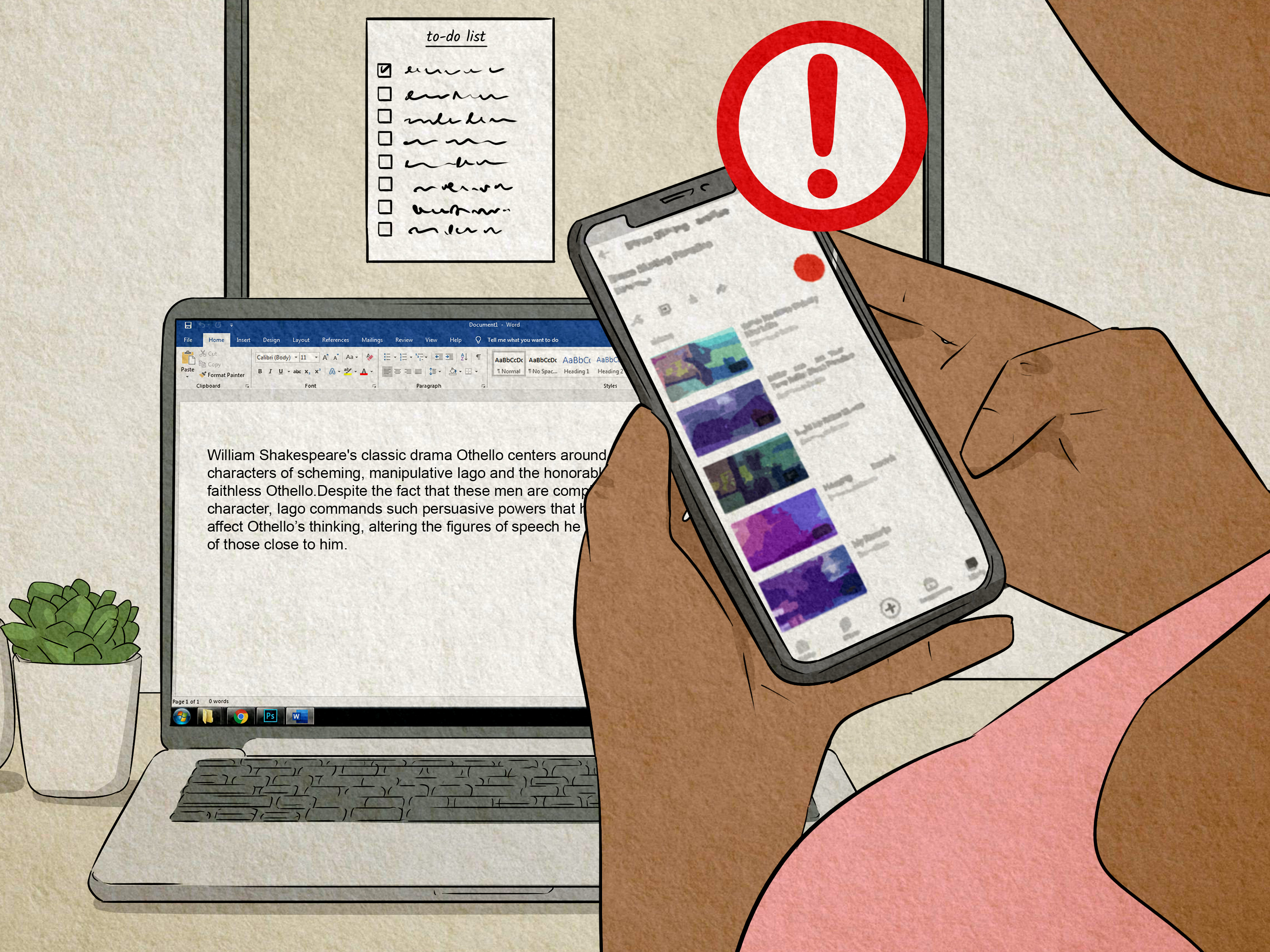
You open YouTube to watch one five-minute clip about fixing a leaky faucet. Forty-eight minutes later, you somehow know the entire history of Roman concrete, three ways to train a parrot, and why a stranger on the internet believes oat milk is a government plot. If that sounds familiar, welcome. You are not broken, lazy, or doomed to spend your life being emotionally blackmailed by autoplay.
Compulsive YouTube use can feel silly from the outside, but it can quietly steal time, sleep, attention, energy, and peace of mind. It can mess with homework, work deadlines, relationships, exercise, and that noble dream of becoming a person who goes to bed before midnight on purpose. The good news is that recovery is possible, and it does not require moving to a cabin with no Wi-Fi and a suspiciously judgmental squirrel.
This guide walks through how to break a YouTube addiction in a realistic, humane way. Not with dramatic “new year, new me” speeches. Not with fake productivity hacks. And definitely not with the fantasy that one heroic burst of willpower will solve everything forever. Real recovery works better when you understand the habit, remove the traps, replace the reward, and build a life that feels better than endless scrolling.
What “YouTube Addiction” Really Means
Let’s be precise. “YouTube addiction” is not usually a formal diagnosis by itself. In everyday life, people use the phrase to describe compulsive YouTube use or problematic video watching: a pattern where watching feels hard to control and starts causing real consequences. That might mean staying up too late, avoiding responsibilities, procrastinating on school or work, feeling anxious without the app, or using videos to numb stress every single day.
In other words, the problem is not that you enjoy YouTube. Plenty of people do. The problem begins when YouTube stops being a tool for entertainment or learning and starts acting like a time vacuum with recommendations. If your use is repeatedly crowding out sleep, relationships, mental health, focus, or daily responsibilities, it is time to treat the habit seriously.
Common signs your YouTube habit has crossed the line
- You watch longer than you planned almost every time.
- You reach for YouTube automatically when you feel bored, lonely, stressed, or overwhelmed.
- You stay up late watching videos and feel tired the next day.
- You procrastinate on school, work, chores, or exercise because “just one more” turns into a marathon.
- You feel irritable, restless, or weirdly empty when you try to stop.
- You use YouTube to avoid unpleasant feelings instead of dealing with them.
- You have tried to cut back before and slipped right back into the same pattern.
If you nodded at several of those, take a breath. Shame is not a strategy. Awareness is.
Why YouTube Is So Hard to Quit
YouTube is not “bad,” but it is very, very good at keeping your attention. The platform is built around low effort, constant novelty, emotional stimulation, and personalized recommendations. You do not have to decide much. The next thing is already waiting. That matters because habits grow stronger when the reward is immediate, easy, and unpredictable.
One moment you are learning how to bake salmon. The next moment you are watching a speedrun, a celebrity interview, and a documentary about abandoned malls. That randomness keeps your brain curious. It also keeps you chasing the next interesting thing. Add stress, loneliness, procrastination, or poor sleep, and suddenly YouTube becomes less of a pastime and more of an emotional escape hatch.
This is why brute-force self-criticism usually fails. The habit is not powered only by “lack of discipline.” It is powered by cues, routines, emotional triggers, and a reward loop. If you want to break the cycle, you have to change the system around the behavior.
Step 1: Identify Your Personal Triggers
Before you try to quit or cut back, spend three to seven days observing your pattern like a curious scientist, not an angry judge. Ask yourself:
- When do I watch the most? Late at night? During study breaks? First thing in the morning?
- What am I feeling right before I open YouTube? Boredom, stress, loneliness, fatigue, anxiety, frustration?
- What am I trying to avoid? Homework, a difficult email, cleaning, studying, uncertainty, silence?
- What do I get from it? Distraction, comfort, stimulation, company, background noise, procrastination relief?
You may discover that your “YouTube addiction” is actually a stress habit, a bedtime habit, or a boredom habit wearing a flashy thumbnail. That is useful, because once you know the trigger, you can build a smarter response.
Example: If you always binge at 11:30 p.m., the core issue may be fatigue and bedtime avoidance. If you binge before starting work, the issue may be anxiety about a difficult task. Different trigger, different fix.
Step 2: Make YouTube Harder to Access
If recovery depends on heroic willpower while your phone is sitting next to your pillow like a tiny glowing casino, your plan is underfunded. Recovery gets easier when the habit becomes inconvenient.
Practical ways to add friction
- Log out of YouTube on your phone, tablet, and laptop.
- Delete the app for at least two weeks, or move it off your home screen.
- Turn off notifications. All of them. Yes, even the “helpful” ones.
- Use app blockers during your danger zones, such as 10 p.m. to 7 a.m. or work hours.
- Disable autoplay and clear your watch history to weaken the recommendation loop.
- Use grayscale mode on your phone if bright visuals pull you in.
- Keep your phone out of the bedroom and use a real alarm clock.
This is not cheating. This is recovery design. People love to romanticize discipline, but changing your environment is one of the most effective ways to change behavior. Put less faith in your future mood and more faith in good setup.
Step 3: Do Not Just Remove the Habit. Replace It.
Here is where many people go wrong: they try to subtract YouTube without adding anything back. That leaves a giant hole where comfort, stimulation, and escape used to live. Guess what comes crawling back through the vents by day three? Exactly.
The most effective recovery plans include replacement behaviors. These should match the reason you watch, not just look impressive on paper.
If you use YouTube for stress relief, replace it with:
- A ten-minute walk outside
- Breathing exercises or a short guided meditation
- Stretching, yoga, or a quick bodyweight routine
- Journaling what is actually bothering you
If you use YouTube for boredom, replace it with:
- A short article, puzzle, or audiobook
- Drawing, music practice, or a hobby with your hands
- A “low-energy” list of things to do when your brain wants novelty
If you use YouTube to procrastinate, replace it with:
- A five-minute starter task
- The Pomodoro method: 25 minutes of work, 5 minutes of rest
- A body-double session where you study or work alongside someone else
Your replacement does not need to be perfect. It just needs to be available, realistic, and easier than falling into the old loop.
Step 4: Build a Recovery Routine for the Two Most Dangerous Times
For most people, compulsive YouTube use shows up in two places: the start of the day and the end of the day. If you can stabilize those windows, you often make huge progress fast.
Protect your mornings
Do not let YouTube be the first thing that colonizes your brain. If you start your day with an attention jackpot, normal tasks can feel painfully boring afterward. Instead, create a simple order:
- Wake up
- Use the bathroom
- Drink water
- Get dressed or wash your face
- Do one real-life task before touching entertainment media
That task could be making your bed, reviewing your schedule, walking outside, or eating breakfast without a screen. Tiny, boring wins matter. They teach your brain that the day can begin without a digital confetti cannon.
Protect your nights
Nighttime binge-watching is especially sticky because it combines fatigue, emotion, and fewer external consequences. Nobody is emailing you at 12:47 a.m. to say, “Please stop watching a video essay about the economics of theme parks and go to sleep.” You have to become your own annoying but wise manager.
Create a no-YouTube buffer 30 to 60 minutes before bed. Dim lights. Put your phone across the room. Read something paper-based, shower, stretch, or listen to calm audio that does not tempt you into “just one more.” The goal is not to become a Victorian poet. The goal is to make sleep easier than streaming.
Step 5: Use the “Delay, Decide, Do” Method
Urges are powerful, but they are not commands. When the craving to open YouTube hits, do not argue with it like you are in a courtroom drama. Use a three-step pattern:
- Delay: Wait 10 minutes before opening the app.
- Decide: Ask, “What do I actually need right now?”
- Do: Choose one small alternative first.
Sometimes the answer is rest. Sometimes it is a snack, a walk, a text to a friend, or a five-minute study warm-up. The point is to interrupt automatic behavior. That pause weakens the old loop and strengthens your ability to choose instead of drift.
And no, this does not need to feel magical. It just needs to work often enough to create a new pattern.
Step 6: Stop Believing in the “Dopamine Detox” Fairy Tale
A lot of online advice turns recovery into a sci-fi drama: reset your brain, eliminate all pleasure, become a monk, emerge with laser focus and perfect posture. Real life is less cinematic. You do not need to fear dopamine like it is a tiny villain in a lab coat. You need better habits, better boundaries, and better coping skills.
Instead of trying to ban every enjoyable activity, focus on these three things:
- Reduce cues that trigger binge-watching.
- Increase healthier rewards like movement, conversation, music, hobbies, and real rest.
- Practice repetition until the new routine feels more natural.
Recovery is less about punishing pleasure and more about rebalancing your attention.
Step 7: Expect Withdrawal-Like Feelings and Plan for Them
When you cut back, the first few days can feel weird. You may feel bored, restless, moody, or mentally itchy. That does not mean your plan is failing. It often means your brain is adjusting to less stimulation and fewer instant rewards.
This is where people panic and say, “See? I need YouTube to relax.” Not necessarily. Sometimes you just need to relearn how to tolerate ordinary life at ordinary speed. That skill is boring to market but excellent to have.
What helps during the adjustment period
- More sleep, not less
- Regular meals and hydration
- Exercise, especially if you feel keyed up
- Short periods of intentional boredom without grabbing your phone
- Human contact, even a quick call or walk with someone
Step 8: Create Rules That Are Specific Enough to Follow
“I’ll watch less YouTube” is a lovely sentiment and a terrible rule. Make your boundaries concrete. Good rules are measurable and boring.
Examples of better rules:
- I only watch YouTube on my laptop, never on my phone.
- I do not watch YouTube before noon on weekdays.
- I can watch for 30 minutes after dinner, with autoplay off.
- I do not watch in bed, ever.
- I use YouTube only when I searched for something specific, not by opening the homepage.
You can choose moderation or a temporary full break. Some people do better with strict limits. Others need a clean 14-day reset before reintroducing the platform carefully. Test what actually works for your brain, not what sounds most disciplined on social media.
Step 9: Tell Someone and Track Your Progress
Secrets feed compulsive habits. Accountability weakens them. Tell a friend, partner, therapist, coach, or family member what you are trying to change. You do not need a dramatic intervention. A simple message works: “I’m trying to cut down my YouTube use because it’s affecting my sleep and focus. Can you check in with me this week?”
Then track a few basics:
- Total time spent on YouTube
- How many nights you stayed off it before bed
- How often you used a replacement behavior
- How your mood, focus, and sleep changed
Progress is easier to continue when you can see it. Otherwise your brain will claim, with great confidence and zero evidence, that nothing is improving.
When to Get Professional Help
If your YouTube habit is harming your sleep, grades, work performance, relationships, or mental health, consider talking to a licensed mental health professional. This is especially important if compulsive video use is tied to anxiety, depression, ADHD, loneliness, trauma, or intense avoidance. Sometimes the platform is the obvious problem. Sometimes it is also a coping tool for a deeper issue that deserves care.
Therapy can help you identify triggers, build coping skills, improve routines, and reduce shame. Cognitive behavioral strategies are especially useful for compulsive habit loops because they focus on thoughts, cues, behaviors, and replacements. If you feel truly unable to control your use or your distress is severe, getting support is not overreacting. It is smart.
Conclusion: Recovery Is Less Dramatic Than You Think, and That Is Good News
If you want to break a YouTube addiction, do not wait for a perfect mood, a perfect Monday, or a perfect personality transplant. Start with one honest observation and one practical change. Remove the app. Turn off autoplay. Move your phone out of the bedroom. Delay the urge. Replace the habit. Protect your mornings and nights. Tell someone what you are doing. Repeat.
The real goal is not to become a machine with no cravings and no curiosity. The goal is to get your attention back. To sleep better. To think more clearly. To stop giving away your time in five-minute pieces that somehow cost half your life. YouTube may always be tempting. But it does not have to be in charge.
Experiences Related to Breaking a YouTube Addiction
The experience of recovery rarely looks dramatic from the outside. Most of the time, it looks like tiny choices repeated when nobody is clapping. One college student might realize that YouTube is not destroying their grades in one giant explosion. Instead, it is shaving ten minutes off every study block until nothing meaningful gets finished. At first, they blame motivation. Then they notice a pattern: every difficult assignment sends them straight to “just one short video.” Once they delete the app from their phone and study with the laptop browser blocked, the urge does not disappear, but the damage drops fast. The surprising part is not that life becomes exciting overnight. It is that ordinary work stops feeling impossible.
Another person may discover that nighttime is the real trap. They do fine all day, then open YouTube in bed to “wind down.” Two hours later, they are tired, wired, and deeply informed about a topic they did not care about at dinner. Their recovery begins with something laughably simple: a cheap alarm clock, a charger in the kitchen, and a rule that the bedroom is for sleep, not streaming. The first week feels annoyingly quiet. By the second week, they fall asleep faster. By the third, their mornings feel less miserable. It turns out the habit was not just stealing time. It was stealing recovery.
Some people have a more emotional experience. They use YouTube as background company because silence feels heavy. When they cut back, loneliness gets louder before it gets better. That can be uncomfortable, but it can also be clarifying. They start calling a friend during walks, joining a class, or spending time around people instead of only around content. In that case, breaking the habit is not only about screen limits. It is about rebuilding connection in real life.
There are also setbacks, of course. Many people slip during stressful weeks, after exams, during breakups, or when work piles up. A lapse can feel discouraging, but it is not proof that recovery failed. Often it simply exposes the next thing to fix: maybe the person needs a stronger bedtime routine, a better blocker, more support, or a replacement for stress that is not digital escape. Recovery tends to improve when people stop treating slips like moral failure and start treating them like information.
Over time, one of the biggest changes is subtle: boredom becomes survivable again. Waiting in line, sitting with a thought, taking a walk without constant stimulation, doing one task at a time; these start to feel normal instead of unbearable. That may sound small, but it is huge. When your brain no longer expects nonstop novelty, focus gets easier, sleep gets cleaner, and daily life feels less fractured. That is what many people are really after. Not just less YouTube, but more ownership over their own attention.