Note: This article is for general educational purposes and is based on reputable U.S. medical and nutrition guidance. People with kidney disease, heart failure, liver disease, pregnancy, breastfeeding needs, certain medications, or a medical fluid restriction should ask a healthcare professional for personal advice.
Water is the body’s original multitool. It helps regulate temperature, cushions joints, moves nutrients, supports digestion, keeps blood volume steady, and gives your kidneys the liquid “highway” they need to remove waste. In other words, water is not just something you remember to drink after your mouth feels like a desert wearing flip-flops. It is part of nearly every major body function.
So, how much water should you drink each day? The most honest answer is: enough to stay well hydrated, and the exact amount depends on your body, activity, weather, diet, and health. The famous “eight glasses a day” rule is easy to remember, but it is not a perfect law of biology. Your body is less like a vending machine and more like a weather app: the answer changes depending on conditions.
For many healthy adults, a useful benchmark is about 11.5 cups of total fluid per day for women and about 15.5 cups of total fluid per day for men. “Total fluid” includes water, other drinks, and water-rich foods. That does not mean everyone must drink 15 cups of plain water and then float gently through the day like a human aquarium. Food counts. Coffee and tea can count. Soup counts. Watermelon, oranges, cucumbers, yogurt, and many cooked foods also contribute.
The simple answer: daily water intake is personal
If you want a practical starting point, most healthy adults can begin with this approach:
- Women: Aim for about 9 cups of fluids from beverages daily, plus water from food.
- Men: Aim for about 13 cups of fluids from beverages daily, plus water from food.
- Active people, hot-weather workers, athletes, and people who sweat heavily: You may need more.
- People with certain health conditions or fluid restrictions: Ask a healthcare professional before increasing intake.
These numbers are not meant to make your day feel like a hydration math exam. They are a baseline. A smaller person who works indoors in cool weather may need less than a larger person who trains outside in August. A person eating lots of fruits, vegetables, soups, and smoothies may need fewer glasses of plain water than someone living mostly on dry snacks and salty takeout.
Does the “8 glasses of water a day” rule still work?
The “8×8 rule” means eight 8-ounce glasses of water per day, or 64 ounces total. It is simple, memorable, and not a bad habit for many people. But it is also too generic. Some people need more than that; others may do fine with less plain water because they get plenty of fluids from food and other beverages.
Think of eight glasses as a friendly reminder, not a hydration commandment carved into a cucumber. It can be a useful daily target if you often forget to drink, feel tired in the afternoon, get headaches after long stretches without fluids, or notice dark urine. But the better goal is not “hit eight glasses no matter what.” The better goal is to keep your body consistently hydrated without forcing excessive amounts.
What counts toward your daily fluid intake?
Plain water is the cleanest, cheapest, no-calorie choice. It is also the easiest option to sip throughout the day. But your total hydration can come from several sources.
1. Plain water
Still water, tap water, filtered water, bottled water, and unsweetened sparkling water all count. If plain water bores you into a dramatic stare at the ceiling, add lemon, lime, cucumber, mint, berries, or orange slices. Flavor does not need to arrive wearing a sugar cape.
2. Coffee and tea
Moderate coffee and tea can contribute to daily fluid intake. Caffeine may have a mild diuretic effect, especially in larger amounts, but regular coffee and tea drinkers usually still get hydration from these beverages. The catch is what comes with them. A black coffee is different from a giant dessert-style coffee drink with whipped cream and enough syrup to make your spoon nervous.
3. Milk and fortified beverages
Milk and unsweetened fortified beverages can provide fluid plus nutrients such as protein, calcium, and vitamin D, depending on the product. These can be useful parts of a balanced diet, especially for people who need more nutrient-dense drinks.
4. Fruits and vegetables
Many foods are surprisingly watery. Watermelon, strawberries, cantaloupe, oranges, lettuce, celery, cucumbers, tomatoes, zucchini, and soups can all help hydrate you. This is why people who eat plenty of produce may not need to chug as much plain water as someone eating mostly dry foods.
5. Sports drinks and electrolyte drinks
Sports drinks are not necessary for most everyday activities. For a casual walk, a short gym session, or a regular school or office day, water is usually enough. Electrolyte drinks may be useful during long workouts, heavy sweating, intense heat, endurance sports, illness with fluid loss, or when recommended by a clinician. Many sports drinks contain added sugar and sodium, so they are tools, not daily accessories.
How to know if you are drinking enough water
Your body gives clues. You do not need to carry a laboratory in your backpack. A few simple signs can help you adjust.
Check your urine color
For many people, pale yellow urine is a helpful sign of good hydration. Dark yellow or amber urine may mean you need more fluids, especially after exercise, hot weather, or a long stretch without drinking. Completely clear urine all day long may mean you are drinking more than your body needs.
One important note: vitamins, medications, certain foods, and supplements can change urine color. So urine color is useful, but it is not the only clue.
Watch for common signs of dehydration
Possible signs of dehydration include thirst, dry mouth, fatigue, dizziness, headache, fewer bathroom trips, dark urine, muscle cramps, and feeling unusually foggy or irritable. Mild dehydration can sneak up on you, especially when you are busy, traveling, exercising, or spending time in hot weather.
More serious symptoms, such as confusion, fainting, rapid heartbeat, inability to keep fluids down, very little urination, or severe weakness, deserve medical attention. Hydration is important, but serious dehydration is not a “just drink a little more and vibe” situation.
Factors that change how much water you need
No single daily water intake number works for everyone. Here are the biggest reasons your hydration needs may go up or down.
Body size and metabolism
Larger bodies usually need more fluid than smaller bodies. People with higher energy needs may also need more fluids because the body uses water in metabolism, temperature control, digestion, and circulation.
Physical activity
Exercise increases fluid loss through sweat and breathing. If you are doing light activity for a short time, water is usually enough. If you are exercising for a long period, training hard, or sweating heavily, drink before, during, and after activity. A practical approach is to sip steadily rather than waiting until thirst arrives with a marching band.
Weather and environment
Hot, humid weather increases sweating. Dry climates can increase fluid loss through breathing and skin. High altitude may also increase fluid needs. Indoor heating and air conditioning can make air dry, which may leave you feeling thirstier than expected.
Diet
Salty foods, high-protein meals, and low-produce diets may increase your need for fluids. On the other hand, a diet rich in fruits, vegetables, broths, smoothies, oatmeal, and yogurt provides more water from food. Your plate and your cup work together.
Illness
Fever, vomiting, diarrhea, and heavy sweating can raise fluid needs quickly. Oral rehydration solutions may be helpful when fluid and electrolytes are being lost, especially during stomach illness. Seek medical guidance if symptoms are severe, persistent, or involve children, older adults, or people with chronic health conditions.
Pregnancy and breastfeeding
Pregnancy and breastfeeding can increase fluid needs. Breastfeeding especially requires extra fluids because the body uses water to make milk. A simple habit is to drink a glass of water when nursing or pumping, while still following personal medical guidance.
Medications and health conditions
Some medications, including diuretics, can change fluid balance. Certain conditions, such as kidney disease, heart failure, liver disease, adrenal issues, and some endocrine disorders, may require careful fluid management. In these cases, “drink more water” is not always the right advice. Personalized guidance matters.
Can you drink too much water?
Yes. Although dehydration gets most of the attention, overhydration can also be dangerous. Drinking excessive amounts of water in a short period may dilute sodium in the blood, a condition called hyponatremia. This is more likely during endurance events, extreme water challenges, or situations where someone drinks far more than thirst and body needs suggest.
For everyday life, the solution is not to fear water. It is to avoid extremes. Sip throughout the day, drink more when you sweat, and do not force huge amounts just because an influencer with a gallon jug told you hydration is a personality trait.
Best times to drink water during the day
You do not need a complicated hydration schedule. Still, timing can help you build an easy routine.
Drink after waking up
You go several hours overnight without fluids. A glass of water in the morning can help you start the day hydrated. It also pairs nicely with breakfast and makes you feel like you have already made one responsible life choice before checking your phone.
Drink with meals
Having water with meals supports digestion and makes hydration automatic. Breakfast, lunch, and dinner can become built-in reminders.
Drink before and after exercise
Start activity already hydrated. After exercise, replace fluids lost through sweat. If your workout is long, hot, or intense, you may need fluids during activity too.
Drink when you feel snacky but not truly hungry
Thirst and hunger can sometimes feel similar. This does not mean you should replace meals with water. It simply means that if you are wandering into the kitchen five minutes after eating, a glass of water may help you figure out what your body is actually asking for.
Practical ways to drink more water without making it a full-time job
If you struggle to drink enough water, do not rely on motivation alone. Motivation is dramatic. Habits are quieter and more reliable.
Keep water visible
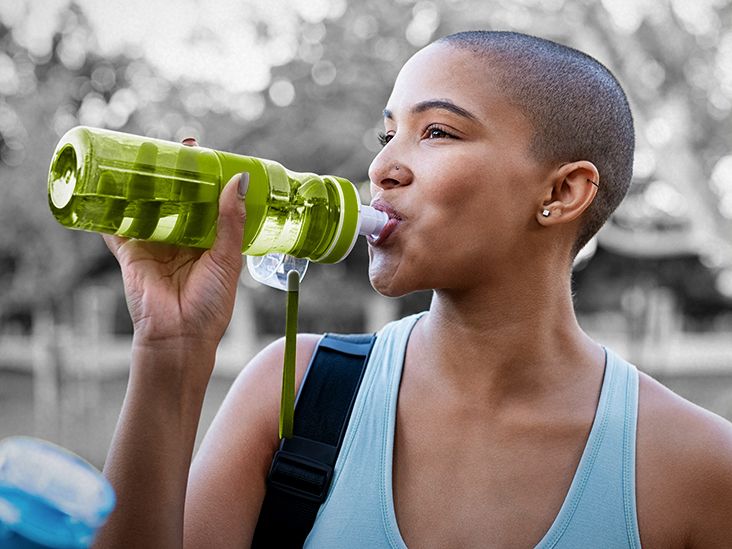
Put a water bottle on your desk, in your bag, near your bed, or beside your coffee maker. Water you can see is water you are more likely to drink.
Pair water with existing habits
Drink water after brushing your teeth, before meals, after bathroom breaks, when you sit down to study or work, and after exercise. Connecting hydration to routines is easier than remembering randomly.
Use flavor wisely
Add fruit, herbs, cucumber, or a splash of 100% juice to sparkling water. You do not need to turn water into a candy store. Just make it pleasant enough that you actually drink it.
Eat more water-rich foods
Hydration is not only in your glass. Add fruit to breakfast, salad to lunch, soup to dinner, or cucumber and tomatoes as snacks. Your body does not care whether water arrives by glass, bowl, or watermelon triangle.
Set a realistic goal
If you currently drink two cups of water daily, jumping to 13 cups tomorrow may feel ridiculous. Start by adding one or two extra cups per day, then adjust based on thirst, urine color, activity, and how you feel.
Common myths about drinking water
Myth 1: Everyone needs exactly eight glasses
Eight glasses can be a decent reminder, but it is not exact for every person. Daily water needs vary.
Myth 2: Clear urine is always the goal
Pale yellow is generally a better target. Constantly clear urine may mean you are drinking more than necessary.
Myth 3: Coffee dehydrates everyone
Moderate coffee and tea can contribute to hydration for many people. Just watch caffeine amount, added sugar, and how your body responds.
Myth 4: More water always means better health
Water is essential, but more is not always better. The right amount supports health; extreme intake can cause problems.
Myth 5: You only need water when you feel thirsty
Thirst is useful, but it is not perfect. Older adults, busy people, athletes, and people in hot environments may need to drink before strong thirst appears.
Real-life hydration experiences: what actually works
In real life, hydration is rarely about one perfect number. It is about noticing patterns. Many people discover they feel fine on relaxed weekends but get headaches on busy weekdays. The difference is not mysterious. On weekends, they sip coffee, eat fruit, have soup, and keep a drink nearby. On weekdays, they rush from task to task, drink one coffee, forget lunch, and then wonder why their brain feels like a browser with 47 tabs open.
One useful experience is the “desk bottle test.” Keep a bottle or large glass of water in the same visible place every day for a week. Do not pressure yourself to become a hydration champion. Just observe. Do you finish it by noon? Do you forget it exists? Do you only drink when your mouth feels dry? This small experiment tells you more than a generic rule ever could. If the bottle stays full all day, your problem is probably not knowledge; it is visibility and routine.
Another common experience happens during exercise. A person may drink almost no water before a workout, sweat heavily, then gulp a large amount afterward and feel bloated. A better pattern is to drink steadily earlier in the day, sip before exercise, and keep drinking modestly afterward. Hydration works best as a rhythm, not a rescue mission.
Travel teaches the same lesson. Long car rides, flights, school trips, and full-day errands often disrupt normal drinking habits. People avoid water because they do not want extra bathroom stops. Then they arrive tired, dry-mouthed, and cranky enough to argue with a sandwich. Planning helps: drink normally before leaving, carry a bottle, sip small amounts, and choose water with meals instead of relying only on soda or sweet drinks.
Hot weather is another hydration reality check. On a cool day indoors, you may feel great with a moderate intake. On a humid summer day, the same amount may not be enough. Sweat is your body’s cooling system, and it spends water to keep you from overheating. If your clothes are damp, your face is flushed, or your workout suddenly feels harder than usual, your fluid needs may be higher.
Food habits matter too. Someone eating oatmeal with berries, salad, oranges, yogurt, and soup may get plenty of water from meals. Someone eating chips, crackers, pizza, and salty takeout may feel thirstier. This does not mean you need a perfect diet to hydrate well. It means your meals send clues. If your food is salty and dry, your cup may need to work harder.
The most sustainable hydration experience is flexible. Drink water in the morning. Drink with meals. Sip during work or study. Bring water when exercising. Pay attention to urine color, thirst, energy, and bathroom frequency. Add more during heat, illness, travel, and heavy sweating. Ease up if you are forcing water and running to the bathroom every few minutes. Your body is not asking for perfection. It is asking for steady support.
Conclusion: how much water should you drink each day?
For most healthy adults, a smart daily target is about 11.5 cups of total fluid for women and 15.5 cups for men, including fluids from drinks and food. In practical beverage terms, many women may aim for around 9 cups of fluids from drinks, while many men may aim for around 13 cups from drinks, then adjust based on activity, weather, diet, and health.
The best hydration plan is not extreme. It is consistent. Drink water regularly, use thirst and urine color as clues, eat water-rich foods, and increase fluids when you sweat or spend time in heat. If you have a medical condition, take medications that affect fluid balance, or have been told to limit fluids, get personalized guidance. Water is simple, but your body is wonderfully specific.