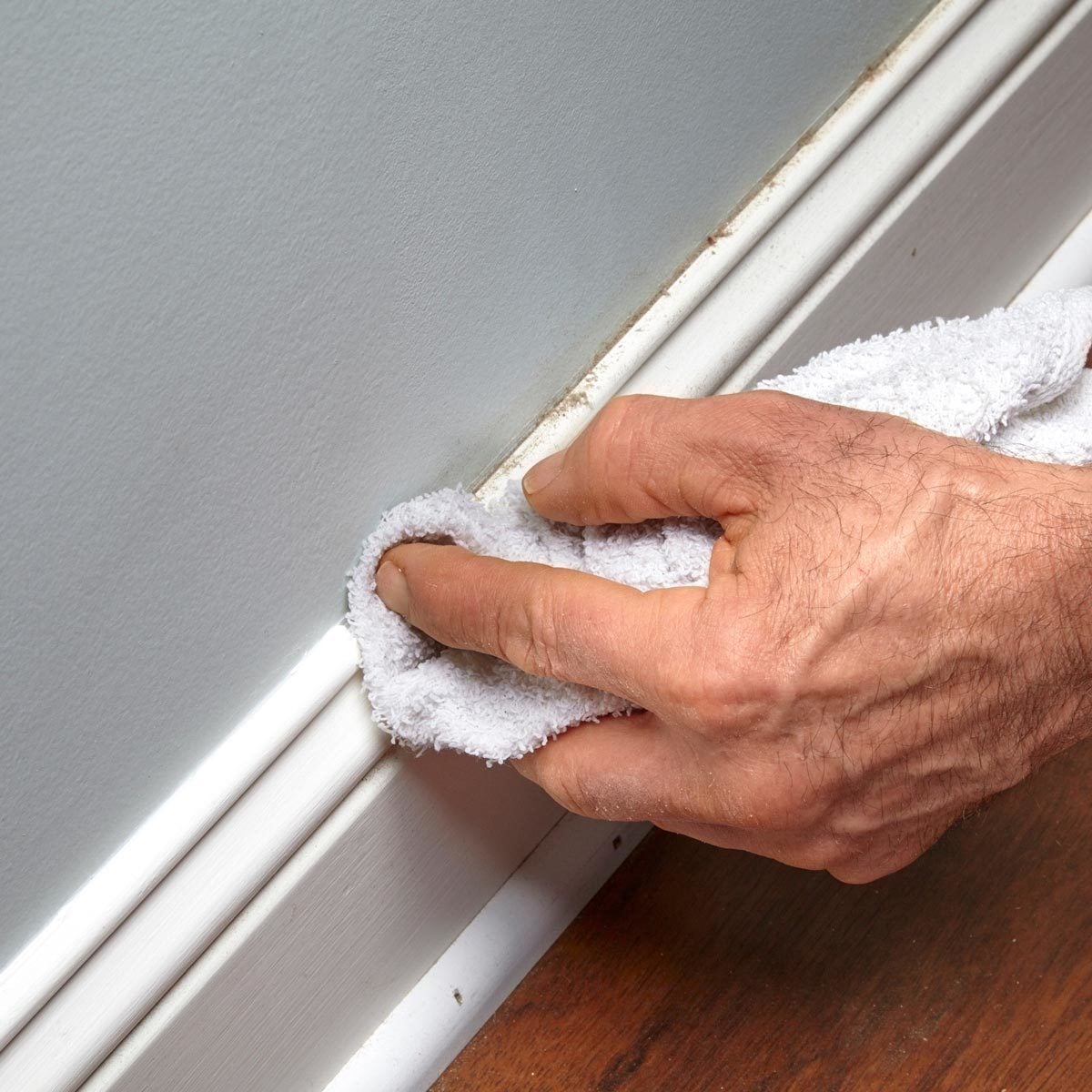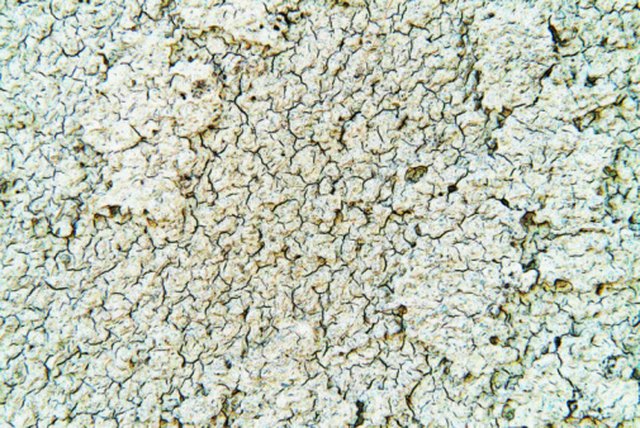
You discover a suspicious fuzzy patch behind the washing machine. You lean closer, poke it with a paper towel, and suddenly wonder whether you have just launched a microscopic fungal parade through the house. So, how long does it take for mold spores to become airborne?
Mold spores can become airborne immediatelywithin secondswhen an existing mold colony is disturbed. They may also be released naturally as the colony matures, especially when the surface dries, air moves across it, or nearby activity creates vibrations. The frequently quoted 24-to-48-hour period does not describe how long spores need to enter the air. It refers to the critical window for drying water-damaged materials before substantial mold growth becomes likely.
In other words, mold does not sit politely on the wall for two days waiting for permission to fly. If spores already exist, a fan, vacuum, brush, footstep, demolition tool, or enthusiastic attempt at scrubbing can send them into the surrounding air almost instantly.
The Quick Answer: Airborne Release Can Be Immediate
Mold reproduces by making tiny spores. These spores function somewhat like plant seeds, although they are far smaller and much better at sneaking into places where nobody invited them. Mold spores are commonly present in outdoor and indoor air, even in clean buildings. They enter through doors, windows, ventilation systems, clothing, shoes, bags, and pets.
When mold is actively growing on drywall, carpet, wood, insulation, ceiling tiles, or other materials, spores may collect on the surface of the colony. Once mature, they can be released by:
- Touching, brushing, cutting, or scraping the material
- Removing moldy drywall, carpet, boxes, or furniture
- Using a conventional vacuum without proper HEPA filtration
- Pointing a fan toward the contaminated area
- Running an HVAC system near exposed mold growth
- Walking across moldy carpet or moving water-damaged belongings
- Allowing the colony and surrounding material to dry and become dusty
Release caused by these activities can happen in seconds. No incubation period is required because the spores have already formed. Disturbance simply separates them from the colony and places them into moving air.
Why People Confuse Airborne Spores With the 24-to-48-Hour Rule
The confusion usually begins after a leak, flood, overflowing bathtub, or plumbing failure. Public-health and environmental agencies consistently recommend drying wet materials within approximately 24 to 48 hours because rapid drying can prevent or substantially limit mold growth. Studies of water-damaged building materials have also found that growth can begin when susceptible materials remain wet for roughly 48 to 72 hours, although the exact timing varies.
This guideline is about mold germination and growth, not immediate spore movement. There are three separate stages to understand.
Stage 1: Spores Arrive
Airborne mold spores are already present in most environments. They settle on walls, furniture, dust, floors, fabric, and building materials every day. A spore landing on a dry, clean surface usually does not create a growing colony.
Stage 2: Moisture Allows Growth
When a spore lands on a damp material containing usable nutrients, it may germinate. Paper-faced drywall, cardboard, wood, dust, wallpaper adhesive, carpet backing, and fabrics can all support growth under favorable conditions. Temperature, humidity, species, airflow, nutrient availability, and the material’s moisture content affect how quickly this happens.
Stage 3: A Mature Colony Produces More Spores
After germination, mold develops branching structures and eventually produces new spores. That process may take several days or longer, depending on conditions. Once the colony begins producing mature spores, airflow or physical contact may release them immediately.
Therefore, a room can contain airborne mold spores before visible mold appears. Visible growth simply signals that moisture has allowed some of those ordinary background spores to establish a colony.
How Long Do Mold Spores Stay Airborne?
There is no universal stopwatch for airborne mold spores. Some particles settle relatively quickly onto floors and furniture, while smaller spores or fragments may remain suspended much longer when air continues to circulate. Even spores that settle can be stirred up again by walking, vacuuming, moving furniture, opening doors, or operating fans.
The amount of time spores remain suspended depends on several factors:
- Particle size: Smaller spores and fragments generally settle more slowly.
- Air movement: Fans, HVAC equipment, open windows, and human activity can keep particles circulating.
- Room layout: Enclosed spaces with poor filtration may retain particles differently from well-ventilated rooms.
- Humidity: Moisture can influence both mold growth and the physical behavior of particles.
- Filtration: Properly selected and maintained filters can capture some airborne particles.
- Ongoing contamination: An active colony may continue releasing additional spores, making the original release time almost irrelevant.
This is why leaving the room untouched for a few hours does not necessarily “clear” a mold problem. Settling is not the same as removal. Spores may simply land on another surface and wait for the next breeze, much like uninvited guests who have moved from the living room to the kitchen.
What Makes Mold Spores Spread Faster?
Fans and Air Movers
Fans are useful for drying a clean, recently wet area, but they can spread contamination when visible mold is already present. A fan aimed directly at moldy drywall can push spores into hallways, adjacent rooms, furniture, and ventilation returns.
Before using high-powered fans, inspect the area for established growth. After a major flood or when mold is clearly visible, drying and remediation may require containment rather than simply turning the room into a wind tunnel.
Improper Vacuuming
A standard household vacuum may capture larger debris while allowing smaller particles to pass through or leak around the filter. It can also disturb a dry colony and increase the concentration of airborne material near the operator.
HEPA-filtered equipment is commonly used during professional remediation because it is designed to capture very small particles. However, owning a vacuum with “HEPA” printed on the box does not magically make an uncontrolled demolition project safe. The machine should be properly sealed, maintained, and used as part of a sensible cleanup plan.
Demolition and Renovation
Cutting open a moldy wall can release spores, fungal fragments, insulation fibers, and ordinary construction dust. Hidden contamination may be more extensive than the small stain visible on the room side of the drywall.
Whenever wall cavities, flooring systems, ceilings, or HVAC components are involved, the likelihood of spreading contamination increases. Containment, negative pressure, protective equipment, and careful debris handling may be necessary.
HVAC Operation
An HVAC system can transport particles when contamination exists inside ductwork, near a return vent, in an air handler, or around wet insulation. It can also move spores from an open remediation area into clean rooms.
Finding a small amount of ordinary household mold near a window does not automatically mean the entire duct system is contaminated. However, visible growth inside HVAC components, recurring musty odors when the system operates, or water damage around the equipment deserves professional evaluation.
Can Airborne Mold Spores Make You Sick?
Health responses vary widely. Many people encounter ordinary levels of mold spores without noticeable symptoms. Others may experience nasal congestion, coughing, wheezing, throat irritation, eye irritation, or skin reactions. People with asthma or mold allergies may react more strongly. Individuals with weakened immune systems or certain chronic lung conditions can face additional risks and should avoid mold cleanup areas.
Research has linked damp indoor environments with respiratory symptoms, asthma aggravation, coughing, wheezing, allergic rhinitis, and other health complaints. However, there is no single airborne spore count that reliably predicts whether a particular person will become ill. Exposure involves a complicated mixture of spores, fragments, allergens, bacteria, dust, chemicals, and moisture-related contaminantsnot one cartoon villain wearing a name tag that says “toxic mold.”
Seek medical advice when symptoms are severe, persistent, or associated with breathing difficulty. People with significant immune suppression should obtain individualized medical guidance before entering or cleaning a mold-damaged area.
What to Do After Discovering Mold
1. Stop the Moisture Source
Repair leaking pipes, roof defects, foundation seepage, appliance leaks, or condensation problems. Mold cleanup without moisture correction is temporary decorating. The colony may return, often with the confidence of a sequel nobody requested.
2. Avoid Unnecessary Disturbance
Do not dry-brush, sand, scrape, or aggressively vacuum the area before planning the cleanup. Avoid pointing fans toward visible mold. Keep children, pets, and sensitive individuals away from the work zone.
3. Evaluate the Size and Location
EPA guidance indicates that many homeowners can handle a moldy area smaller than about 10 square feet, provided the contamination is uncomplicated and the person can work safely. Larger areas, repeated growth, sewage-contaminated water, extensive flooding, hidden wall-cavity damage, or HVAC contamination often justify professional help.
4. Wear Appropriate Protection
For a limited household cleanup, common protective measures include an N95 respirator, gloves, and goggles without ventilation holes. Clothing should cover exposed skin and be washed separately after the work.
An N95 helps filter particles but does not protect against every chemical vapor or hazardous material. Older buildings may also contain asbestos or lead-based paint, so tearing into questionable materials can create risks unrelated to mold.
5. Remove Materials That Cannot Be Cleaned
Nonporous surfaces can often be cleaned with water and detergent and then dried completely. Porous materials such as heavily contaminated drywall, insulation, ceiling tiles, carpet padding, and pressed-wood products may need removal because growth can penetrate below the visible surface.
Bag contaminated debris before carrying it through clean areas. Avoid shaking, dropping, or dragging moldy materials across the home.
6. Clean Rather Than Merely Kill
Dead mold can still contain irritating or allergenic material. Spraying a chemical and leaving the residue in place is not complete remediation. Physical removal of contamination, followed by thorough drying, is essential.
Never mix bleach with ammonia, acids, or other cleaning products. Such mixtures can create dangerous gases. Follow product labels, provide ventilation, and remember that more chemical does not automatically mean more cleanliness.
7. Use Filtration Thoughtfully
A portable air cleaner with an appropriately sized HEPA filter may reduce some airborne particles, but it cannot repair a leak or remove mold embedded in a wall. Filtration is a supporting measure, not a substitute for source removal.
Do You Need an Air Test?
Routine mold air testing is usually unnecessary when visible mold, water damage, or a musty odor already identifies the problem. Federal agencies have not established a universal health-based limit for indoor airborne mold spores, and short sampling periods may not represent typical exposure.
Spore counts can change with weather, season, open windows, cleaning activity, and the exact time and location of sampling. A report containing impressive-looking numbers may therefore create more questions than answers.
Testing can be useful in specialized situations when it is planned and interpreted by a qualified professional. For an ordinary household problem, money is often better spent locating the moisture source, fixing it, removing damaged material, and verifying that the area stays dry.
How to Prevent Future Airborne Mold Problems
- Dry wet materials within 24 to 48 hours whenever possible.
- Keep indoor humidity near or below 50 percent when practical.
- Use bathroom and kitchen exhaust fans that vent outdoors.
- Vent clothes dryers to the exterior.
- Repair plumbing and roof leaks promptly.
- Inspect basements, crawl spaces, attics, and areas behind appliances.
- Prevent condensation on windows, pipes, and exterior walls.
- Replace filters according to HVAC manufacturer instructions.
- Avoid storing cardboard directly on damp basement floors.
- Investigate recurring musty odors rather than masking them with fragrance.
Experience-Based Lessons From Common Mold Scenarios
The following composite scenarios reflect common household and remediation experiences. They are illustrative examples rather than claims about one specific property.
Experience 1: The Bathroom Fan Mistake
A homeowner noticed a dark patch on the ceiling above a shower. Assuming faster drying would solve everything, he pointed a portable fan directly at the area and left it running with the bathroom door open. The ceiling dried, but dust and particles traveled into the hallway and nearby bedroom. The stain returned because the real problem was not shower steam alone; the bathroom exhaust duct had separated in the attic and was releasing humid air above the ceiling.
The lesson was that airflow is helpful only when it supports a controlled drying plan. Once mold growth is visible, blowing air across the colony may spread spores immediately. Fixing the disconnected duct, removing affected ceiling material under controlled conditions, and keeping bathroom humidity lower solved the problem more effectively than the fan.
Experience 2: The “Tiny” Washing Machine Leak
Another household discovered a slow leak behind a washing machine. The visible floor looked dry, so the owners assumed no damage had occurred. Several weeks later, a musty odor appeared whenever the laundry-room door was closed. When the machine was moved, mold was visible along the baseboard and paper surface of the drywall.
The leak had repeatedly dampened the wall while the front surface appeared normal. Moving the appliance disturbed dry material and released dust almost immediately. Instead of scrubbing the wall in place, the owners stopped the leak, isolated the room, removed damaged porous material, cleaned the remaining hard surfaces, and used a dehumidifier after contaminated material had been taken out.
This case demonstrates why the 24-to-48-hour guideline matters. The spores did not need two days to become airborne; they were probably present in the home already. Repeated moisture gave them the opportunity to grow behind the appliance, where the colony remained hidden until odor and staining became obvious.
Experience 3: The Basement Box Avalanche
After a season of heavy rain, a family found several moldy cardboard boxes in a basement corner. They carried the boxes upstairs one at a time, opening them in the living room to inspect the contents. Every movement flexed the cardboard and disturbed dusty growth. By the end of the project, the basement was emptier, but the cleanup route passed through several clean rooms.
A better approach would have been to reduce traffic, wear appropriate protection, seal contaminated boxes or contents before transport, and move them through the shortest available path to the exterior. Salvageable nonporous items could then be cleaned in a controlled area.
The key experience was simple: mold spores spread during handling, not at some mysterious future deadline. Planning how contaminated objects will be wrapped, moved, cleaned, or discarded can matter as much as the cleaning solution selected.
Experience 4: When Professional Help Saved Money
In a final scenario, a homeowner repeatedly cleaned a five-foot stain on a basement wall. It returned after every major storm. A professional inspection eventually found water entering through a foundation crack and moisture trapped behind finished paneling. The visible patch was only the front row of a much larger audience.
Professional containment and removal cost more than another bottle of cleaner, but it ended the cycle of repainting, deodorizing, and guessing. The foundation defect was repaired, damaged materials were removed, and indoor humidity was controlled. Sometimes the least expensive solution is the one that addresses the building problem once instead of cleaning the same symptom six times.
Conclusion
So, how long does it take for mold spores to become airborne? If a mature mold colony already exists, spores can enter the air immediately when the surface is touched, brushed, vacuumed, cut, shaken, or exposed to moving air. Some colonies also release spores naturally as they mature.
The 24-to-48-hour rule describes the opportunity to dry wet materials before mold growth becomes established. It is not a safety period during which existing mold spores remain attached to the wall.
The most effective response is to control moisture, avoid spreading contamination, remove moldy materials safely, clean remaining surfaces, and keep the area dry. Mold may be biologically complicated, but its housing requirements are refreshingly predictable: moisture, food, and time. Take away the moisture, and you have served the eviction notice.
This article synthesizes guidance and research from the U.S. Environmental Protection Agency, Centers for Disease Control and Prevention, National Institute for Occupational Safety and Health, Occupational Safety and Health Administration, National Institute of Environmental Health Sciences, Federal Emergency Management Agency, National Academies resources, New York State Department of Health, Washington State Department of Health, Wisconsin Department of Health Services, Penn State Extension, University of Minnesota Extension, and peer-reviewed indoor-environment research.