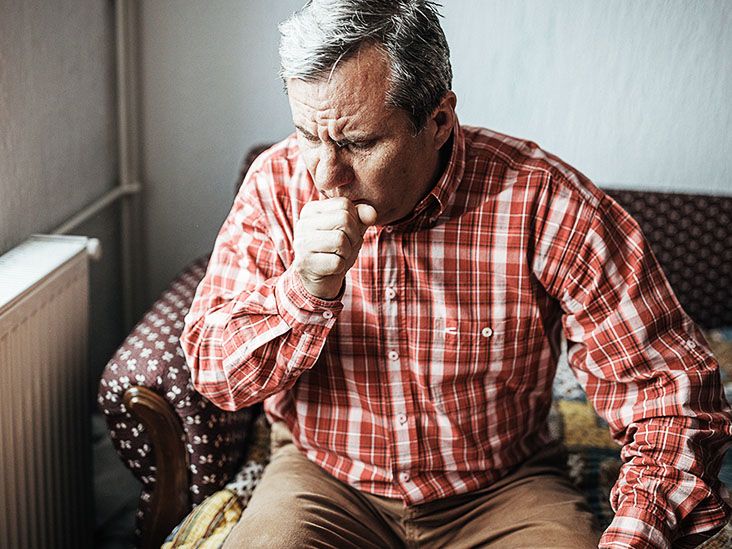
If COPD had a calling card, it would probably be a cough that overstays its welcome. Not every cough means chronic obstructive pulmonary disease, of course, but coughing is one of the most common ways COPD introduces itself. Sometimes it arrives as a nagging morning hack. Sometimes it shows up with mucus. Sometimes it gets louder, thicker, and more annoying during a flare-up, like a houseguest who suddenly starts rearranging the furniture.
So how are COPD and cough related? Very closely. COPD changes the airways and lung tissue in ways that make coughing more likely, more frequent, and more productive. In many people, especially those with chronic bronchitis, cough is not just a side effect of COPD. It is part of the disease itself.
This article breaks down why COPD causes cough, what different types of cough can mean, when a changing cough may signal trouble, and how treatment can help. Along the way, we will keep the medical facts serious and the tone human, because breathing problems are hard enough without reading something that sounds like it was written by a disappointed robot.
The short answer: why cough happens in COPD
COPD is an umbrella term most often used for two overlapping conditions: chronic bronchitis and emphysema. Both can reduce airflow, but they do it a little differently.
In chronic bronchitis, the airways stay inflamed and make too much mucus. That extra mucus irritates the lungs and triggers coughing as the body tries to clear the air passages. In emphysema, the air sacs in the lungs are damaged, which makes breathing harder and can also contribute to cough, though mucus-heavy coughing is usually more strongly linked to chronic bronchitis.
That is why many people with COPD describe a cough that sticks around for months or years. It is not just “a smoker’s cough” or “one of those things.” It is often a sign that the lungs are dealing with chronic irritation, airway narrowing, and mucus buildup.
Why COPD causes coughing in the first place
A cough is a reflex. Your body uses it to clear irritants, mucus, and debris from the airways. In COPD, that reflex gets called into action more often because the lungs are under constant stress.
1. The airways are inflamed
COPD causes ongoing inflammation in the bronchial tubes. Inflamed airways are more sensitive, which means they are more likely to react to smoke, pollution, cold air, dust, perfume, cleaning chemicals, and respiratory infections. In plain English, the lungs become easier to annoy.
2. There is often too much mucus
Many people with COPD, especially those with chronic bronchitis, produce more mucus than normal. That mucus can sit in the airways and make breathing feel heavy or rattly. Coughing becomes the body’s cleanup crew. Unfortunately, when the cleanup crew is overworked, it starts showing up at all hours.
3. The airways get narrower
Airflow limitation is a core feature of COPD. Narrower airways make it harder to move air in and out efficiently, and they also make it harder to clear secretions. The result can be a cough that feels unproductive, repetitive, or exhausting.
4. The lungs are more vulnerable to infection
People with COPD are more likely to have respiratory infections, and infections can sharply worsen cough, mucus production, wheezing, and shortness of breath. A cough that suddenly changes in intensity, color of mucus, or frequency may be the first sign that a flare-up is starting.
What kind of cough is common in COPD?
There is no single “official” COPD cough sound, but several patterns are common.
Chronic daily cough
This is the classic version. It may be present most days, especially in the morning. Some people barely notice how constant it has become until someone else points it out. That is one of the sneaky things about COPD: symptoms can build gradually enough to feel normal when they are not.
Cough with mucus
A productive cough is common in chronic bronchitis. The mucus may be clear, white, yellowish, or thicker during infections or exacerbations. More mucus than usual, or mucus that changes color, can be a clue that something is brewing.
Dry or irritating cough
Not every person with COPD coughs up mucus all the time. Some people have a dry, hacking cough, especially if the airways are irritated by cold air, smoke, exercise, or recent illness.
Cough that gets worse during a flare-up
During a COPD exacerbation, cough often becomes more frequent, harsher, and more tiring. Mucus may increase, become thicker, or change color. Shortness of breath usually tags along, because apparently coughing alone was not dramatic enough.
COPD, chronic bronchitis, and the famous “smoker’s cough”
Many people hear the phrase “smoker’s cough” and shrug it off as annoying but harmless. That is a mistake. A long-lasting cough in a current or former smoker can be a warning sign of chronic bronchitis or COPD.
Chronic bronchitis is typically defined by a long-term productive cough that happens for at least three months in a year for at least two consecutive years. That does not mean every person with that pattern has COPD, but it absolutely means the lungs deserve attention, not excuses.
The “smoker’s cough” label can actually delay diagnosis because it makes a medical symptom sound casual. A cough that keeps coming back, especially with mucus, wheezing, frequent bronchitis, or breathlessness, is worth discussing with a healthcare professional.
When a cough may mean COPD is getting worse
One of the most important things to understand is that a change in cough can matter just as much as the cough itself. People living with COPD often get used to their everyday baseline symptoms. The real red flag is when the pattern shifts.
Watch for these warning signs
- You are coughing more than usual.
- You are bringing up more mucus than usual.
- The mucus becomes thicker, darker, or changes color.
- You are more short of breath, even with normal activity or at rest.
- You are wheezing more, needing rescue medication more often, or feeling unusually tired.
- You have fever, cold symptoms, chest tightness, or trouble sleeping because of breathing problems.
These changes can happen during a COPD flare-up, also called an exacerbation. Exacerbations are often triggered by infections or exposure to irritants. They matter because repeated flare-ups can lead to more hospital visits, slower recovery, and worse lung function over time.
Know the emergency signs
Seek urgent medical help if breathing becomes hard enough that talking is difficult, if lips or fingernails turn blue or gray, if you seem confused or less alert, or if your usual medicines are not helping. A cough is one thing. A cough plus signs of low oxygen is a whole different level of concern.
When a cough is not “just COPD”
Here is where things get interesting: even if someone already has COPD, not every cough is caused by COPD alone. Other conditions can pile on or mimic it, including:
- Acute bronchitis or pneumonia
- COVID-19, influenza, RSV, or other viral infections
- Asthma or asthma-COPD overlap
- Acid reflux
- Postnasal drip from allergies or sinus problems
- Medication side effects
- Lung cancer or other serious lung disease
That matters because a person may assume, “This is my normal COPD cough,” when the body is actually waving a bigger flag. If the cough is new, suddenly worse, bloody, associated with fever, unexplained weight loss, severe fatigue, or chest pain, it should not be brushed aside.
How doctors figure out whether cough is related to COPD
A diagnosis of COPD is not made by cough alone. Plenty of conditions can cause chronic cough. The key test is usually spirometry, a breathing test that measures how much air you can blow out and how fast you can do it. It helps show whether airflow obstruction is present.
Healthcare professionals also look at the bigger picture:
- Symptoms such as chronic cough, mucus, wheezing, and shortness of breath
- Smoking history or exposure to dust, fumes, biomass smoke, or air pollution
- Frequency of respiratory infections or flare-ups
- Physical exam findings
- Sometimes imaging, oxygen checks, or additional lung tests
The main point is simple: if someone has an ongoing cough and risk factors for COPD, a breathing test is worth considering. Guessing is not a diagnostic strategy. That is just anxiety wearing a lab coat.
How COPD treatment can help cough
There is no cure for COPD, but treatment can reduce symptoms, lower the risk of flare-ups, and improve daily life. That includes helping with cough.
Bronchodilators
These medicines relax the muscles around the airways, making breathing easier. They can also reduce coughing related to tight, narrowed airways. Some are used as quick-relief inhalers, while others are taken daily for longer control.
Inhaled medications for inflammation
Some people benefit from inhaled corticosteroids or combination inhalers, particularly when COPD is more severe or flare-ups are frequent. These medicines are not right for everyone, but when they are appropriate, they may reduce exacerbations that worsen cough.
Treatment for infections and flare-ups
If a bacterial infection is suspected, antibiotics may be used. Short courses of oral steroids are also common during exacerbations. The goal is to calm the inflammation, open the airways, and keep a bad week from turning into a hospital stay.
Smoking cessation
If there is one intervention that deserves bold letters, a spotlight, and dramatic theme music, this is it. Quitting smoking is one of the most important steps a person can take to reduce ongoing lung damage and improve COPD outcomes. Even after diagnosis, quitting still matters.
Pulmonary rehabilitation
Pulmonary rehab combines exercise training, education, breathing strategies, and support. It does not magically erase COPD, but it can improve quality of life, reduce symptoms, and help people function better. For many patients, it is one of the most underused good ideas in respiratory care.
Vaccinations and prevention
Because infections often worsen cough and breathing, staying up to date on recommended vaccines matters. Avoiding smoke, fumes, and respiratory illness exposure also helps keep the lungs from being repeatedly provoked into rebellion.
Practical ways to live with a COPD-related cough
Daily life with COPD cough is not only about prescriptions. Small, steady habits can make a real difference.
Learn your baseline
Know what your usual cough sounds and feels like. How much mucus is normal for you? When is it worst? What triggers it? That way, a flare-up is easier to spot early.
Use inhalers correctly
Technique matters. An inhaler only helps if the medicine reaches the lungs rather than decorating the mouth and throat. Review your technique regularly with a clinician or pharmacist.
Stay hydrated
For some people, good hydration helps keep mucus from becoming too thick. This is not a miracle cure, but it can help make secretions easier to clear.
Avoid irritants
Smoke, vaping aerosols, dust, strong fragrances, and cleaning fumes can all make coughing worse. Your lungs are not being picky. They are filing a complaint.
Follow an action plan
Many people with COPD benefit from a written action plan that spells out what to do when symptoms worsen. Knowing when to increase monitoring, call the doctor, or seek emergency care can reduce panic and speed treatment.
So, how are COPD and cough related?
They are related at nearly every level. COPD can cause cough because the airways are inflamed, mucus production is increased, airflow is limited, and infections happen more easily. In some people, cough is an early clue. In others, it becomes a daily symptom that affects sleep, energy, exercise, work, and peace of mind.
Most importantly, the pattern of cough matters. A cough that is persistent, productive, or changing should not be ignored, especially when it comes with shortness of breath, wheezing, frequent chest infections, or a history of smoking or lung irritant exposure.
COPD may be chronic, but “just live with it” is not a treatment plan. With the right diagnosis, medications, rehab, prevention, and monitoring, many people can reduce cough burden and gain better control of their daily lives.
Experiences related to “How are COPD and cough related?”
The experiences below are representative examples based on common real-world COPD patterns. They are included to add practical context and are not meant to replace medical advice or describe a single identified patient.
Many people first notice the COPD-cough connection long before they ever hear the letters C-O-P-D in a clinic. A common story goes like this: the cough starts as “nothing serious,” maybe a morning routine that seems tied to smoking, weather, or getting older. At first, it is easy to laugh it off. Then the cough stays. Then mucus joins the party. Then walking up stairs suddenly feels like negotiating with gravity.
One typical experience is the morning cough ritual. People describe waking up congested, coughing repeatedly to clear mucus, and needing several minutes before breathing feels settled. They often say the rest of the day is more manageable once that mucus clears, which is one reason chronic bronchitis can be overlooked. If the worst part happens before breakfast, some people decide it “doesn’t count.” It counts.
Another common experience is the seasonal slide. During cold weather, allergy season, or cold and flu season, the cough becomes more intense. A person may notice thicker mucus, a chest that feels heavier, and a sharper wheeze. Sometimes they need their rescue inhaler more often. Sometimes they are suddenly too tired to do routine errands. This is where people often realize their cough is not random. It tracks with airway irritation and lung stress.
People also talk about the social side of coughing, and it is not trivial. Chronic coughing can be embarrassing in quiet rooms, meetings, church services, classrooms, or public transportation. Some people feel self-conscious at restaurants. Others avoid phone calls because they do not want to stop every few sentences to cough. The physical symptom becomes an emotional burden, too.
Then there is the flare-up experience. Many patients say they can tell when a regular COPD cough has crossed into something different. The mucus changes. The cough becomes more exhausting. Breathing feels tighter, sleep gets worse, and simple tasks suddenly seem like marathon events. People often describe a sense that “something is off” before the numbers or formal diagnosis catch up. That instinct can be important, because early treatment of a flare-up may prevent a more serious decline.
Former smokers frequently describe another emotional layer: regret. They may say they dismissed the cough for years because everyone around them called it normal. Later, after diagnosis, the same cough takes on a different meaning. It becomes evidence that the lungs were sending warnings long before they were truly heard.
On the hopeful side, many people also report that the cough becomes more manageable once treatment is tailored correctly. After quitting smoking, learning inhaler technique, starting pulmonary rehab, treating reflux or sinus issues, or following a flare-up plan, some find that coughing becomes less intense or less disruptive. It may not vanish, but it stops running the schedule.
That may be the most useful takeaway from real experiences: COPD-related cough is common, tiring, and sometimes underestimated, but it is not meaningless noise. It carries information. It can signal inflammation, mucus overload, infection, poor control, or improving stability. When people learn to read those patterns, they often feel more confident, less frightened, and better prepared to protect their lungs.
Conclusion
COPD and cough are tightly linked because COPD changes the airways in ways that promote inflammation, excess mucus, and persistent airway irritation. For some people, cough is the earliest clue; for others, it is the symptom that most clearly signals a flare-up. Either way, a chronic or changing cough deserves attention. Better diagnosis, better treatment, and better self-management can make this symptom far less powerful than it feels at first.