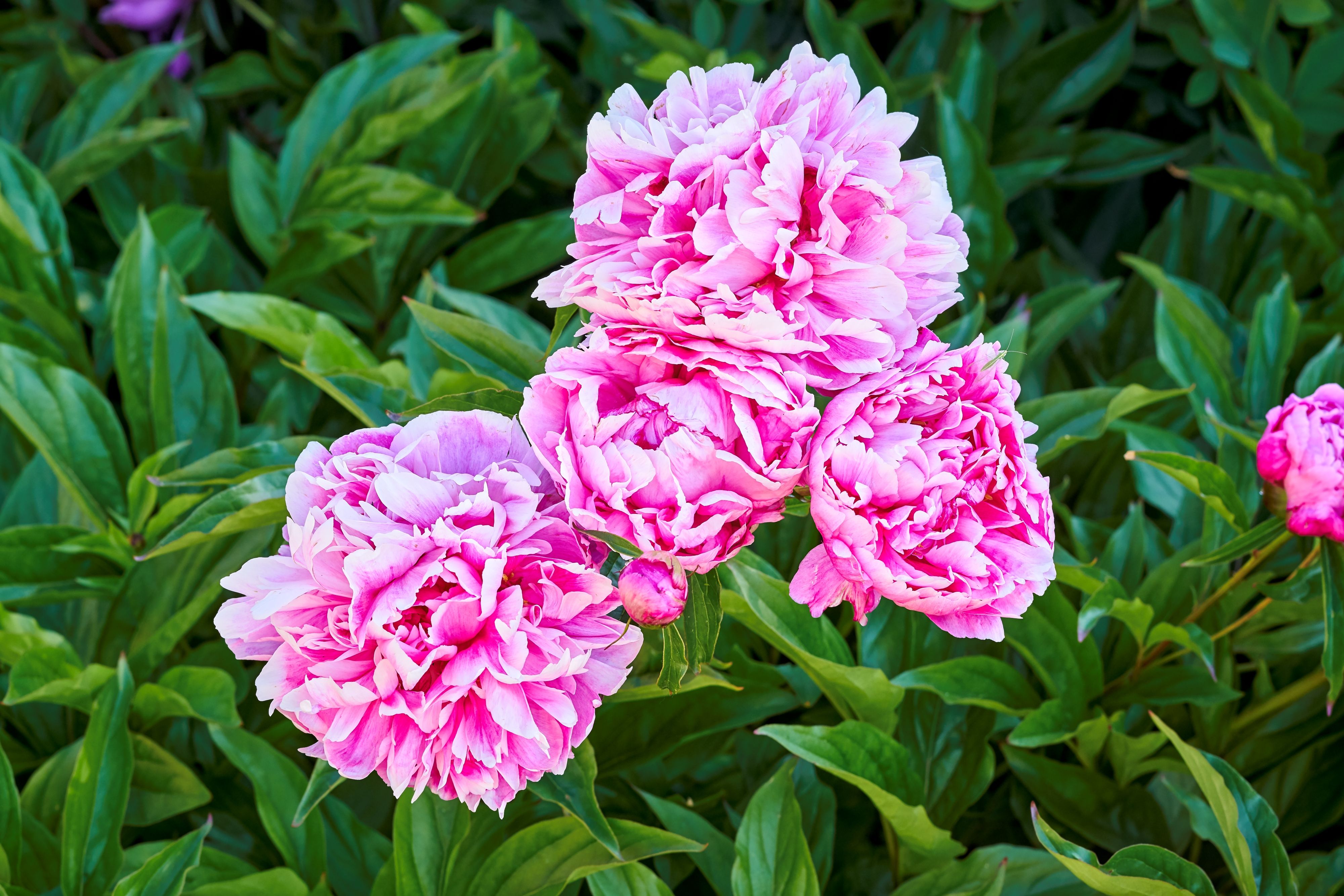
Peonies are the kind of flowers that make people stop mid-sentence and say, “Wait, what is that?” Big blooms, rich color, sweet fragrance, old-garden charm, and enough drama to make a tulip feel underdressed. The good news is that learning how and when to plant peonies is not complicated. The slightly annoying news is that peonies have opinions. They like sun. They like drainage. They like being planted at the right depth. And they do not appreciate being buried like pirate treasure.
If you get the basics right, peonies can reward you for decades with lush spring flowers and handsome foliage. In fact, many gardeners think of them as a once-and-done perennial: plant them well, give them a smart start, and then sit back while they become the fancy relatives of your flower bed. This guide covers the best time to plant peonies, where to put them, how deep to plant them, how to avoid common mistakes, and what to expect after planting. Whether you are starting with bare roots from a nursery or dividing a pass-along plant from a neighbor, this peony planting guide will help you set up a truly gorgeous spring show.
Why Peonies Are Worth the Fuss
Before we dig holes and make dirt-based decisions, let’s answer one fair question: why plant peonies at all? Because few perennials give you this much payoff. A mature peony plant can produce giant, romantic blooms in shades of white, blush, rose, coral, red, and deep burgundy. Some are scented like heaven’s perfume counter. Many live for years with minimal care. And once established, they often become the star of late spring and early summer borders.
Most home gardeners grow herbaceous peonies, which die back in winter and return each spring. Intersectional peonies, sometimes called Itoh peonies, combine traits of herbaceous and tree peonies, offering sturdy stems and abundant flowers. Tree peonies are a little different, especially when it comes to planting depth, so it helps to know what you bought before you start digging like a highly motivated mole.
When to Plant Peonies
The Best Time to Plant Peonies
The best time to plant peonies is fall, especially for bare-root plants. This gives the roots time to settle in while the soil is still workable and cool weather helps reduce transplant stress. By the time spring arrives, the plant is already in place and ready to focus on growth rather than recovery. For many gardeners, that means planting from late September through October, though timing varies a bit by region and when the ground freezes.
Fall is also the best season for dividing and transplanting established peonies. If you are moving a mature clump or sharing divisions from a family garden, early fall is usually the sweet spot. The plant is entering dormancy, the top growth is winding down, and the roots have a chance to establish before winter fully settles in.
Can You Plant Peonies in Spring?
Yes, you can plant peonies in spring, especially if that is when you find container-grown plants at a garden center or receive bare roots that need to go in the ground. But spring planting is usually the runner-up, not the champion. Peonies planted in spring may establish more slowly and can take longer to bloom well. If spring is your only option, do not panic. Just plant as early as the soil can be worked, keep watering consistent during establishment, and lower your expectations a touch for the first season. Peonies are patient plants, and they sometimes expect you to be patient too.
What About Warm Climates?
Peonies are easiest in regions with cold winters. In warmer parts of the South, they can be more challenging because many varieties need winter chill to perform well. Gardeners in warm climates should choose cultivars known to handle milder winters better, give plants morning sun with some relief from the hottest afternoon blast, and pay close attention to drainage. If you live where winter feels more like a polite suggestion than an actual season, peonies may still grow, but they can be less reliable bloomers.
Where to Plant Peonies
Sunlight Matters More Than Peonies’ Feelings
If you want a gorgeous spring show, plant peonies in full sun. That generally means at least six hours of direct sunlight a day, and often closer to six to eight hours is ideal. A little light shade may be tolerated, especially in hotter regions, but too much shade can mean lush leaves and disappointing flowers. In other words, a leafy peony that refuses to bloom is often not being mysterious. It is being underlit.
Soil and Drainage
Peonies like well-drained soil. If water sits around the crown, roots can rot and the plant may fail before it even gets started. That is why low spots, soggy beds, or places where water lingers after rain are poor choices. Amending the soil with compost can improve texture and organic matter, but don’t turn a swamp into a wish and call it landscaping. If drainage is bad, consider planting in a raised bed or improving the site before planting.
A fertile loam is ideal, but peonies are not divas about perfection. They mostly want soil that is reasonably rich, loose enough for roots to expand, and not waterlogged. Because these plants can stay put for years, it is worth preparing the site well before planting. Think of it like setting up a long-term lease for roots.
Air Circulation and Space
Good air circulation helps reduce fungal issues, especially botrytis blight. Avoid packing peonies tightly against shrubs, fences, or other dense plantings. Give them room to breathe and room to mature. Most standard herbaceous peonies appreciate enough space to reach full size without elbowing neighboring plants in the face. Peonies also dislike competition from tree roots, so avoid planting too close to large trees or thirsty shrubs.
How to Plant Peonies Step by Step
Step 1: Start With a Healthy Root
If you are planting bare-root peonies, look for divisions that feel firm and healthy, not mushy or rotted. A strong division usually has several visible pink or reddish buds, often called eyes. Those eyes are the future shoots, and they are the stars of the planting-depth conversation.
Step 2: Dig a Generous Hole
Dig a hole wide enough to spread the roots comfortably without cramming, bending, or forcing them into a dirt pretzel. Loosen the soil below and around the planting area. If your soil is poor, mix in compost or other organic matter to improve structure. You want roots to settle into a loose, welcoming environment, not compacted earth that feels like parking-lot filler.
Step 3: Plant at the Correct Depth
This is the big one. For herbaceous and intersectional peonies, place the eyes so they sit only about 1 to 2 inches below the soil surface. That is shallow. Deliberately shallow. Temptingly, dangerously shallow. Many new gardeners assume deeper planting is safer. For peonies, deeper planting is one of the fastest routes to beautiful foliage and little or no bloom.
If you are planting a tree peony, the rules are different. Grafted tree peonies are usually planted deeper so the graft sits below the soil line. Always follow the specific instructions that came with that plant type. The common “1 to 2 inches deep” guidance is mainly for herbaceous and intersectional peonies.
Step 4: Orient the Buds Upward
Place the root so the eyes face up. This sounds obvious until you are holding a strange root mass that looks like a botanical riddle. Take a moment, locate the buds, and set them upward. Then spread the roots outward and gently backfill with soil.
Step 5: Water Well After Planting
Water thoroughly after planting to settle the soil around the roots. During the first year, especially in dry spells, keep the soil evenly moist but not soggy. Established peonies are fairly resilient, but newly planted ones are still trying to get their life together underground.
Step 6: Mulch Carefully
A light mulch can help moderate winter conditions in colder regions, especially for newly planted peonies. But avoid piling mulch directly over the crown in a thick mound that effectively buries the plant deeper. In spring, keep mulch pulled back from the stems and crown area. Peonies like protection, not suffocation.
How to Care for Peonies After Planting
Watering and Feeding
During establishment, water when the top few inches of soil begin to dry. Once established, peonies generally do not need constant babying. They prefer steady but not excessive moisture. Fertilize lightly if needed, but don’t overdo nitrogen. Too much nitrogen can encourage lots of leafy growth at the expense of flowers, which is basically the horticultural version of showing up to a party in a fantastic coat and forgetting the actual gift.
Support for Heavy Blooms
Some peony varieties, especially those with huge double blooms, may need support. Rain can turn giant blossoms into drooping pom-poms in a matter of hours. Peony rings or discreet supports placed early in the season help stems stay upright. It is much easier to support a plant before it flops than after it has already committed to a dramatic collapse.
Deadheading and Fall Cleanup
Remove spent blooms to keep the plant tidy, but leave healthy foliage in place through the growing season because it helps feed next year’s flowers. In fall, once foliage dies back, cut herbaceous peonies down and remove the debris. This is especially important for disease prevention. Clean fall sanitation helps reduce overwintering fungal problems, including botrytis.
Common Peony Planting Mistakes
Planting Too Deep
This is the number one mistake and the one most likely to steal your spring flower show. If your peony has healthy foliage but few blooms, depth is one of the first things to check.
Choosing a Wet Site
Wet feet are not charming on peonies. Poor drainage can lead to root problems, weak growth, and long-term disappointment.
Too Much Shade
Peonies can survive in less-than-ideal light, but survival is not the same as performance. For the best blooms, give them sun.
Expecting Instant Perfection
Freshly planted peonies may not put on their best floral performance immediately. Some bloom lightly in the first year, some take longer, and divisions often need a couple of seasons to settle in. This is normal. A peony is not ghosting you. It is investing in roots.
How Long Until Peonies Bloom Well?
Once established, peonies are wonderfully long-lived plants, but they are not usually instant-gratification flowers. A newly planted bare-root peony may produce little or no bloom the first spring after planting, especially if planted in spring or divided recently. By the second and third years, performance typically improves. That is why smart planting matters so much. You are not just planting for next spring. You are planting for many springs.
If you want a longer display, mix varieties with early, midseason, and late bloom times. Each individual plant blooms for a relatively short window, but a thoughtful combination can extend the peony season in your garden. This is the floral version of not eating all the good snacks in one sitting. Pace yourself and enjoy the show longer.
Experience Matters: What Gardeners Learn After Planting Peonies
There is the official advice about planting peonies, and then there is the lived experience of actually growing them through weather swings, weird seasons, and the occasional overconfident gardening decision. The first lesson many gardeners learn is that peonies reward restraint. At planting time, it is easy to overdo everything: dig deeper, add more fertilizer, pile on more mulch, water more often. Peonies gently but firmly teach you that “more” is not always “better.” Better is better. Right depth is better. Good drainage is better. A sunny location is better. Calm, measured care is better. Gardening would be so much easier if plants appreciated enthusiasm as much as they appreciate proper crown placement.
Another common experience is realizing how much peonies are about timing. Gardeners who plant in fall often feel almost smug by the next spring because the plants emerge with purpose, as if they know exactly what the assignment is. Spring-planted peonies, by contrast, may look like they are still reading the email. They are not failures; they are just slower to settle in. That difference teaches patience, which is a lovely character trait to gain from a flower, even if it is not as immediately satisfying as a giant pink bloom the size of a salad plate.
Peonies also teach observation. You notice that the plant near the driveway blooms earlier because it gets reflected heat. You notice that the one under the neighbor’s growing maple gets fewer flowers every year because what used to be “a little shade” has become “a leafy conspiracy.” You notice that one especially rainy week can flatten unsupported blooms, while a ring support placed early makes you look suspiciously competent. Over time, you stop treating peonies like generic perennials and start understanding them as individual plants responding to real conditions in your yard.
Then there is the emotional side. Peonies are classic pass-along plants. Many gardeners plant divisions from a grandmother’s border, a neighbor’s old farmhouse bed, or a friend who swears this particular variety is “the best one, trust me.” A peony planting can carry memory in a way that a flat of annuals rarely does. Years later, when the plant blooms reliably every spring, it feels like more than landscaping. It feels like continuity. The flowers come back, and suddenly the garden has a little family history tucked into it.
Gardeners also learn not to panic over every little peony quirk. Ants on the buds? Usually harmless. No flowers the first year? Not shocking. A little flop after heavy rain? Annoying, but common. The plant is sturdier than it looks. Once established in the right place, a peony often settles into a long, dependable rhythm. And that may be the most satisfying lesson of all. In a garden full of things that demand constant trimming, deadheading, dividing, spraying, rescuing, and pleading, peonies can become the wonderfully reliable stars that mostly ask for one favor at the beginning: plant them properly. Do that, and they tend to repay you with a spring show so glamorous it borders on rude to every other flower nearby.
Final Thoughts
If you want a stunning peony display in spring, success starts months earlier with smart planting. Choose a sunny site, make sure the soil drains well, plant in fall when possible, and keep the eyes of herbaceous and intersectional peonies only 1 to 2 inches below the surface. Avoid the classic mistakes of deep planting, soggy soil, and excessive shade. Then give the plant a little time. Peonies are not rushed performers, but once they settle in, they can put on the kind of floral show that makes your whole yard feel expensive.
In other words, when it comes to how and when to plant peonies, the formula is simple: right season, right site, right depth, and just enough patience to let them become fabulous.