If your kitchen has ever been defeated by a single puddle near the sink, let’s have a moment of silence for the paper towel that died trying. This is where the honeycomb weave dishcloth earns its little domestic crown. It is not flashy. It does not beep. It will not connect to Wi-Fi. But it can do something far more useful: soak up water, dry quickly, scrub gently, and keep showing up for duty like the reliable friend who never “forgets” moving day.
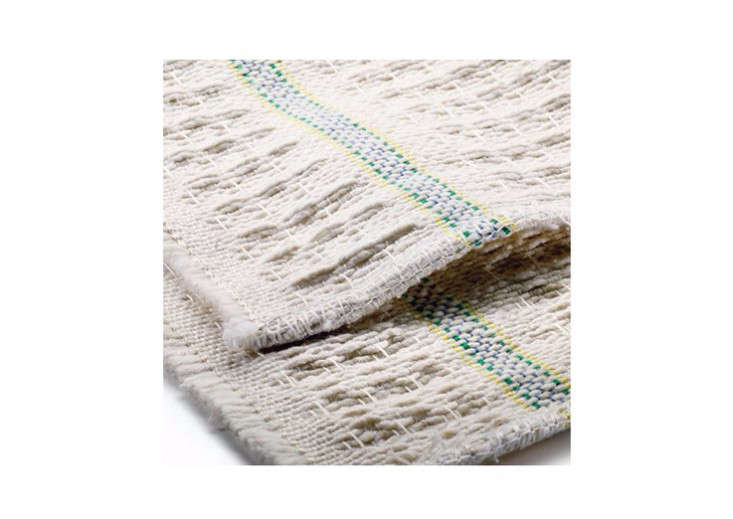
A honeycomb weave dishcloth is loved for its textured structure, which creates small pockets across the fabric. Those tiny recessed cells help the cloth grab moisture, trap bits of mess more effectively than a flat fabric, and release water faster than a heavy, soggy rag that seems emotionally attached to your sink. In other words, it is practical, hardworking, and refreshingly low-drama.
For home cooks, busy families, apartment dwellers, and anyone who has ever muttered, “Why is this towel still wet?”, this style of dishcloth is a smart upgrade. It often lands in the sweet spot between a smooth flour sack towel and a plush terry cloth: more texture than the first, less bulk than the second, and usually quicker to dry than both when made well.
What Is a Honeycomb Weave Dishcloth?
A honeycomb weave dishcloth is a kitchen cloth made with a raised-and-recessed pattern that resembles little cells or waffles across the surface. Some brands call it a waffle weave dishcloth, while others use the term honeycomb dish towel. In everyday use, the idea is the same: the textured weave increases surface interest and helps the cloth handle moisture more efficiently than a plain flat weave.
Most honeycomb weave dishcloths are made from cotton, though you will also find cotton-linen blends and occasional microfiber versions. Cotton remains the most popular choice because it is soft, breathable, absorbent, and comfortable to use on everything from ceramic plates to glassware. It also tends to get friendlier with washing. A brand-new cloth may feel a little crisp at first, but after a few trips through the laundry, it usually softens into that “Ah yes, now we are colleagues” stage.
Why the Honeycomb Weave Works So Well
1. The textured surface grabs water fast
The biggest selling point of a honeycomb weave dishcloth is absorbency. The small pockets in the weave create more texture across the surface, which helps the cloth pull in moisture instead of just sliding it around like an underqualified intern. That makes it useful for drying dishes, wiping counters, blotting produce, and catching drips around the sink.
2. It dries faster than bulkier cloths
Because honeycomb cloths are usually lighter than thick terry towels, they tend to dry faster between tasks. That matters in real kitchens, where a damp cloth can go from “helpful” to “questionable” with alarming speed. A quicker-drying dishcloth is simply easier to keep fresh, especially if you hang it open after each use instead of leaving it in a crumpled puddle like a tiny textile tragedy.
3. It offers gentle scrubbing without being abrasive
The raised texture gives you a mild scrubbing effect, which is handy for dried water spots, light food residue, or wiping down the stovetop after dinner. It is textured enough to be useful but generally soft enough for everyday cookware, plates, and many delicate surfaces. That makes the honeycomb weave dishcloth a practical all-rounder for people who want one cloth to do many jobs reasonably well.
4. It usually sheds less bulk and feels lighter in hand
No one wants to dry a wine glass and leave behind a snowstorm of fuzz. While performance varies by brand and fiber quality, many well-made honeycomb cloths strike a nice balance between absorbency and low bulk. They feel easy to wring out, easy to fold, and easy to keep within reach. In a small kitchen, that matters more than people admit.
Best Materials for a Honeycomb Weave Dishcloth
100% Cotton
If you want the classic option, go with 100% cotton dishcloths. They are typically the safest bet for absorbency, softness, and general kitchen versatility. Cotton also handles frequent washing well, which is important because a dishcloth is not a decorative pillow. It is going to work for a living.
Cotton-Linen Blend
A cotton-linen dishcloth can be a nice pick if you want something crisp, breathable, and often quicker to air-dry. Linen can feel a bit stiffer at first, but many people like the more tailored texture and the polished look. These blends can be especially appealing if your kitchen leans minimalist, farmhouse, or “I alphabetize spices for fun.”
Microfiber Versions
You will also see microfiber waffle cloths on the market. They can be effective for cleaning and drying, but if your goal is a natural-fiber kitchen essential, cotton remains the more traditional choice. Many shoppers also prefer cotton for handling dishes, produce, and food-adjacent tasks because it feels more classic and breathable in daily use.
How to Use a Honeycomb Weave Dishcloth in the Kitchen
The beauty of this weave is flexibility. A good honeycomb weave dishcloth can move through your kitchen like a multitasking overachiever.
Drying dishes and glassware
The absorbent texture makes it especially useful for everyday dish drying. It can handle plates, bowls, mugs, and flatware without feeling too bulky. Many people also like it for glassware because the cloth is easier to maneuver around stems, rims, and awkward corners than a thick towel.
Wiping counters and tables
For quick countertop wipe-downs after meal prep, the textured pattern helps pick up moisture and crumbs efficiently. Keep one cloth for general surface wiping and another reserved for cleaner jobs like drying dishes. Your kitchen will be happier, and so will your future self.
Handling sink-side spills
Water around the sink, drips under a dish rack, condensation from produce, random coffee splash, mysterious ring from a mason jar you definitely meant to move soonerthis is where the honeycomb weave shines. It is built for those small daily messes that somehow happen 47 times before lunch.
Light-duty cleaning
For gentle cleaning, a honeycomb weave dishcloth works well with warm water and a little dish soap. It can wipe cabinet fronts, clean the kitchen table, or freshen appliance handles without feeling scratchy or overly thick.
How to Choose the Best Honeycomb Weave Dishcloth
Look for strong cotton content
If absorbency matters most, prioritize a high-quality cotton cloth. Marketing words are cute, but fiber content matters more. “Ultra-luxury performance hydration matrix” sounds impressive until the cloth pushes water around like a bored lifeguard.
Check the weave depth
Not all honeycomb textures are created equal. A slightly deeper, more defined pattern often gives you better grip and a more useful drying texture. If the weave is too flat, it may behave more like an ordinary towel with good branding.
Pay attention to size
A smaller cloth is convenient for quick cleanup and hand use, while a larger one works better for drying a full sink of dishes. If you cook often, it helps to keep both sizes on hand. A compact cloth can live near the sink, and a larger honeycomb towel can handle the serious post-dinner shift.
Look at the edges and seams
Quality stitching matters. A dishcloth gets washed, wrung out, hung up, dragged across counters, and occasionally used with more enthusiasm than grace. Neat hems and sturdy seams help it survive that life with dignity.
Expect some shrinkage
Natural fibers can shrink a bit, especially after the first wash. That is not a flaw; that is fabric being fabric. Wash before first use so you know exactly how the cloth behaves, and skip the dramatic betrayal speech.
Honeycomb Weave Dishcloth vs. Other Kitchen Cloths
Vs. Terry cloth
Terry cloth dish towels are plush and very absorbent, but they can feel heavier, take longer to dry, and sometimes seem too bulky for delicate glassware. Honeycomb weave dishcloths are usually lighter and easier to wring out.
Vs. Flour sack towels
Flour sack towels are thin, smooth, and great for lint-sensitive jobs. They are excellent for proofing dough, covering food, and polishing glass. A honeycomb weave dishcloth offers more texture and a bit more scrubbing ability, which makes it stronger for all-purpose sink work.
Vs. Sponge
A sponge is useful for certain cleaning tasks, but many people prefer dishcloths because they are easier to launder regularly. A honeycomb weave dishcloth gives you the reusable convenience of cloth with a bit of texture, without the “Why does this smell like regret?” issue that sponges sometimes develop.
How to Wash and Care for a Honeycomb Weave Dishcloth
If you want your kitchen dishcloth to stay fresh, absorbent, and ready for action, care matters almost as much as construction.
Wash it often
Dishcloths do messy work in wet environments, so frequent washing is not optional if hygiene matters to you. A good rule is to rotate cloths regularly and replace them with a fresh, dry one often. If one touches raw meat juices or a particularly gnarly mess, it should go straight to the laundry, not back onto the oven handle for a second act.
Let it dry completely between uses
Hang your honeycomb weave dishcloth open so air can reach both sides. Do not ball it up near the sink or toss it into the bottom of a damp basin where it can marinate in mystery moisture. That is how odors and mildew earn an invitation.
Skip heavy fabric softener
Fabric softener can leave residue that reduces absorbency over time. Ironically, the cloth may feel softer while becoming less useful. That is a very on-brand tradeoff for modern life, but still one worth avoiding.
Dry thoroughly
Whether you line-dry or machine-dry, the goal is simple: dry it all the way. A half-dry dishcloth is not “basically dry.” It is damp with confidence.
Common Mistakes to Avoid
- Using one dishcloth for every task in the kitchen, from drying glasses to wiping up raw chicken splatter. That is not multitasking. That is chaos.
- Leaving the cloth wet in the sink or draped over a faucet where air cannot circulate well.
- Expecting a brand-new cotton cloth to feel perfect before the first wash.
- Buying purely by color and ignoring fiber content, weave quality, and stitching.
- Keeping tired, smelly cloths in rotation out of loyalty. Some relationships are seasonal.
Why a Honeycomb Weave Dishcloth Is Worth It
The best kitchen tools are often the least glamorous ones. A honeycomb weave dishcloth is one of those humble essentials that quietly improves daily life. It helps dry dishes faster, handles spills well, feels lighter than bulky towels, and usually dries faster than thick cloth alternatives. It is practical, reusable, easy to store, and widely available in styles that actually look good hanging in your kitchen.
If your current setup involves one exhausted rag and several passive-aggressive paper towels, this upgrade may feel surprisingly satisfying. Sometimes better kitchens are not built with expensive gadgets. Sometimes they start with a really good cloth.
Everyday Experience With a Honeycomb Weave Dishcloth
Living with a honeycomb weave dishcloth tends to change the rhythm of everyday kitchen cleanup in small but noticeable ways. At first, it may just seem like another pretty towel with texture. Then a week goes by, and you realize you have reached for it constantly. It dries your coffee mug in the morning, wipes the counter after lunch, catches a drip under the soap dispenser, and somehow still does not feel like a swamp by dinner. That is the charm of it. The cloth is useful in a very unshowy, deeply satisfying way.
One of the most common experiences people notice is how manageable the cloth feels in the hand. A thick towel can bunch up, drag, or feel awkward when you are trying to dry narrow glasses or wipe around faucet bases. A honeycomb weave dishcloth is usually lighter and more flexible. It folds neatly, wraps around cups easily, and does not feel like you are wrestling a tiny bath towel next to the sink. In smaller kitchens, that lighter feel matters a lot because everything has to earn its space.
Another everyday difference is the drying time. Many people are used to standard dish rags that stay damp long after the job is done. A honeycomb weave cloth, especially a cotton one with a clearly defined texture, often feels fresher because it can air-dry more quickly when hung properly. That means it is less likely to greet you with a musty smell the next time you grab it. There is something oddly luxurious about a kitchen cloth that does not feel suspicious by noon.
There is also a visual side to the experience. Honeycomb weave dishcloths tend to look tidy even when they are hardworking. The texture gives them a clean, structured appearance, so they can hang over the sink or oven handle without making the kitchen look like a laundry checkpoint. For people who care about both function and appearance, that balance is part of the appeal. The cloth works hard, but it still looks like it belongs in an organized kitchen instead of a cleanup emergency zone.
Over time, users also notice the softening effect of repeated washing. A new cloth may start out feeling a little crisp or structured, but after several cycles, it often becomes more pliable and comfortable without losing the useful texture that makes it effective. That gradual improvement gives the dishcloth a broken-in quality that many people genuinely enjoy. It starts as a product and becomes part of the kitchen routine.
Perhaps the most relatable experience, though, is this: once people switch to a good honeycomb weave dishcloth, they rarely want to go back to those limp, tired cloths that smear water around and never seem fully clean. The textured weave feels more capable. Cleanup gets a little easier. Drying dishes becomes a little faster. And the cloth itself feels less like an afterthought and more like a tool that actually deserves its place by the sink. Not bad for a square of fabric with a work ethic.
Conclusion
A honeycomb weave dishcloth is a simple upgrade that punches above its weight. Its textured structure helps with absorbency, airflow, and gentle scrubbing, while cotton versions offer softness, durability, and reliable everyday performance. Whether you are drying dishes, wiping counters, or just trying to keep your kitchen from becoming a slip-and-slide, this style of cloth brings practical value without demanding much in return. Wash it well, dry it fully, keep a few in rotation, and it will reward you with the kind of everyday usefulness that makes a kitchen run smoother.