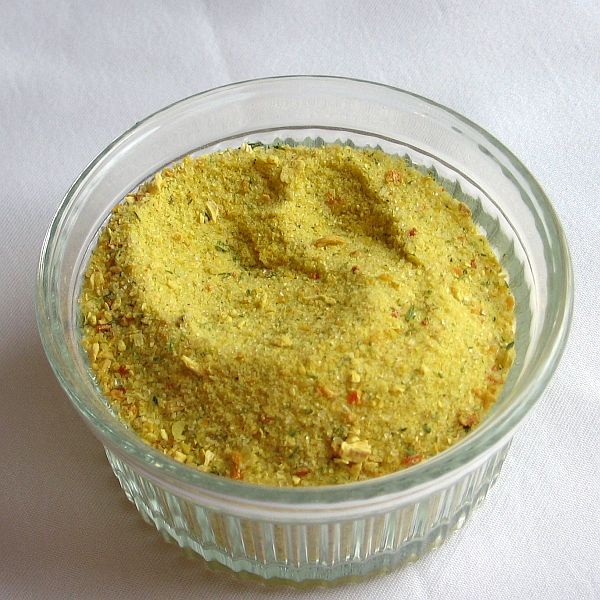
If your soup tastes like it is wearing beige socks, it may be time to call in reinforcements. For generations, Vegeta-style seasoning has been the kitchen shortcut many home cooks reach for when soups, stews, roasted vegetables, rice, chicken, sauces, and casseroles need a savory little push. The problem? Many commercial all-purpose vegetable seasonings rely heavily on salt, flavor enhancers, and additives. That is not ideal if you are watching sodium, avoiding added MSG, cooking for kids, or simply trying to make pantry staples with ingredients you can actually pronounce before your coffee kicks in.
This homemade sodium-free and MSG-free Vegeta seasoning recipe gives you the same cozy, vegetable-forward personality without the salt bomb. It is made with dehydrated vegetables, herbs, spices, and optional nutritional yeast for a naturally savory flavor. The result is a bright, aromatic, golden seasoning powder that works like a vegetable bouillon, soup enhancer, rub, and “save this dish before dinner guests arrive” button.
The best part is control. You decide what goes in, what stays out, how finely it is blended, and whether the flavor leans sweet, earthy, peppery, herbal, or garlicky. No MSG. No added sodium. No mystery dust. Just real vegetables doing real work.
What Is Vegeta Seasoning?
Vegeta is a popular European-style all-purpose seasoning traditionally used to add vegetable-rich flavor to soups, stews, sauces, meats, poultry, potatoes, rice, and roasted vegetables. Think of it as vegetable bouillon powder with more personality. Instead of only tasting salty, it usually has a savory base of dried carrots, onions, celery, parsnips, parsley, and spices.
The homemade version keeps the spirit of the classic blend but removes the two ingredients many people want to avoid: sodium and added MSG. That means this recipe will not taste exactly like a store-bought shaker, because salt is powerful and dramatic. Salt walks into a room and immediately rearranges the furniture. But this blend brings depth in a different way: sweetness from carrots and bell peppers, backbone from celery and parsnip, warmth from turmeric and paprika, and gentle umami from mushrooms or nutritional yeast if you choose to include them.
Why Make a Sodium-Free and MSG-Free Version?
A sodium-free seasoning gives you flexibility. You can cook for someone on a low-sodium diet, season food before deciding whether salt is needed, or add depth to dishes that already contain salty ingredients like canned beans, broth, cheese, olives, pickles, soy sauce, or cured meats. It is also helpful for meal prep because you can build flavor early and adjust salt later at the table.
MSG, or monosodium glutamate, is a flavor enhancer associated with umami taste. Many people tolerate it, but some prefer to avoid added MSG because of personal sensitivity, dietary preference, or label-reading habits. This recipe skips added MSG entirely and uses vegetables, herbs, and optional nutritional yeast or mushrooms to create natural savory depth.
Another reason to make homemade Vegeta seasoning is simple: it makes you feel wildly competent. One minute you are cleaning carrots, and the next you are the sort of person with a custom seasoning blend in a jar. That is domestic wizardry, and it deserves applause.
Flavor Strategy: How This Blend Works Without Salt
Salt does more than make food salty. It enhances sweetness, softens bitterness, and helps flavors pop. When removing it, the seasoning needs smart substitutesnot fake salt, but flavor architecture. This homemade sodium-free Vegeta seasoning uses five layers:
1. Sweet Vegetable Base
Carrots, bell peppers, and parsnips bring natural sweetness and color. They help the blend taste rounded rather than flat.
2. Aromatic Foundation
Onion, garlic, celery, and parsley provide the familiar “soup pot” aroma. This is the smell that makes people wander into the kitchen asking, “What are you making?” even when you are technically only reheating leftovers.
3. Earthy Depth
Dried mushrooms are optional but highly recommended. They add a savory, broth-like flavor that makes the seasoning feel fuller without sodium or MSG.
4. Warm Color and Spice
Turmeric and sweet paprika give the blend a golden color and gentle warmth. Black pepper adds a little sparkle.
5. Optional Umami Boost
Nutritional yeast can add a cheesy, nutty, savory flavor. It is not required, but it helps create the “bouillon” effect many people expect from an all-purpose vegetable seasoning.
Homemade Sodium-Free and MSG-Free Vegeta Seasoning Recipe
Yield
About 1 1/2 to 2 cups seasoning powder, depending on how finely you grind it and how dry the vegetables become.
Ingredients
- 3 large carrots, peeled and finely diced
- 2 medium parsnips, peeled and finely diced
- 1 medium yellow onion, finely chopped
- 4 celery stalks, finely diced
- 1 red bell pepper, seeded and finely diced
- 1 yellow or orange bell pepper, seeded and finely diced
- 6 garlic cloves, thinly sliced
- 1 cup fresh parsley leaves, loosely packed
- 1/2 cup dried mushrooms, such as porcini or shiitake, optional
- 2 tablespoons nutritional yeast, optional
- 1 tablespoon sweet paprika
- 1 teaspoon ground turmeric
- 1 teaspoon dried thyme
- 1 teaspoon dried lovage or celery seed, optional
- 1/2 teaspoon ground black pepper
- 1/2 teaspoon dried dill, optional
- 1 small bay leaf, finely crushed or ground, optional
Equipment
- Food dehydrator or oven with low-temperature setting
- Sharp knife or food processor
- Parchment paper or dehydrator liners
- Blender, spice grinder, or food processor
- Fine mesh sieve, optional
- Airtight glass jar
Step-by-Step Instructions
Step 1: Prep the Vegetables
Wash and dry all vegetables thoroughly. Dice carrots, parsnips, celery, onion, and bell peppers into small, even pieces. Thin slices and tiny dice dry faster and more evenly. Garlic should be sliced thinly so it dehydrates before it has time to develop bitterness.
If using a food processor, pulse the vegetables separately. Do not turn them into wet paste. You want small pieces, not vegetable confetti soup.
Step 2: Optional Blanching
For the longest storage quality, blanch sturdy vegetables such as carrots, parsnips, and celery briefly before drying. Blanching helps preserve color and flavor. After blanching, drain very well and pat dry. Skip blanching for onion, garlic, peppers, parsley, and mushrooms.
Step 3: Dehydrate
Spread the vegetables in a single layer on dehydrator trays. Do not pile them up, unless you enjoy waiting until next Thursday. Dry at about 125°F to 140°F until the vegetables are completely crisp and brittle. Depending on the size of the pieces and moisture level, this may take 6 to 12 hours.
If using an oven, set it to the lowest temperature possible, line baking sheets with parchment paper, spread the vegetables thinly, and leave the door slightly cracked if safe for your oven model. Stir occasionally. Oven drying can be less even than a dehydrator, so watch carefully.
Step 4: Cool Completely
Let the dried vegetables cool before grinding. Warm vegetables can create condensation inside the blender or jar, and moisture is the enemy of a shelf-stable seasoning powder.
Step 5: Grind Into Powder
Add the dried vegetables, parsley, mushrooms, nutritional yeast, paprika, turmeric, thyme, lovage or celery seed, black pepper, dill, and bay leaf to a blender or spice grinder. Pulse until the mixture becomes a coarse powder. For a fine bouillon-style texture, blend longer and sift through a fine mesh sieve.
Step 6: Store Properly
Transfer the homemade Vegeta seasoning to an airtight jar. Label it with the date, because future you will absolutely ask, “When did I make this?” Store in a cool, dark, dry cabinet. For best flavor, use within 3 to 6 months.
How to Use Homemade Vegeta Seasoning
This sodium-free and MSG-free seasoning is extremely flexible. Since it contains no salt, you can use it generously without turning dinner into a thirst marathon.
For Soups and Stews
Add 1 to 2 teaspoons per cup of liquid. It works beautifully in vegetable soup, chicken soup, lentil stew, bean soup, tomato soup, and potato leek soup.
For Rice, Quinoa, and Grains
Stir 1 tablespoon into the cooking water for every 1 cup of dry rice or grains. Add salt separately only if needed.
For Roasted Vegetables
Toss potatoes, carrots, zucchini, mushrooms, cauliflower, or Brussels sprouts with olive oil and 1 to 2 teaspoons of seasoning before roasting.
For Chicken, Turkey, or Fish
Use it as a dry rub with a little olive oil, lemon juice, and black pepper. Since the blend has no salt, it will not draw out moisture aggressively before cooking.
For Sauces and Gravies
Whisk 1 teaspoon into pan sauces, mushroom gravy, tomato sauce, cream sauce, or dairy-free cashew sauce. It adds background flavor without shouting.
For Popcorn and Snacks
Blend the seasoning extra fine and sprinkle it over popcorn with a little oil or melted unsalted butter. It also works on roasted chickpeas, homemade crackers, and baked fries.
Flavor Variations
Classic Eastern European Style
Use carrots, parsnips, celery, onion, parsley, lovage, garlic, turmeric, and black pepper. Add a small amount of dried mushroom for depth.
Italian-Inspired Vegetable Seasoning
Add dried basil, oregano, rosemary, and extra garlic. This version is excellent in tomato sauce, minestrone, pasta bakes, and roasted zucchini.
Golden Soup Blend
Increase turmeric to 1 1/2 teaspoons and add a pinch of ground ginger. Use in chicken-style soups, lentils, rice, and creamy vegetable stews.
Smoky Roasted Vegetable Blend
Replace sweet paprika with smoked paprika. This gives the seasoning a campfire-adjacent personality without requiring you to own camping gear.
Extra Umami Blend
Add more dried mushrooms and nutritional yeast. This version is especially good for vegan soups, mushroom gravy, beans, and meatless casseroles.
Tips for the Best Homemade Vegeta Seasoning
Dry Everything Completely
The vegetables must be crisp, brittle, and fully dry before grinding. If they bend instead of snapping, keep drying. Moisture can cause clumping and spoilage.
Grind in Small Batches
A blender or spice grinder works better when it is not overloaded. Small batches also give you better control over texture.
Do Not Add Salt to the Jar
The point of this recipe is to stay sodium-free. Add salt separately to individual dishes if desired. This keeps the blend useful for more people and more recipes.
Use Fresh Dried Spices
If your paprika has been in the pantry since flip phones were exciting, replace it. Old spices lose aroma, and this blend depends on fragrance.
Keep It Away From Steam
Do not shake the jar directly over a bubbling pot. Steam enters the container and can make the powder clump. Spoon it out instead.
Common Mistakes to Avoid
Using Wet Vegetables
After washing, drying, and blanching, remove as much surface moisture as possible. Extra water increases drying time and may dull flavor.
Cutting Pieces Too Large
Large chunks dry unevenly. The outside may seem done while the center still contains moisture. Small, uniform pieces are the secret.
Overdoing Turmeric
Turmeric gives color, but too much can taste dusty or bitter. Start with the recipe amount and adjust in future batches.
Expecting It to Taste Salty
This is not a salt substitute. It is a flavor builder. Use it to create depth, then add salt only when needed and only in the amount that fits your diet.
Nutrition and Dietary Notes
This homemade Vegeta seasoning is naturally sodium-free as long as every ingredient you use is sodium-free. Check labels on dried mushrooms, nutritional yeast, spice blends, and celery products. Celery seed is fine, but celery salt is not sodium-free.
The recipe is also vegan, dairy-free, gluten-free, and MSG-free when made with plain single-ingredient vegetables, herbs, and spices. If cooking for someone with allergies or strict dietary needs, verify that packaged spices were processed without cross-contact concerns.
Because this blend contains concentrated vegetables, the flavor is strong but still gentle. It is especially useful for people who are reducing sodium gradually. Instead of removing flavor from food, you replace salty intensity with aroma, sweetness, herbs, and natural savoriness.
My Kitchen Experience With Homemade Sodium-Free Vegeta Seasoning
The first time I made a sodium-free Vegeta-style seasoning, I expected it to be a responsible but slightly boring pantry project. You know the type: healthy, practical, and about as thrilling as organizing socks. Then the dehydrator started warming the carrots, celery, onions, garlic, and peppers, and the kitchen smelled like someone had started a soup from scratch in a cozy mountain cabin. Suddenly, this was not a “diet seasoning.” It was a flavor investment.
One of the biggest lessons is that homemade seasoning teaches patience. Fresh vegetables contain a surprising amount of water. A tray that looks overloaded at noon may shrink into delicate little flakes by evening. Carrots become sweet and earthy. Bell peppers turn almost candy-like. Celery becomes intensely aromatic. Onion and garlic become sharper, deeper, and more concentrated. When everything is finally dry and blended, the powder smells like the beginning of dinner.
Another experience worth sharing: texture matters. A coarse grind is excellent for soups, stews, and roasts because you can see tiny flecks of vegetables. It feels rustic and homemade in the best way. A fine powder is better for sauces, gravies, popcorn, and rice because it dissolves more easily. I like to split the batch in two. Half stays coarse for cooking, and half gets blended into a fine powder for quick seasoning. It is the culinary equivalent of having both sneakers and dress shoes. Same closet, different missions.
The most surprising test was roasted potatoes. I tossed potato wedges with olive oil, black pepper, smoked paprika, and this homemade sodium-free Vegeta seasoning. No salt at first. The potatoes came out golden, aromatic, and deeply savory. Did I add a tiny pinch of salt to my own serving? Yes. I am not a statue. But the amount needed was much smaller because the seasoning had already done the heavy lifting. That is the real magic of this recipe: it does not demand that you abandon salt forever. It simply helps you stop using salt as the only flavor tool in the drawer.
This blend also saved a pot of lentil soup that was dangerously close to tasting like wet homework. Two tablespoons of homemade Vegeta, ten minutes of simmering, and suddenly the soup had sweetness, color, and depth. The carrots and parsnips rounded the lentils, the celery gave it a broth-like backbone, and the mushrooms added the kind of savory note that makes people assume you cooked longer than you did. Always accept that compliment. No need to confess the jar did most of the work.
For meal prep, this seasoning is a quiet hero. Add it to cooked beans before freezing. Stir it into plain rice. Sprinkle it into scrambled eggs, tofu scramble, turkey meatballs, or vegetable casseroles. Mix it with oil and vinegar for a quick marinade. It turns “I have ingredients” into “I have dinner.” That is a big emotional difference at 6:17 p.m. on a Tuesday.
The best experience, however, is the confidence it gives you. Once you understand the formula, you can adjust it endlessly. More carrots for sweetness. More mushrooms for umami. More parsley for freshness. More paprika for color. Less garlic if you are cooking for someone who fears flavor. Homemade sodium-free and MSG-free Vegeta seasoning is not just a recipe; it is a flexible kitchen system. Make one batch, and you will start seeing every soup, sauce, and roasted vegetable tray as an opportunity.
Conclusion
Homemade sodium-free and MSG-free Vegeta seasoning is a practical, flavorful way to bring depth back to low-sodium cooking. It gives you the vegetable-rich comfort of a classic all-purpose seasoning without relying on salt, added MSG, or mystery additives. With carrots, parsnips, celery, onion, garlic, peppers, parsley, herbs, and optional mushrooms or nutritional yeast, this blend creates a savory foundation for soups, stews, rice, roasted vegetables, poultry, sauces, snacks, and meal prep.
The recipe is easy to customize, budget-friendly, and satisfying to make. Most importantly, it proves that low-sodium food does not have to taste like punishment. With the right blend of aromatics, sweetness, herbs, and umami, your food can be bright, cozy, and full of character. Keep a jar in the pantry, use it often, and enjoy the small but mighty joy of seasoning food your way.