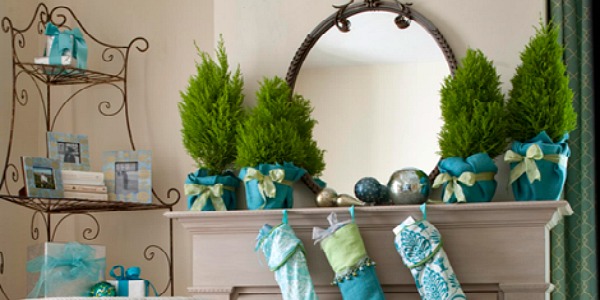
There is something wonderfully official about decorating the Christmas mantel. The tree may arrive first, the wreath may greet guests at the door, and a suspicious number of cookies may disappear before dinner, but the mantel is what makes the living room feel ready for Christmas.
As the natural focal point of many homes, a fireplace mantel offers the perfect stage for greenery, stockings, candles, ornaments, family treasures, and a little seasonal drama. It can be traditional or modern, grand or delightfully simple. More importantly, it can tell the story of the people who live there.
The best Christmas mantel inspiration does not require buying an entire display from a showroom. A memorable mantel usually comes from combining a clear decorating theme with layers of texture, warm lighting, meaningful objects, and enough restraint to prevent Santa from needing a map to find the stockings.
Why the Christmas Mantel Matters
A mantel sits close to eye level and often occupies the visual center of a living room. That makes it one of the first places guests notice. It also appears in family photographs, frames Christmas-morning activities, and provides a home for stockings that mysteriously become much heavier overnight.
Unlike a Christmas tree, which can support dozens or even hundreds of decorations, a mantel has limited space. Every item therefore carries more visual weight. A single wreath, framed picture, antique mirror, or oversized bow can determine the mood of the entire arrangement.
A well-designed holiday mantel also helps connect the rest of the room. Colors from the Christmas tree can reappear in the ribbon. Metallic ornaments can echo nearby picture frames. Stocking fabrics can coordinate with pillows and throws. These repeated details create a cohesive holiday home rather than a collection of decorations that appear to have met for the first time five minutes ago.
Begin With a Clear Christmas Mantel Theme
Before attaching greenery or balancing tiny wooden reindeer on narrow ledges, decide how the finished mantel should feel. Choosing a theme makes shopping easier, prevents visual clutter, and helps unrelated pieces look intentional.
Classic Red and Green
A traditional Christmas mantel rarely goes out of style. Begin with evergreen garland, then add red velvet ribbon, berries, pinecones, brass candlesticks, and coordinated stockings. Warm-white lights soften the arrangement and create the familiar glow associated with Christmas cards and holiday movies.
For extra depth, mix several greens instead of relying on one type. Pine, cedar, fir, magnolia, eucalyptus, and boxwood provide different shapes and textures. Faux greenery can form the durable base, while a few fresh clippings create a natural fragrance and realistic movement.
Rustic Woodland Charm
A rustic Christmas fireplace works beautifully with brick, reclaimed wood, stone, and farmhouse-style interiors. Use pinecones, unfinished wood ornaments, woven stockings, small animal figures, bells, and plaid ribbon. A cluster of miniature trees can turn the mantel into a tiny winter forest without requiring the household to adopt an actual deer.
Natural materials are especially effective in this style. Bare branches, dried orange slices, walnuts, cinnamon bundles, and simple kraft-paper stars add warmth without excessive shine. Keep the palette earthy with forest green, warm brown, cream, muted red, and touches of aged brass.
Modern Minimalist Christmas
Minimal holiday decorating does not mean placing one lonely pinecone on the mantel and congratulating yourself. It means selecting fewer pieces and giving each one room to breathe.
Try a slim asymmetrical garland, two or three sculptural trees, a simple wreath, and stockings in neutral fabrics. White, charcoal, pale wood, muted green, and brushed metal create a calm contemporary palette. Battery-operated taper candles or tiny warm-white lights can provide glow without disturbing the clean lines.
Vintage and Nostalgic Style
Christmas is an excellent time to bring sentimental objects out of storage. Vintage ornaments, ceramic houses, old-fashioned bells, inherited candlesticks, toy trains, family photographs, and handmade stockings make a mantel feel personal rather than professionally staged.
Do not worry if every object does not match perfectly. Nostalgic displays benefit from a collected appearance. Repeating one or two colors throughout the arrangement will create unity while allowing the individual pieces to keep their character.
Unexpected Holiday Colors
Red and green are beloved, but they do not own Christmas. Navy and emerald create a rich, tailored look. Blush, champagne, and ivory feel soft and romantic. Blue and silver suggest winter frost, while burgundy and antique gold offer old-world elegance.
The secret is consistency. Choose two primary colors and one supporting metallic or neutral. Repeat them in the ribbon, stockings, ornaments, candles, and nearby gift wrap. A controlled palette makes unusual colors feel festive instead of accidental.
Build the Display in Layers
Professional-looking holiday mantel decor is usually constructed in layers. Each layer serves a purpose, from establishing the focal point to filling small gaps.
Choose an Anchor
Begin with the largest visual element. This may be a wreath, mirror, framed Christmas print, seasonal sign, oversized star, or collection of artwork. Centering the anchor creates a formal, symmetrical appearance. Placing it slightly off-center produces a more relaxed and modern arrangement.
The anchor should be large enough to hold attention without covering the entire wall. If the existing mirror or artwork already suits the room, decorate around it rather than replacing it. A wreath hung over a mirror or a strand of greenery tucked around a frame can make everyday decor feel seasonal.
Add Greenery Across the Mantel
Garland establishes the foundation of most Christmas mantel ideas. For a lush display, use enough greenery to span the mantel and drape slightly over the edges. Thin garland often looks unfinished, so combining two strands can produce a fuller, more convincing result.
Secure the greenery before adding ornaments. Removable hooks, mantel clips, floral wire, and discreet ties can help prevent slipping. Check the weight limits of all hardware, especially when stockings will later be filled with gifts, candy, or the traditional emergency orange.
Create Height and Rhythm
A row of objects at exactly the same height can make a mantel look stiff. Instead, combine tall candlesticks, medium-sized trees, and smaller ornaments. Varying heights guides the eye across the display and creates a natural rhythm.
Objects do not need to be evenly spaced. Clustering three or five items usually feels more relaxed than arranging everything in pairs. For a symmetrical mantel, repeat similar shapes on both sides while allowing small differences in height and texture.
Finish With Small Details
After the major pieces are positioned, add ribbon, bells, pinecones, ornaments, berries, dried fruit, or small floral picks. These accents should fill obvious gaps rather than cover every visible inch.
Step back regularly while decorating. The mantel may look balanced from six inches away but strangely lopsided from the sofa. A quick photograph can also reveal crowded areas that the eye has stopped noticing.
Natural Elements That Make a Mantel Feel Special
Greenery is only the beginning. Magnolia leaves introduce a polished Southern look, especially when their glossy green surfaces and warm brown undersides are both visible. Eucalyptus contributes soft color and graceful movement. Pinecones add texture, while holly and winter berries supply traditional color.
Fruit can make a display feel abundant and historic. Oranges, lemons, pomegranates, and apples look especially striking among dark leaves. Dried orange slices can be wired into garland or threaded into a handmade strand. Clove-studded oranges add pattern and fragrance, although fresh fruit should be checked regularly and removed when it begins to soften.
Cinnamon sticks, star anise, dried flowers, and bundles of herbs can provide subtle scent. Fragrance should remain gentle, particularly when the room already contains a real Christmas tree, scented candles, holiday food, and an uncle wearing enthusiastic cologne.
Stockings: The Stars Below the Garland
Stockings introduce fabric, color, and personality. Matching stockings create a polished look, while individual designs make the display feel playful and family-centered. Personalized names, initials, embroidery, or handmade details can turn them into keepsakes.
Several hanging methods work well. Weighted stocking holders are decorative and easy to reposition, but their stated weight limits should be respected. Mantel clips have a slimmer profile and can be less noticeable beneath garland. Removable adhesive hooks may suit lightweight stockings, while a horizontal stocking rod can organize several stockings in one continuous row.
Empty stockings are considerably lighter than filled ones. Before Christmas Eve, check every hook and holder again. A beautiful stocking display loses some of its charm when a heavy metal holder dives toward the floor at 2 a.m.
Lighting the Christmas Mantel Safely
Warm light gives a mantel its evening magic. Battery-operated micro lights can be woven through greenery, while flameless candles provide a soft flicker without an exposed flame. Choose lights with thin wire that disappears among branches and, when possible, use a built-in timer.
Safety must come before appearance. Candles should never be placed close to greenery, stockings, ribbon, paper, or other combustible decorations. Before lighting a wood-burning fireplace, remove greenery, stockings, wrapping paper, and loose decorations from the fireplace area. Confirm that the flue is open and keep a proper fireplace screen in place while the fire is burning.
Even decorations that appear secure can move when exposed to heat or air currents. Families that regularly use the fireplace may prefer to hang stockings on a nearby staircase, blanket ladder, console, or wall hooks. The mantel can still be decorated, but combustible materials should be removed before every fire.
Christmas Mantel Ideas for Small Spaces
A grand stone fireplace is not required to create a holiday focal point. A floating shelf, bookcase, media console, piano top, or entry table can serve as a substitute mantel. Use the same design formula: one anchor, a layer of greenery, varied heights, lighting, and a few personal objects.
In a narrow room, avoid deep decorations that extend far from the wall. Slim bottle-brush trees, flat paper ornaments, lightweight garland, and a wall-mounted wreath preserve walking space. Stockings can hang from hooks on the wall or from a decorative rail beneath the shelf.
Renters can use removable hooks, tension rods, or freestanding stocking ladders to avoid permanent changes. A temporary mantel can still look intentional when its colors coordinate with the tree and surrounding room.
Budget-Friendly Mantel Decorating Tips
Begin by shopping at home. Candlesticks, framed photographs, vases, baskets, books, glass jars, and small sculptures can become holiday decor when combined with greenery and ribbon. Turn neutral books backward to show their pages, place ornaments in a clear vase, or tie velvet bows around everyday objects.
Foraged branches and pinecones can add volume at little cost, provided collecting them is permitted and they are cleaned before coming indoors. Grocery-store citrus, inexpensive ribbon, paper snowflakes, and homemade salt-dough ornaments also create attractive details without exhausting the gift budget.
Thrift stores are useful sources for brass candlesticks, vintage frames, ceramic villages, glass ornaments, and old bells. A mixed collection often looks more interesting than a completely matching set. Repeating a ribbon color or metallic finish can tie the pieces together.
Common Christmas Mantel Mistakes
The most common problem is using too many small objects. A crowd of miniature decorations can look busy from across the room. Include at least one substantial focal point and group smaller items into intentional clusters.
Another mistake is ignoring the scale of the fireplace. A large stone surround can support dramatic greenery and oversized art, while a delicate vintage mantel may look best with a lighter arrangement. Decorations should complement the architecture rather than challenge it to a wrestling match.
A mantel may also feel disconnected when its colors appear nowhere else in the room. Repeat at least one mantel color on the tree, pillows, gift wrap, or table decorations. Finally, resist the urge to fill every gap. A little open space allows special objects to stand out.
A Practical Decorating Experience: From Empty Mantel to Christmas Focal Point
A realistic mantel-decorating experience often begins with more enthusiasm than strategy. Boxes appear, ribbon unrolls across the floor, and someone discovers three separate collections of miniature trees that nobody remembers buying. The first useful step is not decorating. It is editing.
Imagine a family room with a medium-width white mantel, a brick fireplace, and a large round mirror already mounted above it. The homeowners want a warm, traditional look but do not want the room to feel overly formal. Their first attempt places every red ornament, candle, figurine, and ceramic house on the shelf. The result is festive, certainly, but it resembles a holiday traffic jam.
They start again by keeping the mirror as the anchor. A simple wreath is suspended over it with ribbon, immediately creating a stronger center. Two strands of faux cedar garland are then combined to make one fuller base. Fresh pine clippings are tucked into the artificial greenery, providing realistic texture without requiring the entire garland to be replaced when it dries.
Next come three brass candlesticks on one side and two wooden trees on the other. The arrangement is not perfectly symmetrical, but the similar visual weight keeps it balanced. Red velvet ribbon moves loosely through the garland, and a few pinecones fill the deeper gaps. Instead of attaching every ornament in the box, the family chooses six: three matte red balls, two antique gold ornaments, and one slightly battered wooden Santa made by a child years earlier.
That handmade Santa becomes the object everyone notices. It is not the most stylish decoration, but it gives the mantel a history. The experience demonstrates an important lesson: personal meaning often creates more warmth than perfect coordination.
The stockings provide another lesson. At first, heavy decorative holders are placed along the edge of the mantel. Once the stockings are partially filled, the holders begin to tip forward. The family replaces them with properly fitted mantel clips hidden beneath the garland. The stockings hang more securely, and the mantel surface becomes less crowded.
Lighting changes the display more than expected. Bright cool-white lights make the red ribbon appear harsh against the warm brick. A finer strand of warm-white micro lights produces a softer glow and allows the brass to shine. Flameless taper candles are added to the candlesticks, providing movement without bringing open flames near the greenery.
The final adjustment is simply removing two decorations. Once the unnecessary pieces are gone, the eye can move naturally from the wreath to the lights, down through the garland, and across the stockings. Nothing important was added during this final stage; the design improved because it was given room to breathe.
Over the following weeks, the mantel becomes part of daily Christmas life. Cards are tucked temporarily behind the garland. A small bell is moved by curious children. The greenery shifts slightly whenever stockings are checked with great seriousness. The display is no longer a static photograph. It becomes a living part of the home.
That may be the most valuable Christmas mantel experience of all. The goal is not to preserve a flawless arrangement. It is to create a warm setting for conversations, photographs, quiet evenings, noisy gatherings, and traditions that will be remembered after the decorations return to their boxes.
Make the Mantel Feel Like Home
The best Christmas mantel is not necessarily the fullest, most expensive, or most fashionable. It is the one that belongs naturally in the room and reflects the people gathered around it.
Begin with a clear theme, choose a strong anchor, layer greenery, vary the heights, and finish with meaningful details. Coordinate the mantel with the rest of the room, but allow space for handmade objects, inherited decorations, and family traditions. Above all, use safe lighting and remove combustible decorations whenever the fireplace is active.
When those elements come together, the mantel becomes more than a decorated shelf. It becomes the heart of a home sweet home for Christmaswarm, welcoming, personal, and ready for every beautiful bit of holiday chaos.