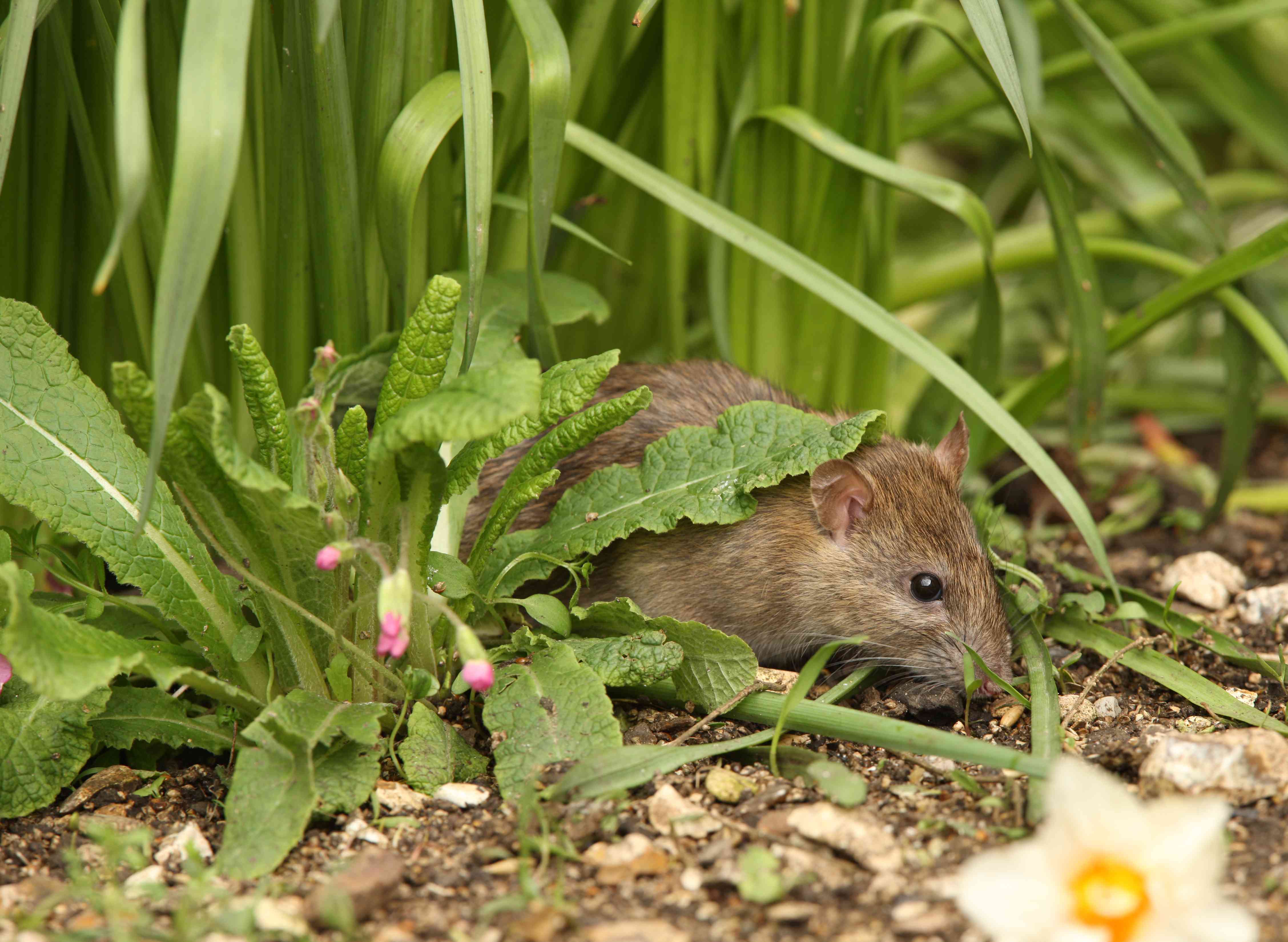
You step outside with coffee in hand, ready to admire your lawn like a responsible adult, and there it is: a mysterious hole near the fence. Then another under the shrub. Maybe one beside the shed. Suddenly your yard feels less like a peaceful outdoor space and more like the opening scene of a tiny underground crime drama.
So, are those holes in your yard caused by rats? Possibly. Norway rats, also called brown rats, street rats, or sewer rats, are notorious burrowers. They like soft soil, hidden edges, dense vegetation, food nearby, and a quick escape route. In other words, if your yard offers snacks, shelter, and privacy, rats may treat it like a five-star subterranean hotel.
But not every hole is a rat hole. Moles, voles, chipmunks, skunks, ground squirrels, insects, and even drainage problems can create openings or disturbed soil. The key is learning how to read the signs. Rat burrows have a different “signature” than other yard holes, and once you know what to look for, you can decide whether you need a rake, a trap, a pest professional, or a long, judgmental conversation with your garbage cans.
This guide explains how to identify rat holes in the yard, how to tell them apart from other animal holes, what attracts rats, and what to do to stop them safely and effectively.
What Do Rat Holes in the Yard Look Like?
Rat holes are usually the entrance to a burrow system, not random dents in the soil. Norway rats dig underground nests where they rest, hide from predators, store food, and raise young. These burrows are commonly found close to walls, fences, sheds, decks, patios, garages, compost piles, trash areas, chicken coops, gardens, or dense landscaping.
Common signs of rat burrows
A typical rat burrow entrance is often about 2 to 4 inches wide. The opening tends to be round or slightly oval, with smooth, packed edges from repeated use. Fresh burrows may have loose dirt pushed outside the entrance, sometimes spread in a fan shape. Older active burrows can look polished, compacted, and worn down, almost like a little doorway with a commute problem.
Rat holes are usually not isolated. You may see one main entrance and one or more hidden exit holes nearby. Rats are practical creatures. They like backup plans. If a predator, person, or overly curious dog approaches one entrance, another exit lets them disappear like tiny furry magicians with terrible hygiene.
Where rats usually dig
Rats prefer burrows in protected places. Look carefully around:
- Under shrubs, hedges, vines, and thick ground cover
- Along fences, walls, and building foundations
- Beside sheds, garages, decks, and crawl space openings
- Near compost bins, trash cans, pet feeding areas, and bird feeders
- Around chicken coops, rabbit hutches, and livestock feed storage
- Under concrete slabs, patios, steps, and loose pavers
The big clue is not just the hole. It is the neighborhood. A clean, lonely hole in the middle of open grass may point to another animal. A smooth hole tucked under a shrub near a garbage area? That deserves a closer look.
How to Tell If Rats Are Really the Culprit
To identify rat activity, think like a detective, not like a homeowner with a shovel and a grudge. You want multiple clues before declaring war on the wrong animal.
1. Look for droppings
Rat droppings are one of the clearest signs of an active infestation. Norway rat droppings are larger than mouse droppings and are often capsule-shaped or bean-like. You may find them along fences, near burrow entrances, around garbage cans, under decks, near pet food bowls, or inside sheds.
Fresh droppings are usually darker and softer. Older droppings become grayish, dry, and crumbly. Do not touch droppings with bare hands. Rodents can carry disease organisms, and cleanup should be handled carefully with gloves, disinfectant, and proper disposal.
2. Check for gnaw marks
Rats gnaw constantly because their teeth keep growing. Look for chew marks on wood, plastic bins, garden hoses, chicken coop edges, storage containers, low siding, door bottoms, and even soft metal. If your trash can lid looks like it lost a fight with a can opener, rats may be involved.
3. Watch for greasy rub marks
Rats often travel the same routes again and again. Their oily fur can leave dark smudges along walls, pipes, fence bottoms, foundation edges, and tight pathways. These marks are like rat fingerprints, except less charming and more alarming.
4. Find runways through grass or vegetation
Rats prefer protected travel lanes. In tall grass, weeds, ivy, or dense ground cover, they may create narrow paths between burrows and food sources. A runway leading from a hole to a trash area, pet food bowl, compost pile, or shed is a strong sign of rodent activity.
5. Test whether a burrow is active
If you suspect a rat burrow, do not immediately flood it or stuff it with poison. First, test activity. Loosely fill the entrance with soil, newspaper, or a small amount of wadded paper in the late afternoon. Check the next morning. If the material has been pushed out or reopened, the burrow is likely active.
Do this carefully and avoid putting your hands into the hole. A burrow may contain rats, insects, snakes, or other wildlife. Your fingers do not need to audition for a nature documentary.
Rat Holes vs. Other Holes in the Yard
Misidentifying the culprit is common. The wrong diagnosis can waste time, money, and emotional energy. Before blaming rats, compare the hole with other common yard diggers.
Rat holes
Rat holes are usually 2 to 4 inches wide, smooth at the entrance, and located near cover or food. You may see droppings, gnawing, rub marks, or runways nearby. Rat burrows are often found under shrubs, fences, sheds, decks, concrete edges, and foundations.
Mole damage
Moles are not rodents. They are insectivores that feed mostly on earthworms and soil insects. Mole activity usually appears as raised ridges or tunnels just under the lawn surface, plus mounds of fresh soil. Moles rarely leave clean, open, smooth holes like rat burrows. If your lawn looks like someone pushed spaghetti under the turf, think mole.
Vole damage
Voles are small plant-eating rodents. They create surface runways through grass and low vegetation, often 1 to 2 inches wide. Vole holes are usually smaller than rat holes, and vole damage often includes clipped grass, chewed roots, girdled shrubs, or plant decline. Voles are basically tiny landscapers with no license and bad intentions.
Skunk or raccoon digging
Skunks and raccoons dig shallow holes while hunting for grubs, worms, and insects. Their holes are often scattered, cone-shaped, or rough-looking rather than smooth burrow entrances. Turf may be peeled back or disturbed in patches.
Chipmunk holes
Chipmunk burrows can be neat and round, often smaller than rat burrows. They may not have large dirt piles because chipmunks carry soil away from the entrance. If you see chipmunks darting around in daylight, especially near stone walls or woodpiles, they may be responsible.
Ground squirrel or larger wildlife burrows
In some regions, ground squirrels, woodchucks, or other burrowing animals create larger holes. These openings are often bigger than rat burrows and may have more obvious soil mounds. If the hole looks large enough to accept a small football, rats are probably not your main suspect.
Why Rats Are Digging in Your Yard
Rats do not move into a yard because they admire your hydrangeas. They come for survival basics: food, water, and shelter. Remove those, and your yard becomes much less attractive.
Food sources that attract rats
Common outdoor rat buffets include unsecured garbage, overflowing trash cans, fallen fruit, birdseed, pet food, compost scraps, chicken feed, barbecue grease, garden produce, and spilled grain. Rats are flexible eaters. They are not waiting for artisanal cheese. A leaky trash bag and some forgotten dog kibble will do just fine.
Water sources that attract rats
Rats need water, especially when food is dry. Bird baths, pet bowls, dripping spigots, clogged gutters, puddles near poor drainage, irrigation leaks, and uncovered water containers can all support rat activity.
Shelter that encourages burrowing
Dense shrubs, ivy, woodpiles, clutter, stacked materials, tall weeds, deep mulch, broken equipment, and debris give rats cover from predators. If they can travel unseen from a burrow to food, they are more likely to stay.
What to Do If You Find Rat Holes in Your Yard
The best rat control plan is not one magic trick. It is a combination of inspection, sanitation, exclusion, habitat modification, trapping, monitoring, and, when necessary, professional help. This is called integrated pest management, or IPM. In plain English: stop feeding them, stop housing them, block their routes, remove active rats, and keep checking so they do not return.
Step 1: Remove food immediately
Start with the buffet. Store garbage in thick plastic or metal cans with tight-fitting lids. Rinse cans if they smell like last weekend’s leftovers. Do not leave pet food outside overnight. Clean up fallen fruit and garden produce. Move bird feeders away from the house, use trays to catch seed, and clean spilled seed often.
If you compost, avoid adding meat, dairy, greasy foods, or large amounts of cooked leftovers. Use a rodent-resistant compost bin with a secure lid and base. A loose compost pile may look eco-friendly to you and like room service to a rat.
Step 2: Eliminate water access
Fix dripping hose bibs, leaking irrigation lines, and clogged gutters. Empty pet water bowls at night. Turn over buckets and containers that collect rainwater. Improve drainage near foundations and patios. Less water means fewer reasons for rats to settle in.
Step 3: Cut back cover
Trim shrubs so the ground underneath is visible. Remove weeds, heavy ivy, and dense ground cover near buildings. Keep grass mowed. Move woodpiles away from the house and raise them off the ground. Remove clutter around sheds, fences, and garages.
This step feels simple, but it is powerful. Rats dislike being exposed. When you remove hiding places, you make the yard riskier for them and easier for you to inspect.
Step 4: Seal entry points into buildings
Outdoor rat holes are bad. Rats moving from the yard into your house are worse. Inspect the foundation, crawl space vents, garage doors, utility line openings, basement windows, and gaps under doors. Seal small gaps with durable materials such as steel wool combined with caulk. Use hardware cloth, metal flashing, cement, or metal sheeting for larger openings.
Pay special attention to sheds, garages, and outbuildings. These structures often become rodent lounges because they contain seeds, tools, cardboard, cushions, pet supplies, or other nesting materials.
Step 5: Use traps strategically
Snap traps designed for rats can be effective when placed correctly. Put traps along walls, fences, and travel routes where you see droppings, rub marks, gnawing, or burrows. For Norway rats, ground-level placements near walls, behind objects, and in dark protected areas tend to work best.
Keep traps away from children, pets, birds, and other non-target animals. Use protective boxes or stations when needed. Check traps daily. Wear gloves when handling traps or dead rodents, and disinfect contaminated areas properly.
Step 6: Be careful with rodenticides
Rat poison can be dangerous to children, pets, and wildlife. It can also create secondary poisoning risks if another animal eats a poisoned rat. If rodenticides are used, follow the product label exactly, use tamper-resistant bait stations where appropriate, and consider hiring a licensed pest management professional.
Never scatter poison outdoors. Never place bait where pets, children, chickens, wildlife, or rainwater can reach it. And never assume that more poison equals better control. Often, the safer and more effective move is better sanitation, trapping, exclusion, and monitoring.
Step 7: Close inactive burrows after control
Do not permanently fill active burrows before addressing the rats, or they may dig new exits in worse places. Once activity stops, collapse and fill inactive burrows with soil. In problem areas, consider adding gravel, repairing gaps under slabs, sealing foundation cracks, and redesigning landscaping so rats cannot easily rebuild.
How to Prevent Rat Holes From Coming Back
Rat prevention is not glamorous, but neither is discovering a rodent tunnel under your tomatoes. The goal is to make your yard boring to rats. Boring is beautiful.
Keep outdoor areas clean
Pick up fallen fruit, spilled birdseed, pet food, and garden scraps. Keep trash sealed. Wash garbage cans when residue builds up. Store animal feed, grass seed, and birdseed in metal or heavy plastic containers with tight lids.
Manage landscaping
Trim shrubs away from walls and fences. Thin dense plantings. Avoid deep mulch against foundations. Remove piles of leaves, grass clippings, lumber, cardboard, and unused pots. Keep inspection paths open around buildings.
Protect chicken coops and small animal enclosures
Chicken coops are a major rat attraction because of feed, water, bedding, warmth, and shelter. Store feed in sealed containers. Clean spilled grain daily. Use hardware cloth instead of thin chicken wire for rodent exclusion. Consider buried mesh or an outward-facing apron around runs to discourage digging.
Inspect regularly
Walk your yard once a week. Check under shrubs, around sheds, near trash storage, around compost, beside fences, and along foundations. Early signs are easier to fix than a full rat colony with tunnels, backup exits, and what appears to be a municipal planning department.
When to Call a Pest Control Professional
Call a licensed pest management professional if you see multiple active burrows, rats during the daytime, rats entering your home, repeated burrow reopening, gnawed electrical wires, contamination in food storage areas, or signs around children’s play spaces. You should also get help if you have pets, chickens, or wildlife nearby and are unsure how to control rats safely.
A good professional should inspect the property, identify the rodent species, explain the attractants, recommend exclusion and sanitation steps, use traps or bait safely, and provide follow-up monitoring. Be cautious of anyone who only tosses bait and leaves without addressing why rats showed up in the first place. That is not a plan; that is a subscription service for more rats.
Experience-Based Notes: What Homeowners Often Learn the Hard Way
One of the most common homeowner experiences with yard holes is denial. At first, the hole looks harmless. Maybe it is “just a chipmunk.” Maybe it is “old.” Maybe it is “something from the rain.” Then the dog starts sniffing the same shrub every night, the trash can lid has chew marks, and a second hole appears near the shed. By then, the problem has usually moved from mystery to management.
A practical lesson is that the hole is rarely the whole problem. The burrow is the symptom. The cause is usually nearby: a food source, a water source, or a protected hiding place. Homeowners who only fill the hole often find it reopened the next morning. It can feel personal, like the rat left a tiny note saying, “Nice try.” In reality, the rat is simply returning to a site that still provides what it needs.
Another experience many people share is underestimating pet food. A bowl of dog food left outside overnight can support more activity than expected. The same goes for birdseed. Bird lovers sometimes focus on the feeder itself but forget the seed scattered below it. Rats do not need an invitation printed on cardstock. A handful of sunflower seeds under a feeder is enough.
Chicken keepers often learn this lesson faster than anyone. Backyard chickens are wonderful, but spilled feed, bedding, waterers, and warm shelter can create perfect rat conditions. The solution is not to panic or blame the chickens. It is to tighten feed storage, clean spills daily, raise or secure coop floors, use hardware cloth, and inspect around the run for digging. Thin chicken wire may keep birds in, but it does not reliably keep determined rodents out.
Landscaping also plays a major role. Beautiful dense ivy, low shrubs, stacked firewood, and deep mulch can accidentally create rodent cover. Many homeowners are surprised by how much improvement comes from trimming plants up from the ground, clearing debris behind sheds, and opening sight lines along fences. Rats prefer hidden travel routes. Remove the cover and the yard becomes less comfortable for them.
Trapping teaches another lesson: placement matters more than hope. A trap tossed randomly in the middle of the lawn is usually ignored. Rats travel along edges, walls, fences, and protected routes. Successful trapping usually means placing traps where signs already exist, using enough traps, checking them daily, and protecting children, pets, and non-target wildlife. It also means continuing sanitation at the same time. Trapping without removing food is like bailing water while the faucet is still running.
Finally, homeowners often discover that prevention is calmer and cheaper than emergency control. A weekly yard check, sealed trash, trimmed shrubs, repaired gaps, and secure feed storage are not exciting weekend activities. They are, however, much better than finding a tunnel system under your patio. Rats are persistent, but they are not magical. When you remove food, water, shelter, and access, you turn your yard from a rat resort into a place they would rather pass by.
Conclusion
Holes in your yard can be unsettling, but they do not have to become a full-blown backyard saga. Rat holes are usually smooth, round openings about 2 to 4 inches wide, often hidden near cover and close to food or water. Look for supporting evidence: droppings, gnaw marks, greasy rub marks, runways, and burrows that reopen after being lightly blocked.
If rats are the culprit, the winning strategy is simple in concept but consistent in practice: remove food, eliminate water, cut back shelter, seal entry points, trap carefully, and use rodenticides only with caution. Better yet, prevent future burrows by keeping your yard clean, open, and boring to rodents. Your lawn may never be perfect, but it can absolutely stop serving as an underground rat condo complex.