Dogs fetch slippers. Cats knock the slippers off the shelf and then stare at you as though gravity was your idea. But some animal lovers share their homes with companions that are a little less conventional: a hedgehog burrowing into a fleece blanket, a pigeon supervising breakfast, an axolotl smiling from an aquarium, or a bearded dragon wearing the expression of a disappointed medieval king.
Unusual pets can be fascinating, funny, and surprisingly affectionate. They can also require specialized housing, carefully controlled temperatures, species-specific diets, experienced veterinary care, and a serious commitment that extends far beyond taking an adorable photo. A pet does not become low-maintenance simply because it fits inside a shoebox. In fact, the shoebox-sized ones are often running the most complicated operation.
So, Pandas, it is time to introduce the unconventional members of your household. Show us the pets that make visitors ask, “Is that supposed to be in your living room?” Just remember that the best unusual-pet stories celebrate responsible care as much as cuteness.
What Counts as an Unusual Pet?
The phrase unusual pet covers a broad and sometimes confusing collection of animals. It may describe common companion species that simply receive less attention, such as rats, pigeons, ferrets, chinchillas, or miniature pigs. It can also refer to reptiles, amphibians, invertebrates, aquarium animals, and small mammals with highly specialized needs.
However, “unusual” and “wild” are not interchangeable. A captive-bred bearded dragon is very different from a raccoon taken from a backyard, an injured owl kept without a rehabilitation license, or a primate purchased through the exotic-animal trade. Wildlife organizations advise people to enjoy native wild animals from a safe distance and to take injured or orphaned wildlife to licensed rehabilitators rather than attempting to turn them into pets.
That distinction matters because a charming online video rarely reveals the full story. It does not show the permits, veterinary bills, feeding schedules, escape-proof enclosures, emergency planning, or three hours spent searching for a lizard that was eventually found asleep inside a shoe.
Meet Some Delightfully Unconventional Companions
Axolotls: The Aquarium Residents Who Always Look Surprised
With feathery external gills, tiny toes, and a face that appears permanently delighted by the invention of water, the axolotl has become an internet favorite. These aquatic salamanders are often described as easy pets because they do not need walks, grooming appointments, or obedience classes.
That description leaves out the important details. Axolotls need cool, clean, properly cycled water. Owners must understand filtration, water chemistry, safe substrates, feeding, and temperature control. Warm or unstable water can create serious health problems. They are pets to observe rather than animals that benefit from frequent handling.
Prospective owners should also check state and local rules before obtaining any amphibian. Some species are regulated to protect native ecosystems and prevent the spread of wildlife diseases. The U.S. Fish and Wildlife Service, for example, restricts interstate movement and importation of certain salamander groups because of the threat posed by salamander chytrid fungus.
Hedgehogs: Tiny Athletes with Built-In Hairbrushes
A hedgehog may resemble a potato that has made several defensive choices. These nocturnal mammals can become comfortable with patient, gentle owners, but they are not automatically cuddly. Some would rather explore a blanket tunnel at midnight than sit quietly for a family portrait.
Hedgehogs need appropriate temperatures, a secure enclosure, opportunities for exercise, suitable nutrition, and access to a veterinarian familiar with exotic mammals. Their nighttime activity can also surprise new owners. That wheel squeaking at 2:14 a.m. is not haunted. Your hedgehog has simply begun cardio day.
Specialty veterinary organizations publish separate care guidance for hedgehogs, chinchillas, sugar gliders, rabbits, rats, and other small mammals because their nutritional and medical needs differ significantly. The fact that two pets are small and furry does not mean they can share the same care plan.
Bearded Dragons: Solar-Powered Roommates
Bearded dragons have earned loyal fans with their calm manner, expressive posture, and willingness to sit on a shoulder like a scaly parrot. They may appear relaxed, but their habitat requires careful planning. Correct heat gradients, ultraviolet lighting, diet, hydration, enclosure size, and veterinary monitoring are essential.
The American Veterinary Medical Association notes that reptiles may need less daily exercise than dogs, but they require specialized knowledge about housing, diet, handling, and environmental conditions. In other words, a reptile enclosure is not simply a glass box with a decorative rock and good intentions.
Reptiles can also carry Salmonella while looking perfectly healthy. Owners should wash their hands after handling the animal, its food, or anything inside the enclosure. Tanks and accessories should not be cleaned in food-preparation areas. Extra precautions are recommended for homes with young children, older adults, or people with weakened immune systems.
Rats: Clever Companions with Terrible Public Relations
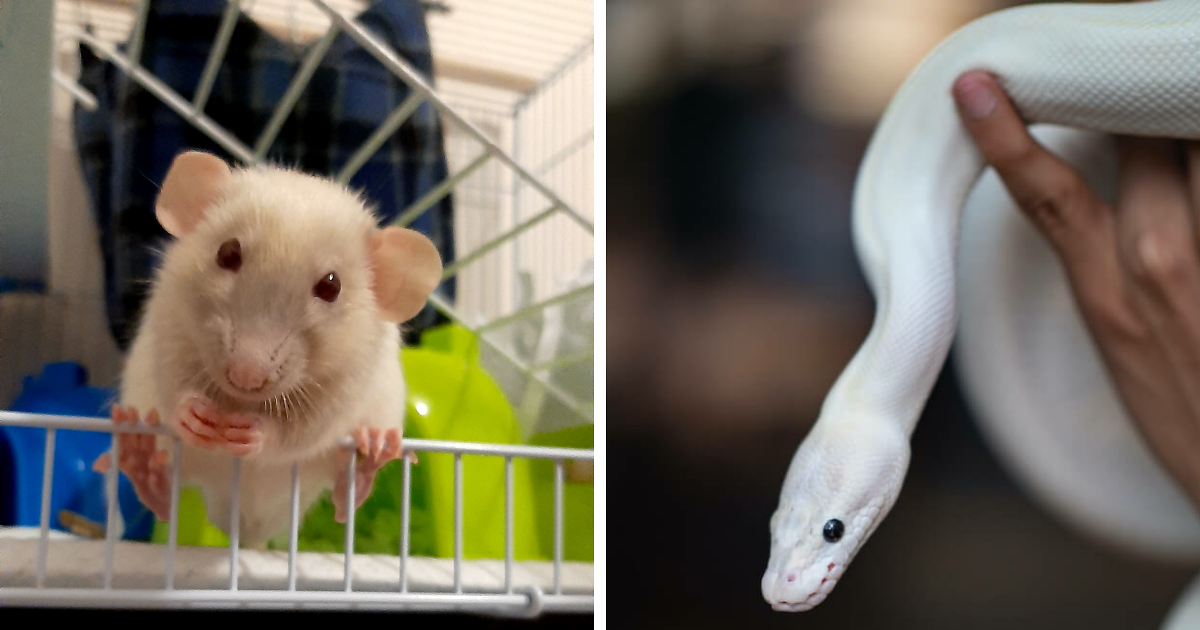
Domestic rats are among the most underestimated companion animals. They can learn routines, recognize people, solve simple puzzles, enjoy social interaction, and develop clear preferences. One rat may eagerly climb onto a shoulder while another treats human contact as an opportunity to investigate every pocket for snacks.
Because rats are social, they generally benefit from compatible companions of the same sex rather than living alone. They need a spacious, well-ventilated enclosure, climbing opportunities, enrichment, safe nesting materials, balanced nutrition, and regular cleaning. They also require veterinary care, including prompt attention to respiratory symptoms or unusual lumps.
Small mammals can carry germs even when they look clean, so handwashing and sensible enclosure hygiene remain important. Children should be supervised and taught not to kiss pets or touch their faces before washing their hands.
Pigeons: Feathered Roommates with Excellent Navigation Skills
Pigeons rarely receive the glamorous reputation enjoyed by parrots, yet domesticated and rescued pigeons can be engaging companions. They recognize routines, learn to trust caregivers, communicate through body language, and often enjoy sitting near their favorite humans.
A pet pigeon needs safe indoor housing or a predator-proof aviary, proper nutrition, opportunities to bathe, space to exercise, social contact, and veterinary care from someone experienced with birds. Prospective bird owners should consider noise, mess, lifespan, social needs, and the amount of daily interaction required before making a commitment.
And yes, pigeons scatter seed. They do not consider this a mess. They consider it interior design.
Miniature Pigs: Small Name, Frequently Large Pig
Miniature pigs can be intelligent, food-motivated, affectionate, and extremely determined. They can learn household routines and basic behaviors, but they also root, push, explore, and test boundaries. A bored pig may redecorate a room with the confidence of a contractor who has lost the blueprints.
The word miniature refers to pigs that are smaller than standard farm breeds; it does not guarantee a permanently tiny animal. Owners need realistic expectations about adult size, strong fencing, appropriate nutrition, hoof care, training, enrichment, veterinary access, and zoning regulations. Apartment life may not suit an animal capable of opening cabinets and presenting a formal complaint whenever dinner is six minutes late.
Tarantulas: Quiet Pets for People Who Respect Personal Space
Tarantulas appeal to people who enjoy observing natural behavior without expecting conventional affection. They are quiet, require no daily walk, and will never chew a phone charger. Their enclosure, humidity, ventilation, temperature, substrate, and feeding plan must nevertheless match the species.
Handling is usually unnecessary and may be dangerous to the spider. A fall from a person’s hand can cause severe injury. Some species also possess defensive hairs that can irritate skin and eyes. The responsible tarantula keeper understands that admiration does not require picking up the object of admiration.
The Responsibility Behind the Adorable Photograph
Every unusual pet has a natural history that affects its daily care. Before bringing one home, research where the species lives, what it eats, whether it is active by day or night, how it regulates body temperature, how much space it needs, and whether it normally lives alone, in pairs, or in social groups.
Find a Qualified Veterinarian First
Do not wait for an emergency to discover that the nearest veterinarian treating amphibians is three hours away. Contact clinics before adoption and ask whether they routinely treat the exact species you are considering. “Exotic pets welcome” may refer to rabbits and guinea pigs, not venomous snakes, aquarium amphibians, or giant millipedes.
Specialty veterinary associations emphasize that exotic companion animals have distinct medical requirements involving nutrition, disease prevention, diagnostics, and treatment. Establishing veterinary care early also provides an opportunity to discuss wellness examinations, parasite testing, emergency warning signs, and safe transport.
Calculate the Real Cost
The purchase or adoption fee may be the smallest expense. Appropriate enclosures, ultraviolet bulbs, thermostats, filters, specialty food, replacement equipment, boarding, permits, and emergency veterinary treatment can quickly exceed the original cost of the animal.
Equipment also needs maintenance. Bulbs weaken, filters clog, temperature controls fail, and animals grow. A habitat that works for a juvenile may become unsuitable within a year. Responsible ownership requires a budget for the pet’s entire expected lifespan, not merely enough money to complete the first shopping trip.
Check the Law Before Falling in Love
Rules for unusual pets vary among states, counties, and cities. A species may be legal in one location, restricted by permit in another, and prohibited somewhere else. Housing associations and rental agreements may add further limitations.
Federal laws can also regulate the trade, transport, exhibition, or possession of certain wildlife. USDA Animal Welfare Act standards apply to particular animals involved in regulated commercial sale, exhibition, research, and transportation, while wildlife trade may also fall under U.S. Fish and Wildlife Service rules. Local legality should always be confirmed directly with the relevant authorities.
Choose Ethical, Traceable Sources
Whenever possible, consider reputable rescues, established breeders, or adoption networks that can document an animal’s history and provide accurate care information. Avoid sellers who cannot identify the species, refuse to discuss adult size, recommend obviously inadequate housing, or claim that specialized veterinary care is unnecessary.
Some wild and exotic species suffer when they are captured, transported, or kept in conditions that prevent natural movement and social behavior. Major animal-welfare organizations discourage keeping inherently dangerous or undomesticated wildlife as household pets because of concerns involving welfare, disease, public safety, and conservation.
Healthy Pets, Healthy People, Cleaner Kitchen Counters
Any animal can carry germs, but reptiles, amphibians, small mammals, and backyard poultry require particular attention to hygiene. Wash hands thoroughly after feeding, handling, cleaning habitats, touching bedding, or working with aquarium water. Keep animal equipment away from sinks and surfaces used to prepare human food.
Turtles deserve special mention. The FDA warns that turtles can carry Salmonella even when they appear healthy and clean. Federal regulations have restricted the sale of turtles with shells shorter than four inches since 1975 because small turtles were strongly associated with infections, especially among children.
Good hygiene should not become fear or panic. It is simply part of responsible animal care, like replacing water, securing an enclosure, and accepting that your pet rat has once again hidden a piece of pasta somewhere important.
Never Release an Unwanted Pet Outdoors
An animal that can no longer remain in its home should be rehomed through a rescue, veterinarian, shelter, breeder, species-specific organization, or responsible adopter. Releasing aquarium fish, reptiles, amphibians, birds, or small mammals into the wild is dangerous for both the pet and the environment.
Most released pets are not equipped to survive. Those that do survive may reproduce, spread disease, compete with native species, or damage habitats. The U.S. Fish and Wildlife Service specifically advises owners never to release unwanted aquarium pets and recommends finding humane alternatives instead.
How to Share Your Unusual Pet Responsibly
A funny photograph can entertain thousands of people, but it can also create unrealistic expectations. When posting your unusual pet, consider sharing the care behind the image. Mention the enclosure, diet, daily routine, veterinary needs, personality, and unexpected challenges.
Avoid staging photos that frighten, restrain, or endanger the animal. Do not place an aquatic species on a dry surface for a better angle, wake a nocturnal pet repeatedly for daytime content, or introduce animals that might injure one another. A relaxed animal in an appropriate setting makes a better story than a stressed animal wearing a costume it clearly intends to sue over.
Helpful questions for your post might include:
- What species is your pet, and what is its name?
- How did the animal become part of your family?
- What does its daily care routine involve?
- What behavior surprised you most?
- What do prospective owners commonly misunderstand?
- What is the funniest completely ordinary thing your pet does?
Experiences from Life with Unusual Pets
The following stories are representative, fictionalized composites based on commonly reported experiences among responsible specialty-pet owners. They illustrate why living with an unusual animal is often equal parts education, affection, patience, and comedy.
The Hedgehog Who Scheduled Midnight Construction
One family carefully prepared for their first hedgehog. They researched temperature requirements, purchased a secure enclosure, found an experienced veterinarian, and filled the habitat with tunnels, fleece, and a large exercise wheel. They believed they had planned for everything.
They had not planned for the sound.
Every night, shortly after the lights went out, the hedgehog began running with the enthusiasm of an athlete qualifying for an international event. The wheel was safe and properly sized, but it produced a gentle repetitive squeak. The family tried adjusting it, moving it, and replacing it. Their hedgehog responded by running faster.
Eventually, the noise became part of the household. Visitors wondered why someone was operating a tiny treadmill at midnight. The family simply replied, “That is Pepper. She has fitness goals.”
The Pigeon Who Joined Every Video Meeting
A rescued pigeon named Walter developed a habit of sitting beside his owner’s computer during remote meetings. Walter was not especially disruptive. He simply watched each speaker with intense concentration, occasionally turning his head as though evaluating quarterly performance.
During one particularly serious presentation, Walter stepped directly in front of the camera and stared into it. The meeting stopped. Someone asked whether he had an opinion.
Walter answered with a quiet coo.
From that day forward, colleagues asked whether Walter would attend. His owner used the attention to explain pigeon rescue, indoor housing, social needs, and the fact that domesticated pigeons abandoned outdoors may struggle to survive. Walter became entertaining, but his story also helped people see an overlooked companion animal differently.
The Bearded Dragon with Strong Interior-Design Opinions
A bearded dragon named Beans had a carefully arranged enclosure with climbing branches, hides, basking areas, and temperature monitoring. His owner adjusted every item to create a safe and useful habitat.
Beans disagreed with the layout.
Each morning, he pushed one artificial plant into the same corner. His owner returned it to its intended location. Beans moved it back. This continued for weeks until the human finally accepted that the lizard had become creative director.
The experience reminded the owner that enrichment is not merely about making a habitat look attractive. Animals interact with their environment according to their own preferences. Observing those choices can reveal which spaces feel secure, which objects encourage activity, and which artificial plant has committed an unforgivable offense.
The Rat Who Built an Emergency Snack Fund
Two pet rats, Olive and Noodle, received small pieces of vegetables during supervised playtime. Olive ate hers immediately. Noodle carried every piece behind a cushion.
At first, the owner assumed Noodle disliked vegetables. Then the cushion was moved, revealing a tiny and surprisingly organized pantry containing peas, pasta, paper strips, and one object that appeared to be a missing earbud cover.
The stash led to a better enrichment routine. Food was divided among puzzle feeders, foraging boxes, and safe hiding places. The rats spent more time searching, carrying, sorting, and manipulating objects. Their natural behavior became a source of entertainment without being turned into a trick or forced performance.
The Axolotl Who Taught Patience
An axolotl owner once described the aquarium as a lesson in slow observation. The animal did not greet visitors, climb onto a lap, or perform on request. Most days involved quiet movements, feeding, testing the water, checking the temperature, and watching feathery gills wave gently in the current.
At first, friends asked what the axolotl “did.” Over time, they began noticing subtle changes: the way it approached food, selected resting spots, explored after the room became quiet, and reacted to adjustments in the aquarium.
The experience changed the owner’s definition of companionship. Not every pet needs to behave like a dog in a smaller or stranger body. Sometimes the reward is learning to appreciate an animal on its own terms.
Final Thoughts: Celebrate the Weird, Respect the Animal
Unusual pets remind us that companionship comes with feathers, scales, spines, gills, fur, shells, and occasionally eight legs. Their behavior can be hilarious precisely because they do not fit familiar expectations.
But the most impressive unusual-pet owners are not the people with the rarest animals. They are the people who understand their pets’ needs, provide appropriate veterinary care, follow the law, practice good hygiene, avoid supporting harmful wildlife trade, and speak honestly about the work involved.
So, Pandas, show us your unusual pets. Share the pigeon who supervises dinner, the rat who steals tissues, the lizard who rearranges furniture, or the tarantula who quietly judges everyone from behind the glass. Include the funny moments, but tell us about the responsibility too. That is where the best animal stories truly begin.
SEO Information
Note: This article synthesizes guidance from U.S. veterinary, public-health, animal-welfare, agriculture, and wildlife authorities. It provides general educational information and should not replace advice from a qualified veterinarian or local animal-control agency.