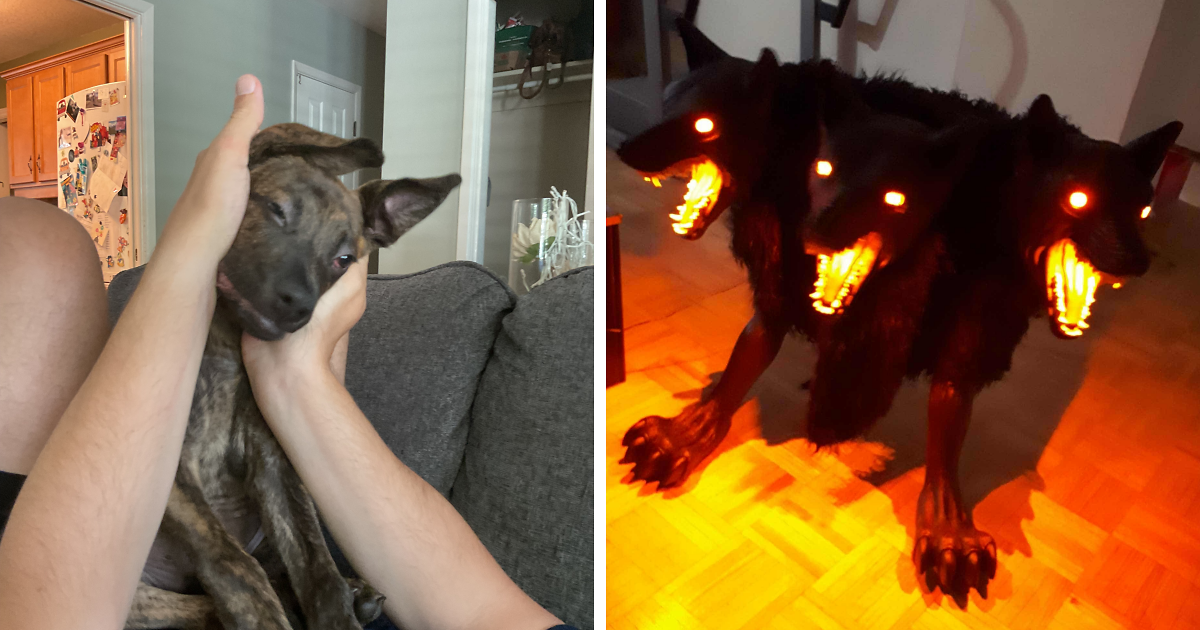
Some photos are adorable. Some are dramatic. And then there is that elite category of animal pictures that make you laugh, gasp, and whisper, “Well, that cat definitely knows my secrets.” Spooky animal photos live in that magical space between cute and chaotic. They feature glowing eyes, midnight fur, ghostly feathers, suspicious side-eyes, and the kind of timing that makes an ordinary pet or wild visitor look like it just stepped out of a Halloween trailer.
That is exactly why the idea behind “Hey Pandas, Show Me Your Spookiest Animal Photos” works so well. It taps into internet culture’s favorite trio: animals, personality, and a tiny bit of theatrical nonsense. A black cat in a hallway becomes a gothic icon. A dog caught by porch light turns into a suburban werewolf. An owl on a fence post looks like it is guarding a portal behind the garden shed. Nobody planned for these moments to feel cinematic, but that is part of the charm. The best spooky animal photos look accidental, authentic, and just a little bit unhinged.
This article explores why these photos grab attention, what makes them feel eerie instead of plain dark, which animals steal the spooky spotlight, and how to capture these images safely and ethically. Because yes, the vibes matter. But the animal’s comfort matters more. No photo is worth turning your pet into a stressed pumpkin or bothering wildlife so you can chase “haunted forest energy.”
Why Spooky Animal Photos Instantly Hook People
Spooky animal photos work because they play with contrast. Animals are often associated with comfort, loyalty, softness, and chaos of the lovable variety. When a photo suddenly makes that same animal look mysterious or supernatural, our brains pay attention. It is the visual equivalent of hearing your sweetest friend answer the phone in a villain voice. Unexpected equals memorable.
These images also thrive online because they are easy to react to. You do not need a long explanation. You see a cat with glowing yellow eyes under a chair and immediately understand the assignment. That photo says, “I am not just a pet. I am the final boss of the laundry room.” The humor is instant, but so is the fascination.
There is also a strong cultural layer here. Black cats, owls, bats, crows, and other nighttime creatures have been tied to spooky folklore for generations. That symbolism still shapes how people interpret images today. A black dog in bright afternoon sun looks friendly. The same dog half-lit by a porch bulb at 10 p.m. suddenly looks like it has opinions about the full moon. Context changes everything.
The Cute-But-Creepy Sweet Spot
The most successful spooky animal photos are rarely outright scary. They live in the sweet spot between eerie and endearing. That is why they get shared so much. Viewers are not running away from the image. They are leaning in, laughing, and sending it to a friend with the caption, “This raccoon looks like it pays taxes and haunts attics on weekends.”
In other words, the genre works because it is playful. It lets people enjoy Halloween-style atmosphere without losing the warmth that makes animal content so irresistible in the first place.
What Actually Makes an Animal Photo Feel Spooky?
Not every dark photo is spooky, and not every black cat automatically becomes art. The eerie effect usually comes from a few visual ingredients working together.
1. Lighting That Suggests, Not Explains
Low light is the MVP of spooky animal photography. It hides some details and emphasizes others, which creates mystery. A pet standing in the edge of a doorway can look far more dramatic than the same pet sitting in the middle of a bright kitchen next to a cereal box. Dim light, backlighting, moonlight, porch bulbs, foggy windows, and soft shadows all add atmosphere.
This is also why “pet eye” happens so often in creepy animal photos. In low ambient light or when flash is involved, animal eyes can reflect white, green, yellow, or red. Sometimes that glow turns a completely normal snapshot into accidental horror-comedy gold. One second you are documenting your beagle. The next, you have visual proof that he has opened a side business summoning spirits in the den.
2. Expressions That Feel Weirdly Human
Animals do not need to smile for a photo to be expressive. In fact, the best spooky pictures often feature a stare, a tilt of the head, flattened ears, puffed-up fur, or the frozen stillness that says, “I heard something behind the wall, and I do not care for it.” A photo becomes more powerful when the viewer can project a mood onto it.
That is why candid shots often beat overly posed ones. When an animal is alert and focused on something just outside the frame, the photo instantly gains tension. It feels like a story is happening, and we arrived at the exact right second.
3. Angles That Add Drama
Eye-level photography is great for connection, but slightly lower or more unexpected angles can intensify the spooky look. Shooting up toward an owl makes it look statuesque and ancient. Getting low to the floor with a cat in a hallway turns an ordinary scene into a tiny gothic thriller. Close framing can make eyes, whiskers, claws, or feathers feel larger than life.
The trick is not to overcomplicate things. Spooky photos often work because one visual detail stands out: the eyes, the silhouette, the wings, the teeth, or the posture. Give that detail room to take over the frame.
4. Background and Timing
A cluttered background can ruin the mood faster than a neon laundry basket. Spooky imagery thrives on clean composition. Doorways, fences, bare branches, fog, old wood, night sky, and shadowed corners all help. The ideal moment often comes at dawn, dusk, or just after sunset, when the world already looks like it is in costume.
The Animals That Own the Spooky Aesthetic
Some animals barely need help. They were born camera-ready for October.
Black Cats: The Undisputed Halloween Royalty
If spooky animal photos had a hall of fame, black cats would have the first ten plaques. Their solid dark fur naturally creates silhouette and contrast. Their eyes pop in low light. Their quiet movement already feels theatrical. Put one near a staircase, under a chair, beside a pumpkin, or in a patch of moonlight, and you have instant atmosphere.
But there is an important reality check here: black cats deserve admiration, not superstition. Their spooky reputation is old folklore, not truth. That makes them especially powerful in modern photography. They are iconic not because they are unlucky, but because they photograph beautifully and carry centuries of visual symbolism that people instantly recognize.
Owls: Feathered Ghosts With Excellent Timing
Owls are nature’s built-in gothic design team. Their silent flight, forward-facing eyes, pale facial discs, and nighttime habits make them look otherworldly even in ordinary settings. A barn owl in particular can appear almost ghostlike, especially when it is caught in motion against a dark background.
That said, photographing owls is not a free-for-all. They are wildlife, not props. The more mysterious the bird, the more careful the photographer should be. Respect distance, do not crowd nests, and do not chase a shot that clearly disturbs the animal.
Bats: Tiny Night Flyers With Bad PR and Great Visuals
Bats have been cast as Halloween sidekicks for ages, but they are more than spooky silhouettes. They are ecologically important, visually fascinating, and unfairly misunderstood. Their flight patterns at dusk, sharp wing shapes, and association with nighttime make them perfect symbols of spooky season. In a good image, they can look elegant, cinematic, and slightly unreal.
That contrast is part of what makes bat photos compelling. They look eerie, but the real story is that they help ecosystems through insect control, pollination, and seed dispersal. That mix of creepy styling and useful reality makes them one of the most interesting animals in the genre.
Dogs, Possums, Frogs, and Other Surprise Stars
Not all spooky champions come with a Halloween résumé. Dogs frequently win by accident, especially in low light. One reflective-eye photo and suddenly your sweet rescue looks like it has been guarding a cursed cornfield since 1842. Possums naturally look like they have seen things no mortal should see. Frogs can appear delightfully sinister in close-up. Even a horse in morning fog can look like a scene from a fantasy film.
The lesson is simple: spooky energy is often situational. Almost any animal can look eerie with the right timing, lighting, and expression.
How to Take Spooky Animal Photos Without Being That Person
A great Halloween pet photo or eerie wildlife image should never come at the cost of stress, discomfort, or risk. The mood can be spooky. Your methods should not be.
For Pets: Comfort Comes First
Start with the animal’s personality. If your dog loves attention, props, and being the center of the household drama, amazing. If your cat reacts to costumes like you just insulted its ancestors, skip the costume. A good spooky image can come from shadows, angle, and expression alone. No cape required.
Use familiar locations where the pet feels safe. Reward them with treats, toys, praise, and patience. Keep sessions short. Avoid harsh flash, especially with very young animals. If you are trying a costume, make sure it does not restrict movement, breathing, hearing, or vision, and avoid dangling pieces that can be chewed or caught.
Also, remember the least glamorous but most important rule: keep Halloween hazards out of the scene. Candy, wrappers, lit candles, glow sticks, small decorations, and escape-prone open doors are not festive details. They are risks.
For Wildlife: Ethics Are Non-Negotiable
Spooky wildlife photography can be stunning, but ethical boundaries matter. Do not bait animals for dramatic shots. Do not approach nests too closely. Do not force movement just because you want wings spread or eyes locked on camera. If the animal changes behavior because of your presence, back off. The photo is no longer worth it.
Patience usually produces better work anyway. Wildlife images feel more powerful when they show natural behavior. A still owl, a bat at dusk, or a fox crossing a foggy trail is far more memorable than an image created by pressure or disturbance.
Use the Atmosphere You Already Have
You do not need a full haunted-house production budget. Try a porch light, a foggy morning walk, a window reflection, a lantern placed safely out of reach, or the natural gloom of dusk. Focus on the eyes. Let the animal look off-camera. Keep the frame uncluttered. Suddenly your backyard has production value.
Common Mistakes That Kill the Mood
First, over-editing. If every shadow is crushed and every eye glow is cranked to neon, the image starts looking fake instead of eerie. Spooky is strongest when it still feels believable.
Second, forcing a pet into a concept. If the animal looks miserable, the photo is not moody. It is just awkward. Third, ignoring the background. A ghostly cat loses a lot of power when the viewer also sees a vacuum cleaner, a pizza coupon, and one lonely athletic sock.
Finally, do not confuse discomfort with drama. Trembling, crouching, frantic movement, or attempts to escape are not “intense expressions.” They are signs to stop.
Why “Hey Pandas, Show Me Your Spookiest Animal Photos” Is Such a Great Prompt
The title works because it is interactive, visual, and emotionally easy to answer. People love showing off pets, funny accidents, and strangely perfect timing. This prompt gives them permission to post the weirdest, most theatrical animal image in their camera roll. It also invites variety. One person uploads a black cat in a curtain shadow. Another shares a barn owl in snowfall. Someone else contributes a bulldog whose reflective eyes make him look like a tiny nightclub demon. Everybody wins.
It also creates a community vibe rather than a competition. The goal is not professional perfection. It is personality, atmosphere, and reaction. The best image might be technically imperfect but emotionally perfect. Slight blur can add motion. Grain can add mood. A poorly timed yawn can become a monster face. Sometimes spooky greatness is just good luck with excellent comedic timing.
Experiences That Make This Trend So Relatable
What makes spooky animal photography so satisfying is that nearly everyone who lives with, cares for, or even casually spots animals has experienced one of these moments. You are not always trying to create a masterpiece. Sometimes you are simply walking into the kitchen at night, noticing your cat sitting in complete silence on top of the counter like a velvet gargoyle, and realizing the photo opportunity has chosen you.
Maybe you have seen it with a dog first. During the day, he is a floppy-eared optimist who trips over his own enthusiasm. At night, the hallway light catches his eyes just right and suddenly he looks like the ancient guardian of your coat closet. You take the picture, laugh for five straight minutes, and spend the rest of the evening showing people proof that your pet has an after-hours identity.
Cat owners know the genre especially well. A black cat does not even have to try. One minute she is asking for dinner. The next she is sitting beside a doorway in silhouette, tail wrapped like punctuation, staring into a room nobody else is currently brave enough to enter. The image feels spooky because the cat is doing what cats do best: appearing deeply informed, mildly judgmental, and absolutely unbothered by human comfort levels.
Wildlife brings a different kind of experience. You might be outside just after sunset, see movement on a fence post, and realize an owl has been watching the whole neighborhood with the calm confidence of a creature that has never once paid rent and still owns the night. The photo may not be perfect, but the feeling sticks. Or maybe you catch bats flickering across the evening sky, quick as thrown shadows, and the image becomes memorable because it captured motion, mystery, and a tiny reminder that the world is much livelier after dark than people like to think.
Even funny “failed” photos become part of the experience. A yawn turns into a scream. A sneeze becomes a demon face. A rabbit freezes at the exact moment your camera catches it mid-turn, and now it looks like it knows where the treasure is buried. These are the pictures people save forever because they feel unplanned and therefore strangely honest. They are not manufactured spooky season content. They are ordinary moments that accidentally slipped on a Halloween costume.
That is why this theme keeps working. It is not really about fear. It is about surprise, personality, and the joy of discovering that animals can look majestic, ridiculous, and supernatural in the span of one shutter click. The best spooky animal photos remind us that the natural world is not flat or boring. It is expressive, weird, theatrical, and often much funnier than anything people could stage on purpose.
So if you are scrolling through your camera roll looking for the perfect answer to “Hey Pandas, Show Me Your Spookiest Animal Photos,” do not overthink it. Find the picture that makes people pause, grin, and say, “Why does this hamster look like it runs a secret society?” That is the one. That is the magic. And that is exactly why spooky animal photos never go out of style.
Conclusion
“Hey Pandas, Show Me Your Spookiest Animal Photos” is more than a fun internet prompt. It is a celebration of timing, personality, and the wonderfully dramatic side of the animal world. The best photos in this category are not necessarily the darkest, sharpest, or most elaborate. They are the ones that capture a real moment and turn it into a tiny story. A black cat becomes a legend. An owl becomes a ghost with feathers. A sleepy dog becomes a suspicious night creature with reflective eyes and zero explanation.
When done well, spooky animal photography blends humor, atmosphere, and respect. It gives pets and wildlife their cinematic moment without pushing them beyond their comfort. That is the real secret: mood matters, but kindness matters more. Get that balance right, and your spooky animal photo will not just look cool. It will feel alive.