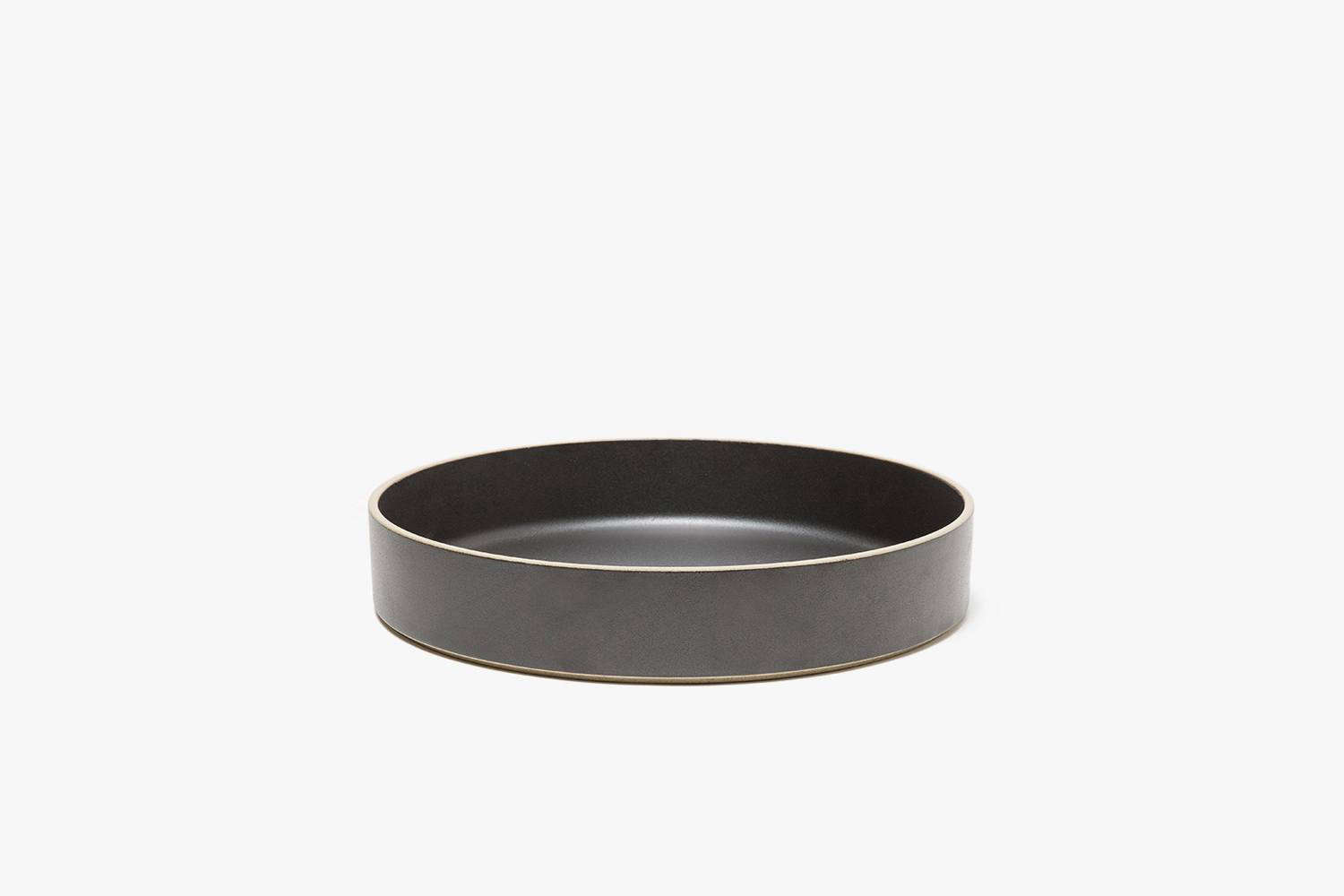
Some bowls are just bowls. They hold soup, behave politely in the dishwasher, and live quiet lives in a cabinet. Then there is the Hasami 11 3/4 in. Porcelain Bowl, a piece of Japanese tableware that looks simple at first glance but quietly flexes a design résumé longer than a restaurant wine list. It is wide, stackable, minimalist, and confidently understatedthe kind of bowl that makes leftover noodles look like they have been personally styled by an art director.
Hasami Porcelain is known for combining traditional Japanese ceramic techniques with modern, modular design. The 11 3/4 inch porcelain bowl fits beautifully into that philosophy. It is not covered in patterns, gold rims, or decorative drama. Instead, it relies on shape, texture, proportion, and utility. In other words, it does not shout from the table. It simply arrives, looks fantastic, and lets the food take the spotlight.
This in-depth guide explores what makes the Hasami 11 3/4 in. Porcelain Bowl special, how it compares with ordinary serving bowls, where it fits in a modern kitchen, and why its quiet design has earned so much attention from people who care about thoughtful dinnerware. We will also cover care tips, styling ideas, buying considerations, and real-life experiences using a large porcelain bowl like this in daily meals and entertaining.
What Is the Hasami 11 3/4 in. Porcelain Bowl?
The Hasami 11 3/4 in. Porcelain Bowl is a large, wide-format serving bowl associated with Hasami Porcelain, a Japanese tableware brand rooted in the pottery tradition of Hasami, a historic ceramics town in Nagasaki Prefecture, Japan. Hasami has been connected with porcelain production for roughly four centuries, and the brand draws from that heritage while presenting a clean, contemporary look.
This bowl is commonly described as made from semi-porcelain or a porcelain-clay blend, depending on the retailer or collection description. That material choice gives it a unique personality: more organic and tactile than glossy white porcelain, yet more refined than rustic earthenware. It has enough visual restraint for a modern dining room but enough warmth to avoid looking like it escaped from a laboratory.
A Bowl Designed for More Than One Job
The 11 3/4 inch size makes this piece especially useful as a serving bowl. It can handle salads, rice dishes, pasta, roasted vegetables, fruit, bread, grain bowls, shared appetizers, and even a dramatic pile of citrus on the counter. Because the design is broad and low rather than tall and narrow, food spreads out naturally. That makes it easier to present ingredients clearly instead of hiding them in a ceramic cave.
The bowl also belongs to Hasami Porcelain’s larger design language: simple circular forms, stackable proportions, and a practical modular system. Plates, bowls, lids, mugs, and trays in the collection are often designed to work together. That means the bowl is not an isolated item; it is part of a tableware ecosystem. A very calm ecosystem, thankfullyno predators, just elegant storage.
The Design Philosophy Behind Hasami Porcelain
Hasami Porcelain was developed under the direction of designer Takuhiro Shinomoto, connected with Tortoise General Store in Venice, California. The concept blends Japanese craft heritage with a modern lifestyle approach. The result is dinnerware that feels both old and new: old in its respect for material and firing tradition, new in its sharp geometry and stackable practicality.
One of the biggest inspirations behind the collection is the Japanese jubako, a traditional tiered box used for storing and serving food. Hasami Porcelain borrows that logic and applies it to contemporary tableware. Pieces can nest, stack, and serve multiple purposes. A plate may work as a lid. A tray may become a serving piece. A bowl may become the centerpiece of the meal without acting like it needs applause.
Minimalism With Actual Usefulness
Minimalist products sometimes suffer from a tragic condition known as “beautiful but annoying.” They look excellent in photos but fail the moment you ask them to perform a normal household task, such as holding soup without becoming an emotional event. Hasami Porcelain avoids that trap by focusing on usability. The bowl is intended for real tables, real kitchens, and real people who occasionally eat dinner while standing over the sink. No judgment.
The design is clean because clean forms are practical. A straight rim helps stacking. A wide surface helps serving. A matte texture reduces visual glare and gives the bowl a grounded feel. The simplicity is not emptiness; it is decision-making. Every curve, line, and diameter feels considered.
Material: Why Semi-Porcelain Matters
The phrase porcelain bowl usually makes people imagine something glossy, delicate, and perhaps one accidental elbow away from disaster. Hasami Porcelain has a different mood. Its semi-porcelain body combines qualities often associated with porcelain and earthenware. It is dense, refined, and suitable for everyday use, but it also has a warm, natural texture that feels more handcrafted than mass-produced.
The brand is often described as using a blend that includes natural stone and clay materials. Some retailers specifically mention Amakusa pottery stone, a material historically associated with Japanese porcelain production. This contributes to the tactile surface and subtle tonal variation. In plain English: the bowl does not look plastic-perfect, and that is the point.
Texture, Tone, and Natural Variation
Depending on the finish, Hasami Porcelain pieces may show small differences in color, surface feel, and texture. These variations are not usually treated as flaws. They are part of the character of the material and production process. The matte black version, for example, can feel more earthy and architectural, while the natural finish has a softer, sand-like warmth.
This matters because tableware has a powerful effect on food presentation. A matte porcelain bowl can make bright greens, golden roasted squash, red tomatoes, creamy pasta, or glossy fruit stand out. The bowl stays visually quiet while food gets to be the main character. Finally, dinnerware that understands supporting roles.
Key Features of the Hasami 11 3/4 in. Porcelain Bowl
1. Large Serving-Friendly Size
At approximately 11 3/4 inches across, this bowl sits firmly in serving-bowl territory. It is not the bowl you use for a shy handful of almonds. It is the bowl you reach for when dinner is meant to be shared. Think family-style pasta, leafy salads, rice with grilled vegetables, soba noodles, dumplings, or seasonal fruit.
2. Stackable Shape
Stackability is one of the most important reasons people choose Hasami Porcelain. The straight-sided, modular forms allow compatible pieces to nest neatly. In small kitchens, this is not a minor perk. It is the difference between a calm cabinet and an avalanche that attacks every time you need a plate.
3. Matte, Organic Surface
The surface is a major part of the appeal. Hasami Porcelain is known for a matte finish that feels warmer and more tactile than standard glossy dinnerware. The bowl looks sophisticated without feeling precious. It has the visual personality of something handmade, but the discipline of something designed with serious intent.
4. Microwave and Dishwasher Convenience
Many Hasami Porcelain bowls are described by retailers as microwave safe and dishwasher safe. That is important because good design should not require a lifestyle contract. A bowl meant for daily use needs to survive leftovers, reheating, and the end-of-night dishwasher shuffle.
5. Made in Japan
Hasami Porcelain pieces are made in Japan, drawing on the ceramic history of Hasami in Nagasaki. The region’s production tradition involves specialized craftspeople handling different steps, from material preparation to forming, glazing, firing, and finishing. That collaborative process helps explain why the pieces can feel both consistent and individually expressive.
How to Use the Hasami 11 3/4 in. Porcelain Bowl
The easiest way to understand this bowl is to stop thinking of it as a single-purpose item. It is not just a salad bowl, not just a pasta bowl, and not just a decorative vessel. It is a wide-format porcelain serving bowl that moves smoothly between meal prep, dining, and presentation.
For Salads
A large, shallow porcelain bowl is excellent for composed salads. Instead of piling greens into a mountain that collapses like a tiny leafy landslide, you can spread ingredients across the surface. Arugula, roasted beets, goat cheese, walnuts, and citrus segments suddenly look intentional. Even a simple cucumber salad gets upgraded from “side dish” to “restaurant energy.”
For Pasta and Noodles
The bowl works beautifully for pasta, udon, soba, ramen toppings, or cold noodle salads. Its wide diameter gives sauces room to coat ingredients evenly. For long noodles, that space matters. Nobody wants to wrestle spaghetti out of a narrow bowl like they are solving a rope puzzle.
For Grain Bowls and Rice Dishes
Grain bowls depend on visibility. Rice, quinoa, farro, vegetables, proteins, sauces, and garnishes all look better when they have room to breathe. A Hasami porcelain serving bowl gives each component enough space to show texture and color, making even practical weeknight food feel carefully assembled.
For Fruit, Bread, and Countertop Styling
When not in use for meals, the bowl can serve as a fruit bowl or decorative countertop piece. Its minimalist shape works well in modern, Scandinavian, Japanese, Japandi, rustic, and industrial interiors. It looks good with lemons, pears, apples, figs, linen napkins, or nothing at all. Empty, it still has presence.
Why Designers and Home Cooks Like It
The appeal of the Hasami 11 3/4 in. Porcelain Bowl comes from a rare balance: it is beautiful enough for a design-conscious home but practical enough for Tuesday night rice. It does not demand a matching tablescape, imported candles, or a dining table that has never seen homework. It simply improves the visual rhythm of everyday eating.
Designers appreciate the proportions, modular stacking, restrained palette, and connection to Japanese craft. Home cooks appreciate that it can hold a generous amount of food and still look tidy. People with small cabinets appreciate that it stacks well. People with large cabinets appreciate that it gives them a reason to reorganize those cabinets and pretend adulthood is under control.
Hasami Porcelain vs. Ordinary Porcelain Bowls
Ordinary porcelain bowls are often glossy, bright white, and smooth. They are useful, but they can sometimes feel formal or generic. Hasami Porcelain has a different personality. It is more tactile, more muted, and more architectural. It feels like something you might find in a thoughtfully designed café, boutique hotel, or beautifully calm kitchen where nobody owns twelve mismatched plastic lids.
The difference is not only visual. The modular design gives Hasami Porcelain a practical edge. Because many pieces share compatible diameters, they are easier to stack and combine. If you build a collection over time, the bowl can work with plates, trays, mugs, and other bowls instead of becoming a lone ceramic island.
Care and Maintenance Tips
While many Hasami Porcelain bowls are described as dishwasher and microwave safe, thoughtful care will help preserve the surface. Matte ceramics can sometimes show utensil marks more visibly than glossy dinnerware, especially with metal flatware. This does not mean the bowl is fragile; it simply means the surface has a different texture and should be treated with reasonable care.
Cleaning the Bowl
Use a soft sponge, mild dish soap, and warm water for everyday cleaning. Avoid harsh scouring pads, especially on matte finishes. If food residue clings to the surface, soak the bowl briefly before washing. The dishwasher is convenient, but handwashing can be gentler over the long run, particularly for pieces you want to keep looking their best.
Preventing Marks and Stains
Dark sauces, oils, turmeric, tomato, and coffee-like pigments can sometimes leave temporary marks on porous-looking or matte surfaces. Rinsing soon after use helps. For stubborn marks, try a paste of baking soda and water, rubbing gently rather than attacking the bowl like it owes you money.
Storage Advice
Stack similar pieces carefully. If you are worried about rubbing or surface marks, place a thin cloth, felt pad, or paper towel between bowls. This is especially helpful with larger pieces. The bowl may be sturdy, but gravity remains undefeated.
Buying Considerations Before You Add It to Your Kitchen
Before purchasing a Hasami porcelain bowl, confirm the exact size, color, finish, and retailer description. Some listings describe Hasami bowls by diameter in inches, while others use millimeters or collection numbers. The 11 3/4 inch size is often presented as a large serving format, but current availability may vary by retailer and collection.
Also consider whether you prefer natural, black, or gray tones. Natural is warmer and easier to blend with casual table settings. Black is dramatic and makes colorful food pop. Gray feels quiet, modern, and slightly more polished. None is “better”; the right choice depends on your kitchen, your existing dinnerware, and how strongly you believe soup deserves a stage.
Styling Ideas for the Hasami 11 3/4 in. Porcelain Bowl
Modern Minimal Table
Pair the bowl with linen napkins, matte flatware, clear glass tumblers, and simple white or gray plates. Add one low floral arrangement or a small branch in a ceramic vase. The result feels calm and intentional without trying too hard.
Warm Rustic Setting
Use the bowl with wood serving boards, woven placemats, stonewashed linen, and handmade mugs. Fill it with roasted root vegetables, sourdough, or a hearty grain salad. The organic texture of the porcelain works beautifully with natural materials.
Japanese-Inspired Meal
Serve soba, rice, pickles, grilled fish, miso-glazed vegetables, or tofu dishes alongside smaller bowls and plates. Because Hasami Porcelain is rooted in Japanese design logic, it feels especially comfortable in a meal built around balance, seasonality, and small shared dishes.
Who Is This Bowl Best For?
The Hasami 11 3/4 in. Porcelain Bowl is best for people who appreciate functional design, Japanese tableware, minimalist interiors, and high-quality everyday objects. It is ideal for home cooks who serve food family-style, hosts who care about presentation, and design lovers who prefer quiet luxury over loud decoration.
It may not be the best choice for someone who wants ultra-light dinnerware, bright glossy finishes, or a low-cost basic serving bowl. Hasami Porcelain sits in a more considered category. You are paying for design, material character, production heritage, and the pleasure of using something that feels carefully made.
Real-Life Experiences With the Hasami 11 3/4 in. Porcelain Bowl
Living with a bowl like the Hasami 11 3/4 in. Porcelain Bowl changes small kitchen habits in surprisingly noticeable ways. The first thing you realize is that size mattersbut not in the clumsy “where do I store this giant thing?” way. The wide shape makes it useful without feeling oversized. It can hold a big salad for four people, but it can also sit on the counter with fruit and look completely natural. It does not have that awkward “special occasion only” energy that makes some serving pieces disappear into a cabinet until Thanksgiving.
One of the most satisfying uses is serving pasta. A deep pot-style bowl can make pasta look heavy and crowded, especially when the sauce settles at the bottom. In a wide Hasami-style porcelain bowl, pasta spreads out, steam rises evenly, herbs stay visible, and grated cheese lands like snow instead of forming one suspicious dairy hill. A simple tomato pasta suddenly looks like dinner from a small neighborhood restaurant where the menu is handwritten and everyone seems calmer than you.
The bowl is also excellent for salads because it gives ingredients enough space to mix without launching lettuce onto the table. With a large Caesar salad, for example, romaine, croutons, shaved Parmesan, and dressing can be tossed directly in the bowl. With a grain salad, the wide surface lets you arrange roasted vegetables, chickpeas, herbs, and lemon wedges in sections before mixing. This is especially helpful when serving guests because people can see what is in the dish before committing. Transparency is good in friendships and in salads.
Another real-world advantage is how well the bowl works outside formal dining. It can sit on a coffee table with popcorn during movie night, hold oranges on a kitchen island, or serve as a landing place for dinner rolls. The minimalist design makes it flexible. It does not scream “salad bowl” or “holiday bowl.” It simply adapts. That versatility matters in modern homes where storage space is limited and every object needs to earn its square footage.
The tactile surface is part of the daily pleasure. Glossy bowls are easy to like, but matte porcelain has a quieter charm. Picking it up feels different. It has a grounded, slightly earthy quality that reminds you it came from raw materials and heat, not from a design spreadsheet alone. That texture also changes how food looks. Bright foods appear brighter. Creamy foods look softer. Dark leafy greens gain contrast. Even sliced apples look like they were part of a plan.
There are a few practical lessons. First, it is smart to rinse the bowl soon after serving oily or deeply colored foods. Matte and unglazed-looking finishes can show marks more readily than shiny glaze. Second, avoid aggressive metal scraping. Use serving spoons that are smooth, wood, silicone, or stainless steel with care. Third, because the bowl is large, it deserves a stable shelf. Do not balance it on top of a leaning tower of mugs unless your life needs more suspense.
Over time, the best thing about the Hasami 11 3/4 in. Porcelain Bowl is that it becomes part of the rhythm of cooking. You reach for it when making a big salad, when setting out fruit, when plating noodles, when serving roasted vegetables, or when you want the table to look finished without extra decoration. It proves that a good bowl does not need to be flashy. It just needs to be useful, beautiful, and dependablethe kitchen equivalent of a friend who brings snacks and never starts drama.
Conclusion
The Hasami 11 3/4 in. Porcelain Bowl is more than a large serving bowl. It is a thoughtful piece of Japanese tableware shaped by centuries of ceramic tradition and modern design intelligence. Its semi-porcelain body, matte texture, stackable form, and wide serving surface make it practical for everyday cooking while elegant enough for entertaining.
For anyone building a more intentional kitchen, this bowl is a strong choice. It works hard without looking busy, stores well without fuss, and makes food look better without stealing attention. In a world full of over-designed objects, the Hasami porcelain bowl succeeds by doing lessbut doing it beautifully.
SEO Tags
Note: This article is written for web publishing in standard American English and synthesizes real product, design, material, and care information about Hasami Porcelain without adding unnecessary source-code elements.