Paris has never had a shortage of places to drink wine. That would be like saying the Seine has never had a shortage of water or French people have never had a shortage of opinions about bread. But every so often, a small address comes along that makes the city’s wine culture feel newly alive. GreenHouse, the natural wine bar and garden-minded restaurant concept associated with California-born chef Kristin Frederick, is one of those quietly charming places where Parisian dining takes off its blazer, rolls up its sleeves, and starts talking about herbs, soil, and fermented grapes.
Located on Rue Crespin du Gast near Ménilmontant, GreenHouse was imagined as more than a pretty café with leafy décor. It brought together several ideas that now feel very current: organic ingredients, small producers, seasonal cooking, natural wine, reusable design finds, and a neighborhood-friendly garden atmosphere. In other words, it was a botanical edition of the Paris wine bar before everyone with a hanging pothos and a cloudy orange wine decided they were “deeply committed to terroir.”
This article explores what made GreenHouse special, why natural wine has become such a defining part of modern Paris dining, and how botanical restaurant design can turn a small space into an experience that feels generous, relaxed, and deliciously green.
What Is GreenHouse in Paris?
GreenHouse was developed as a fresh, plant-forward restaurant and evening natural wine bar by Kristin Frederick, the chef known for helping popularize gourmet food trucks in France through Le Camion Qui Fume. Her background matters because GreenHouse was not created as a stiff, traditional French bistro. It carried a more Californian sense of casual abundance: seasonal vegetables, bright flavors, flexible dining, takeout-friendly food, and a refusal to treat “healthy” as code for “sad lettuce in a bowl.”
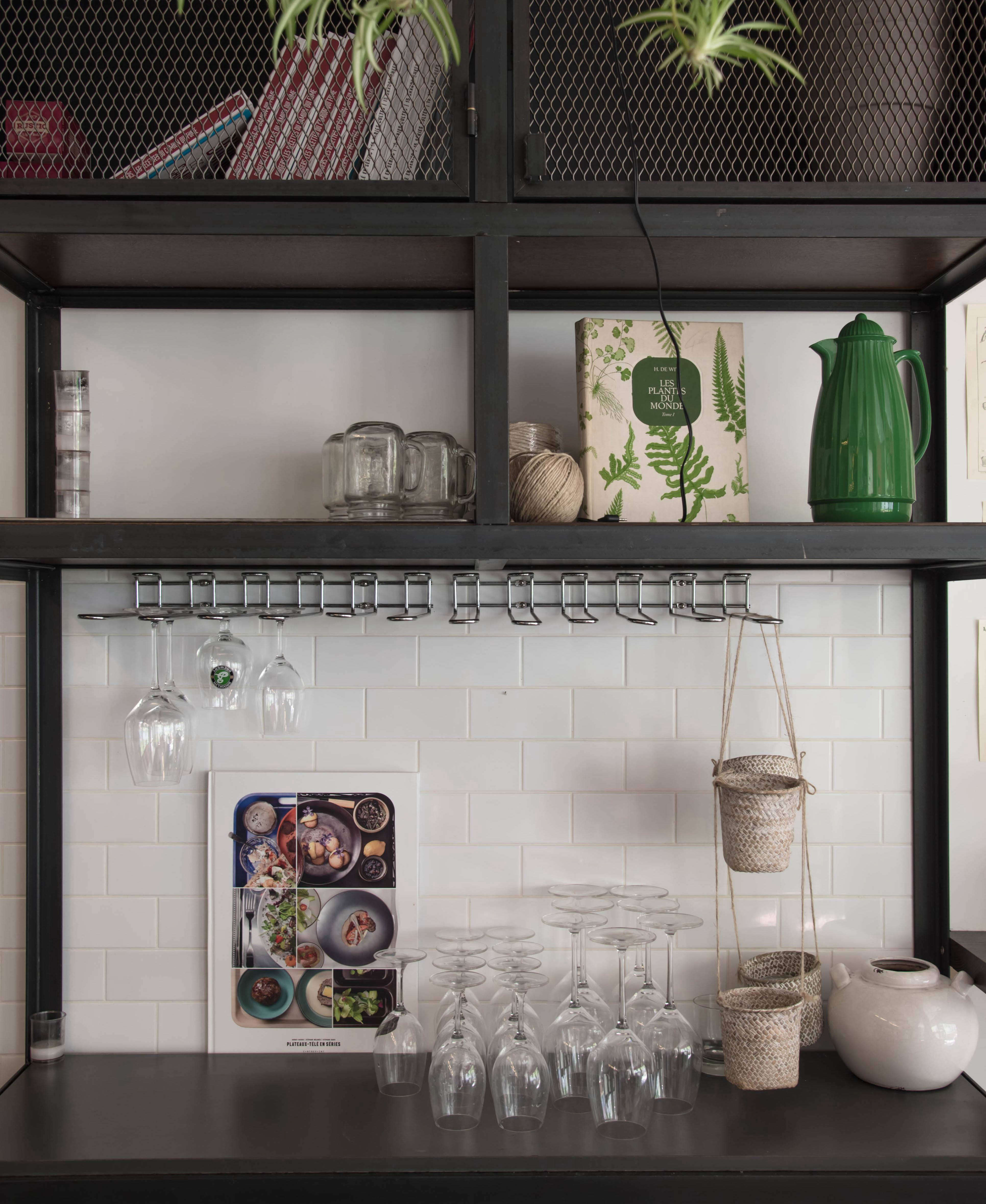
The space itself was small, but it had personality. The design leaned into vintage French school chairs, collected glassware, botanical prints, brocante finds, and plants. The result was not a luxury greenhouse with marble counters and a florist on retainer. It was more approachable: a little quirky, a little scrappy, and very Paris in the way that a tiny room can somehow contain an entire worldview.
GreenHouse also stood out because of its outdoor garden element, a rare feature in dense urban Paris. In a city where a terrace table sometimes means one metal chair squeezed between a scooter and a philosophical argument, a garden-connected dining experience feels like a small miracle. The place suggested that a restaurant could be not only a site of consumption but also a living, breathing part of the neighborhood.
The Natural Wine Bar Movement in Paris
Natural wine is not just a beverage category; it is a mood, a philosophy, and occasionally a conversation that lasts longer than the bottle. In simple terms, natural wine generally refers to wine made with minimal intervention. The grapes are often farmed organically or biodynamically, fermented with native yeasts, and bottled with little to no additives. Many natural wines are unfined, unfiltered, and lower in added sulfites than conventional bottles.
That does not mean every natural wine tastes like kombucha that went backpacking through Burgundy. Some are clean, elegant, and beautifully structured. Others are cloudy, fizzy, earthy, floral, savory, or wildly unpredictable. The point is not sameness. The point is expression: of grape, vineyard, vintage, and maker.
Paris became one of the world’s most exciting cities for natural wine because it already had the infrastructure for intimate drinking: small bars, cave à manger concepts, serious food culture, and a customer base willing to debate a bottle as if it were running for office. Neighborhoods in eastern Paris, especially around the 10th, 11th, 19th, and 20th arrondissements, became fertile ground for natural wine bars that felt more relaxed than old-school restaurants but more thoughtful than ordinary drinking spots.
Why Paris Loves the Cave à Manger
A cave à manger is part wine shop, part bar, part casual restaurant. You choose a bottle, pay a corkage fee if drinking on-site, and pair it with small plates or simple seasonal cooking. This format suits natural wine beautifully because discovery is part of the fun. You are not ordering “the usual.” You are saying yes to something from the Loire, Jura, Alsace, Beaujolais, Burgundy, or maybe Italy, Spain, or Georgia, then trusting the person behind the counter not to send you into full vinegar panic.
GreenHouse shared this spirit. By day, it offered organic, product-centered food. By night, it leaned into natural wines, music, tapas, and a more social rhythm. It was not about white-tablecloth seriousness. It was about the good kind of informality: the kind where someone might explain a bottle, hand you a plate of something seasonal, and make you feel like you accidentally joined the neighborhood.
Botanical Design: Why the “Green” in GreenHouse Matters
The botanical theme at GreenHouse was more than decoration. Plants and garden references gave the restaurant a sense of freshness before the first glass was poured. In hospitality design, greenery softens hard edges, improves atmosphere, and makes a small room feel less like a box and more like a place to stay awhile. When done well, biophilic design connects diners to nature through materials, color, texture, light, and living plants.
At GreenHouse, the aesthetic worked because it matched the menu and wine philosophy. Botanical prints, vintage furniture, and garden elements did not feel pasted on for social media. They supported the restaurant’s larger story: food from small producers, organic ingredients, seasonal rhythm, and wines that try to speak honestly of the land.
Not a Jungle, Not a Theme Park
There is a dangerous line between botanical charm and “someone panic-bought every fern in the arrondissement.” GreenHouse avoided that trap by using garden-related details with restraint and humor. The design felt collected rather than manufactured. It had the lived-in feeling of a place assembled by people who care more about texture and atmosphere than matching every chair to a brand mood board.
This matters for SEO readers and real travelers alike because people are increasingly searching for restaurants that offer an experience, not just a meal. Terms like natural wine bar Paris, botanical restaurant design, organic restaurant Paris, and sustainable dining Paris point to the same desire: visitors want places that feel memorable, local, and meaningful without becoming precious.
The Food: Seasonal, Organic, and Product-Centered
GreenHouse’s food identity was built around organic ingredients and seasonal produce, but it was not strictly vegetarian. The concept was product-centered rather than ideology-centered. That distinction is important. A product-centered kitchen asks what ingredients are best right now, how they should be cooked, and how much handling they need. Sometimes the answer is vegetables and herbs. Sometimes it is chicken, fish, beef, duck, grains, pickles, or a deeply satisfying egg.
Examples associated with the menu included vegetable-forward dishes, dumplings, soups, quinoa bowls, spelt risotto, fresh herbs, roasted vegetables, beetroot, smoked hummus, tahini, and raw chocolate-style desserts. The culinary identity moved easily between California, France, and Asian influences. That could sound chaotic, but in a small Paris restaurant, it reads as modern: global, flexible, practical, and built for real appetites.
Fast-Good Instead of Fast Food
One of the most useful ways to understand GreenHouse is through the idea of “fast-good.” This means food that is quick and accessible without being careless. It is the opposite of industrial fast food, but it is also not the kind of fine dining that requires a four-hour commitment and emotional preparation. GreenHouse offered the kind of cooking that could work for lunch, takeaway, or a relaxed evening with wine.
That middle ground is one reason the concept still feels relevant. Modern diners want quality, but they also want flexibility. They want a plate that tastes alive, a glass that has a story, and a setting that does not make them whisper as if the napkins have graduate degrees.
The Wine: Natural, Lively, and Producer-Driven
A natural wine bar succeeds or fails on curation. The best lists are not random collections of funky labels and ambitious handwriting. They are guided selections that help guests find a wine suited to the evening, the food, and their personal tolerance for adventure.
GreenHouse’s wine direction highlighted small producers and natural winemakers. Names associated with its wine program included Vincent Fleith from Alsace, Sarnin-Berrux from Burgundy, Pierre-Olivier Bonhomme from Touraine, and Gian Marco Antonuzi from Italy. These selections point toward a broader philosophy: wine as agricultural craft, not mass-produced luxury accessory.
Natural wine can be white, red, rosé, orange, sparkling, or somewhere cheerfully between categories. A botanical, garden-focused bar like GreenHouse makes an especially good setting for wines with herbal, citrusy, mineral, floral, or lightly savory qualities. Imagine a bright Alsatian white with fresh herbs, a juicy Loire red with roasted vegetables, or a textured orange wine alongside dumplings and pickles. Suddenly, the phrase “pairing menu” sounds less intimidating and more like a very good reason not to check your email.
Why GreenHouse Fits Ménilmontant and the 11th Arrondissement
The area around Ménilmontant, Oberkampf, and the 11th arrondissement has long attracted a mix of artists, musicians, students, restaurant people, and nightlife wanderers. It is central enough to feel connected but still has pockets of neighborhood intimacy. That makes it an ideal setting for a place like GreenHouse.
Unlike the polished grandeur of western Paris or the museum-postcard energy of the historic center, eastern Paris often feels more experimental. Restaurants can be smaller, menus can be shorter, and the line between bar, café, shop, and dining room can be pleasantly blurry. Natural wine fits this environment because it rewards curiosity over ceremony.
GreenHouse also tapped into the social energy of a quiet street. A small restaurant in Paris does not need to shout if it has the right soul. A few tables, good lighting, plants, a thoughtful glass, and a plate with crunch, acidity, and herbs can do more than a chandelier the size of a weather event.
Botanical Edition: How to Experience the GreenHouse Idea
Even if a traveler cannot visit the exact GreenHouse moment as it first appeared, the concept offers a blueprint for experiencing Paris differently. Instead of only chasing famous restaurants, look for places that combine natural wine, seasonal food, and a personal sense of design. The best addresses often share a few traits: a short menu, staff who know the bottles, small producers, vegetables treated seriously, and an atmosphere that invites conversation.
Start with the Room
A botanical natural wine bar should feel alive before the food arrives. Look for plants, natural textures, garden references, vintage objects, warm lighting, and shelves that reveal actual use. A good room does not need to be perfect. In fact, perfection can be suspicious. If every corner looks designed for a sponsored post, the soul may have stepped outside for a cigarette.
Ask for a Wine That Matches Your Mood
Instead of ordering by grape alone, explain what you want. Fresh and mineral? Juicy and chilled? Floral and slightly cloudy? Clean and classic? Wild and weird but still delicious? A natural wine bar works best when the staff can translate mood into bottle.
Eat with the Wine, Not After It
Natural wine is often at its best with food. Small plates, pickles, herbs, grains, cheeses, roasted vegetables, seafood, poultry, and charcuterie can bring balance to a wine that might taste too sharp or unusual on its own. GreenHouse’s food-and-wine personality made sense because the kitchen gave the bottles something to talk to.
What GreenHouse Teaches About Sustainable Hospitality
Sustainability in restaurants can sound like a lecture if handled badly. GreenHouse made it feel practical. Organic ingredients, small producers, seasonal cooking, reused furniture, garden inspiration, and community-minded outdoor space are not abstract values. They are visible choices that shape the guest experience.
This is where botanical design and natural wine overlap. Both reject excessive manipulation. Both value materials that carry character. Both invite irregularity. A vintage chair may have scratches. A natural wine may be cloudy. A garden may grow unevenly. The point is not flawlessness; it is vitality.
That idea has become increasingly important in restaurant culture. Diners are tired of places that feel assembled from identical trend parts: neon phrase, terrazzo counter, one orange wine, one burrata, one QR code, and a playlist that sounds like a laptop wearing sunglasses. GreenHouse’s charm came from coherence. The plants, the plates, the wines, and the neighborhood all belonged to the same story.
Experiences Inspired by GreenHouse: A Botanical Natural Wine Evening in Paris
Imagine arriving at a small Paris wine bar just as the evening begins to loosen its tie. The street is calm, the terrace is modest, and the windows glow with the kind of light that makes everyone look like they made excellent life choices. Inside, there are plants near the wall, mismatched chairs, and glasses that catch the room in tiny reflections. Someone opens a bottle with a quiet pop, not the dramatic champagne cannon of a nightclub, but the softer sound of a good idea beginning.
The first glass is pale and slightly cloudy. It smells like citrus peel, wet stone, and a basket of herbs that has recently had opinions. You take a sip and understand why natural wine people use words like alive. It is not necessarily better than every conventional wine; that would be silly. But it moves differently. It has edges. It changes with air. It asks for food and conversation.
A small plate arrives: something crisp, something pickled, something green, something creamy. Maybe there is tahini, roasted carrot, fresh herbs, or a dumpling with a sauce sharp enough to wake up your ancestors. The pairing is not academic. Nobody pulls out a chart. The wine simply makes the food brighter, and the food gives the wine a place to land.
That is the experience GreenHouse represents at its best. It is not just drinking in Paris. It is drinking in a way that pays attention. You notice the chair, the garden, the way the menu follows the season, the fact that a bottle can taste like a place rather than a factory. You notice that “natural” is not a costume but a series of choices: farming, fermentation, sourcing, cooking, decorating, serving.
For travelers, this kind of evening offers a better memory than another rushed landmark meal. Paris becomes less like a checklist and more like a living room you were lucky enough to enter. You might not remember every producer’s name. You may not be able to pronounce the wine region perfectly. That is fine. Half of wine confidence is just smiling warmly while a French syllable escapes through a side door.
What stays with you is the feeling: leafy, relaxed, intimate, slightly imperfect, and deeply human. The botanical edition of a natural wine bar is not about pretending the city is a forest. It is about bringing enough nature into the room to remind people that food and wine begin somewhere before the menu. They begin in soil, weather, labor, patience, and appetite.
GreenHouse, as an idea, still feels valuable because it shows how small hospitality spaces can be meaningful without being grand. A few plants can soften a room. A short wine list can open a world. A seasonal plate can make lunch feel considered. A neighborhood garden can turn a restaurant from a business into a tiny ecosystem. And a glass of natural wine, poured without fuss, can make Paris feel wonderfully local again.
Conclusion
GreenHouse: A Natural Wine Bar in Paris, Botanical Edition captures a particular kind of Parisian magic: small scale, big character, thoughtful food, lively wine, and a design language rooted in plants, vintage charm, and neighborhood warmth. It reflects the best of the natural wine movement because it is not only about what is in the glass. It is about how the glass connects to the plate, the producer, the garden, the room, and the people gathered around it.
For anyone interested in natural wine bars in Paris, GreenHouse remains a useful case study in how a restaurant can feel modern without losing intimacy. It proves that sustainability does not have to arrive wearing a serious expression. Sometimes it shows up as herbs, mismatched chairs, organic vegetables, a cloudy glass of wine, and a terrace that makes you want to stay for one more pour.