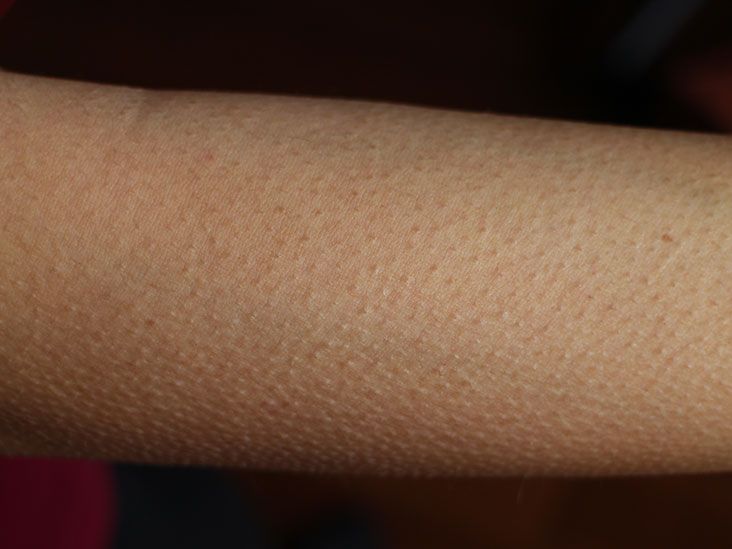
Goosebumps are one of the body’s strangest little magic tricks. One minute your skin is minding its own business, and the next it looks like it just heard the soundtrack from a horror movie. In most cases, goosebumps are completely normal. They show up when you get cold, feel scared, hear a powerful song, or experience a strong rush of emotion. They are usually brief, harmless, and honestly a little dramatic.
But not every bump that looks like goosebumps is the harmless kind. Sometimes rough, persistent, or itchy bumps point to a skin condition such as keratosis pilaris. In other cases, goosebumps show up alongside chills, fever, medication side effects, heat illness, or withdrawal symptoms. That is why context matters. Tiny raised bumps on the arms after stepping into cold air? Usually no big deal. The same bumps with confusion, high fever, dizziness, or severe pain? That is a different story.
This guide explains what goosebumps are, what causes them, what symptoms can come with them, and when they may be worth a closer look. We will also cover conditions that mimic goosebumps, practical treatment options, and real-life experiences people often describe when trying to explain what this skin reaction feels like.
What are goosebumps, exactly?
Goosebumps are also called piloerection, gooseflesh, or goose pimples. They happen when tiny muscles at the base of your hair follicles tighten. That muscle contraction makes each hair stand up slightly and creates the familiar row of little raised bumps on the skin. Humans do not get much practical benefit from this anymore, but the response is part of the body’s built-in survival wiring.
In other words, goosebumps are not usually a skin disease. They are a body reaction. Think of them as a fast message from your nervous system saying, “Something just changed.” That “something” may be cold air, fear, stress, awe, excitement, fever-related chills, or another trigger that activates the sympathetic nervous system. Your body does not always ask permission first.
Common causes of goosebumps on the skin
1. Cold temperatures
The most familiar cause of goosebumps is being cold. When your body senses a drop in temperature, it tries to conserve heat. The hairs on the skin lift, and the small bumps appear. In our furry ancestors, this response helped trap warmth by fluffing up body hair. In modern humans, it mostly serves as a reminder that it may be time to grab a sweater and stop pretending 50 degrees is “refreshing.”
Cold-related goosebumps usually show up quickly and fade once you warm up. They may appear on the arms, legs, neck, or anywhere you have hair follicles. If they happen without any other concerning symptoms, they are generally harmless.
2. Strong emotions
Goosebumps can also appear when emotions hit hard. Fear, shock, anxiety, anticipation, or even a moving speech can trigger them. Some people get goosebumps during music, movies, prayer, athletic moments, or emotionally intense memories. This is sometimes called an “aesthetic chill” or emotional chill.
These episodes are usually brief and not dangerous. You might notice a sudden tingling sensation, a ripple across the arms, or hairs lifting along the neck. Some people describe it as the body physically reacting to a feeling that words cannot quite hold. Goosebumps are the nervous system’s version of saying, “Wow, that was a lot.”
3. Chills from fever or infection
Goosebumps may happen with chills when your body is fighting an infection. Chills are different from simple goosebumps caused by cold air. With chills, you may shake, shiver, or feel cold even when the room is not cold. The body may be trying to raise its temperature because of fever. In these situations, goosebumps are not the main problem. They are just one clue on the dashboard.
If goosebumps show up with fever, body aches, fatigue, cough, burning with urination, vomiting, or confusion, the cause may be an infection or another medical issue that needs attention. The bumps themselves are not dangerous, but the illness causing them could be.
4. Heat-related illness
This one surprises people. Goosebumps can happen when you are too hot, not just too cold. In heat exhaustion, some people develop cool, moist skin with goosebumps despite being in a hot environment. If that sounds unfair, it absolutely is. Your body’s temperature-control system can behave strangely when it is under stress.
When goosebumps show up in the heat along with heavy sweating, dizziness, nausea, weakness, headache, faintness, or confusion, do not shrug it off. Cooling down, hydrating, and seeking medical care when symptoms are severe can be important.
5. Medication side effects or drug withdrawal
Some medications and drug-related conditions can cause goosebumps. For example, opioid withdrawal may cause goosebumps along with sweating, anxiety, abdominal cramping, nausea, diarrhea, yawning, and body aches. Certain medicines may also list goosebumps among their possible side effects.
In rare but serious cases, goosebumps can occur with medication reactions such as serotonin syndrome, where they may appear alongside agitation, tremor, fever, fast heart rate, and other dangerous symptoms. This is not the time for guesswork or internet roulette. Sudden symptoms after starting, increasing, or combining medications deserve prompt medical attention.
When “goosebumps” are not actually goosebumps
Keratosis pilaris
One of the most common look-alikes is keratosis pilaris. This harmless skin condition causes tiny rough bumps around hair follicles, often on the upper arms, thighs, buttocks, or cheeks. Many people say it looks like permanent goosebumps or the skin of a plucked chicken. Charming image, yes, but medically accurate.
Keratosis pilaris happens when keratin, a protective skin protein, builds up and plugs hair follicles. The bumps may be skin-colored, red, brown, or slightly pink depending on skin tone. They often feel dry, rough, or sandpapery. Unlike regular goosebumps, they do not appear and disappear in a few minutes. They tend to hang around, especially in dry weather or winter.
Keratosis pilaris is common, not contagious, and usually harmless. It may be more likely in people with dry skin, eczema, or a family history of the condition. It often improves with age, though it can be stubborn.
Heat rash and inflamed bumps
Some types of heat rash can create inflamed bumps that resemble goosebumps. But unlike normal piloerection, these bumps may itch, sting, or feel irritated. They often appear after sweating, tight clothing, or hot, humid weather. If the skin is red, inflamed, or painful, you are likely dealing with more than a simple goosebump episode.
Dry skin and irritated follicles
Dry skin can exaggerate texture and make follicles more noticeable. Shaving, friction from clothing, and skin irritation may also make the surface of the skin feel bumpy. If the bumps are rough, persistent, itchy, or cosmetically bothersome, a skin condition is more likely than plain old temporary goosebumps.
Symptoms that may come with goosebumps
The bumps themselves are only part of the story. Symptoms that show up with goosebumps can help point to the cause:
- Cold exposure: brief raised bumps, mild shiver, improvement after warming up
- Strong emotion: tingling, hair standing up, sudden rush of feeling, quick resolution
- Chills or fever: shaking, sweating, fatigue, body aches, fever, feeling unwell
- Keratosis pilaris: rough texture, dry skin, persistent tiny bumps, mild itching sometimes
- Heat exhaustion: heavy sweating, dizziness, headache, nausea, weakness, cool moist skin in the heat
- Withdrawal or medication reactions: sweating, tremor, nausea, anxiety, diarrhea, fast heartbeat, agitation, or fever
That is why the question is not only “Do I have goosebumps?” but also “What else is happening at the same time?” Skin rarely acts alone. It loves a supporting cast.
When should goosebumps be taken seriously?
Most goosebumps are harmless and disappear on their own. But you should pay attention when they are paired with warning signs. Seek medical care if goosebumps happen with any of the following:
- High fever or repeated chills
- Confusion, sluggishness, or severe weakness
- Shortness of breath or chest pain
- Neck stiffness with fever
- Severe dizziness, fainting, or symptoms of heat illness
- Persistent vomiting, dehydration, or inability to keep fluids down
- New symptoms after starting or changing medication
- Signs of opioid withdrawal or another substance-related problem
- Persistent rough bumps that do not come and go and may actually be a skin condition
If you have a spinal cord injury and suddenly develop severe symptoms related to autonomic changes, that also deserves urgent medical attention. The key idea is simple: temporary goosebumps from cold or emotion are common. Goosebumps tied to whole-body illness or distress are not something to casually high-five and ignore.
How doctors figure out the cause
If goosebumps are persistent, unusual, or accompanied by other symptoms, a clinician will usually start with a basic history and physical exam. They may ask:
- When do the bumps happen?
- Do they come with chills, fever, sweating, nausea, or pain?
- Are the bumps temporary or always there?
- Have you started any new medications?
- Is the skin rough, itchy, inflamed, or dry?
- Have you had heat exposure, infection symptoms, or substance withdrawal?
Temporary goosebumps from cold or emotion usually do not require tests. But goosebumps linked to fever, neurological symptoms, medication reactions, or a persistent rash-like texture may lead to further evaluation. In many cases, the diagnosis comes from the pattern rather than the bumps alone.
Treatment for goosebumps on the skin
If they are normal goosebumps
No treatment is needed. Warm up, calm down, or wait for the emotional wave to pass. Your skin is just doing a weird but normal little routine.
If they are caused by chills, fever, or illness
The treatment depends on the underlying cause. That may mean rest, fluids, fever management, or a medical evaluation for infection. The goal is not to treat the goosebumps themselves but the reason they appeared.
If they happen with heat exhaustion
Move to a cooler place, loosen clothing, drink fluids if you are able, and cool the body. Severe symptoms such as confusion, fainting, or worsening weakness need urgent care.
If the bumps are actually keratosis pilaris
Keratosis pilaris does not have a perfect overnight fix, but it often improves with consistent skin care. Helpful steps include:
- Using gentle moisturizers regularly, especially after bathing
- Choosing creams or lotions with ingredients such as urea, lactic acid, glycolic acid, or salicylic acid if recommended for you
- Taking shorter warm, not scorching, showers
- Avoiding aggressive scrubbing, picking, or harsh friction
- Seeing a dermatologist if the bumps are severe, itchy, or not improving
Keratosis pilaris usually improves gradually, not instantly. This is a “steady effort wins the race” situation, not a “one dramatic face mask and a miracle” situation.
If medication or withdrawal is involved
Do not self-diagnose or stop prescription drugs abruptly without guidance. Contact a healthcare professional, especially if symptoms include tremor, agitation, diarrhea, vomiting, fever, rapid heartbeat, or severe discomfort. Some medication-related reactions can become serious fast.
Real-life experiences related to goosebumps on the skin
People often describe goosebumps in very different ways, depending on the cause. In normal cold-weather goosebumps, the experience is usually simple and familiar. Someone steps outside on a windy morning, and their forearms instantly tighten with small raised bumps. They may rub their arms, hunch their shoulders, and say they feel the cold “all the way through.” The bumps fade once they are back indoors, wrapped in a blanket, or holding a hot coffee like it is a life decision.
Emotional goosebumps feel different. People often say the sensation starts as a wave. It may begin on the scalp or back of the neck, then roll down the arms. A favorite song reaches the chorus, a crowd erupts during a sports moment, or a movie scene lands harder than expected, and suddenly there it is: a full-body shiver with raised skin. Many people do not describe this as unpleasant at all. In fact, they often say it feels powerful, moving, or oddly beautiful. It is the body reacting before the brain has finished writing the review.
Goosebumps linked to illness are usually less poetic. A person may feel tired, achy, and strangely cold even while wearing warm clothes. They might notice repeated chills, trembling, and goosebumps that come in waves. Instead of feeling inspired by a violin solo, they feel flattened by fever, infection, or exhaustion. In this context, goosebumps are not the headline. They are one more clue that the body is under stress.
People with keratosis pilaris often describe a completely different experience. They may not think of themselves as having “goosebumps,” but rather as having skin that always feels rough on the backs of the arms or thighs. Some say it becomes more noticeable in winter, after dry air, or when their skin is already irritated. Others say the bumps do not hurt, but they dislike the texture or appearance. A common frustration is that the bumps look temporary, like they should vanish in an hour, yet they stay put for weeks, months, or years unless managed consistently.
Heat-related goosebump experiences can be especially confusing. A person exercising or working outside in hot weather may suddenly feel weak, dizzy, clammy, and oddly chilled, with goosebumps appearing even though the air is hot. That mismatch can be a major warning sign. People often remember being surprised by it because goosebumps seem like something that belongs to cold weather, not blazing sun.
In short, the experience of goosebumps ranges from completely normal to medically important. The difference is usually not the bumps alone, but the story around them: when they happen, how long they last, and what other symptoms come along for the ride.
Final thoughts
Goosebumps on the skin are usually a normal body response to cold or strong emotion. They are brief, harmless, and surprisingly good at showing up during moments of fear, awe, and “why is this room an icebox?” But when goosebump-like bumps stay around, feel rough, itch, or cluster on the arms and thighs, keratosis pilaris may be the real explanation. And when goosebumps appear with fever, chills, dizziness, medication reactions, or signs of heat illness, it is time to focus on the underlying cause rather than the bumps themselves.
The bottom line is simple: temporary goosebumps are common. Persistent, symptomatic, or illness-related goosebumps deserve more attention. Your skin may be speaking softly, but it is still worth listening.